
 (813) 333-1963
6 Important Parts of a Roof That All Homeowners Should Know

Written By: GreenTek Roofing & Solar | 7 Min Read

The roof of your home is more than just a protective covering; it’s a vital component that shields your family and possessions from the elements. A key part of being a homeowner is understanding its:
- Structure
- Function
- Maintenance tips
Luckily we’ve got all the information you need in this comprehensive guide! Today, we’ll delve into the various parts of a roof, the importance of understanding them, how to maintain your roof, signs of damage, repair vs. replacement considerations, when to seek professional help, and what types of roof damage your homeowner’s insurance typically covers.
Why Homeowners Should Understand Their Roofing System
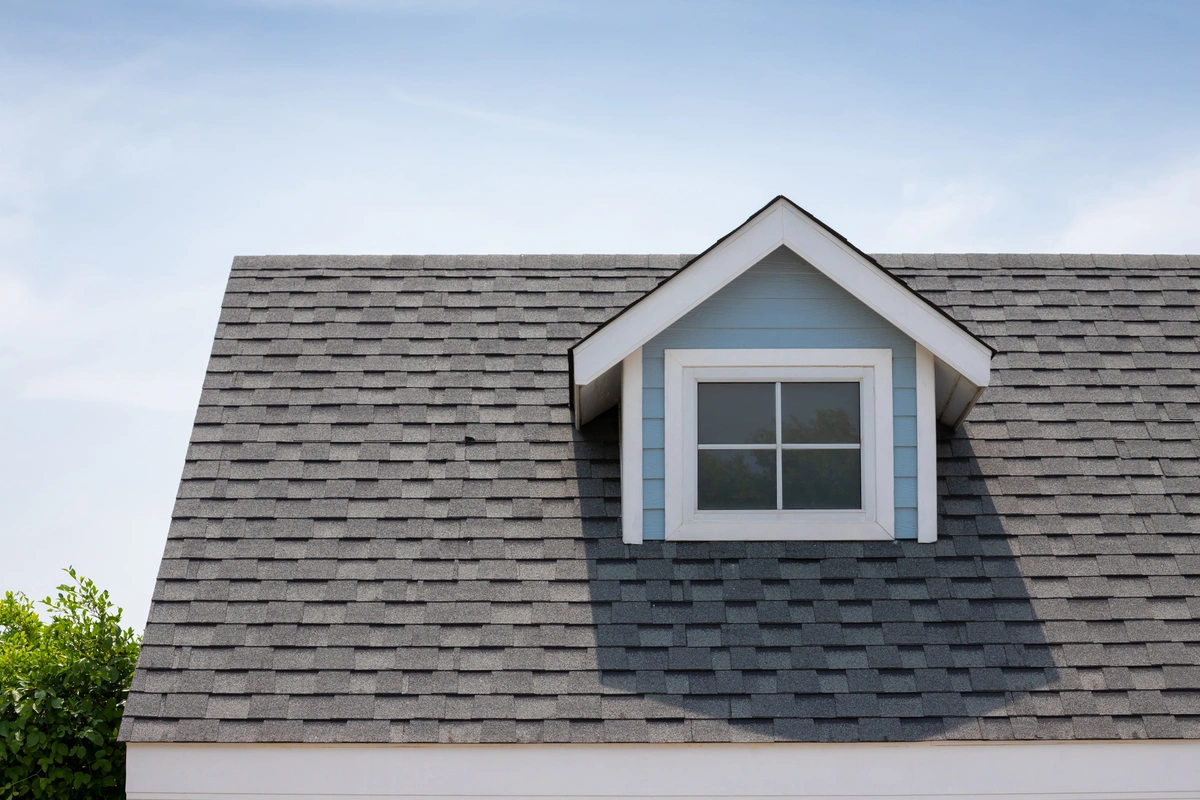
Many homeowners overlook the importance of understanding their roofing system until problems arise. However, having a basic knowledge of your roof’s anatomy and functionality can help you make informed decisions about maintenance, repairs, and replacements. By understanding your roof, you can:
- Identify Potential Issues Early: Recognizing signs of wear and tear allows you to address problems before they escalate into costly repairs or replacements.
- Ensure Proper Maintenance: Knowing how to maintain your roof properly can extend its lifespan and prevent premature deterioration.
- Make Informed Decisions: Understanding your roofing system enables you to make educated choices when hiring contractors, selecting materials, and planning renovations or upgrades.
- Protect Your Investment: Your home is one of your most significant investments. Understanding your roof helps safeguard its structural integrity and resale value.
The 6 Main Parts of a Roof and Their Functions
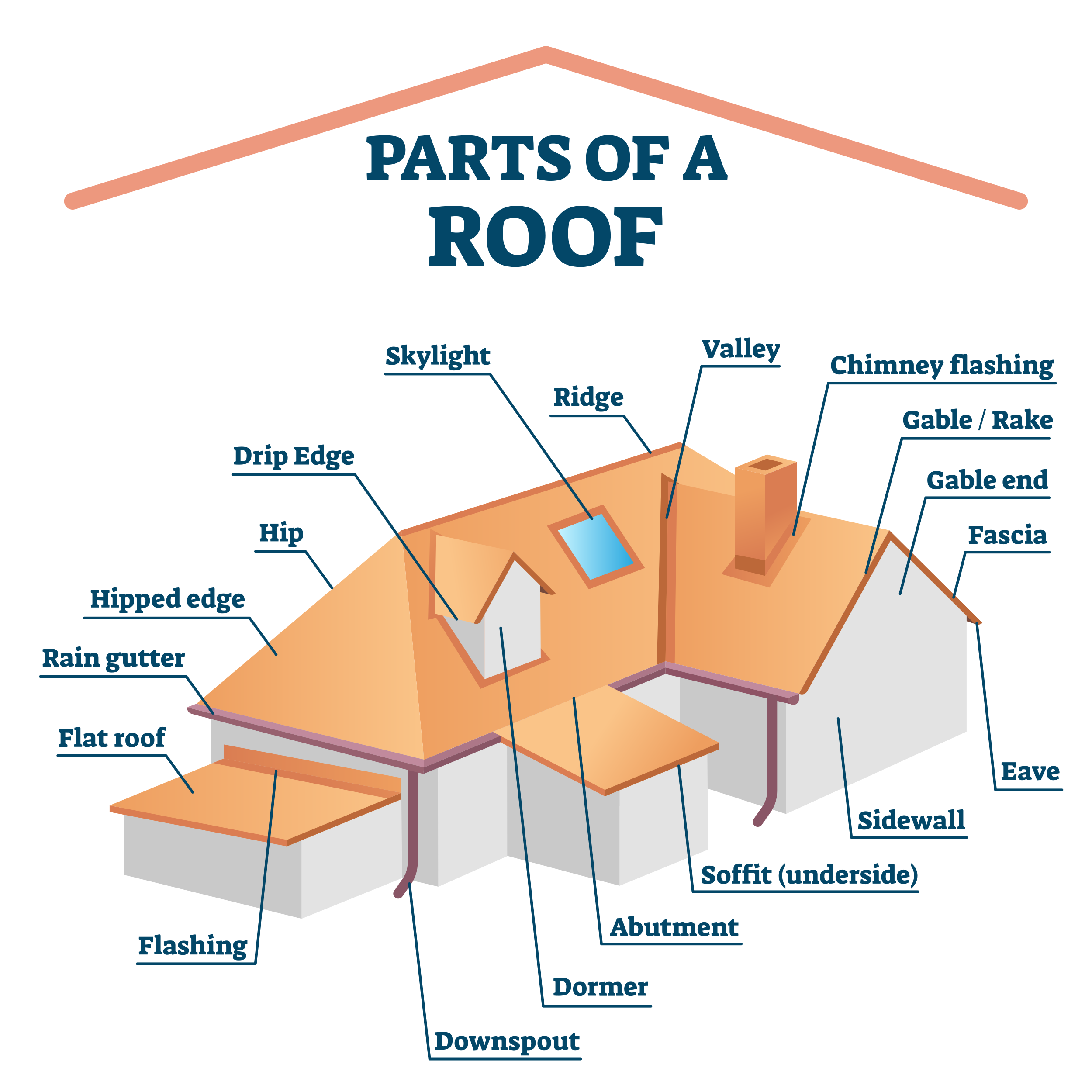
A typical roof consists of several key components, each serving a specific purpose in protecting your home from the elements. Here are the main parts of a roof and their functions:
1. Roof Decking or Sheathing
The roof decking, sometimes called sheathing, is the structural foundation of the roof system. Usually made from plywood or oriented strand board (OSB), it is fastened to the rafters and supports the roofing layers above.
- Provides the base for all roofing materials
- Distributes weight evenly across the roof structure
- Maintains stability and strength of the roof
- Must be free from rot, warping, or moisture before installation
2. Underlayment
The underlayment is installed directly over the decking and serves as a secondary barrier against moisture. Its role is to protect the structure if the outer layer becomes compromised.
- Common types include asphalt-saturated felt and synthetic materials
- Adds protection against water intrusion
- Can improve fire resistance depending on the product
- Helps increase energy efficiency as an insulating layer
3. Roofing Materials
As the outermost and most visible layer, roofing materials shield your home from wind, rain, sun, and other elements. They come in different styles and durability levels.
- Asphalt shingles: Affordable and versatile
- Metal roofing: Durable, energy-efficient, and weather-resistant
- Clay or concrete tiles: Long-lasting and classic, especially in warm climates
- Wood shakes or shingles: Natural and attractive but require upkeep
- Slate: Premium material known for its beauty and longevity
4. Flashing
Flashing is made from thin metal, such as aluminum or copper, and is installed at roof joints and around features like chimneys and skylights. It prevents water from leaking into vulnerable areas.
- Protects against leaks at seams and penetrations
- Directs water away from joints and valleys
- Needs regular inspection to prevent rust or damage
- Works best when sealed and maintained properly
5. Roof Ventilation
Roof ventilation allows air to circulate and prevents issues caused by trapped heat or moisture. Proper airflow is essential for a long-lasting roof.
- Reduces the risk of mold, mildew, and wood rot
- Helps regulate attic temperatures, lowering energy costs
- Prevents ice dams in colder regions
- Common systems include ridge vents, soffit vents, and gable vents
6. Gutters and Downspouts
Gutters and downspouts manage rainwater by directing it away from the roof and foundation. Without them, water can pool and cause serious damage.
- Collects runoff and channels it away from the home
- Protects siding, windows, and foundation from water damage
- Minimizes soil erosion around the house
- Needs regular cleaning to avoid clogs and overflow
Roof Components at a Glance
| Part | Function |
|---|---|
| Roof Decking / Sheathing | Provides the structural base for the roof, supporting shingles and other layers. |
| Underlayment | Serves as a waterproof barrier between the decking and roofing materials. |
| Roofing Materials | Outermost layer that protects the home from wind, rain, and sun. |
| Flashing | Thin metal that prevents leaks around chimneys, vents, skylights, and valleys. |
| Roof Ventilation | Allows airflow to prevent moisture buildup, mold, and energy inefficiency. |
| Gutters & Downspouts | Directs rainwater away from the roof and foundation, preventing water damage. |
How to Maintain Your Roof
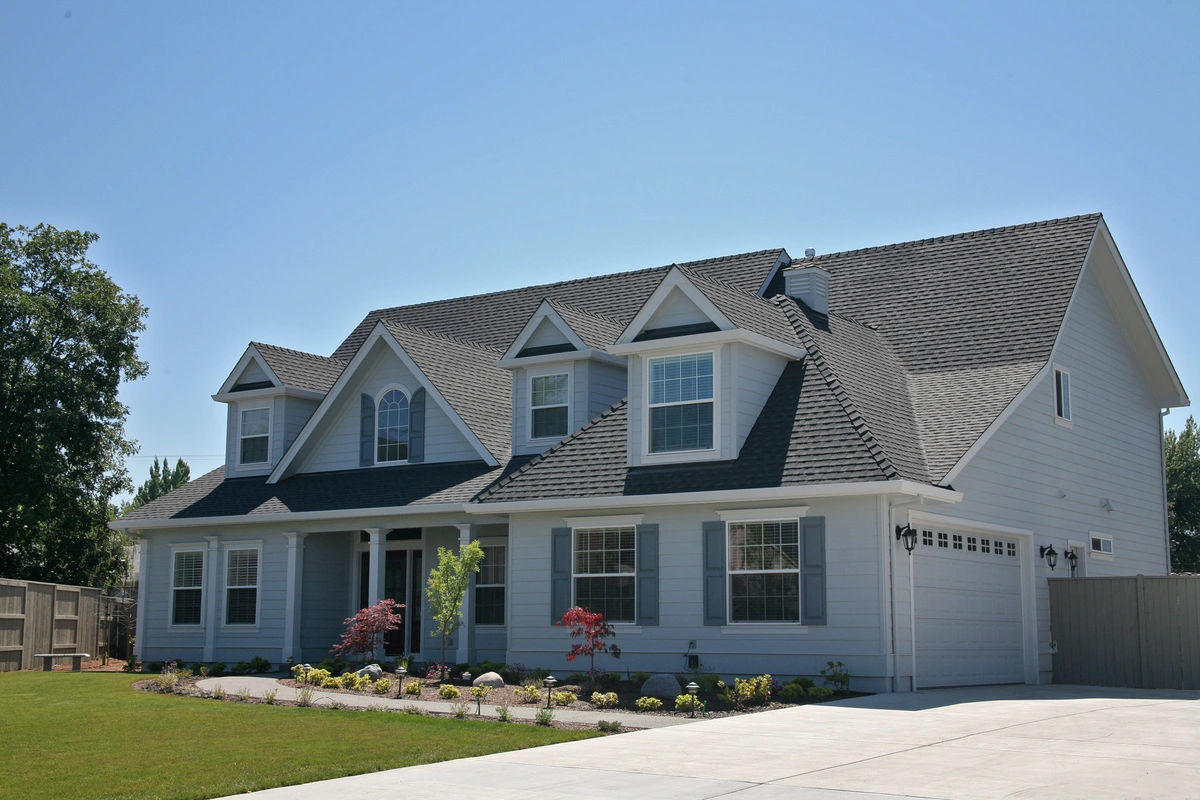
Regular maintenance is key to preserving the integrity and longevity of your roof. Here are some essential maintenance tasks homeowners should perform:
- Inspect Regularly: Conduct visual inspections of your roof at least twice a year, preferably in the spring and fall, to check for signs of damage or wear.
- Clean Gutters and Downspouts: Remove debris, leaves, and other obstructions from gutters and downspouts to ensure proper drainage and prevent water backup.
- Trim Overhanging Branches: Trim branches that overhang your roof to prevent damage from falling limbs and reduce the risk of debris accumulation.
- Check for Leaks: Inspect your attic for signs of water infiltration, such as stains, mold, or dampness, and promptly address any leaks to prevent further damage.
- Remove Moss and Algae: Clean moss, algae, and other organic growth from your roof’s surface to prevent it from compromising the integrity of the roofing materials.
- Schedule Professional Inspections: Consider hiring a professional roofing contractor to perform a comprehensive inspection and maintenance service annually.
Common Signs of Roof Damage
Being able to recognize signs of roof damage early can save you time, money, and stress. Here are some common indicators that your roof may need attention:
Missing, Cracked, or Curling Shingles:
Damaged or deteriorating shingles can compromise the integrity of your roof and leave it vulnerable to leaks and water damage.
Sagging or Buckling Roof Decking:
Sagging or buckling roof decking may indicate underlying structural issues or water damage and should be addressed promptly.
Leaks or Water Stains:
Water stains on ceilings or walls, as well as signs of water infiltration in the attic, are clear indications of roof leaks that require immediate attention.
Granules in Gutters:
Excessive granule loss from asphalt shingles may indicate advanced wear and potential roof failure.
Damaged Flashing:
Loose, damaged, or missing flashing around roof penetrations can lead to water intrusion and should be repaired or replaced.
Increased Energy Bills:
A poorly insulated or ventilated roof can lead to higher energy costs as your HVAC system works harder to maintain indoor comfort.
When to Call a Professional
While some roof maintenance tasks can be performed by homeowners, certain issues require the expertise of a professional roofing contractor. Consider contacting a professional if you encounter:
- Severe Damage: Extensive damage, such as large areas of missing shingles, significant leaks, or sagging roof decking, should be addressed by a professional roofer.
- Safety Concerns: Roof work can be dangerous, especially for homeowners without proper training or equipment. If you’re uncomfortable or unsure about performing repairs or inspections, it’s best to leave it to the professionals.
- Warranty Issues: Attempting DIY repairs or installations may void manufacturer warranties on roofing materials. Hiring a professional ensures that the work is done correctly and maintains warranty coverage.
- Complex Repairs: Some roof repairs, such as replacing flashing or repairing valley areas, require specialized knowledge and skills. A professional roofer can ensure these tasks are completed correctly.
Let Us Deal With Your Roof Components
Understanding the various parts of your roof, how to maintain it, recognize signs of damage, and navigate repair vs. replacement decisions is essential for every homeowner. By taking proactive steps to care for your roof and knowing when to seek professional assistance, you can protect your home and ensure its longevity.
Additionally, understanding what types of roof damage your homeowner’s insurance covers can provide peace of mind and financial protection in the event of unforeseen incidents. Remember, a well-maintained roof is not only an investment in your home’s structural integrity but also in the safety and comfort of your family.
Leave the hard repairs and replacements to the professionals. Call Greentek today to get the support you need for your roof structure!

Step Into
The Future of Roofing
