
 (813) 333-1963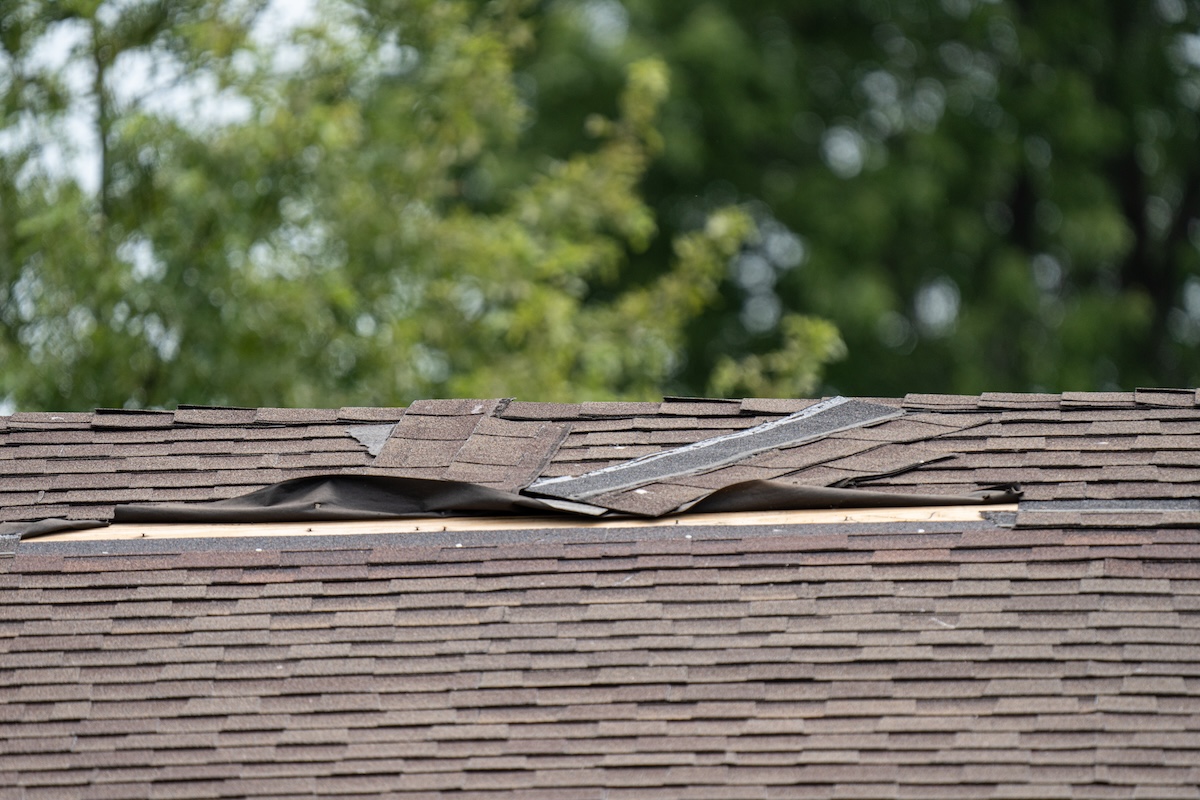
Storm Damage Roof Inspection (5 Steps After Storms)

Written By: GreenTek Roofing & Solar | 6 Min Read

Experiencing severe weather can be stressful, especially when it leads to concerns about your home’s integrity. One of the most critical aftermath tasks is a storm damage roof inspection. Timely and thorough evaluation of your roof not only ensures your safety but also protects your property value. This process helps detect hidden damages early before they escalate into expensive repairs or compromises to your home’s structure. If you need professional expertise, consider exploring comprehensive inspections and repair options available through trusted storm damage services.
- Understand why inspecting your roof after a storm is essential
- Learn the key steps involved in a reliable storm damage roof inspection
- Discover how to identify common types of storm damage
- Find out how timely response can save costs and avoid further problems
Why Storm Damage Roof Inspection Is Crucial
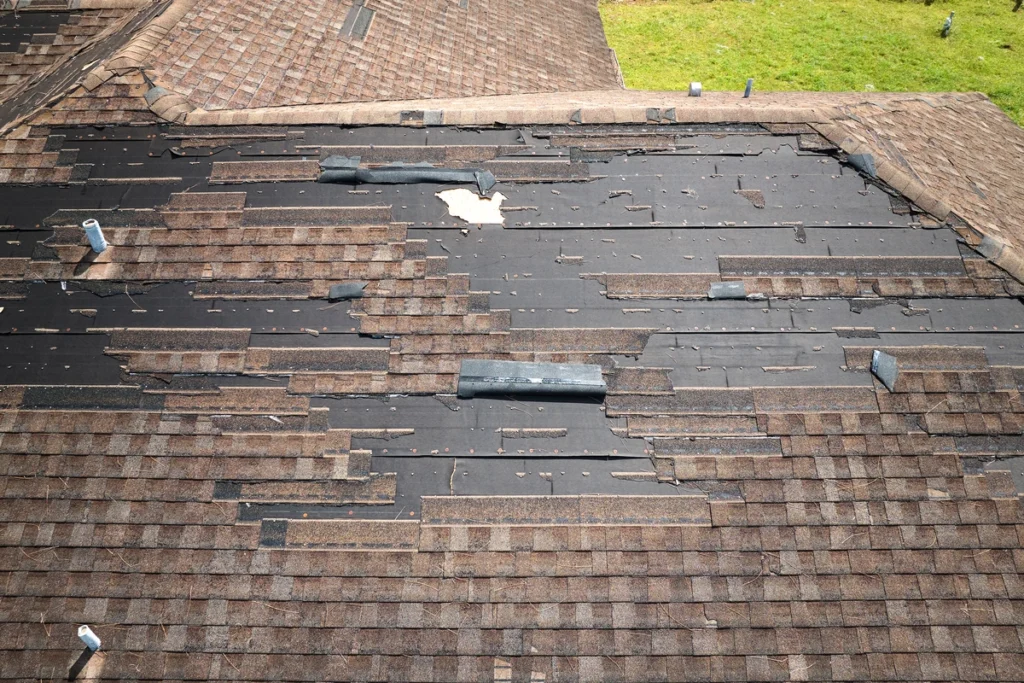
Storms can leave your roof vulnerable without you noticing significant issues immediately. A professional and systematic inspection uncovers damages that impact your safety and home’s longevity. Here’s why conducting a roof inspection after storms should be a priority for homeowners everywhere.
- Early Damage Detection: Spotting cracks, missing shingles, or leaks promptly prevents worsening conditions that can lead to mold or structural problems.
- Insurance Claims Support: Documentation and thorough inspection provide the necessary evidence to support residential insurance claims effectively, speeding up recovery.
- Peace of Mind: Knowing your roof is structurally sound after a severe weather event reduces stress about potential hazards like collapse or interior water damage.
- Cost-Effective Maintenance: Timely repairs are usually less costly than rebuilding or extensive renovations required after neglected damage.
5 Steps After Storms for Roof Inspection
Taking the correct approach immediately after a storm is vital to minimize damage and expedite repairs. Follow this clear, numbered sequence to ensure no critical detail is missed in your storm damage roof inspection.
1. Ensure Safety Before Inspection
Before inspecting your roof, prioritize personal safety and structural risks. Climbing on damaged roofs or entering a compromised building can be dangerous.
- Inspect from the ground first using binoculars
- Look for fallen power lines or tree limbs before approaching
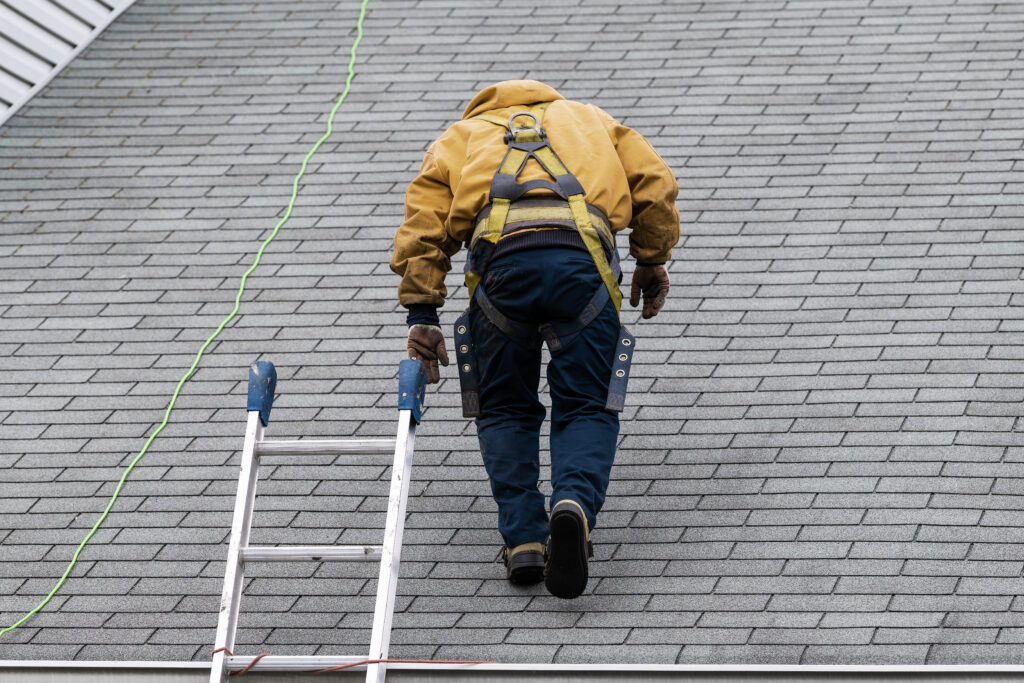
- Wear appropriate personal protective equipment if climbing is necessary
2. Document Visible Roof Damage
Carefully observe and record any visible damages. This includes missing or broken shingles, dents, holes, or debris accumulation.
- Take clear photos and videos to support insurance claims
- Note the areas where damage is concentrated
- Check flashing around chimneys and vents for displacement
3. Inspect Interior Ceiling and Attic
Storm damage often reveals itself inside your home. Look for water stains, damp insulation, or leaks that point to roof problems.
- Use a flashlight to detect water spots or mold growth
- Smell for musty odors indicating moisture accumulation
- Note any cracked drywall or peeling paint on ceilings
4. Engage Professional Roof Inspectors
For a comprehensive evaluation, enlisting certified roof inspection experts ensures no issue is overlooked. Professionals have the right tools and experience to assess the full extent of damage.
- Schedule inspections promptly after storms
- Request a detailed report highlighting repairs
- Compare multiple bids before committing to repairs
5. Contact Your Insurance Provider
File your claim with documented evidence from your inspection to receive appropriate coverage. Understanding your policy coverage maximizes financial assistance.
- Submit photos and inspection reports promptly
- Keep a copy of all communications
- Ask questions regarding claim procedures and timelines
Common Signs of Storm Damage to Monitor
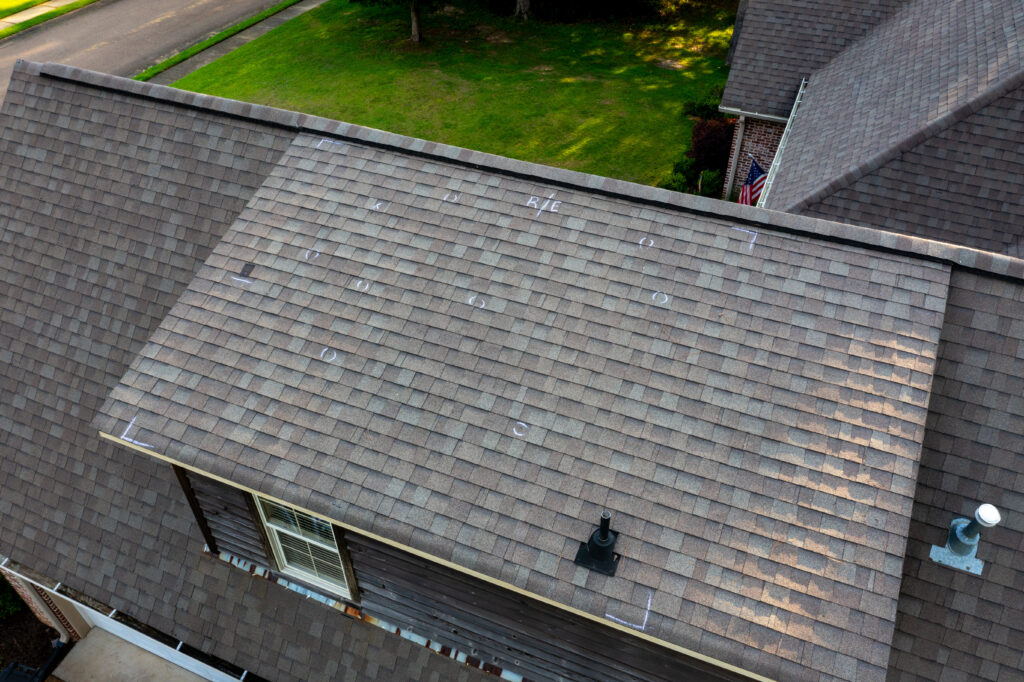
Spotting the typical indicators of storm damage helps you react efficiently. Recognizing these signs during inspection can guide repair priorities and cost estimation.
- Missing or Lifted Shingles: Strong winds often tear off shingles or loosen them, exposing underlying layers.
- Granule Loss: Heavy hail can cause shingles to lose granules, which affects weatherproofing.
- Dents on Metal Components: Hailstones and flying debris dent gutters, vents, and metal flashing.
- Cracks and Splits: Intense pressure and falling branches create cracks compromising integrity.
- Water Stains: Indoor ceilings showing water stains indicate leakage from the roof.
Benefits of Timely Roof Inspection and Repair
Acting swiftly after storm damage pays dividends in safety, financial outcomes, and home comfort. Consider these advantages when scheduling your storm damage roof inspection.
Prolonged Roof Lifespan
Repairing damage before it escalates extends the life of your roof and protects your investment.
Reduced Risk of Secondary Damage
Mitigating leaks early prevents damages to interiors, insulation, and structural framing.
Enhanced Home Value and Curb Appeal
Maintained roofs contribute positively to property value and deter further deterioration caused by weather exposure.
Quick Insurance Process
Comprehensive inspections paired with documentation enable smoother insurance claims, keeping your residence secure without drawn-out procedures.
Personal and Family Safety
Ensuring there are no weak spots in your roof helps protect inhabitants from hazards related to roof collapse or indoor water intrusion.
How to Prepare for Your Storm Damage Roof Inspection
Preparation improves inspection effectiveness and eases communication with inspectors and insurers. Here is guidance to prepare well in advance once storms pass.
- Gather Previous Roof Documentation: Collect warranties, prior inspection reports, and maintenance records to assist inspectors and streamline claim processes.
- Create a Safe Access Plan: Plan safe routes to and around your property, especially if debris or hazards remain post-storm.
- List Known Problem Areas: Identify any suspected or historical areas of concern to highlight during the inspection.
- Verify Insurance Coverage Details: Review your policy to understand what is covered and the necessary documentation requirements.
- Schedule Inspection Promptly: Timely appointments with qualified professionals can prevent delays that worsen damage.
Comparing DIY vs Professional Roof Inspection After Storms
Understanding the differences between inspecting yourself and hiring professionals helps decide the optimal course of action after storm events.
| Aspect | DIY Inspection | Professional Inspection |
| Experience & Knowledge | Limited to homeowner’s understanding, may overlook subtle damage | Certified experts trained to identify all types of storm damage |
| Tools & Equipment | Basic tools, visual checks from ground or ladder | Advanced diagnostic tools, moisture meters, drones for roof imaging |
| Safety | Higher risk of injury, especially on damaged roofs | Professionals follow safety protocols and use protective gear |
| Insurance Claims Support | Difficult to provide compelling evidence and documentation | Detailed reports and documentation facilitating smoother claims |
| Cost | Minimal direct cost but risk of missing damage leading to bigger expenses | Inspection fee upfront with potential savings from early damage detection |
The Importance of Inspecting Your Roof
After any major storm, prioritizing a storm damage roof inspection is critical to protect your home and family. Early detection reduces repair costs and prevents dangerous situations. For expert evaluation and effective repair solutions, do not hesitate to engage professional services equipped to handle post-storm challenges. To start protecting your home today, feel free to contact us today for comprehensive roof inspection and repair assistance tailored to your needs.

Step Into
The Future of Roofing
