
 (813) 333-1963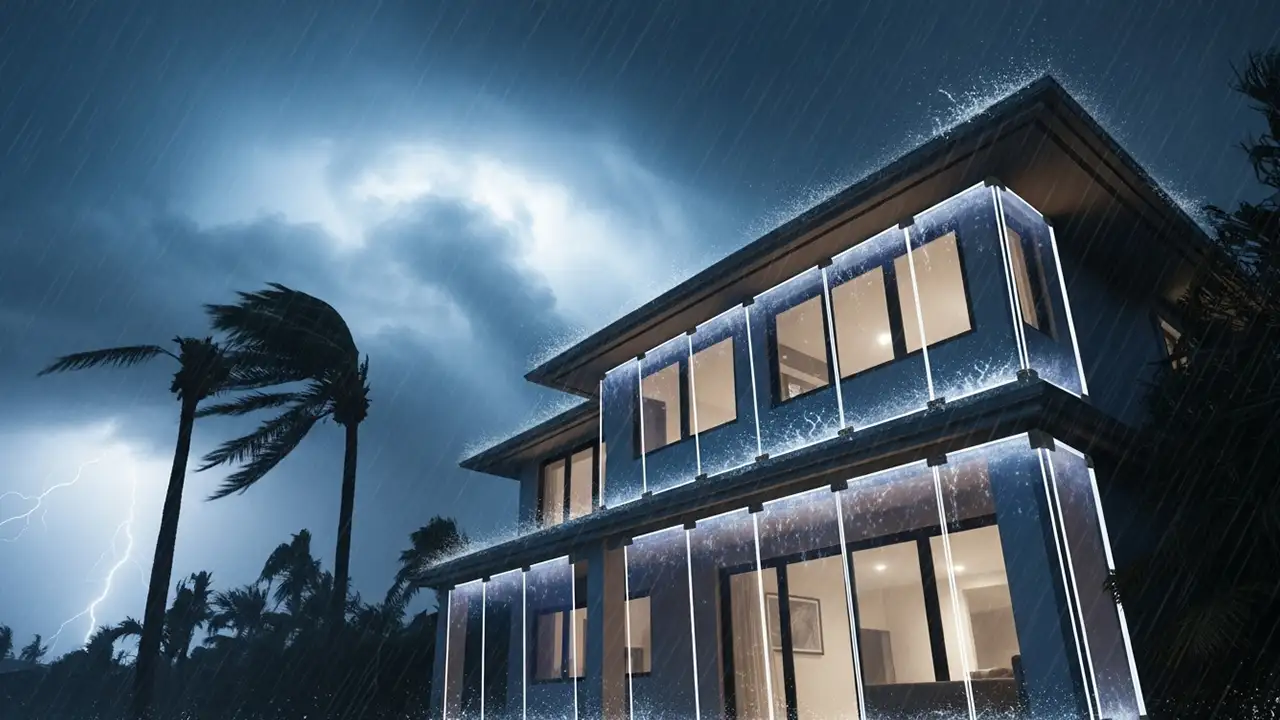
Wesley Chapel, FL Secondary Water Barrier Systems for Storm-Prone Areas

Written By: GreenTek Roofing & Solar | 8 Min Read

Living in a storm-prone area like Wesley Chapel, FL, means your home needs extra defense against severe weather. A secondary water barrier is a critical component of a resilient roofing system, especially during a roof replacement. For Florida homeowners, understanding this added layer of protection is the first step toward safeguarding your property from the relentless challenges of our local climate and ensuring your home stays dry.
The Role of Secondary Water Barrier Systems in Wesley Chapel, FL
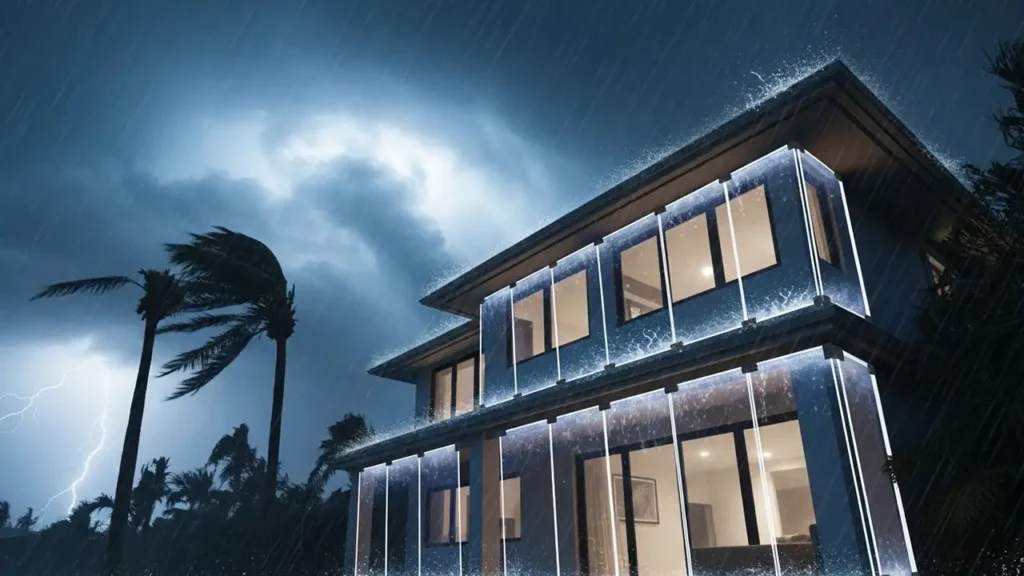
Effective management of water intrusion is crucial for homeowners in Wesley Chapel, FL, particularly given the area’s vulnerability to extreme weather. Secondary water barrier systems serve as the first line of defense against storm surge and torrential rain, safeguarding structural integrity. By providing an additional watertight seal, these barriers help mitigate the risk of costly water damage and maintain proper airflow, thus ensuring peace of mind for residents, especially during hurricanes and heavy rains that can lead to significant financial repercussions.
Why These Barriers Matter in Storm-Prone Regions
In storm-prone regions, secondary water barrier systems play a crucial role in safeguarding homes from the adverse effects of Florida’s challenging climate. These barriers act as a first line of defense against severe weather events, significantly reducing the risk of water intrusion and protecting the structural integrity of buildings. By providing an additional watertight seal, they not only mitigate potential leak points during torrential rains but also enhance insurance claims resilience, potentially leading to reduced premiums for homeowners.
How Secondary Barriers Work During Heavy Rain and Hurricanes
Secondary water barriers are vital in safeguarding homes during heavy rain and hurricanes. They create a watertight seal that prevents water intrusion, significantly reducing the risk of interior damage and costly repairs. By complementing the primary roof system, these barriers enhance structural integrity and act as the first line of defense against extreme weather. With reliable installation, they ensure proper airflow and mitigate the impact of torrential rains and strong winds, making them essential for Florida homeowners facing storm threats.
Core Features of Effective Secondary Water Barriers
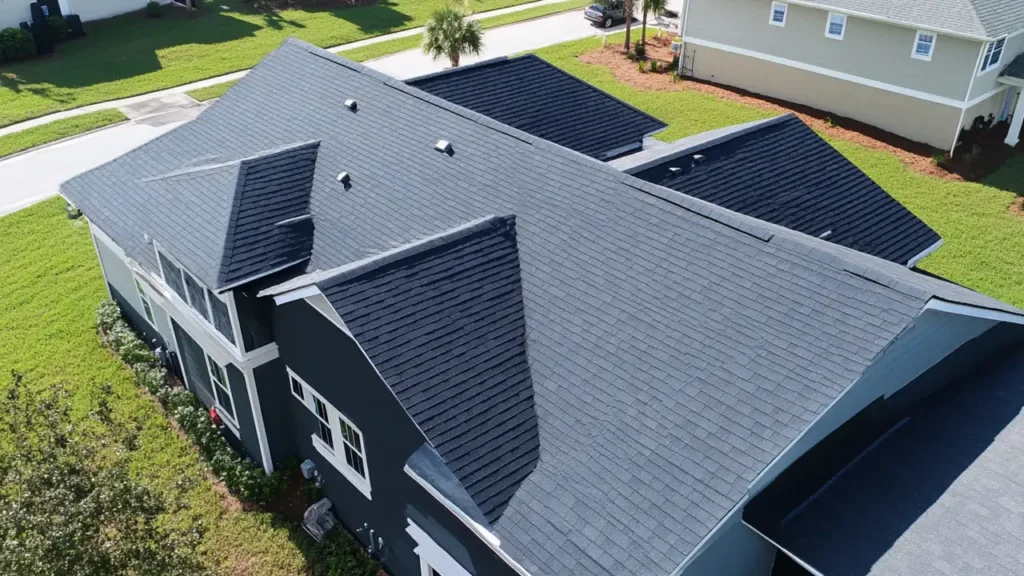
The effectiveness of secondary water barriers hinges on several core features. A watertight seal is crucial in preventing water intrusion during severe weather events, ensuring structural integrity for any building. Additionally, utilizing various materials, such as synthetic underlayments, provides enhanced water resistance against heavy rains. Compliance with Florida’s building codes guarantees longevity and durability. Flexible installation options tailored to roof types can also improve attic ventilation, minimizing the risk of mold growth and costly repairs associated with water damage.
What Sets Secondary Barriers Apart From Primary Options
Understanding the difference between primary and secondary water barriers is crucial for selecting the right roofing system. The primary roof—shingles or tiles—serves as the first line of defense, shedding water but not fully waterproofing your home. Secondary water barriers are installed beneath the primary roof, directly on the deck, creating a watertight seal that prevents leaks if the top layer fails—offering protection standard underlayment can’t match.
Unlike temporary flood barriers, secondary water barriers are a permanent part of your roof designed to block water from above.
- They provide a backup waterproof layer
- Adhere directly to the roof deck for a complete seal
- Are often required by Florida Building Code
Essential Qualities for Florida Homes
Strong resistance to water intrusion stands out as a crucial quality for secondary water barriers in Florida homes. Materials should meet local building codes and effectively manage the risks associated with severe weather events. A watertight seal not only provides flood protection but also safeguards structural integrity. Additionally, properties with the right insulation damage mitigation and proper airflow can enjoy reduced energy costs. Peace of mind comes from knowing that these barriers significantly lower the potential for costly repairs and water damage during intense storms.
Recommended Types of Secondary Water Barrier Systems for Roofs
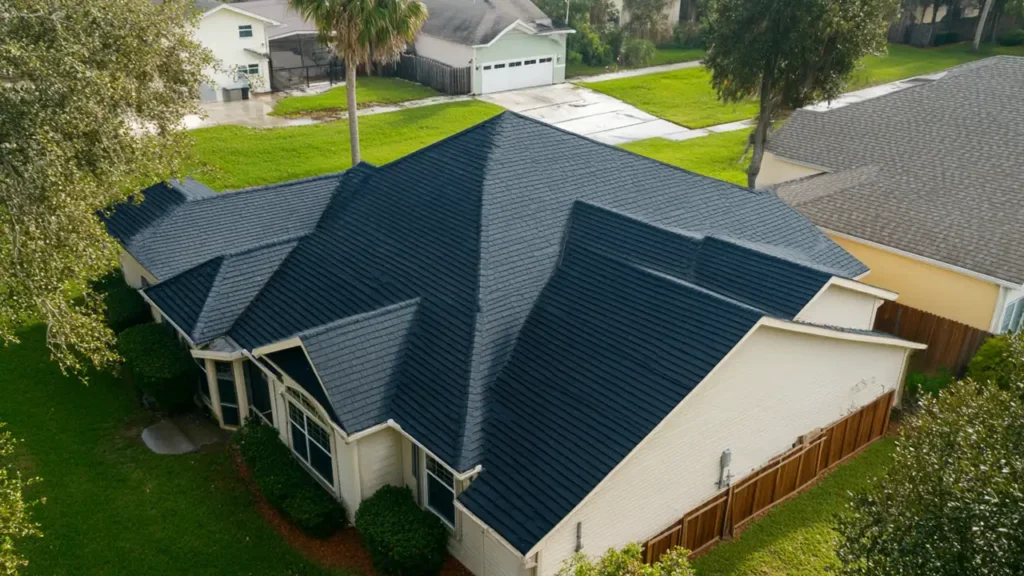
When choosing a secondary water barrier for your Wesley Chapel roof, self-adhering membranes and advanced synthetic underlayments are top choices for storm protection. These systems create a watertight seal on the roof deck and meet Florida’s strict building codes.
As a GAF Master Elite Certified Contractor, we install trusted brands like GAF and TAMKO. Below, we compare leading materials and outline the benefits of peel-and-stick and synthetic options for superior storm defense.
Leading Materials and Their Benefits
Multiple materials play a critical role in enhancing the effectiveness of secondary water barriers. Synthetic underlayments offer superior water resistance and durability, making them an excellent choice for Florida’s challenging climate. Additionally, modified bitumen membranes are known for their watertight seal, ensuring reliable flood protection during severe weather events. Meanwhile, metal roofing can complement these barriers by providing extra protection against wind and water intrusion, significantly reducing the risk of costly water damage. Each option contributes to extending the life of your roof.
Peel-and-Stick and Synthetic Options for Storm Protection
Peel-and-stick membranes offer an efficient solution for creating a watertight barrier, essential for protecting homes against Florida’s severe weather events. These products adhere seamlessly to roof decking, minimizing potential leak points during torrential rains and strong winds. Synthetic options, known for their durability and flexibility, enhance water resistance while also meeting Florida building code requirements. By investing in these advanced materials, homeowners can ensure complete protection for their roof systems, significantly reducing the risk of costly repairs and insurance claims in the aftermath of a storm.
Steps to Successful Secondary Water Barrier Installation
A proper secondary water barrier installation is as critical as using quality materials. Correct installation ensures your home gets maximum storm protection and meets code requirements with a lasting watertight seal.
The process requires careful roof deck preparation and attention to detail, especially around vents and edges. As a family-owned company, we know the importance of doing the job right. Below, we outline best practices for homeowners and how to select a qualified contractor for your roof replacement or new installation.
Best Practices for Homeowners
To ensure proper installation of a secondary water barrier, hire a qualified roofing contractor experienced with Florida’s codes. The roof deck should be clean, dry, and smooth for the barrier to adhere and create a watertight seal.
All seams must be overlapped and sealed per manufacturer guidelines to prevent leaks, especially during high winds. Ask your contractor how they seal around penetrations like vents and pipes—common points for water intrusion.
Best practices:
- Confirm your contractor is licensed, insured, and certified by brands such as GAF or TAMKO.
- Make sure materials meet local building codes.
- Review the installation plan with your contractor before work starts.
Choosing a Trustworthy Roofing Contractor
Choosing a trustworthy contractor is crucial for roof replacement. In Wesley Chapel, seek proven expertise and a solid reputation. A reliable contractor is transparent about their process, materials, and compliance with Florida building codes.
Ask about certifications and awards—such as GreenTek Roofing & Solar’s GAF Master Elite Certification, GAF 2-Star President’s Club status, and TAMKO Diamond Pro Certification—to ensure quality and ongoing training.
Discuss how proper installation can benefit your insurance, including wind mitigation credits and discounts for secondary water barriers.
- Request proof of licensing, insurance, and manufacturer certifications.
- Ask for references from past clients in Wesley Chapel.
- Get a detailed written estimate covering all work and materials.
Contact Us Today
In summary, investing in secondary water barrier systems is essential for Wesley Chapel, FL homeowners due to the area’s frequent storms and heavy rainfall. These systems offer extra protection to keep your home safe and dry. Choose solutions tailored to Florida’s unique needs. At GreenTek Roofing & Solar, our team is GAF Master Elite and TAMKO Diamond Pro Certified. Contact us today for a quote to enhance your home’s protection.
Frequently Asked Questions
What is the 15 year roof rule in Florida?
The “15-year roof rule” is often an insurance requirement, not a law in the Florida Building Code. Many insurance companies may not renew policies for certain roof types, like shingles, if they are over 15 years old, prompting a roof replacement to maintain coverage and ensure code compliance.
What is the 25% rule for roofs in Florida?
The Florida Building Code’s “25% rule” states that if more than 25% of a roofing system is being repaired or replaced, the entire section of the roof must be brought up to the current building code. This often necessitates a full roof replacement rather than partial repairs.
Read more: How Chimney and Skylight Flashing Protects Roofs From Leaks in Wesley Chapel, FL

Step Into
The Future of Roofing
