
 (813) 333-1963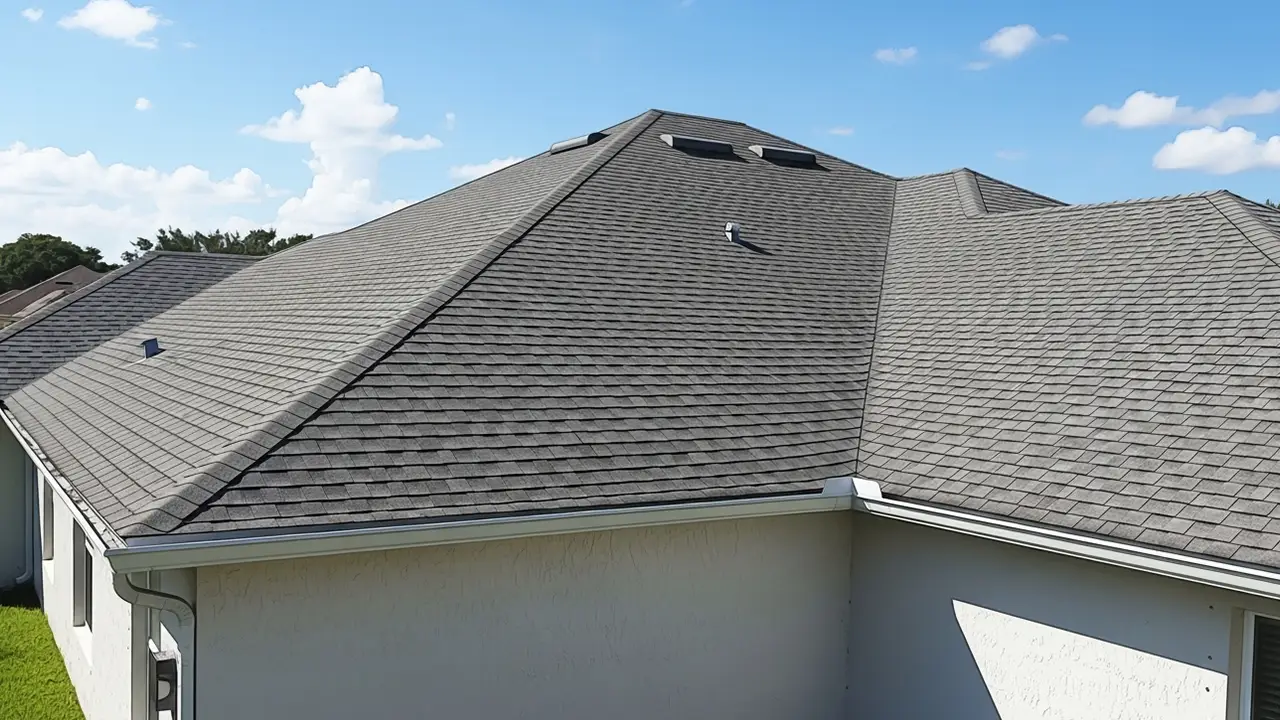
Lutz Structural Load Considerations When Re-Roofing a Home

Written By: GreenTek Roofing & Solar | 8 Min Read

When planning to re-roof your Lutz home, it’s easy to focus on colors and styles. However, one of the most critical factors is your roof structure’s load capacity. Your home is designed to support a specific amount of weight, and changing the roofing system can add significant stress. Understanding these structural load factors ensures your new roof is not only beautiful but also safe and supported for years to come.
Key Structural Load Factors for Re-Roofing Homes in Lutz, FL
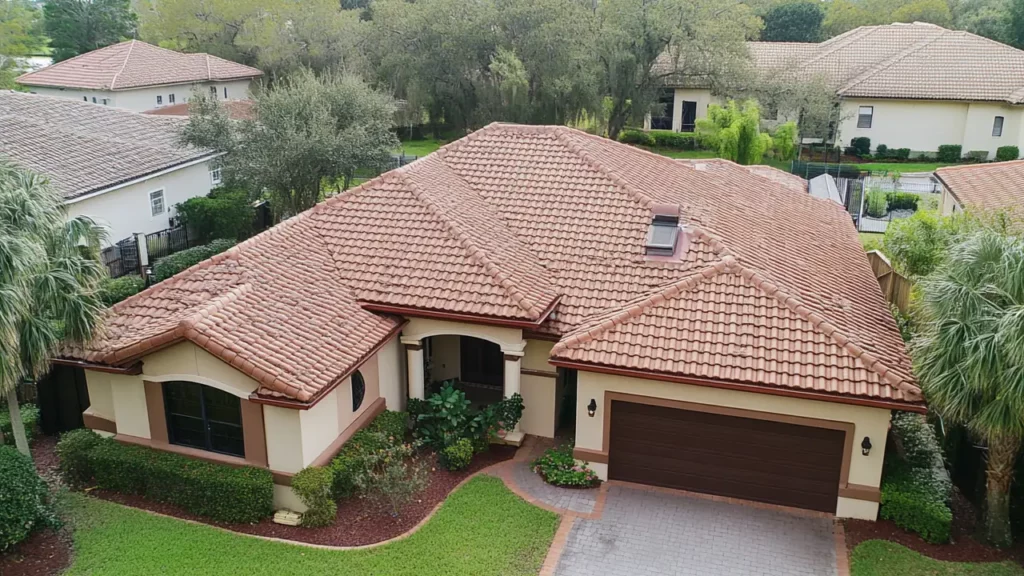
Several structural load factors necessitate consideration when re-roofing homes in Lutz, FL. Understanding the roof’s dead load—its static weight—and the anticipated live load, which varies based on weather conditions and usage, is critical. Heavier roofing materials, such as concrete tiles or stone-coated metal, add significant weight to the roofing structure. Accurate calculations of the roof’s dimensions and load distribution are essential to avoid structural damage. Engaging a structural engineer can provide the necessary insights and peace of mind for homeowners.
Understanding Dead Loads and Live Loads
Dead loads refer to the constant weight of the roofing structure, including roofing materials, deck, and any permanent fixtures. Precise calculations of these weights are crucial to ensure the structural integrity of the home. On the other hand, live loads encompass any temporary weight, such as snow accumulation, maintenance personnel, or HVAC units on the roof. Understanding these types of roofing loads helps in evaluating a residential roof’s load capacity, establishing a safe and compliant roofing design that withstands Lutz’s specific weather conditions.
How Florida’s Climate Affects Roof Structural Loads
Florida’s climate significantly impacts roof structural loads due to high humidity, intense sun exposure, and potential heavy rainfall. These weather conditions contribute to an increase in live loads, such as water accumulation from rain and snow on rare occasions. The weight of the roofing materials also plays a crucial role, as heavier materials may demand stricter compliance with local building codes. Homeowners should consider roof pitch and ventilation, as these factors affect load distribution and overall durability against Florida’s unpredictable weather patterns.
Assessing Your Existing Roof’s Load Bearing Capacity
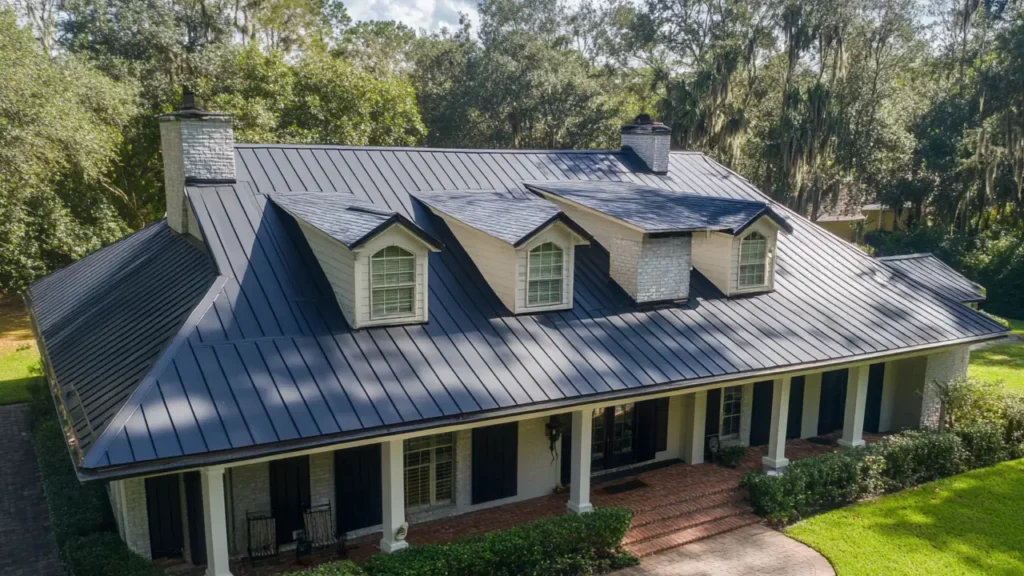
Evaluating the existing roof’s load-bearing capacity is crucial for ensuring safety and longevity. This process involves identifying the weight of the roofing materials and construction methods used. Regular inspections help recognize signs of structural damage that may indicate potential overload. Employing online roof load calculators can assist in making precise calculations regarding maximum weight limits. Consulting with a structural engineer can provide professional help, ensuring compliance with local building codes while safeguarding your home’s structure from costly repairs and failures.
Identifying Material Weights and Construction Methods
Understanding the weight of the roofing structure is essential for ensuring the roof load capacity aligns with local building codes. Different roofing materials, such as asphalt shingles, metal roofing, or concrete tiles, carry varied weights that impact the overall load. Construction methods also play a vital role; for instance, the design of roof decking can facilitate or hinder load distribution. Engaging a structural engineer can provide precise calculations on how these factors affect your home’s structure and prevent potential structural failures.
Recognizing Signs That Indicate Potential Overload
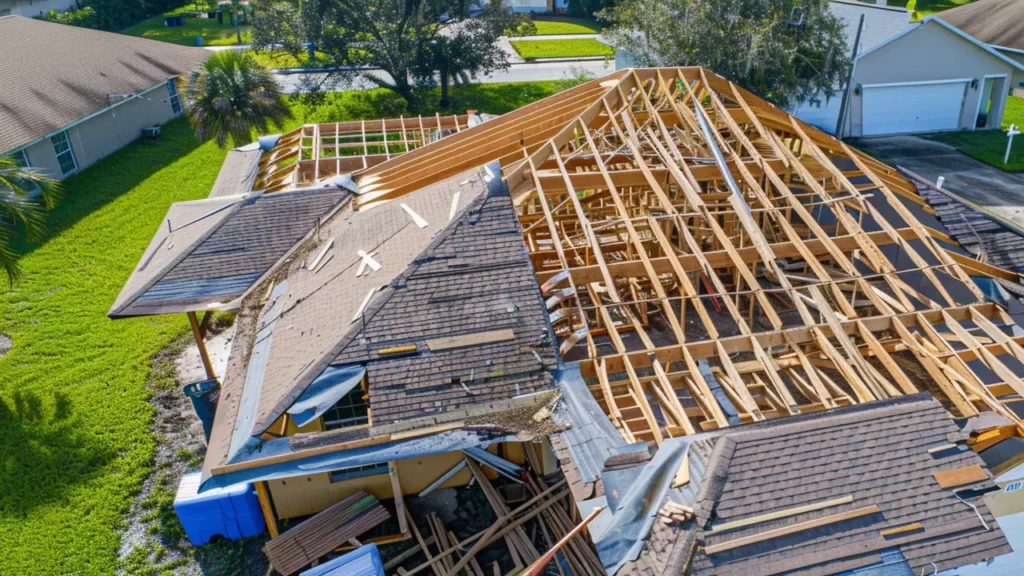
Your home may already show signs of roof overload. Catching these early can prevent costly structural damage. Often subtle, these warning signs indicate a problem with load distribution that needs prompt attention. Regular inspections can help detect issues before they worsen. Undersized roof trusses for your roofing materials are a major risk. Excess weight can cause sagging—a clear sign of overload—and strain your home’s structure, affecting walls and ceilings.
Watch for these warning signs:
- Sagging roofline or deck
- Cracks in interior walls or ceilings
- Doors and windows that stick or won’t close properly
The Impact of Roofing Material Changes on Structural Loads
Changing roofing materials can significantly influence the structural loads on a home. Heavier materials, like concrete tiles or metal roofing, add additional weight, which impacts the load distribution across the roof’s structure. Evaluating the roof load capacity is crucial; maintaining compliance with local building codes ensures that your home’s frame can support the new materials. Utilize online roof load calculators to assess the implications of various materials, considering anticipated live loads from roof pitch and weather conditions such as snow accumulation.
Comparing Asphalt Shingles, Stone Coated Metal, and Other Materials
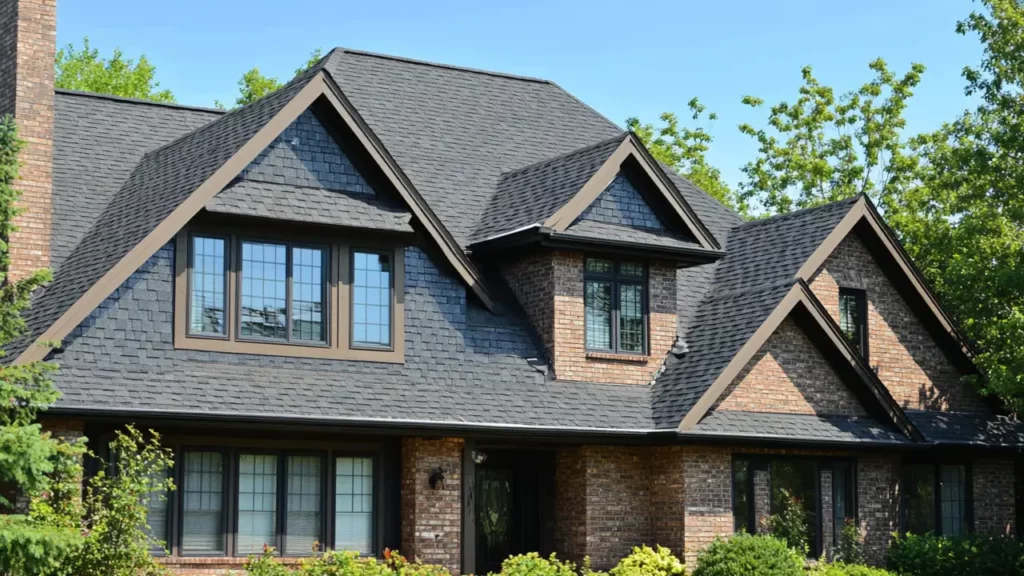
Different roofing materials offer varying benefits and implications for structural loads. Asphalt shingles, known for their lightweight properties, are a popular choice, but their durability and maximum weight should be considered, especially with heavy rainfall. On the other hand, stone-coated metal roofing provides a strong aesthetic and excellent longevity; however, its heavier weight can add considerable load. Homeowners must also be mindful of additional weight from potential attachments like solar panels, requiring precise calculations to ensure load capacity adheres to local building codes.
Adding New Layers vs. Full Roof Replacement
Deciding between adding new layers or opting for a full roof replacement involves careful evaluation of the existing structural load. Additional layers can increase the weight of the roofing structure significantly, potentially exceeding the roof’s load capacity. Conversely, a full replacement not only refreshes the roofing system but also allows for precise calculations related to new materials and their weights. Consulting a structural engineer ensures compliance with local building codes and provides peace of mind regarding the updated load distribution and structural integrity.
Building Code Requirements for Roof Loads in Lutz, FL
Understanding building codes is essential for ensuring the safety and longevity of your roof structure. In Lutz, FL, local building codes dictate maximum weight and load capacities that must be adhered to during re-roofing projects. Compliance with these regulations not only safeguards the home against structural failures but also ensures that the roof can handle anticipated live loads, like wind or snow. Professional help from a certified structural engineer can provide peace of mind and guarantee that proper guidelines are followed.
Local Codes and Permits Every Homeowner Should Know
Navigating building codes in Lutz and Hillsborough County is crucial for any re-roofing project. Regulations set minimum roof load requirements to ensure your home withstands high winds and environmental forces. You must obtain a permit from the local building department before starting work. Codes specify fastener types, maximum roof weight, and whether structural changes are needed for heavier materials or extra layers. Ignoring these rules can cause legal issues and safety risks.
Key points:
- A permit is usually required for re-roofing.
- Codes set minimum live load and wind load standards.
- Violating codes can void your homeowner’s insurance.
Professional Certifications That Ensure Code Compliance
Hiring a certified contractor ensures code compliance. At GreenTek Roofing & Solar, our GAF Master Elite and TAMKO Diamond Pro certifications demonstrate our expertise and commitment to industry standards. These credentials reflect ongoing training and dedication to excellence.
As a GAF 2-Star President’s Club Member and BBB-accredited A+ business, we’re recognized for quality and customer satisfaction. Our continued education keeps us at the forefront of smart roofing, so you can trust us to deliver safe, compliant roofs in Lutz, FL.
While not every project requires a structural engineer, our team knows when one is needed. If we identify potential load issues during inspection, we’ll recommend the right steps to protect your home before work begins.
Ready to Start?
In summary, understanding structural load is essential when re-roofing your home in Lutz, FL. Know the difference between dead and live loads, assess your roof’s capacity, and follow local codes to ensure safety and durability. Whether you choose asphalt shingles or stone-coated metal, prioritize your home’s structural integrity. Ready to start? Contact GreenTek Roofing & Solar for a customized quote. Our certified team delivers top-quality service.
Frequently Asked Questions
Is a roof dead load 10 or 20?
The roof’s dead load varies based on materials. A typical dead load is often between 10 to 20 pounds per square foot (psf), but it can be much higher for heavy materials like tile. Local building codes define the maximum weight and requirements for your specific area.
What is the live load requirement for a roof?
The live load requirement for a roof is typically around 20 pounds per square foot (psf), as specified by building codes. However, this can change based on local weather conditions, such as wind and rain, which must be factored in for an accurate roof load calculation.
Read our blog: Tree Debris Impact on Roofing Materials During Storms in Lutz, FL

Step Into
The Future of Roofing
