
 (813) 333-1963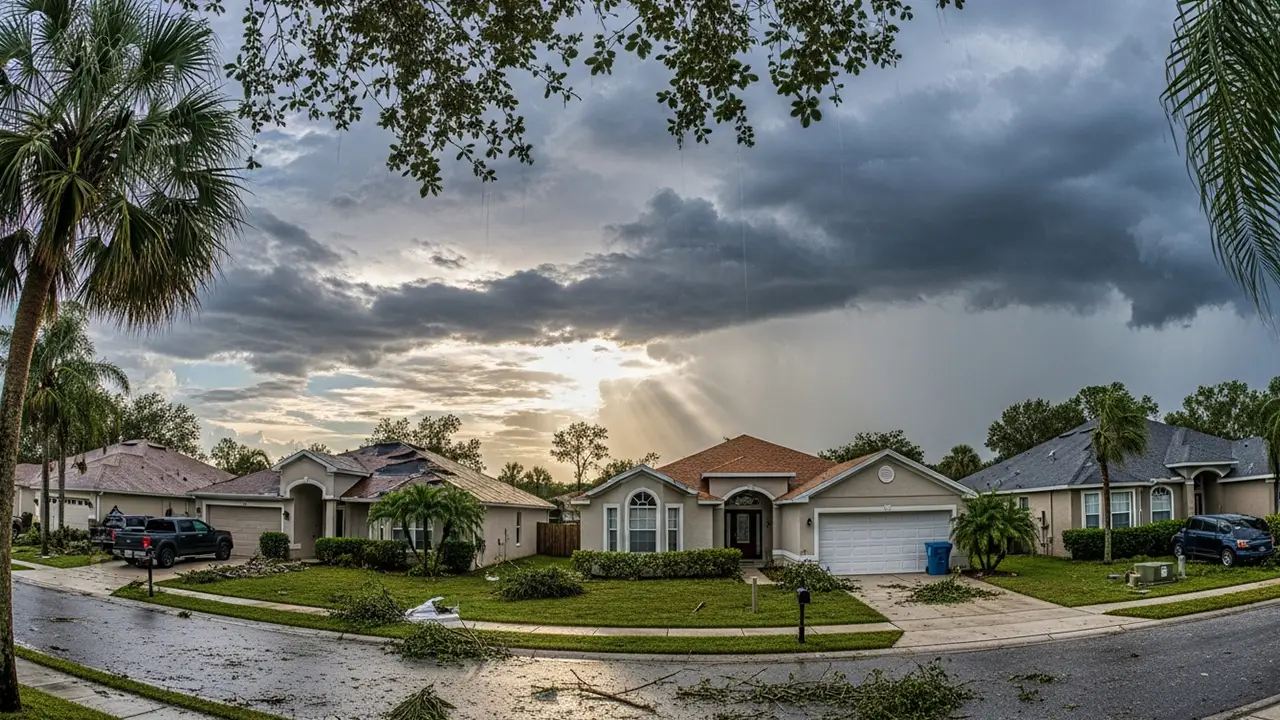
Fish Hawk, FL Roof Repair After Summer Storms: A Damage Checklist for Homeowners

Written By: GreenTek Roofing & Solar | 9 Min Read

Florida homeowners know that summer brings severe weather, from intense thunderstorms to hurricanes. Your roof is your home’s first line of defense, taking the brunt of high winds and heavy rains. After a storm passes through Fish Hawk, FL, it’s crucial to check for roof damage. Ignoring small issues can lead to costly repairs and significant problems down the road. This checklist will guide you through a post-storm inspection to protect your home.
Roof Inspection Basics After Summer Storms
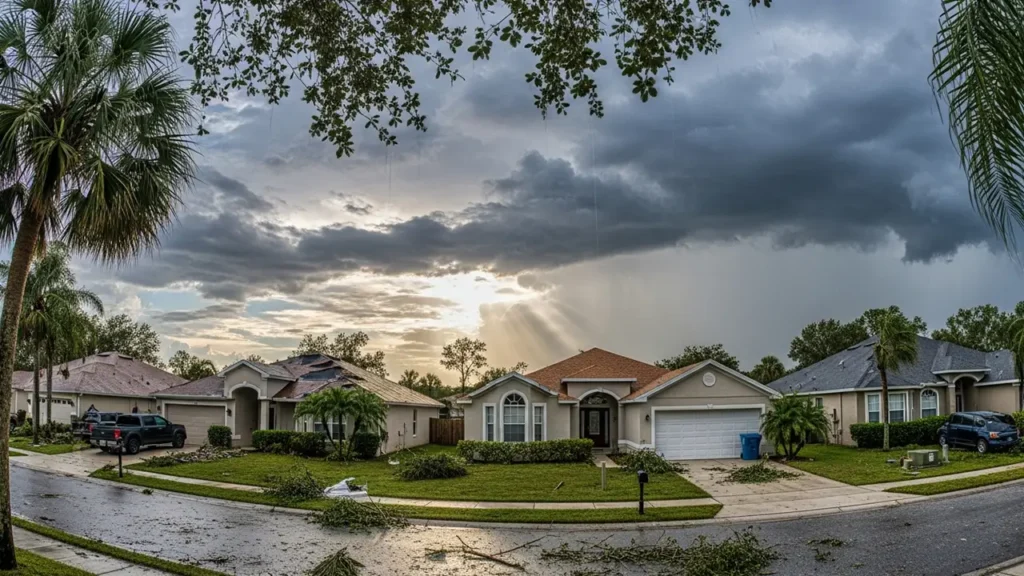
Roof inspections following summer storms in Fish Hawk, FL, serve as essential preventive measures against significant damage. Engaging with a professional roofing contractor ensures a comprehensive and thorough inspection, identifying issues like missing shingles or structural weaknesses. Homeowners should also be aware of visible damage such as water stains and mold growth, which indicate ongoing water intrusion. Prioritizing these inspections can prevent costly repairs and safeguard your roofing system, providing peace of mind ahead of the next storm season.
Why Timely Post-Storm Roof Checks Matter
Post-storm assessments are crucial for homeowners, acting as the first line of defense against potential roof damage. Engaging a professional roofing contractor for a thorough inspection ensures that any signs of damage, such as missing shingles or granule loss, are identified early. This proactive approach not only addresses small issues before they escalate into costly repairs but also maintains compliance with Florida building codes. Timely checks provide peace of mind, safeguarding your investment and enhancing energy efficiency in your roofing system.
Essential Safety Precautions Before Examining Your Roof
Evaluating your roof after summer storms requires careful preparation to ensure safety. Inspecting from the ground for visible damage is a smart initial step; this helps avoid unnecessary risks. Always wear appropriate safety gear, such as a hard hat and non-slip footwear, especially on steep roofs. It’s critical to ensure stability on the roof deck to prevent falls. Additionally, checking for overhead hazards like tree branches and power lines can mitigate serious accidents. Prioritizing safety protects not only you but also your property.
How Often to Inspect Your Roof During Hurricane Season
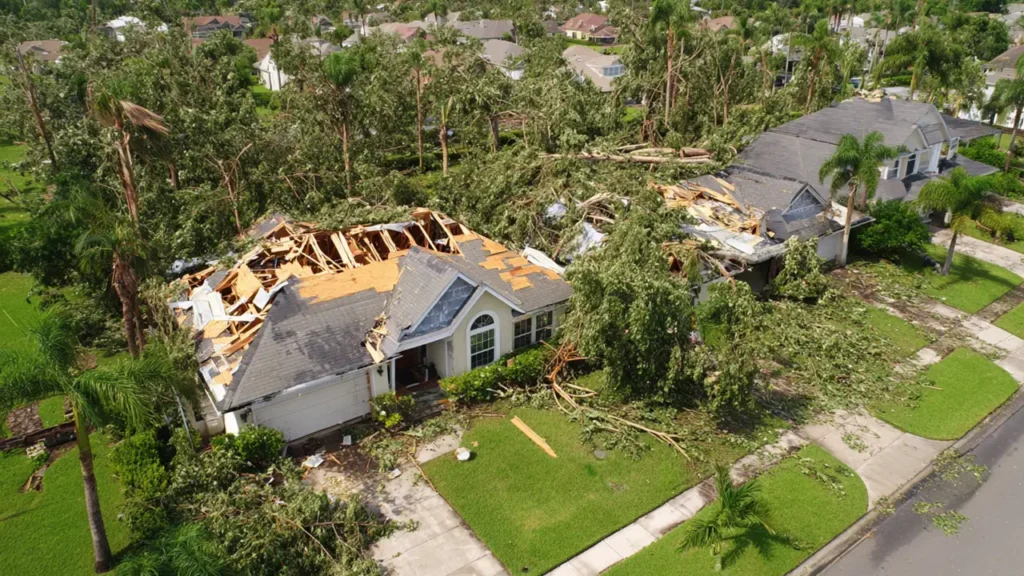
Frequent inspections during hurricane season are crucial for Florida homeowners to safeguard their roofing system. Regular maintenance should involve a thorough inspection at least twice—once before the season begins and again after any major storm. This proactive approach helps identify visible damage, such as missing shingles or granule loss, and structural issues like sagging or warping. By scheduling consistent checks, homeowners can address small issues promptly, preventing them from escalating into costly repairs and ensuring peace of mind during severe weather events.
Common Types of Roof Damage
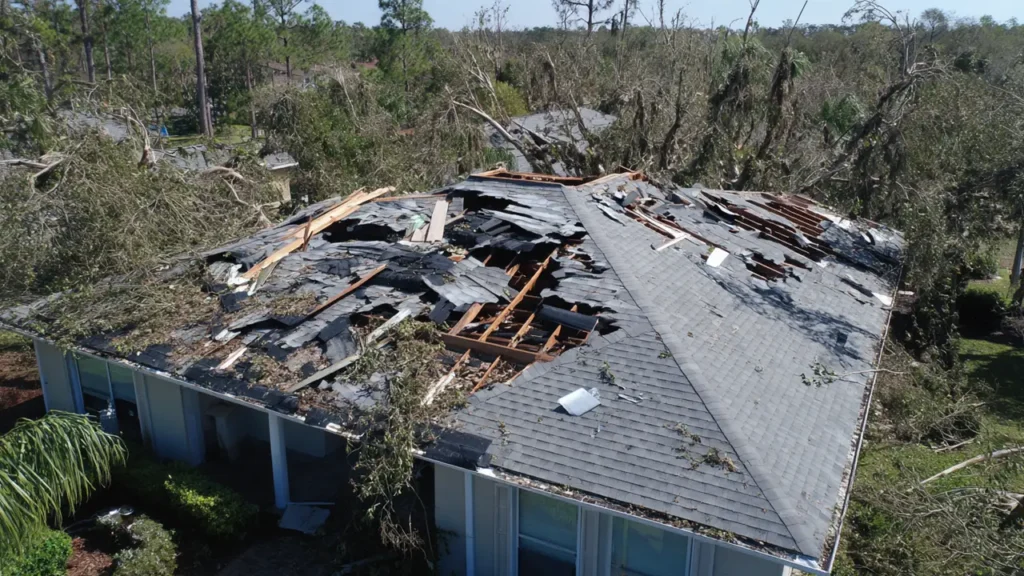
Severe weather can inflict various forms of roof damage, particularly in Florida’s summer storms. Missing shingles often lead to granule loss, exposing the underlying roofing materials to further degradation and potential leaks. Water intrusion may become evident through attic wetness or unsightly water stains on ceilings. Structural weaknesses, such as sagging or warped roof decking, require prompt attention. Identifying these signs early can prevent trivial issues from escalating into costly repairs, ensuring the longevity of your roofing system amidst Florida’s climate.
Identifying Shingle Issues and Granule Loss
Roof shingles play a crucial role in maintaining the integrity of your roofing system, especially in Florida’s climate. After summer storms, conduct a visual inspection for missing shingles and signs of granule loss. This deterioration often leads to water intrusion and exposes the roof deck to further damage. Regularly checking the condition of your shingles ensures early identification of minor issues before they escalate into costly repairs. Keeping an eye on these elements is vital for preserving your roof’s energy efficiency and durability.
Recognizing Leaks, Water Stains, and Hidden Moisture
Detecting leaks and water stains is crucial for maintaining the integrity of your roofing system. Be vigilant for watermarks on ceilings or walls, as these may signal hidden moisture or leaks originating from the roof deck. During a thorough inspection, pay attention to areas near roof valleys and structural weaknesses. Small leaks can rapidly escalate, leading to severe water intrusion and costly repairs. Should you spot any signs of damage, it’s wise to consult a licensed roofing contractor for a professional inspection.
Spotting Damaged Flashing, Gutters, and Metal Components
Identifying compromised flashing, gutters, and metal components is crucial for maintaining structural integrity. Signs of damage often manifest as rust, gaps, or misalignment, which can trap moisture and lead to further issues, such as mold growth or water intrusion. During a thorough inspection, pay close attention to flashing around roof valleys and chimneys, as these areas are particularly vulnerable to leaking. Expediting repairs on these metal components ensures your roofing system remains intact and serves as a reliable barrier against Florida’s climate.
Step-by-Step Roof Damage Checklist
After a storm, a systematic roof inspection can help you identify any signs of damage quickly and efficiently. Start with a simple visual inspection from the ground to check for obvious issues. This initial sweep can tell you a lot about your roof’s condition and whether a professional inspection is needed.
A thorough inspection covers your home’s exterior, interior, and structural elements. Following a clear checklist ensures you don’t miss any visible damage that could lead to bigger problems. The next sections will break down what to look for in each area of your home.
Exterior Signs—Missing Shingles and Debris
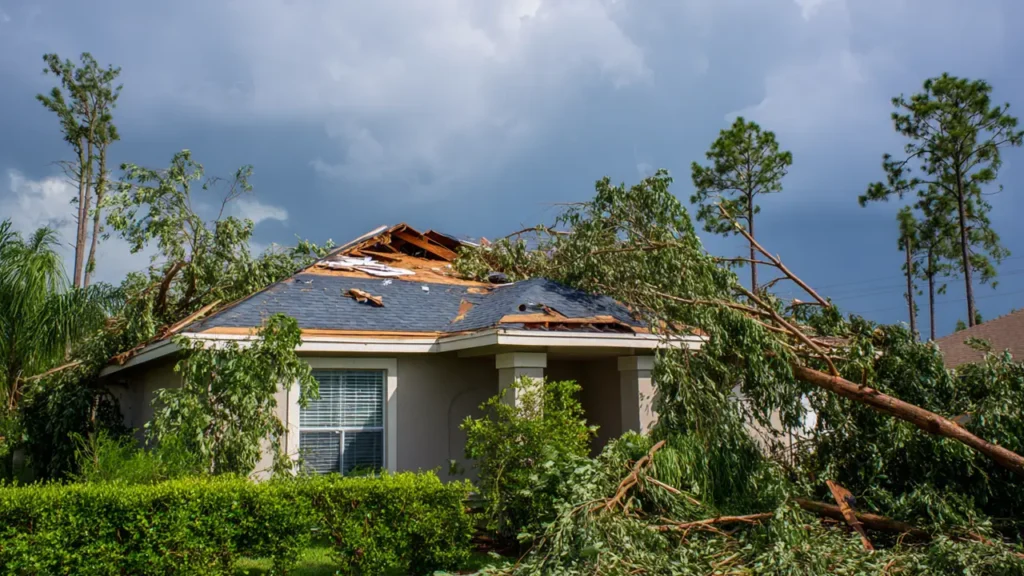
Examining the exterior of your roof post-storm is crucial for identifying signs of damage. Missing shingles, particularly asphalt ones, can lead to significant water intrusion, increasing the risk of mold growth and structural issues. Additionally, dents from hail or fallen tree branches can compromise the integrity of roofing materials. Debris accumulation, like leaves and twigs, can trap moisture, creating conditions for mildew. A thorough visual inspection allows homeowners to catch small issues before they escalate into costly repairs.
Interior Signs—Attic Wetness and Ceiling Watermarks
Signs of roof damage often manifest within the interior of your home, making it crucial to pay attention to areas like the attic and ceilings. Look for wetness or discoloration in your attic, as trapped moisture can lead to structural weaknesses and mold growth. Ceiling watermarks indicate potential leaks or water intrusion, commonly arising after summer storms or heavy rains. Address these visual signs promptly to prevent further damage and costly repairs to your roofing system and home.
Structural Concerns—Sagging or Degradation
Identifying structural issues, such as sagging, warping, or degradation, is crucial following intense weather events. These signs often indicate potential weaknesses in the roofing system, which could lead to significant damage if not addressed promptly. A thorough visual inspection should include checking the roof decking and valleys for any irregularities. Given Florida’s climate, where heavy rains and high humidity can exacerbate these problems, timely intervention can maintain energy efficiency and prevent further damage, offering peace of mind to homeowners.
Deciding Between DIY and Professional Roof Repair
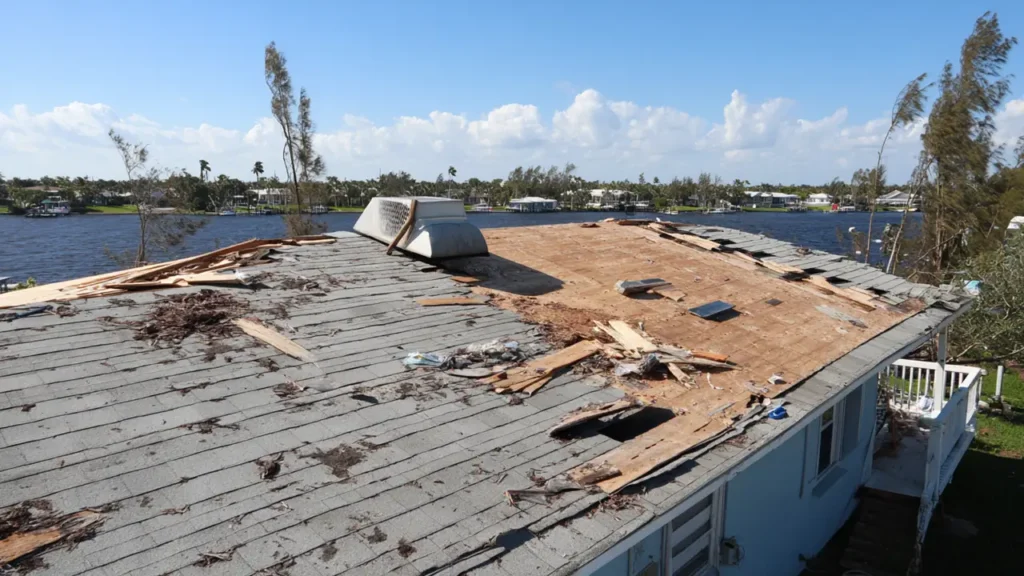
After assessing storm damage, you might wonder if you can handle the roof repair yourself. While minor fixes may seem manageable, improper repairs can lead to further damage and more expensive problems. Attempting complex work without experience can also be incredibly dangerous.
Hiring a professional roofing contractor is almost always the safer and more effective option. A professional ensures the job is done right, preventing future leaks and structural issues. In cases of widespread damage, a roof replacement may be necessary, which should only be handled by certified experts.
When Immediate Professional Assistance Is Needed
It’s crucial to recognize signs indicating that immediate professional assistance is necessary for roof repairs. Missing shingles, water intrusion, or extensive granule loss often signal underlying structural weaknesses that require a licensed roofing contractor’s expertise. A thorough inspection by a professional can prevent minor damage from escalating into costly repairs, offering peace of mind. Moreover, in a climate prone to tropical storms and high humidity, timely interventions can significantly enhance the longevity and energy efficiency of your roofing system.
Benefits of Working with GreenTek Roofing & Solar
When your roof needs repairs, trust a local expert. GreenTek Roofing & Solar is a family-owned company proudly serving Fish Hawk, FL. As a GAF Master Elite Certified Contractor and GAF President’s Club Member, we deliver top-quality work you can rely on.
Our team stays current with ongoing training under our motto, “This is smart roofing.” We’re BBB A+ accredited and TAMKO Diamond Pro Certified, working with leading brands like GAF, TAMKO, and Novatik for superior results. Choosing us means your roof will be repaired correctly for lasting protection and improved energy efficiency—giving you peace of mind.
What Documentation to Gather for Insurance Claims
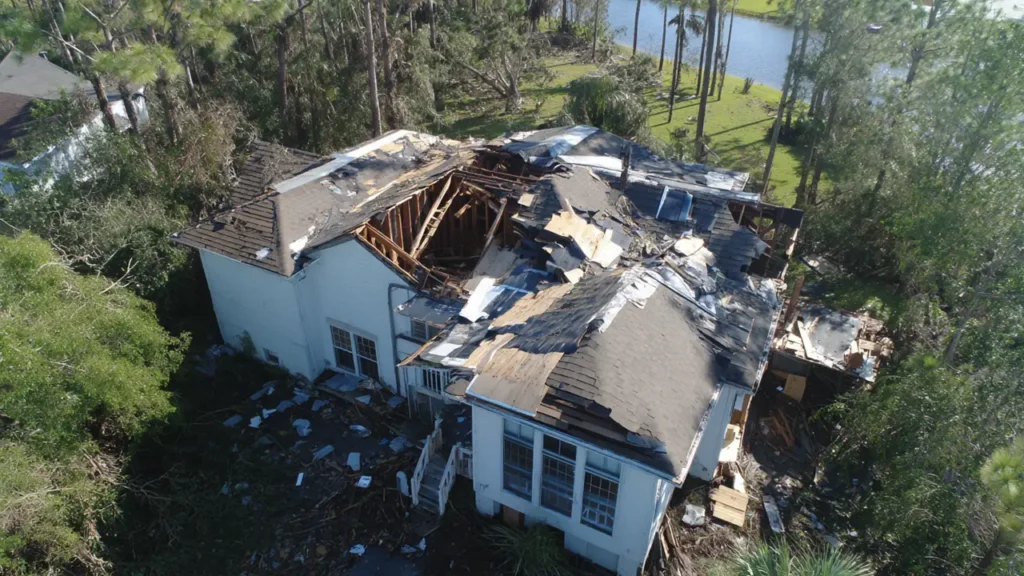
Gathering comprehensive documentation and clear photos is essential for a smooth insurance claims process. Start by capturing images of any visible damage, such as missing shingles, roof valleys, and water stains. Include photos of structural weaknesses within the attic, like wet spots or mold growth, as these can support your claim. Maintain records of repairs or contractor inspections, and document interactions with your insurance provider. This thorough approach not only aids in claiming necessary repairs but also helps solidify your peace of mind amidst roof storm damage.
Connect with Us
After summer storms in Fish Hawk, FL, a thorough roof inspection is essential. High winds and heavy rain can cause damage like missing shingles, leaks, or structural issues. Use our checklist and know when to call a professional to keep your home safe. Trust GreenTek Roofing & Solar—GAF Master Elite Certified and a top choice for quality roofing. Get your quote today!
Frequently Asked Questions
What paperwork is required for my roof insurance claim?
For insurance claims, you will need thorough documentation, including dated photos of the damage, a detailed description of the issues, and any repair estimates. A professional inspection report from a licensed contractor can also significantly help streamline the claims process with your insurance provider.
How long after a storm can you claim roof damage?
Most homeowner’s insurance policy guidelines require you to report roof damage promptly after a major storm. While the exact timeline varies, many insurance companies have a one-year deadline from the date of the storm. It is always best to start your insurance claims process immediately.
Step Into
The Future of Roofing
