
 (813) 333-1963
How to Spot Flashing vs. Field Shingle Leaks in Lutz Homes

Written By: GreenTek Roofing & Solar | 8 Min Read

Is there a mysterious water stain on your ceiling? A roof leak can be a major headache for any homeowner in Lutz, FL. At GreenTek Roofing & Solar, we understand that identifying the source of water intrusion is the first step to a proper fix. Your roofing system has two primary weak points: the flashing and the field shingles. Pinpointing which one is failing helps ensure the right repair is made, protecting your home from further damage. Our expert team is here to help you explore how you can tell the difference and provide solutions tailored to your needs.

Roof Leaks in Lutz, FL: Flashing vs. Field Shingles
Understanding the distinctions between flashing and field shingles is crucial for homeowners in Lutz, FL. Flashing, typically installed around roof penetrations such as vents and chimneys, often deteriorates due to exposure to harsh weather, leading to water infiltration. In contrast, field shingles cover the main roof area and may reveal signs of wear through granule loss and cracking. Regular inspections of both elements help identify vulnerabilities, preventing costly damage and ensuring your roofing system remains intact against seasonal storms and high humidity.
Why Lutz’s Climate Makes Roof Leaks Common
Lutz’s humid subtropical climate presents unique challenges for homeowners, contributing to frequent roof leaks. High humidity paired with heavy rain creates an environment conducive to water infiltration, especially in vulnerable areas of the roofing system. Seasonal storms and strong winds further exacerbate the risks, leading to physical damage such as missing shingles or compromised roof flashing. Regular inspections are essential to identify early signs of damage and ensure effective maintenance, ultimately protecting homes from costly water damage and structural issues.
Typical Leak Spots on Local Homes
Identifying typical leak spots is essential for Lutz homeowners. Common areas include roof valleys and around roof penetrations such as vents and chimneys, where water infiltration is most likely to occur. Pay attention to deteriorating flashing, particularly step flashing and counter flashing, as they can suffer from physical damage over time. Also, check for signs of wear on asphalt shingles and around eaves, where heavy rainfall and humidity can exacerbate issues. Regular inspections can prevent costly repairs from developing.
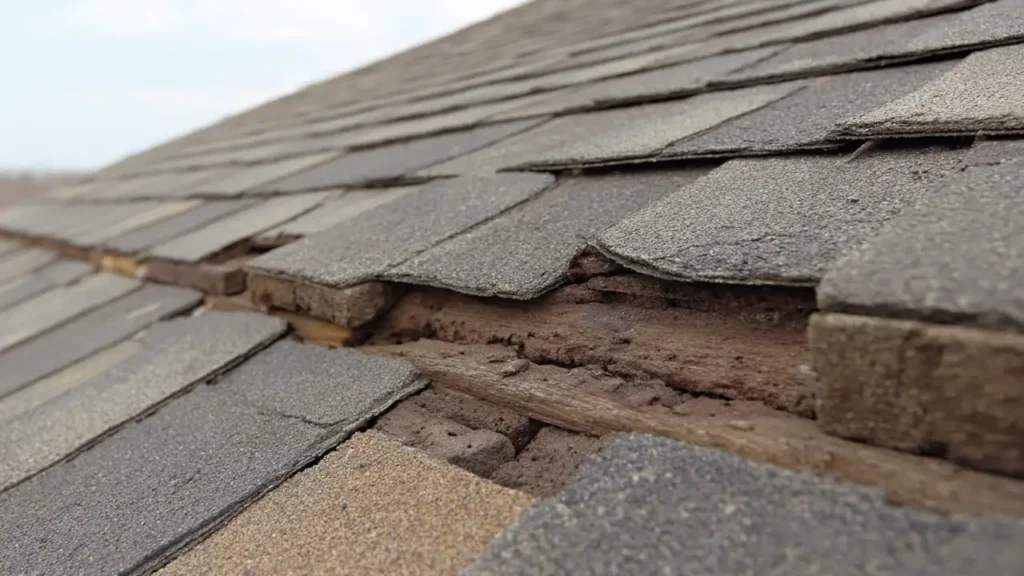
Understanding Roof Flashing and Its Leak Risks
Roof flashing is a thin layer of metal, typically steel or aluminum, installed to direct water away from critical areas of your roof. You will find it where the roof meets a vertical surface, like a wall or chimney. Different types, such as step flashing and counter flashing, work together to create a waterproof barrier.
However, if flashing is damaged or was subject to improper installation, it becomes a primary source of leak risks. These vulnerable areas can allow water to seep beneath your shingles and into your home’s structure. We’ll explore what flashing does, where it is located, and how to spot signs of failure.
What Flashing Does and Where It’s Found
Flashing serves as a protective barrier that directs water away from critical areas of your roofing system, including joints, vents, and chimneys. Typically made from durable materials, it seals roof penetrations and prevents water infiltration, which could lead to costly repairs and damage if neglected. Common flashings include step flashing alongside walls and counter flashing around chimneys. Regular inspections for signs of wear and physical damage are essential, especially in Lutz’s climate, where harsh weather may compromise the effectiveness of flashing.
Signs Your Flashing May Be Failing
Identifying the signs of failing flashing is critical to preventing costly repairs. Look for areas around roof penetrations where roofing cement may be cracking or has completely worn away. Inspect for visible signs of rust or corrosion on metal flashings, which indicate a breakdown of the protective layer. Water stains on walls or ceilings, especially after heavy rain, can signal water infiltration due to compromised flashing. Be vigilant for peeling paint or mold growth, as these symptoms often suggest underlying roof damage.
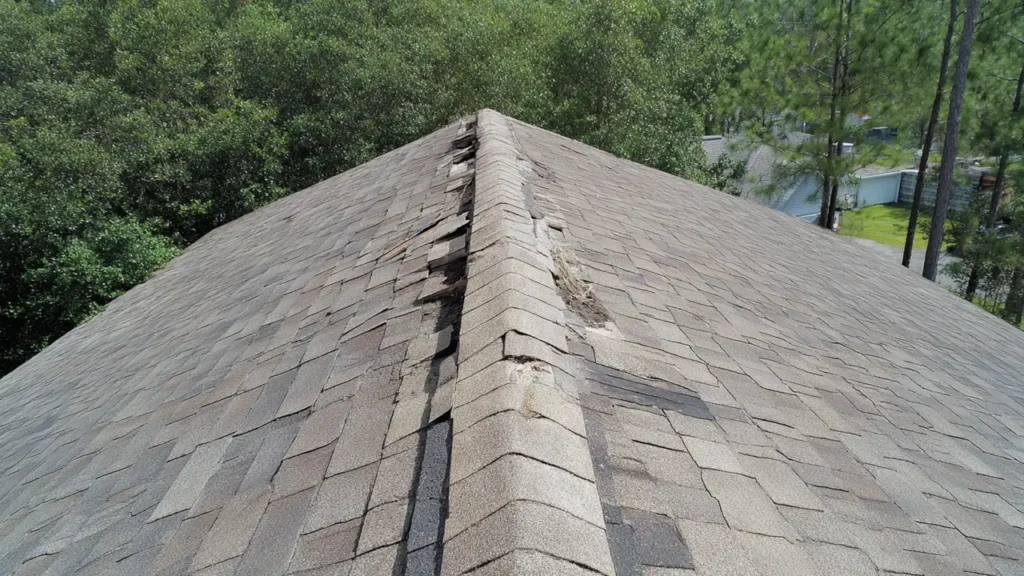
What Are Field Shingle Leaks?
Field shingle leaks occur in the main, open areas of your roof, away from edges, vents, or chimneys. These leaks happen when the shingles themselves are compromised. Unlike flashing leaks that are tied to specific joints, field shingle leaks mean the primary protective layer of your roof has failed.
When a shingle is cracked, missing, or worn out, water can get through to the underlayment and roof deck below. This type of water infiltration can be just as damaging as a flashing leak if not addressed. Understanding how these leaks start and what to look for is next.
How Field Shingle Leaks Develop
Understanding how leaks in field shingles develop is crucial for Lutz homeowners. Over time, asphalt shingles can deteriorate due to prolonged sun exposure and high humidity, leading to missing shingles or damaged granules. Such physical damage often allows water infiltration, particularly at the roof valleys and slopes where water flow is concentrated. Seasonal storms with strong winds can exacerbate these vulnerabilities, making regular inspections vital for catching early signs of leaks before they result in costly water damage or structural damage.
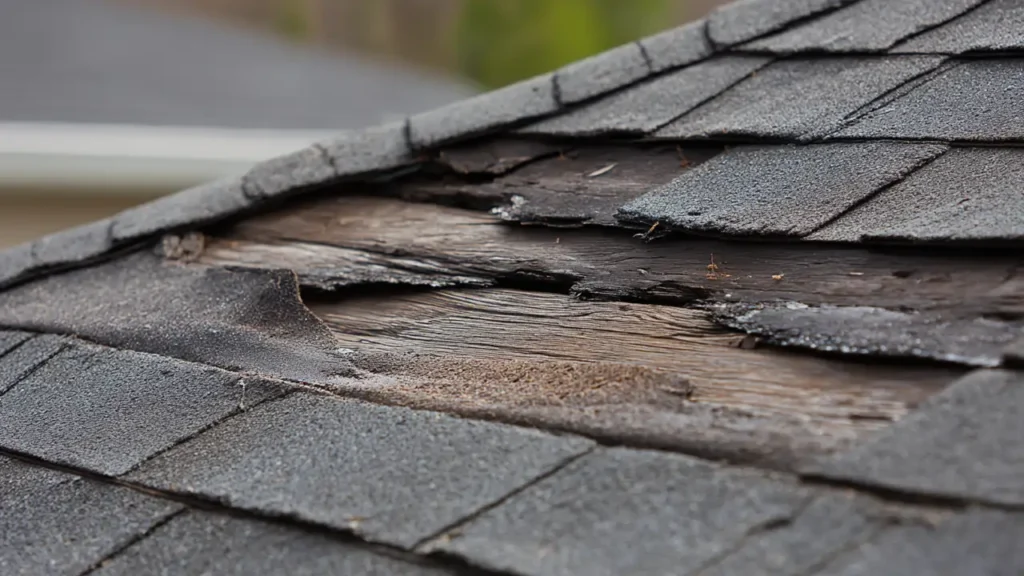
Common Indicators of Shingle Problems
Spotting shingle issues early prevents leaks. Many signs are visible from the ground, so you can check your roof without a ladder. Finding shingle granules in gutters or around your home signals wear. Inside, water stains on ceilings—especially in the middle of rooms—often indicate shingle problems. Mold or musty smells in the attic also suggest water is getting through the roof deck. Extensive damage may require a roof replacement.
Watch for these signs:
- Missing, cracked, or curled shingles
- Bald spots where granules are gone
- Shingles that look dark, wet, or dirty
Sagging roof deck

Telling Flashing and Shingle Leaks Apart
So, how do you determine if your roof leak is from the flashing or the shingles? The location of the leak is your biggest clue. A visual inspection of both the interior and exterior of your home can help you trace the source of the leak. Start by looking at where the water damage is appearing inside.
Water stains near a chimney, skylight, or where a wall meets the ceiling strongly suggest a flashing problem. Stains in the middle of a ceiling point toward a field shingle issue. Confirming your suspicion often requires a closer look at the roof itself. Let’s examine the specific visual clues to look for.
Visual Clues Around Vents, Chimneys, and Roof Areas
Identifying visual clues is crucial in spotting potential roof leaks around vents and chimneys. Look for missing shingles or damaged flashing, as these are common areas where water infiltration occurs. Discoloration, such as peeling paint or water stains on the interior ceilings, can signal hidden moisture campaigns beneath your roofing materials. Additionally, inspect roof joints and valleys for improper installation, which may lead to costly repairs if not addressed promptly. Regular checks can prevent further damage and ensure your roofing system remains intact.
Interior vs. Exterior Warning Signs
Roof leak signs can appear both inside and outside your home. Interior signs—like water stains, peeling paint, and mold—signal that water has already infiltrated your living space. Exterior signs, such as missing shingles, rusted flashing, or shingle granules in gutters, can alert you to problems before they cause interior damage. Spotting these early helps prevent structural issues.
Common signs to compare:
- Interior: Water stains, musty odors, visible mold, sagging or bubbling drywall.
- Exterior: Missing/damaged shingles, corroded flashing, shingle granules in gutters.
Get Quotes Today
In conclusion, spotting flashing versus field shingle leaks in your Lutz home is crucial for maintaining the integrity of your roof. Given Lutz’s unique climate, homeowners should be proactive in identifying potential leak sources to avoid costly repairs down the line. By understanding the signs of both flashing and shingle leaks, you can take the necessary steps to ensure your roof remains in top condition. If you suspect a leak or need expert assistance, don’t hesitate to reach out to us at GreenTek Roofing & Solar. Get quotes today to secure the safety and longevity of your home.
Frequently Asked Questions
Can I repair minor roof leaks myself or should I hire a pro?
While DIY kits are available, a mistake can lead to further damage. For a lasting solution, it is best to hire a professional roofer. A roofing contractor like GreenTek Roofing & Solar has the expertise to ensure the roof leak is fixed correctly the first time.
What are the earliest warning signs for flashing leaks?
The earliest signs are often subtle. Look for rust or small cracks on the flashing itself. Inside, you might see minor water stains or peeling paint near chimneys, vents, or skylights. Regular checks of these areas can help you catch problems early.
Read our blog: Moisture in the Attic in Lutz: How Tiny Roof Leaks Turn Into Mold Issues

Step Into
The Future of Roofing
