
 (813) 333-1963
Optimizing Roof Vent Placement for Balanced Attic Airflow in Wesley Chapel, FL

Written By: GreenTek Roofing & Solar | 9 Min Read

In Wesley Chapel, FL, managing the heat and humidity inside your home is a year-round challenge. A key part of this is proper roof ventilation and maintaining the integrity of your roof structure. Without balanced attic airflow, your attic space can trap extreme heat and moisture, leading to costly damage and high energy bills. At GreenTek Roofing & Solar, we understand the unique demands of Florida’s climate and how to create a healthy, efficient home starting from the top.

Why Balanced Attic Airflow Matters in Wesley Chapel, FL
Balanced attic airflow is crucial for your home’s health and your wallet. When hot air gets trapped in your attic, it radiates down into your living spaces, forcing your AC to work overtime and driving up energy costs. This intense heat can also damage your roofing materials from the inside out, shortening their lifespan significantly.
Proper airflow from a well-planned attic ventilation system pushes this damaging heat buildup and moisture out. This simple process not only keeps your home more comfortable but also prevents serious issues like mold and structural decay. Next, we will explore how Florida’s climate specifically impacts your attic and the ways balanced ventilation protects your home.
Impact of Florida’s Climate on Attic Ventilation
Florida’s humid climate poses unique challenges for homes. Attic temperatures can exceed 140°F in summer due to excessive heat, and constant humidity creates a harsh environment year-round. Effective ventilation isn’t optional—it’s essential to protect your home. In Wesley Chapel, FL, attic ventilation is necessary all year. Summer brings extreme heat, but humidity remains a threat even during cooler months. A balanced system keeps air moving, preventing moisture buildup and keeping your attic dry and safe.
Without proper ventilation, your attic traps heat and moisture, leading to problems that compromise your roof and home. You need a system tailored to Florida’s climate to ensure lasting protection.
Protecting Homes from Heat and Moisture Damage
Unchecked heat and moisture can seriously damage your home. When hot, humid air gets trapped, cooler air cannot flow in, leading to hidden issues such as musty odors or higher energy bills. Preventing buildup in your attic is key to protection. Poor ventilation leads to costly problems like mold growth and wood rot, which threaten your roof’s structure and can result in costly structural damage to your family’s health.
Excess heat and moisture cause:
- Mold and mildew on wood
- Wood rot in rafters and roof decking
- Premature failure of roofing materials
Main Types of Roof Vents for Florida Homes
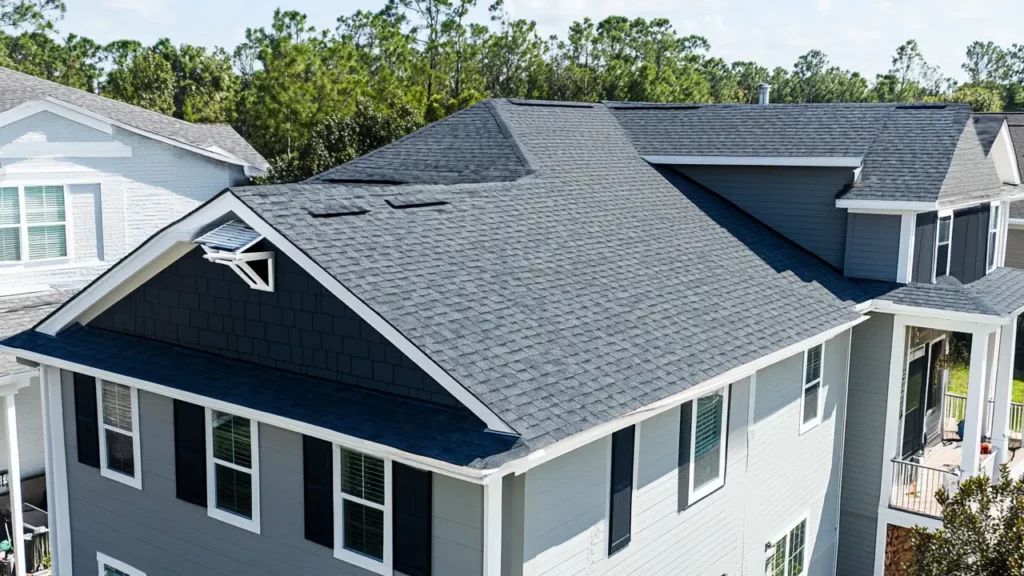
Choosing the right types of vents is crucial for creating an effective ventilation system in Florida homes. Roof vents are generally categorized into two groups: intake vents, which allow cool, fresh air to enter the attic, and exhaust vents, which let hot, moist air escape. A successful system requires a balance of both to create continuous airflow.
At GreenTek Roofing & Solar, we work with top-quality products from GAF and TAMKO to ensure your ventilation system is durable and effective. The specific vents you need will depend on your roof’s design and your home’s unique requirements and the unique benefits they provide. Let’s look at some of the most common options and how they work together to protect your home.
Ridge and Soffit Vents: The Balanced Solution
For most homes in Wesley Chapel, the combination of ridge and soffit vents offers the most balanced and efficient solution for proper roof ventilation. Soffit vents are installed under the eaves of your roof, serving as the intake ventilation point. They draw in cooler, fresh air from outside. This is the first step in creating a natural airflow cycle.
As cool air enters through the soffits, it travels up through the attic, pushing warm, moist air upward. Ridge vents, installed along the peak of the roof, act as the exhaust ventilation. They allow the hot air to escape, completing the cycle. This continuous movement prevents heat and moisture from becoming trapped, providing a highly effective passive ventilation system.
This balanced approach ensures constant air circulation without needing electricity. Here is how they compare:
| Vent Type | Function | Placement |
|---|---|---|
| Soffit Vents | Intake | Under the roof eaves |
| Ridge Vents | Exhaust | Along the roof’s peak |
Gable and Static Vents Explained
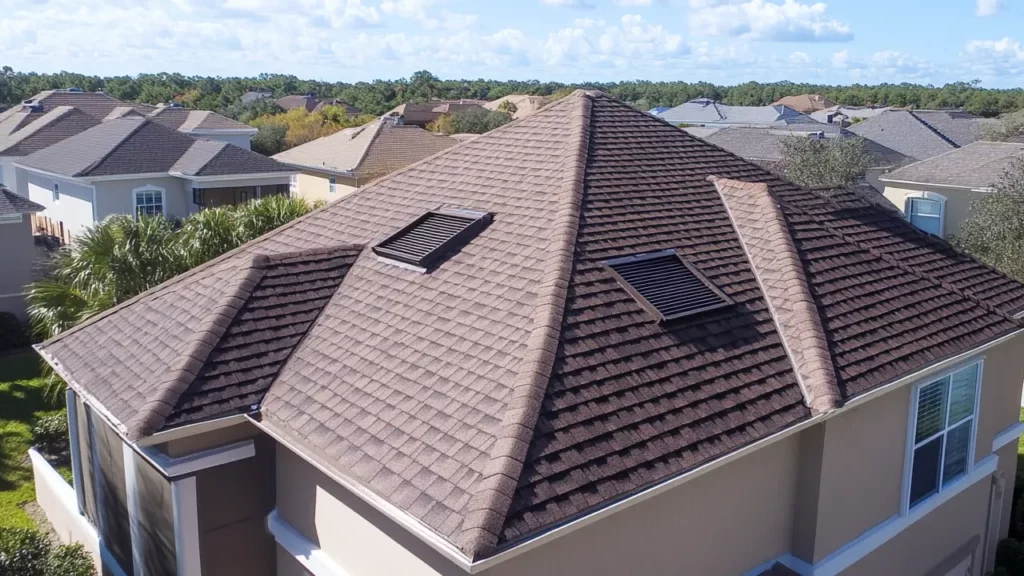
While ridge and soffit vents suit most homes, gable and static vents address specific needs. Gable vents, installed at the ends of a gable roof, create horizontal airflow but may disrupt the upward flow from soffit and ridge systems. Static vents (box vents), placed near the roof’s ridge, let hot air escape through convection. They’re less efficient than ridge vents but work well on complex roofs where ridge vents aren’t feasible.
Key points:
- Gable vents provide side-to-side airflow.
- Static vents offer localized exhaust.
- Both are best for unique roof designs or requirements.
Choosing the Best Roof Vent Placement
The effectiveness of your attic ventilation system depends heavily on correct roof vent placement. Even with the right vents, improper installation can disrupt airflow and leave your attic vulnerable to heat and moisture. Strategic placement ensures that every part of your attic is properly ventilated, creating balanced and continuous air movement throughout the space.
As a GAF Master Elite Certified Contractor and TAMKO Diamond Pro Certified Contractor, our team has the expertise to design a system tailored to your home. We consider your roof’s unique structure and local building codes to determine the optimal placement. The following sections will guide you through how roof design and local regulations influence these decisions.
How Roof Design Affects Vent Placement
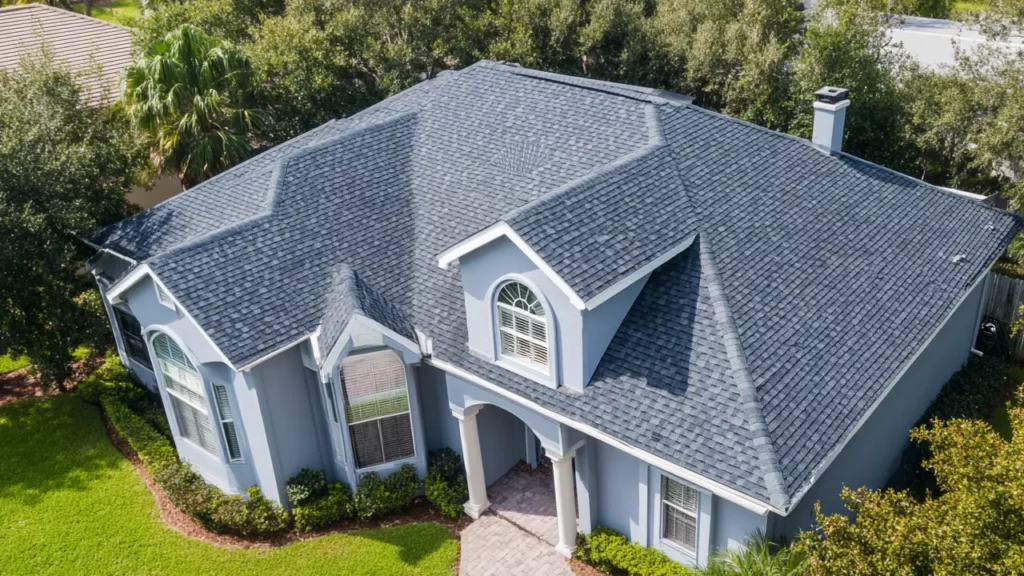
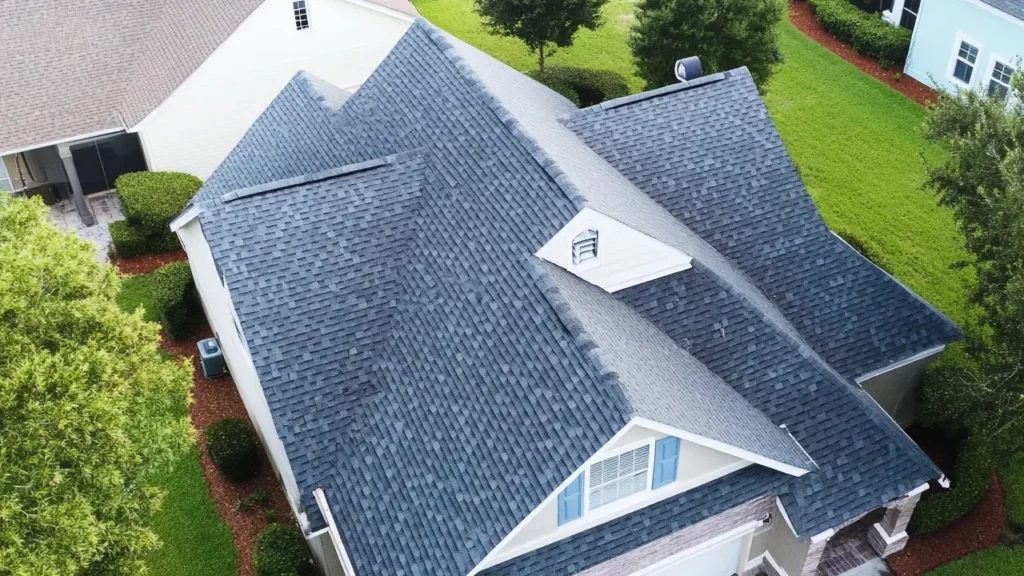
Your roof’s design greatly affects vent placement. Simple gable roofs work well with standard ridge and soffit vents, while complex roofs with multiple peaks or low slopes need a customized ventilation plan for proper airflow. Roofing material also matters. For example, Novatik Stone Coated Metal roofs require different ventilation than asphalt shingles. Our team tailors ventilation solutions to your roof type, ensuring a balanced system.
We consider:
- Roof pitch and slope
- Hips, valleys, or dormers
- Attic size
Meeting Wesley Chapel Building Codes
Following local building codes is essential for any roofing project, especially when installing a ventilation system. The Florida Building Code sets specific attic ventilation requirements to ensure safety and energy efficiency, based on attic size. Typically, for every 150 square feet of attic area, you should have at least one square foot of net free ventilation, with intake and exhaust vents providing an equal amount of that ventilation.
As a BBB-accredited A+ business, GreenTek Roofing & Solar ensures every installation meets or exceeds these standards.
Key code considerations:
- Total ventilation per square foot of attic space
- Balanced intake and exhaust vent ratio
- Secure vent installation techniques
Common Mistakes With Roof Vent Placement
Many common mistakes with roof vent placement can undermine the effectiveness of an attic ventilation system. One of the biggest errors is creating an imbalance between intake and exhaust vents. Having too much exhaust without enough intake can create negative pressure, which may pull conditioned air from your home into the attic, wasting energy.
Another frequent issue is mixing different types of exhaust vents, such as ridge vents and gable vents. This can disrupt the natural flow of air, causing it to short-circuit and leave large areas of the attic without proper ventilation. Understanding these potential pitfalls is the first step to avoiding them.
Problems from Unbalanced Ventilation
Unbalanced ventilation causes more issues than it solves. Poor attic airflow leads to pockets of stagnant air, resulting in intense heat, faster roof aging, and higher cooling costs. Often, damage is not noticeable until it’s severe. An imbalanced system also fails to remove moist air efficiently. Trapped moisture condenses on cool surfaces, promoting mold growth and wood rot. Over time, this threatens your home’s structure and indoor air quality—especially problematic in Florida’s humid climate.
Consequences include:
- Hot spots that damage shingles
- Higher risk of mold and mildew
- Ineffective removal of humid air
How to Avoid Improper Vent Locations
The best way to ensure proper vent placement is to work with an experienced team that understands ventilation science. A professional assessment will determine the ideal system for your home’s design and needs, ensuring attic vents are placed for optimal performance.
GreenTek Roofing & Solar’s expert team provides professional installation to guarantee your system is balanced and effective. As a GAF 2-star President’s Club Member, we deliver the highest standards of quality and expertise, staying updated on best practices in “smart roofing.”
To ensure proper vent placement, we:
- Calculate the exact ventilation needed for your attic.
- Choose the right mix of intake and exhaust vents.
- Strategically place vents for complete attic coverage.
- Avoid mixing incompatible vent types.
Conclusion
In summary, optimizing roof vent placement is crucial for maintaining balanced attic airflow in Wesley Chapel, FL. With the unique challenges posed by Florida’s climate, ensuring proper ventilation can protect your home from heat and moisture damage. By understanding the types of vents available and making informed placement decisions, you can significantly enhance your home’s energy efficiency and longevity. As a family-owned and operated company, GreenTek Roofing & Solar is dedicated to providing expert solutions tailored to your needs. If you’re ready to improve your attic ventilation, get quotes from us today.
Frequently Asked Questions
How can I tell if my attic ventilation is balanced?
You can tell if your attic ventilation is balanced by checking for consistent temperatures throughout the attic and looking for an equal amount of intake and exhaust vents. Signs of imbalance include hot spots, moisture, or musty smells. A professional inspection can confirm if you have proper airflow.
What is the building code for attic ventilation in Florida?
The Florida Building Code specifies that 1 square foot of net free ventilation space is generally required for every 150 square feet of attic floor area, and to ensure balanced airflow in homes throughout Florida, this ventilation must be equally split between intake and exhaust vents.
Read our blog: Wesley Chapel, FL Secondary Water Barrier Systems for Storm-Prone Areas

Step Into
The Future of Roofing
