
 (813) 333-1963
The Lutz Homeowner’s Guide to Roof Ventilation: Intake/Exhaust Ratios Made Simple

Written By: GreenTek Roofing & Solar | 6 Min Read

Welcome to the ultimate guide for Lutz, FL homeowners on roof ventilation. Proper attic ventilation is more than just a building requirement; it is a key factor in maintaining your home’s energy efficiency and protecting your roof from Florida’s heat and humidity. At GreenTek Roofing & Solar, we believe “this is smart roofing,” and understanding your ventilation system is a smart step toward a healthier home. Let’s simplify these concepts for you.

Basics of Roof Intake and Exhaust Ventilation
Understanding the dynamics of roof ventilation hinges on the interplay between intake and exhaust systems. Intake vents, such as soffit vents, draw in cooler air, while exhaust vents, like ridge vents, facilitate the escape of warm air, creating a balanced ventilation system essential for maintaining optimal attic temperature. A proper ratio is critical to prevent issues like moisture buildup and heat accumulation, leading to energy inefficiency and potential damage to roofing materials. Ensuring the right balance supports airflow and enhances energy efficiency, keeping energy bills in check.
Differences Between Intake and Exhaust Vents
Intake and exhaust vents serve distinct functions within an attic ventilation system. Intake vents, often positioned along the eaves or soffit, facilitate the entry of fresh, cool air, which is essential for maintaining proper airflow and preventing heat buildup. In contrast, exhaust vents, typically located at higher points like the ridge, expel warm, moist air generated from everyday activities. A balanced system relies on the harmonious interaction of both types, ensuring energy efficiency and minimizing issues like ice damming and moisture buildup.
Achieving Balance for Maximum Efficiency
A balanced ventilation system ensures that the airflow within your attic promotes maximum energy efficiency. Evaluating the square footage of attic floor space helps determine the appropriate intake and exhaust vent configuration. A rule of thumb is to maintain a ratio of 1:150 or 1:300, depending on regional building codes. Proper airflow mitigates moisture buildup, which can lead to costly roof damage over time. Consider consulting a roofing contractor to achieve the best products for your specific attic area.
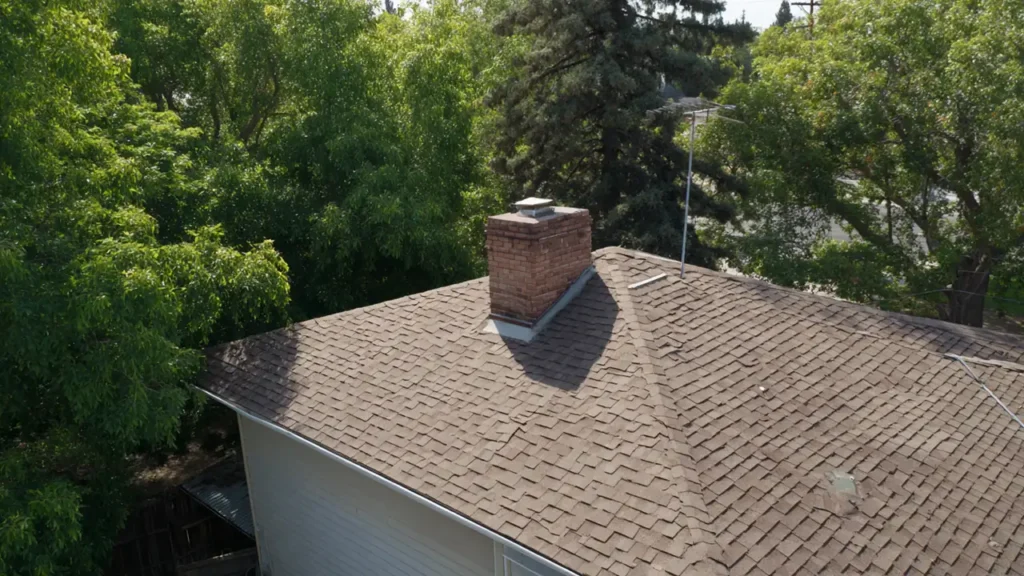
How to Calculate the Right Intake/Exhaust Ratio
Proper calculation of the intake/exhaust ratio is essential for maintaining a balanced ventilation system in your attic. Begin by assessing the square footage of attic floor space, using the rule of thumb that suggests 1 square foot of net free ventilation for every 150 square feet of attic area. Consider the climate—more ventilation may be needed in humid areas to prevent moisture buildup. For optimal air circulation, ensure the intake ventilation is ideally balanced with exhaust vents to promote efficient airflow throughout the attic space.
Understanding 1:150 and 1:300 Ventilation Ratios
Ventilation ratios such as 1:150 and 1:300 play a vital role in proper attic ventilation. These ratios represent the ideal amount of square foot of net free ventilation for every square foot of attic floor space. For example, a 1:150 ratio means one square foot of ventilation for every 150 square feet of attic area, ensuring sufficient airflow to prevent issues like moisture buildup and heat accumulation. Choosing the right ratio depends on various factors, including local building codes and the overall design of your attic ventilation system.
Simple Steps for Measuring and Calculating Needs
Determining the appropriate ventilation requires a few straightforward steps. First, measure the square footage of your attic floor space to establish the foundation for your calculations. Next, abide by the common rule of thumb; for every 300 square feet of attic space, aim for at least one square foot of net free ventilation area. This balance between intake and exhaust ventilation ensures proper airflow, limiting moisture buildup and enhancing energy efficiency. Calculating these figures gives you a clearer picture of your attic’s ventilation needs.
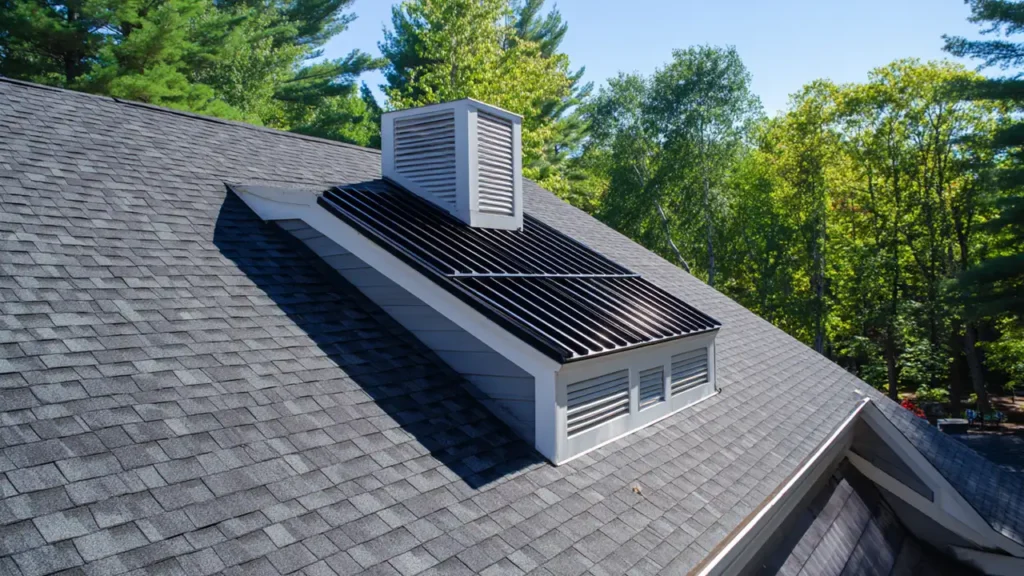
Common Roof Vents Used in Lutz Homes
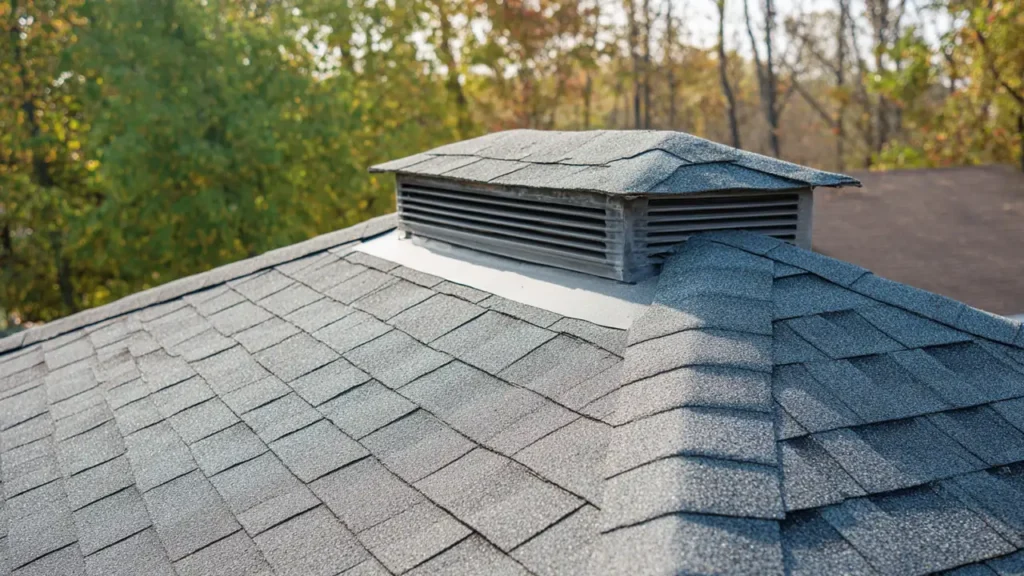
A variety of roof vents can be found in Lutz homes, each contributing to effective attic ventilation. Soffit vents positioned along the eaves provide critical intake airflow, facilitating the movement of cool air into the attic space. Complementing these, ridge vents installed at the peak of the roof function as exhaust vents, allowing warm, moist air to escape. Additionally, gable and box vents enhance airflow when combined strategically, ensuring a balanced ventilation system that adheres to local building codes and maximizes energy efficiency.
Types of Vents and How They Work Together
Various types of vents play a crucial role in creating a balanced ventilation system in the attic. Intake vents, such as soffit and gable vents, allow cool air to enter, replacing warmer air. Conversely, exhaust vents, like ridge vents and roof vents, facilitate the escape of hot air, effectively reducing heat buildup. Together, they ensure the proper airflow necessary to prevent moisture buildup and improve energy efficiency. Understanding these functions aids homeowners in selecting the best products for their specific attic dimensions.
Choosing the Best Vent System
Choosing the right vent system for your Lutz, FL home depends on roof design, attic size, and local codes. As GAF Master Elite and TAMKO Diamond Pro Certified Contractors, we use energy-efficient ventilation from trusted brands like GAF, TAMKO, and Novatik. Our ongoing training keeps us current with industry standards.
We guide you through every step, considering materials and Florida Building Code requirements. As a BBB A+ accredited business and GAF 2-star President’s Club Member, we provide roofing solutions tailored to your home.
Request a Quote
Proper roof ventilation and balanced intake/exhaust ratios are essential for a healthy home in Lutz, FL. Effective ventilation boosts energy efficiency, extends your roof’s lifespan, prevents moisture buildup, and improves air circulation. As a GAF Master Elite Certified Contractor, GreenTek Roofing & Solar helps you make informed roofing decisions. Ready to optimize your ventilation? Request a quote for our professional services today.
Frequently Asked Questions
Are there specific roof ventilation codes?
Yes, the Florida Building Code has specific requirements for attic ventilation to address our state’s humid climate. These building codes outline the minimum amount of roof ventilation needed, often referencing the 1:150 or 1:300 rules to ensure proper airflow and prevent moisture issues.
What is the 1:150 rule for attic ventilation?
The 1:150 rule for attic ventilation is a standard from building codes that requires one square foot of net free area for every 150 square feet of attic space. This rule helps ensure there is enough ventilation to effectively remove heat and moisture.
Read our blog: Lutz Asphalt Shingle Repair Guide: Matching Colors, Blends, and Tabs Without Looking Patchy

Step Into
The Future of Roofing
