
 (813) 333-1963
Thonotosassa, FL Roof Valley Engineering: Why Intersections Are the Most Leak-Prone Areas

Written By: GreenTek Roofing & Solar | 9 Min Read

Your home’s roofing system is its primary defense against the elements, but some areas are more vulnerable than others. Roof valleys, where different roof planes intersect, are critical for water drainage but are also the most common source of leaks. Understanding why these intersections are so susceptible to water damage and structural issues is the first step in protecting your Thonotosassa home. Proper engineering and maintenance of these areas are key to a long-lasting, leak-free roof.

Understanding Roof Valleys in Thonotosassa, FL
Roof valleys are essential to your roof’s design, yet often overlooked by homeowners. These channels efficiently direct rainwater away from the roof but can also trap water and debris due to their V-shape. The performance of roof valleys depends on quality materials and precise installation. In Thonotosassa, FL, where heavy rain is frequent, proper construction is crucial. We’ll explain what a roof valley is and review common designs.
What Is a Roof Valley and How Does It Function?
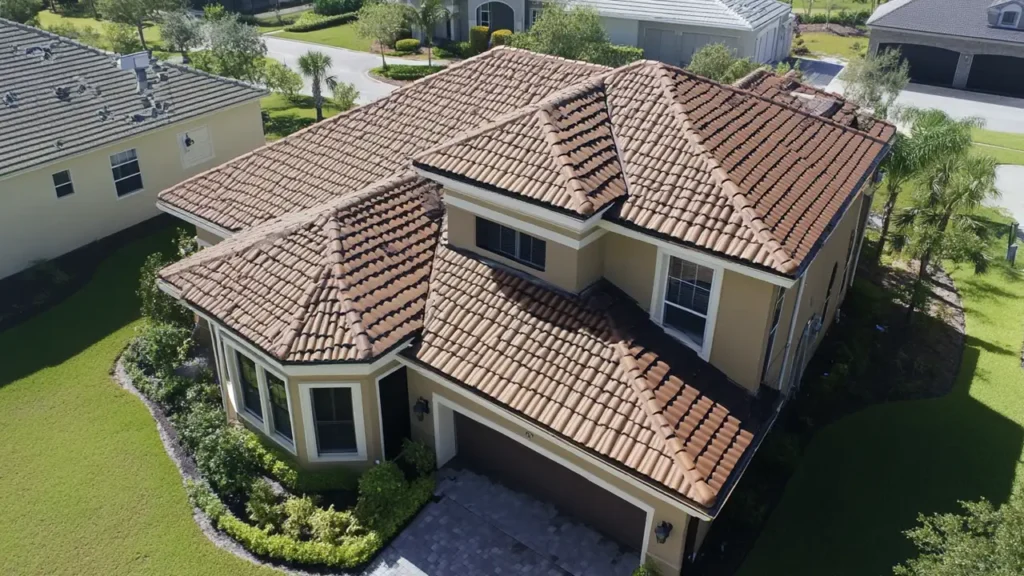
A roof valley is the V-shaped channel where two roof slopes meet, directing rainwater toward gutters and downspouts. This feature is vital for handling the large volume of water that collects during storms. Because they manage so much water, roof valleys are the most leak-prone areas on Thonotosassa, FL homes. Even small cracks or installation flaws can let water seep beneath roofing materials, risking leaks and structural damage, leading to issues that sometimes require a full roof replacement.
Properly functioning valleys are your first line of defense against moisture intrusion. A well-designed valley ensures efficient water runoff and protects your home from water damage.
Common Roof Valley Designs in Florida Homes
In Florida, roof valley designs must handle heavy rainfall. The design choice depends on roofing materials and aesthetics. Valleys are vulnerable because they channel water from two large roof sections into a narrow path, putting stress on materials.
Common designs include:
- Open Valleys: Feature exposed metal lining to channel water efficiently and reduce debris buildup.
- Closed Valleys: Use shingles cut and woven to cover the valley for a uniform appearance.
Proper installation is critical; mistakes can cause leaks and water damage to the roof deck.
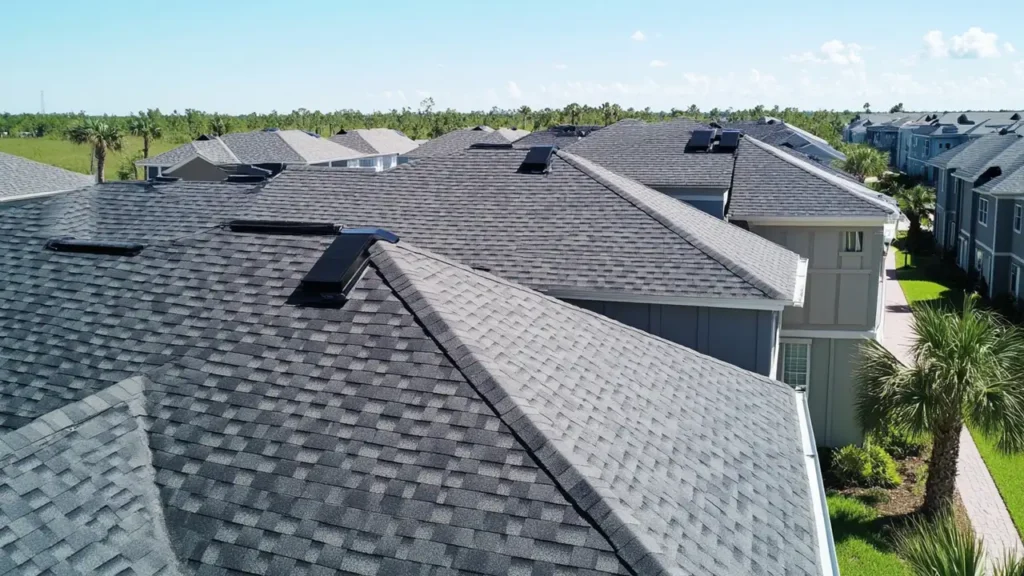
Why Intersections Are the Most Leak-Prone Roof Areas
Intersections in roofing systems are particularly vulnerable to leaks due to the convergence of multiple roof sections. This design often creates entry points for water intrusion, especially under severe weather conditions like heavy rain and strong winds. Additionally, the water flow dynamics at these junctions can lead to persistent leaks if not properly addressed. Property owners should prioritize regular inspections to detect vulnerabilities in their roof valleys, ensuring the integrity of the roof remains intact and minimizing the risk of costly repairs.
Water Flow Dynamics at Roof Valley Intersections
The intersection of roof valleys serves as critical channels for water flow, especially during heavy rain or storms. Properly engineered designs allow for efficient drainage, preventing water buildup that can lead to persistent leaks. In Thonotosassa, FL, specific site conditions, such as steep roof slopes and local weather patterns, can exacerbate issues at these junctions. Understanding the flow dynamics at these intersections is essential for property owners to maintain the integrity of the roof and mitigate potential water intrusion, thereby avoiding costly repairs.
Specific Vulnerabilities in the Thonotosassa, FL Climate
Thonotosassa, FL’s climate creates unique challenges for roof valleys. Intense sun, high winds, and heavy rain constantly stress roofing materials, especially at intersections. Older roofs are particularly prone to leaks as materials age.
Key vulnerabilities include:
- Debris buildup: Leaves and branches clog valleys, causing water to pool and seep under shingles.
- Material degradation: UV exposure makes roofing brittle and prone to cracking.
- High winds: Gusts can lift shingles or flashing, allowing water intrusion.
These conditions make roof valleys especially vulnerable. Proper installation and regular maintenance are essential to prevent leaks in this climate.
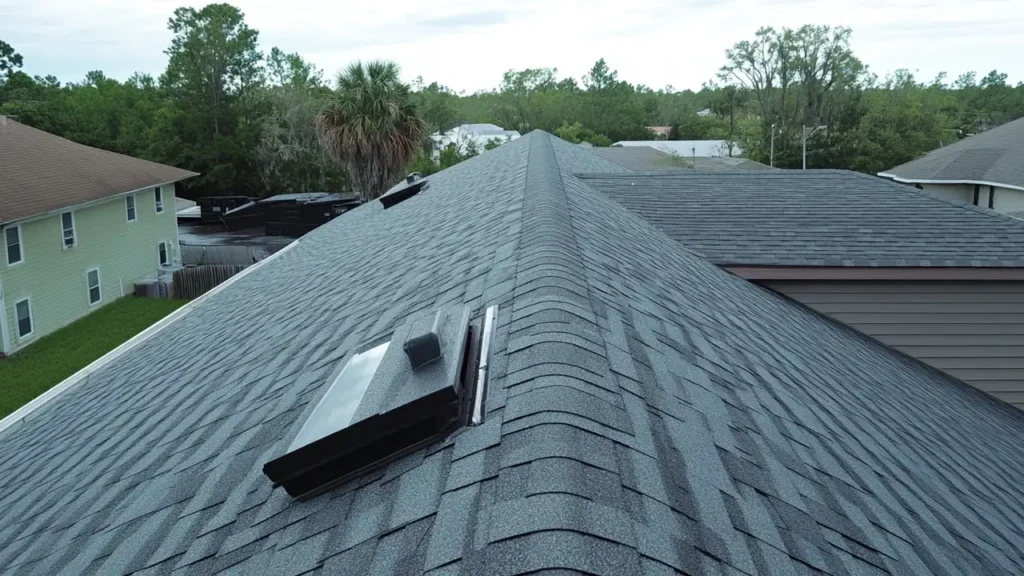
Key Elements of Effective Roof Valley Engineering
Preventing leaks in roof valleys starts with smart engineering and effective leak detection. It involves a combination of using the right roofing materials, precise installation, and a commitment to regular maintenance. A well-engineered valley is designed to withstand the pressures of heavy water flow and environmental stressors.
This proactive approach protects the underlying roof structure and prevents costly water damage, allowing us to assess the extent of the damage. Next, we will discuss the importance of quality materials and advanced installation methods, followed by how our award-winning team at GreenTek Roofing & Solar puts these principles into practice.
Quality Materials and Advanced Installation Techniques
Utilizing high-quality roofing materials significantly enhances the durability and integrity of your roofing system. Asphalt shingles, metal flashing, and other innovative products minimize the risk of water intrusion at vulnerable areas, particularly roof valleys. Advanced installation techniques ensure that each roof slope meets with precision, addressing specific needs of Thonotosassa’s climate. Properly executed installations reduce the likelihood of structural damage and persistent leaks, making regular inspections vital to maintaining your roof’s effectiveness against severe weather impacts and exterior roof repair related to interior water damage.
Our Award-Winning Approach
At GreenTek Roofing & Solar, we deliver smart roofing enhanced by ongoing training and top certifications. As a family-owned Thonotosassa company, we ensure excellence in every installation and repair, reflecting the scope of the project. To maintain your roof, trim trees and schedule regular cleanings to keep valleys clear.
As GAF Master Elite Certified and local contractors, we provide the best warranties and premium installations. Our GAF 2-Star President’s Club membership and TAMKO Diamond Pro Certification highlight our superior service and craftsmanship. Voted 2025 Best of the Bay Contractor, we are proud to be your roofer of choice. Our BBB Accredited A+ rating reflects our dedication to customer satisfaction and ethical practices.
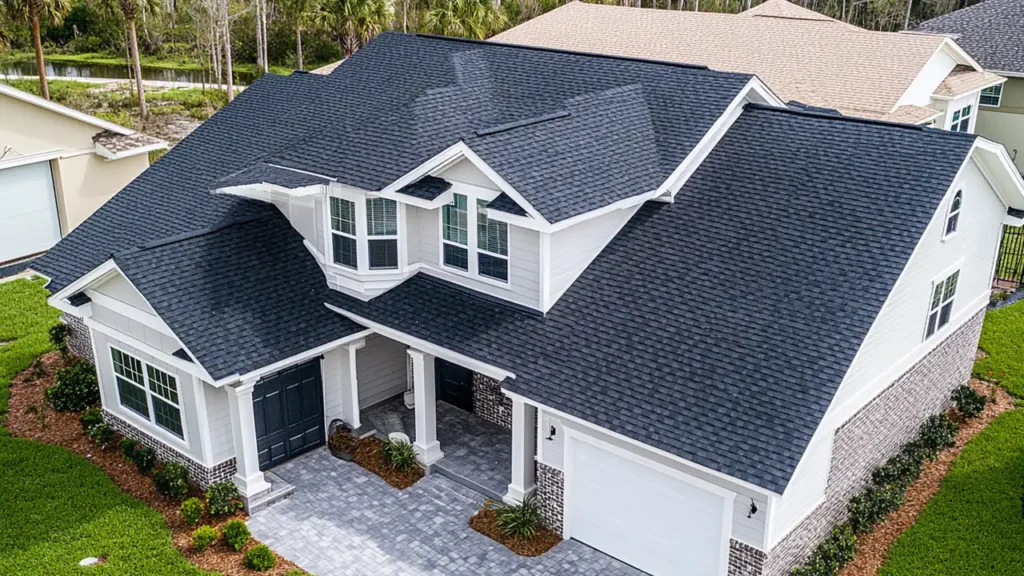
The Role of Flashing in Roof Valley Protection
Flashing is a thin layer of metal that serves as one of the most critical waterproofing components in your entire roofing system. In roof valleys, its role is to create a barrier that directs water away from the vulnerable intersection where roof planes meet, preventing water intrusion and ensuring effective storm damage repair.
Without properly installed flashing, your roof valleys are left exposed to the risk of a roof leak. Understanding what flashing is and the common problems associated with it can help you see why regular inspections are so important for this key protective element.
Flashing Basics and Its Importance
Flashing, usually made of galvanized steel or aluminum, is installed in roof valleys before shingles. It serves as the main waterproof barrier, directing water safely down the roof and protecting vulnerable seams from leaks.
Flashing is essential because it:
- Directs water into gutters
- Seals joints where roofing materials meet
- Prevents water from reaching the roof deck
Proper installation is vital—flashing must be correctly sized, overlapped, and sealed. Attention to these details ensures a durable, leak-free roof.
Flashing Problems Leading to Leaks
Flashing serves as a crucial barrier against water intrusion, yet it can be prone to common issues that lead to leaks. Improper installation often results in gaps or misalignment, allowing water to seep beneath roofing materials. Additionally, corrosion and deterioration are frequent with metal flashing, especially in Thonotosassa’s humid climate. Cracks in the flashing can create entry points for moisture, which, if left unaddressed, may escalate into costly repairs and structural damage, impacting the integrity of the entire roofing system.
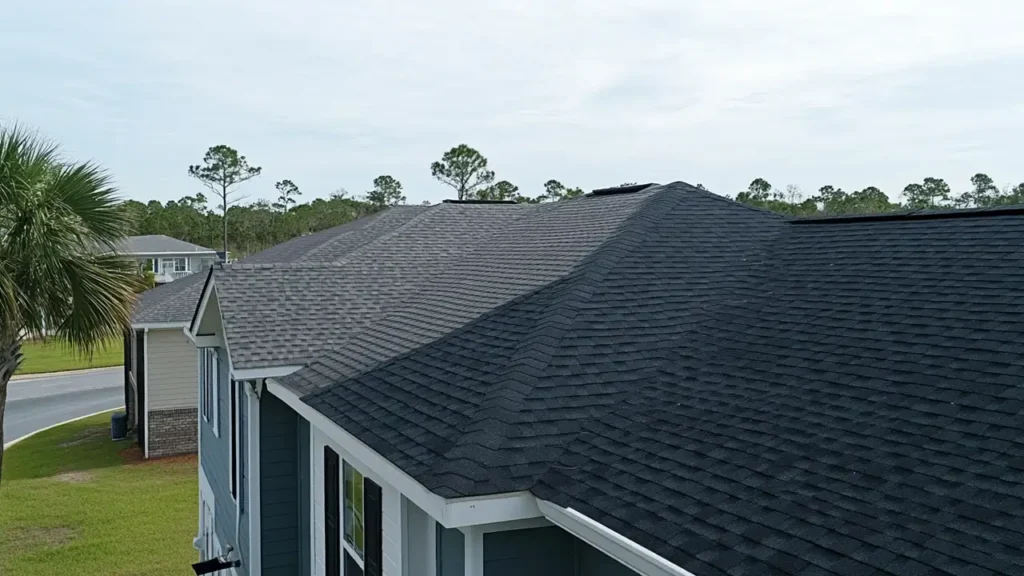
Signs Your Roof Valley May Be Leaking
Knowing what to look for can help you catch a roof valley leak before it causes major roof damage, potentially affecting your roof decking. Often, the first signs appear inside your home as subtle water stains on the ceiling or walls near where roof planes intersect. Ignoring these early warnings can lead to more severe water intrusion.
By being proactive and conducting your own visual checks, you can spot trouble early. We will cover the initial indicators of a leak and explain how professional regular inspections can help you avoid costly repairs by introducing you to local options for assistance.
Early Indicators of Roof Valley Leaks
Early roof valley leaks are often subtle. Indoors, you may see faint water stains or discolored patches on ceilings and walls that worsen after rain. Any moisture should be checked right away.
Outdoors, signs are more obvious, including:
- Curling, cracked, or missing shingles in roof valleys
- Mold growth or dark streaks
- Excess shingle granules in gutters
Detect leaks early to avoid serious damage. If you notice any of these signs, contact a professional for inspection.
How Inspections Prevent Costly Damage
Regular inspections are critical in maintaining the integrity of your roofing system, especially in areas prone to roof valley leaks. These assessments help identify minor issues before they escalate into persistent leaks or structural damage. By working with local service providers, property owners can ensure their roofs withstand the Thonotosassa climate, particularly during severe weather conditions. Investing detailed proposals outlining the scope of work in routine evaluations not only preserves your roofing materials but also minimizes the risk of costly repairs due to water intrusion or extensive damage.
Conclusion
In conclusion, understanding roof valley engineering is essential for Thonotosassa, FL homeowners. Our unique climate poses challenges, especially at roof intersections, making proper materials and installation crucial. Regular inspections and attention to leak signs help prevent costly damage. Ready to upgrade your roof? Get a quote today and let our experts provide top-quality solutions.
Frequently Asked Questions
Why are older roofs more prone to valley intersection leaks?
Older roofs are more prone to leaks because roofing materials degrade over time from sun and rain exposure. This wear and tear weakens seals in the roof valleys, making it easier for water to penetrate and cause a roof leak, water damage, or even structural damage.
What’s the biggest maintenance issue for roofs in Thonotosassa?
The biggest maintenance issue is debris accumulation in roof valleys. Leaves and twigs block water flow, causing it to pool and seep under shingles. This leads to roof damage and a need for repair services, especially after heavy storm damage, making regular maintenance crucial.
Read our blog: Drip Edge and Starter Strip: The Two Details That Prevent “Edge Lift” in High Winds

Step Into
The Future of Roofing
