
 (813) 333-1963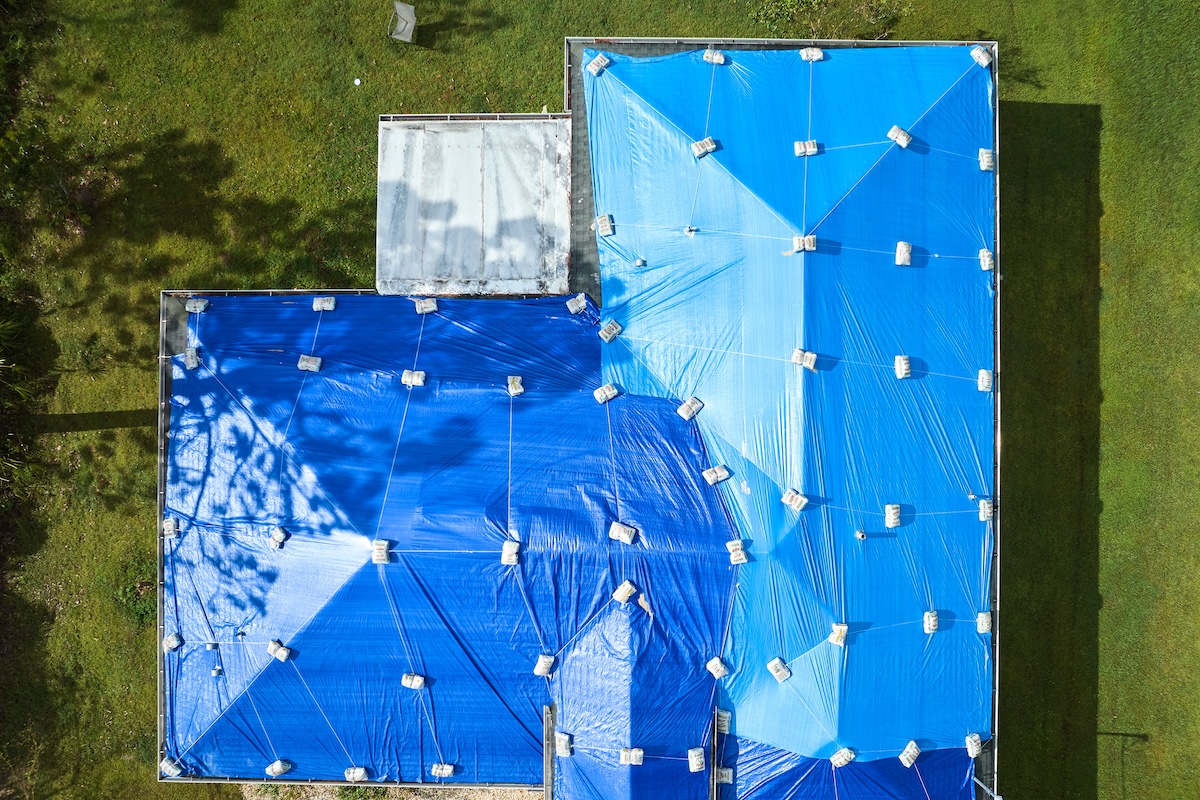
Emergency Roof Tarp: When Do You Need It?

Written By: GreenTek Roofing & Solar | 7 Min Read

When disaster strikes your home, having an emergency roof tarp ready can make all the difference. Whether it’s storm damage, persistent leaks, or other unexpected issues, tarping your roof can provide a temporary solution to protect your home from further harm. What you’ll learn in this guide:
- Why you might need an emergency roof tarp
- The signs to look for after roof damage
- Roof Tarping Concerns You Shouldn’t Ignore if you live in Florida
- How to install an emergency roof tarp
When Is Emergency Roof Tarping Needed?
Emergency roof tarping isn’t just for major storms or natural disasters. It’s a fast, flexible solution any time your roof is compromised and needs immediate protection. Whether the issue is a small leak, storm damage, or something more severe like a fallen tree, a tarp can shield your home from further harm while you plan for permanent repairs. Below are common situations where tarping is essential:
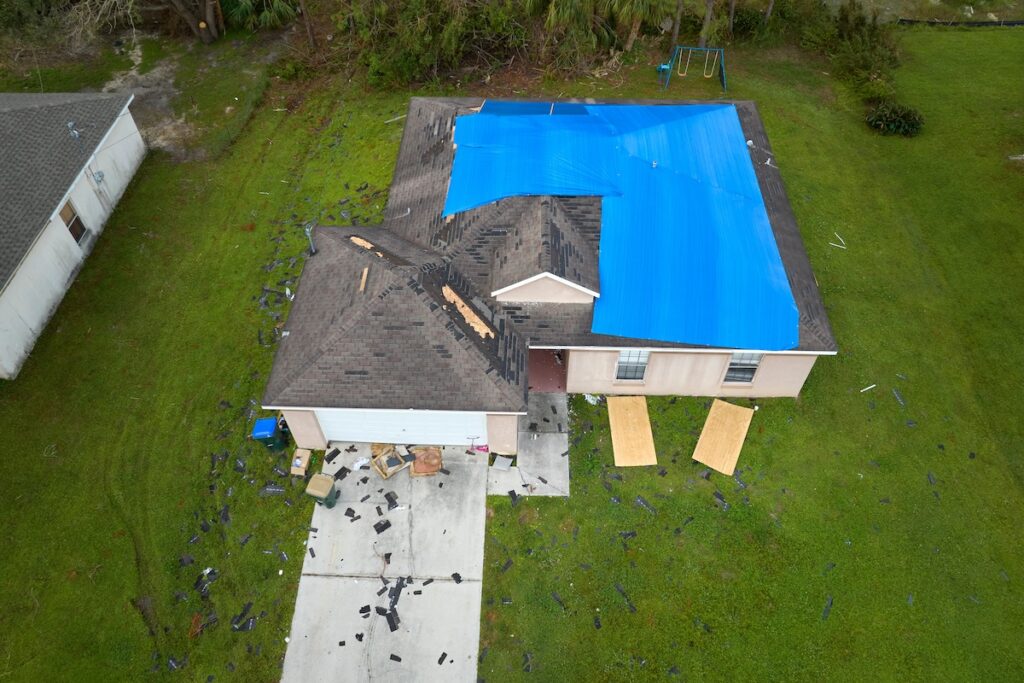
- Protect Against Storm Damage: High winds, hail, and heavy rain can damage shingles, crack tiles, or puncture your roof. A tarp provides a quick barrier to prevent water intrusion and interior damage.
- Stop Water Leaks: Even minor leaks can lead to mold, rot, and structural weakening. A tarp helps contain the problem and buys time until a full repair is done.
- Prevent Structural Damage: If part of your roof has collapsed or been hit by debris, tarping adds temporary stability and protects exposed areas from the elements.
- Bridge the Gap to Repairs: Delays from weather, insurance processing, or contractor scheduling are common. A well-installed tarp keeps your home protected while you wait.
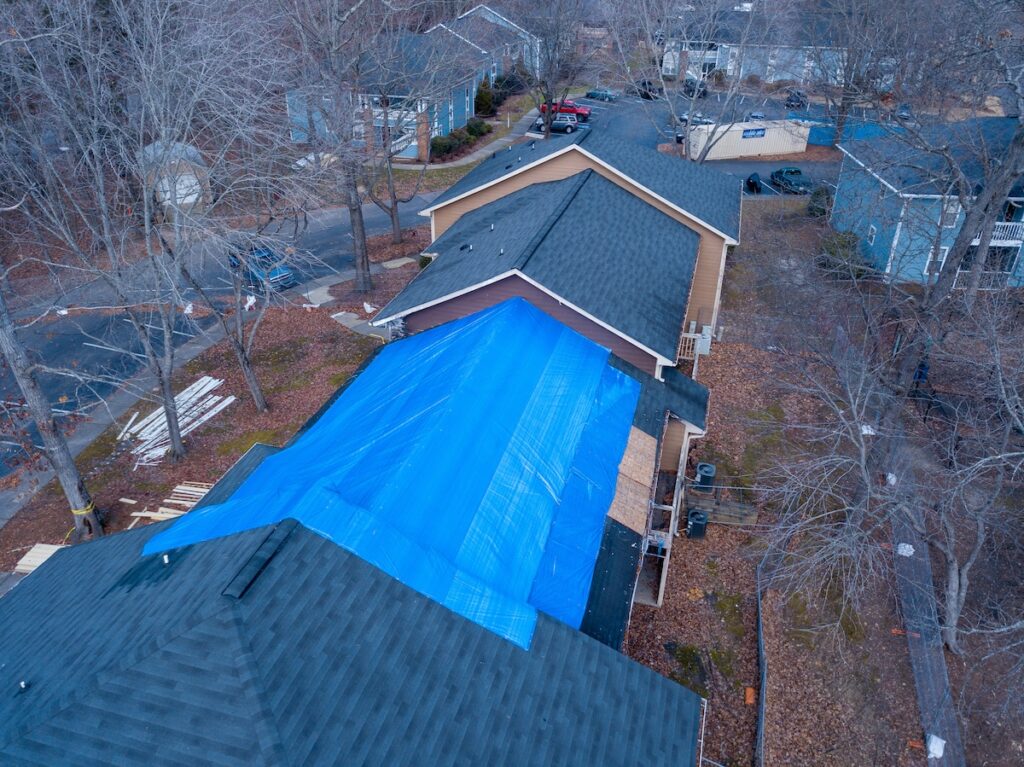
How to Check If You Need an Emergency Roof Tarp
If you suspect your roof may need an emergency tarp, it’s vital to assess the situation and act fast. Here’s a step-by-step guide you can follow:
1. Inspect the Roof for Visible Damage
Begin by inspecting your roof from the ground, looking for signs like missing shingles, punctures, damaged tiles, or sagging areas. Use binoculars or a camera zoom lens to check harder-to-see spots. Avoid climbing up yourself, as it may be unsafe. If you spot damage, take clear photos for insurance or repair documentation.
2. Look for Water Signs Indoors
Look for signs of water damage inside your home, such as stains, dark spots, or peeling paint on walls and ceilings. Musty odors can also indicate hidden moisture and potential leaks. Even without visible dripping, these clues suggest roof damage that should be addressed quickly to avoid further interior problems.
3. Pay Attention to Recent Weather Events
Severe weather like hurricanes, hail, or high winds can damage your roof in ways that aren’t always immediately visible. Over time, even mild storms can wear down materials and lead to hidden leaks or loose shingles. If your area was recently hit by a storm, it’s smart to inspect your roof early to catch issues before they escalate.
4. Check Gutters for Debris
Gutters often reveal early signs of roof damage, especially after storms. Debris like broken shingles or flashing in the gutters can signal trouble up top. Regularly check them after severe weather to catch potential roof issues before they worsen.
5. Evaluate for Safety Risks
Roof damage can pose serious safety hazards, not just structural concerns. Watch for fallen debris, exposed insulation, or unstable areas that could lead to collapse during bad weather. If you notice major damage, use a tarp to cover it temporarily until professionals can assess and repair it.
6. Don’t Hesitate to Call for Professional Help
If you’re unsure about the damage or don’t feel safe checking it yourself, it’s best to call a professional. Companies like GreenTek have the expertise to spot both visible and hidden issues and recommend the right solution. Acting early can prevent costly repairs and keep your home protected.
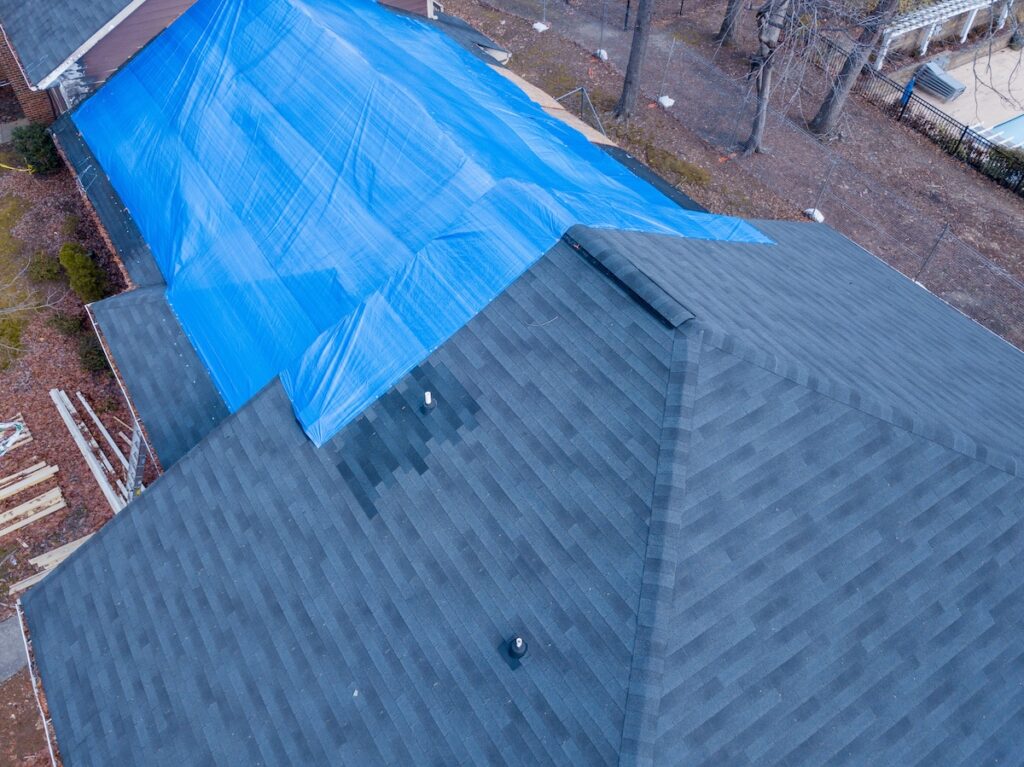
Florida-Specific Roof Tarping Concerns You Shouldn’t Ignore
UV Degradation
Florida’s intense sun and high UV index can quickly break down standard blue tarps. Within days, cheaper materials can become brittle, crack, or start to tear ,leaving your roof vulnerable again. Always use UV-resistant, heavy-duty tarps rated for outdoor exposure in tropical climates.
High Humidity & Mold Growth
Due to Florida’s high year-round humidity, moisture trapped under a tarp can create a breeding ground for mold and mildew in as little as 24 to 48 hours. If the area isn’t sealed properly or if ventilation is poor, mold can spread to insulation and drywall fast. Quick action and proper installation are essential to avoid expensive remediation.
Hurricane-Force Winds
In areas prone to tropical storms and hurricanes, even a well-placed tarp can get ripped off if not secured correctly. High winds can get under loose edges and cause further roof damage or worse, turn a tarp into flying debris. Use weighted anchor boards, sandbags, or reinforced fasteners to keep the tarp in place during severe wind events.
Florida Insurance Timelines
Most Florida homeowners insurance policies require fast damage reporting, sometimes within 72 hours of the event. Having a properly installed tarp shows that you’re taking reasonable steps to mitigate further damage, which can support your claim. Document the installation with photos and keep receipts to provide to your insurer.

How to Install an Emergency Roof Tarp:
Step 1: Gather the Necessary Materials
Before starting, ensure you have all the materials needed for the task. You’ll need a strong, waterproof tarp—preferably a heavy-duty one that can withstand harsh weather conditions like rain, wind, and UV exposure. Roofing nails are essential for anchoring the tarp securely, while wooden planks help reinforce the edges and hold everything in place. You’ll also need a hammer or a staple gun to attach the tarp properly. Be sure to avoid using materials that aren’t weather-resistant, as they may deteriorate quickly and fail to protect your roof. Taking the time to gather the right materials will save you from potential headaches later.
Step 2: Choose the Right Size
Choosing the right tarp size is critical to ensure effective coverage. Select a tarp that is large enough to completely cover not only the damaged area but also extend beyond it. The extra material ensures that the edges can be securely wrapped over the roof’s sides or ridge to prevent water and debris from seeping underneath. Too small of a tarp will leave gaps, making it ineffective, while an oversized tarp may be difficult to manage. Measure the damaged area carefully and test-fit the tarp if possible before proceeding to the next step.
Step 3: Secure the Tarp
Once you’ve gathered your materials and chosen the correct size tarp, it’s time to secure it in place. Lay the tarp flat over the damaged section of the roof, making sure it extends beyond the damaged area and overlaps past the ridge for added protection. Smooth out any wrinkles or folds to ensure a snug fit. Next, position wooden planks along the edges of the tarp to hold it firmly in place. Nail the planks securely around the perimeter using roofing nails. This step is critical to prevent the tarp from loosening or flapping in high winds, which could lead to further damage. A properly secured tarp will provide a temporary but reliable barrier against the elements.
Emergency Roof Tarp
At GreenTek, we understand that protecting your home after a storm is about more than just quick fixes—it’s about delivering reliable, high-quality solutions that give you peace of mind. With our local expertise, trusted craftsmanship as a GAF Master Elite Contractor, and customer-centered approach, you can count on us to handle your roofing needs with care and professionalism.
Don’t wait to secure your home—contact GreenTek today for a free roof inspection and let us help you safeguard your property, stress-free!
Step Into
The Future of Roofing
