
 (813) 333-1963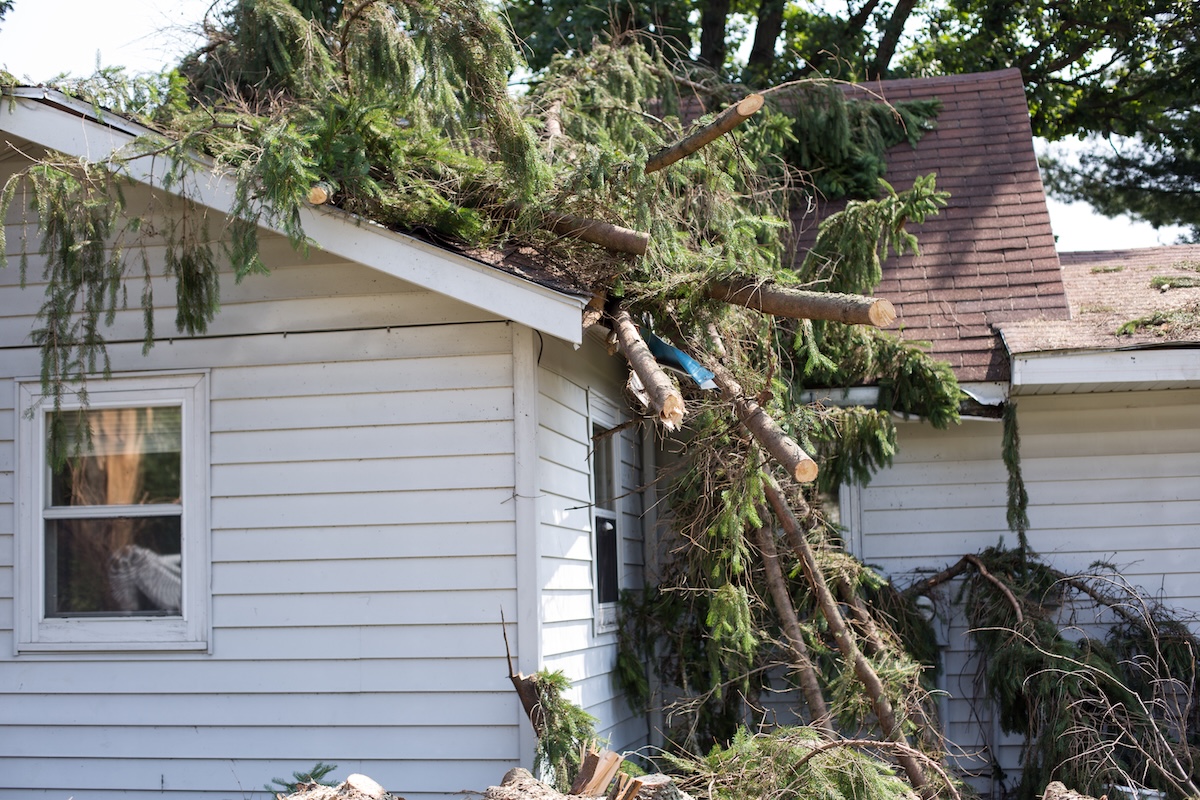
7 Insurance Tips for Storm Damage Roof Replacement

Written By: GreenTek Roofing & Solar | 5 Min Read

Experiencing severe weather can have a major impact on your roof’s condition, making storm damage roof replacement an important concern for homeowners. Understanding how insurance works in these situations can save you significant time, stress, and money during the repair process. If you suspect your roof has been damaged after a storm, exploring professional support for storm damage can help you evaluate and document the damage properly.
- How insurance policies typically handle storm-related roof damage
- Steps to take immediately after storm damage occurs
- Common pitfalls to avoid when filing an insurance claim
- Guidance for choosing a contractor during the replacement process
- Tips to ensure your roof replacement is covered efficiently and fairly
Understanding Insurance and Storm Damage Roof Replacement
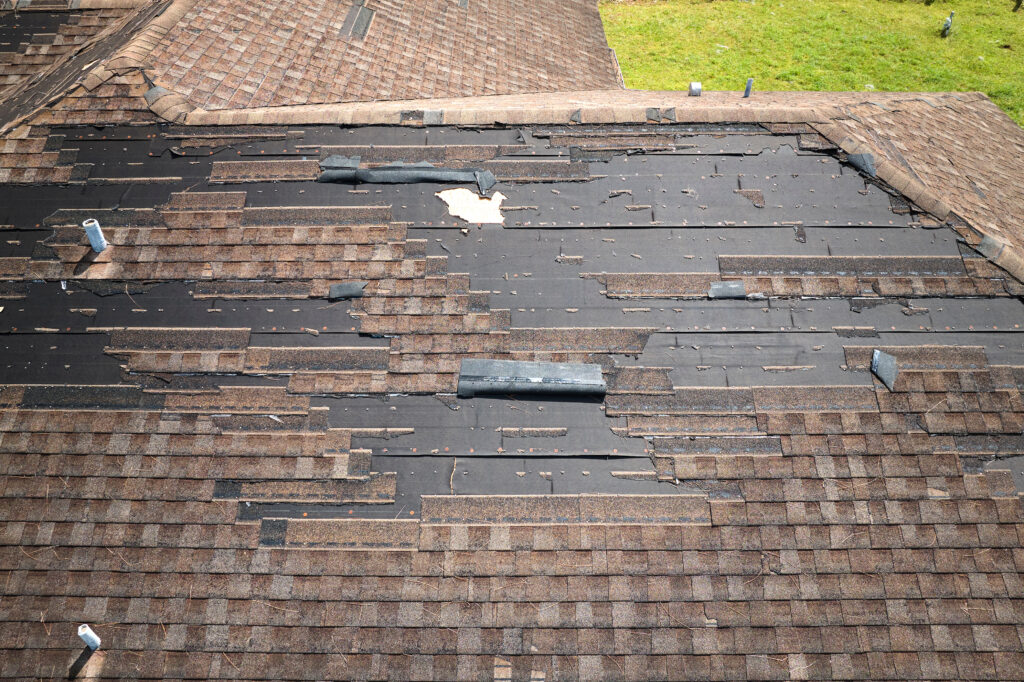
Insurance policies vary widely, but most homeowners’ insurance plans cover roof damage resulting from storms. However, the details and extent of coverage depend on your particular policy and the nature of the damage. Knowing the fundamentals of how insurance treats storm damage will empower you to handle any unexpected roofing issues that arise.
- Coverage Types: Comprehensive policies may cover everything from hail and wind damage to fallen debris impact.
- Deductibles: Understand how your deductible applies to roof repairs or replacement after storm damage.
- Documentation: Detailed documentation and evidence of damage are crucial for claim approval.
- Exclusions: Some types of damage, such as gradual wear or neglect, may not be covered.
- Claim Process: Familiarizing yourself with the steps and timeline can reduce delays and disputes.
7 Essential Steps to Take After Storm Damage Affects Your Roof
Taking quick and informed actions after your roof sustains storm damage can facilitate smoother insurance processing and a faster roof replacement. Here are key steps every homeowner should follow.
1. Ensure Safety First
Before assessing your roof, make sure the surrounding area is safe and free from hazards such as power lines or unstable debris. Your safety is the highest priority.
- Check Interior for Leaks: Look for water damage inside your home that indicates roof breaches.
- Avoid Unsafe Climbing: Leave detailed inspections to professionals if the damage is extensive.
2. Document the Damage Thoroughly
Use clear photos and videos to capture all visible roof damage, both close-up and wide-angle. Documentation serves as a vital tool in communicating your claim’s validity.
3. Mitigate Further Damage
Try to protect your roof and home from additional harm by covering holes with tarps or temporary patches. Keep receipts for any emergency repairs, as these may be reimbursable.
4. Contact Your Insurance Provider Promptly
Reach out to your insurance company to report the damage as soon as possible. Early notification often helps speed up the claim and adjuster review process.
5. Arrange for a Professional Roof Inspection
Hiring a qualified roofing contractor experienced in storm damage evaluation provides an expert report that supports your claim and replacement plan.
6. Get Multiple Repair Estimates
Obtaining detailed quotes from different contractors allows you to compare scope and costs, ensuring fair pricing and thorough work.
7. Review Your Insurance Settlement Carefully
Before accepting any offer from your insurance company, examine the settlement to ensure it aligns with the damage assessment and repair estimates you have gathered.
Enhancing Your Claim Success: Important Considerations

Not all storm damage claims proceed smoothly, but understanding common challenges can improve your chances of a satisfactory outcome.
- Policy Limits Awareness: Know the maximum your insurance covers for roof replacement and how depreciation may affect the payout.
- Beware of Underestimation: Insurers might minimize damage assessments; having contractor assessments aids your case.
- Avoid Unauthorized Repairs: Wait for insurance approval before major work to avoid coverage denial.
- Communicate Clearly: Keep thorough records of all conversations, emails, and documents relating to your claim.
- Consider Public Adjusters: In complicated cases, third-party adjusters can advocate on your behalf for fair compensation.
Frequently Asked Questions About Storm Damage Roof Replacement Insurance
Here are the most common questions we get about storm damage roof replacement.
What types of storm damage typically qualify for roof replacement coverage?
Coverage generally applies to damage caused by hail, wind, falling tree limbs, and similar storm-related impacts that compromise the roof’s integrity.
How long do I have to file a claim after the storm?
Many insurers require claims to be filed within a specific timeframe, often 30 to 60 days. Always check your policy and act promptly.
Will insurance cover roof replacement or just repairs?
Insurance may cover either repairs or full replacement depending on the extent of damage and roof condition prior to the storm.
Can I choose any roofing contractor for replacement?
Generally, you can select your own contractor, but ensure they are licensed and familiar with insurance processes to avoid complications.
What if my claim is denied?
If your claim is rejected, carefully review the reasons, gather additional evidence if possible, and consider consulting a professional or public adjuster for assistance.
Proactive Prevention and Preparation for Storm Damage
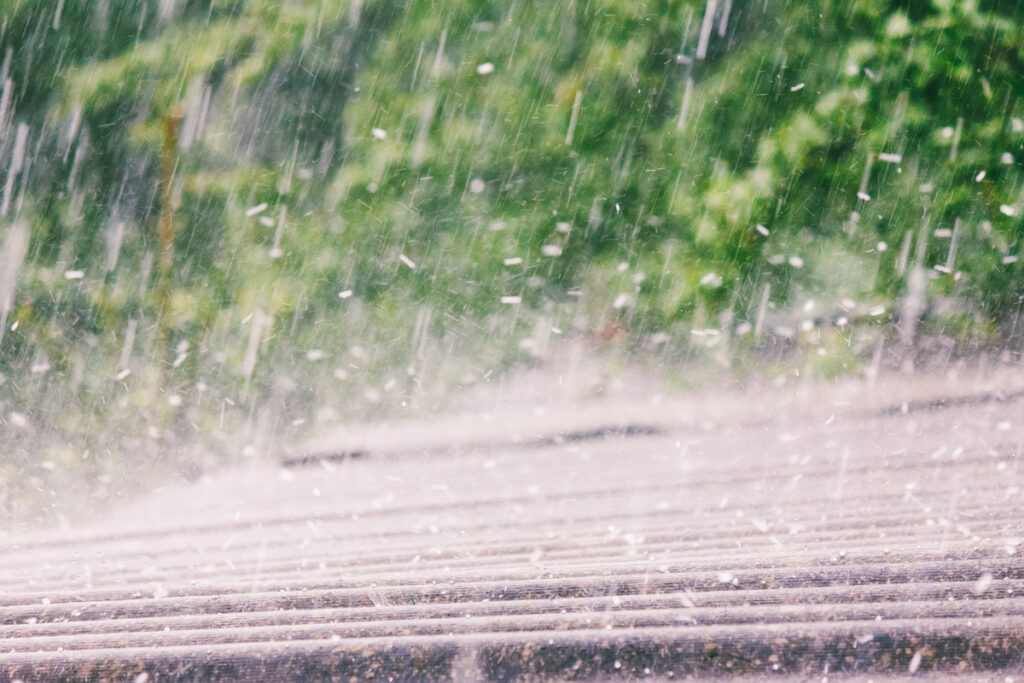
While insurance is vital for financial protection, minimizing storm damage risks through preparation can save headaches and expenses in the future.
- Regular Roof Inspections: Periodic checks can identify and address vulnerabilities early.
- Quality Materials: Investing in durable, storm-resistant roofing products helps withstand severe weather.
- Secure Surroundings: Trim nearby trees and secure loose items to reduce impact risks during storms.
- Documentation of Current Roof: Keep records of your roof’s condition, including photos and maintenance history, to aid claims if damage occurs.
- Understand Your Policy: Review and update your insurance coverage regularly to match changing property values and risk factors.
Take Action Now to Protect Your Home and Investments
Dealing with storm damage roof replacement can feel overwhelming, but being informed and prepared helps you navigate the process more confidently. The right insurance coverage combined with swift, knowledgeable action is essential for restoring your home safely and efficiently. To schedule an expert assessment or learn more about your options, contact us today at Greentek. Our team is ready to assist you every step of the way and ensure your roof replacement is handled with care and professionalism.

Step Into
The Future of Roofing
