
 (813) 333-1963
Homeowner’s Guide: What Is the Best Gutter Guard?

Written By: GreenTek Roofing & Solar | 5 Min Read

When it comes to protecting your home from water damage, installing what is the best gutter guard can make all the difference. Gutters play an essential role in directing rainwater away from your home’s foundation, but without proper maintenance or protection, they can become clogged with leaves, debris, and pests. Installing a gutter guard can reduce this buildup, saving you time and costly repairs. To learn more about professional gutter solutions, consider exploring expert options available through dedicated gutter installations and services.
- Understand the different types of gutter guards available
- Learn the key features that make an effective gutter guard
- Discover practical tips for choosing the right gutter guard for your home
- Explore maintenance advice to ensure your gutter guards perform optimally
Why Choosing the Right Gutter Guard Matters
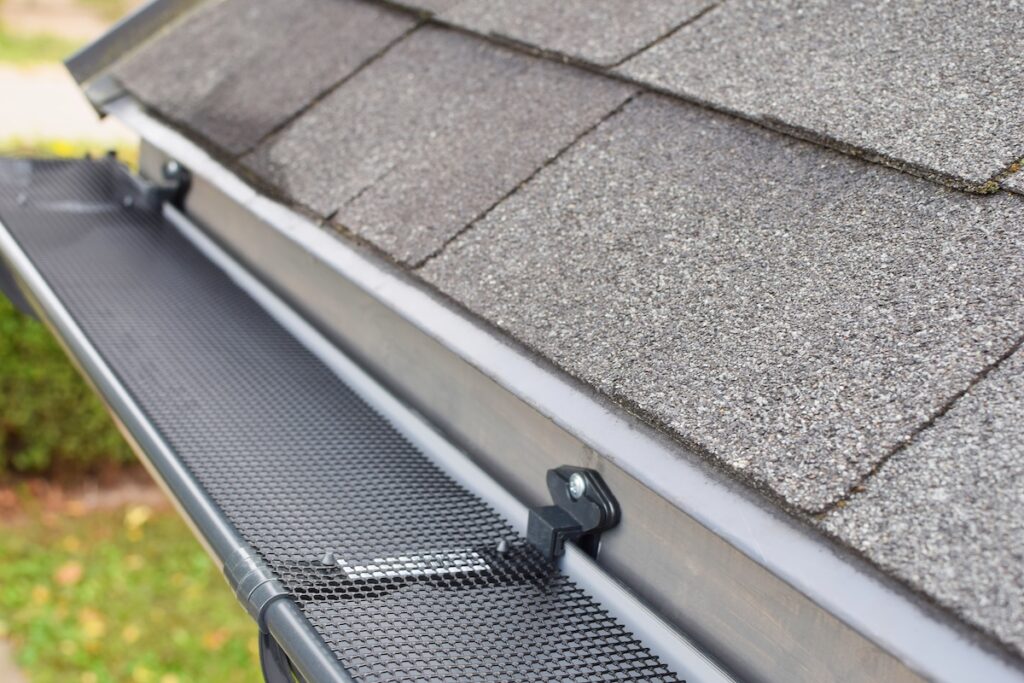
Selecting the correct gutter guard is crucial because it directly impacts how effectively your gutters function and protect your home from water-related damage. The wrong choice could lead to poor drainage, frequent clogs, and additional maintenance work. With various materials and designs on the market, understanding the key benefits can help you make an informed decision that enhances home safety and longevity.
- Prevention of Clogs: Keeps leaves and debris out to maintain smooth water flow.
- Reduced Maintenance: Limits the need for frequent gutter cleaning jobs.
- Durability: Offers long-lasting protection against weather elements and wear.
- Pest Control: Reduces nests and infestations in gutters.
- Cost Savings: Protects your foundation and reduces water damage repair costs.
6 Key Factors to Consider When Determining What Is the Best Gutter Guard
Determining the best gutter guard for your home involves weighing several important features. Each factor plays a role in how effective and efficient the gutter guard will be over time. Below are seven vital considerations to help you make the right selection.
1. Material Type and Durability
The material composition of a gutter guard affects both its lifespan and performance. Common materials include aluminum, stainless steel, plastic, and copper. Metal guards generally last longer and withstand harsh weather better than plastic counterparts.
- Aluminum: Lightweight, rust-resistant, and durable.
- Stainless Steel: Highly durable with superior corrosion resistance.
- Plastic: Affordable but susceptible to cracking and UV damage.
- Copper: Stylish and long-lasting but often more expensive.
2. Type of Gutter Guard Design
The design influences how well debris is blocked while ensuring water flow isn’t obstructed. Options range from mesh screens to foam inserts and reverse curve designs.
- Mesh Screens: Finest filtration of debris, good for small leaves and pine needles.
- Foam Inserts: Easy to install but can become clogged themselves over time.
- Reverse Curve: Allows water to flow around debris but can be complex to install.
- Brush Type: Easy to install DIY option but requires regular cleaning.
3. Ease of Installation and Maintenance
Some gutter guards require professional installation, while others can be DIY projects. Maintenance needs vary depending on design and environment.
- Professional Installation: Ensures correct fitting and warranty protection.
- DIY-Friendly: Saves cost but may not last as long or perform as well.
- Cleaning Requirements: Consider guards that minimize buildup and simplify upkeep.
4. Weather and Local Environment Compatibility
Climate and surrounding trees affect what gutter guard will work best. For example, homes in areas with heavy snowfall need guards that prevent ice dams, while heavily wooded areas require guards that manage lots of leaf debris.
5. Compatibility with Your Existing Gutters
Ensuring the gutter guard fits your current gutter system is essential for functionality. Some guards are universal, while others suit specific gutter shapes and sizes.
6. Cost Versus Long-Term Savings
While low-cost options might appear attractive upfront, investing in quality gutter guards often results in less maintenance and greater protection, saving money in the long run.
Additional Tips for Maximizing Your Gutter Guard Performance
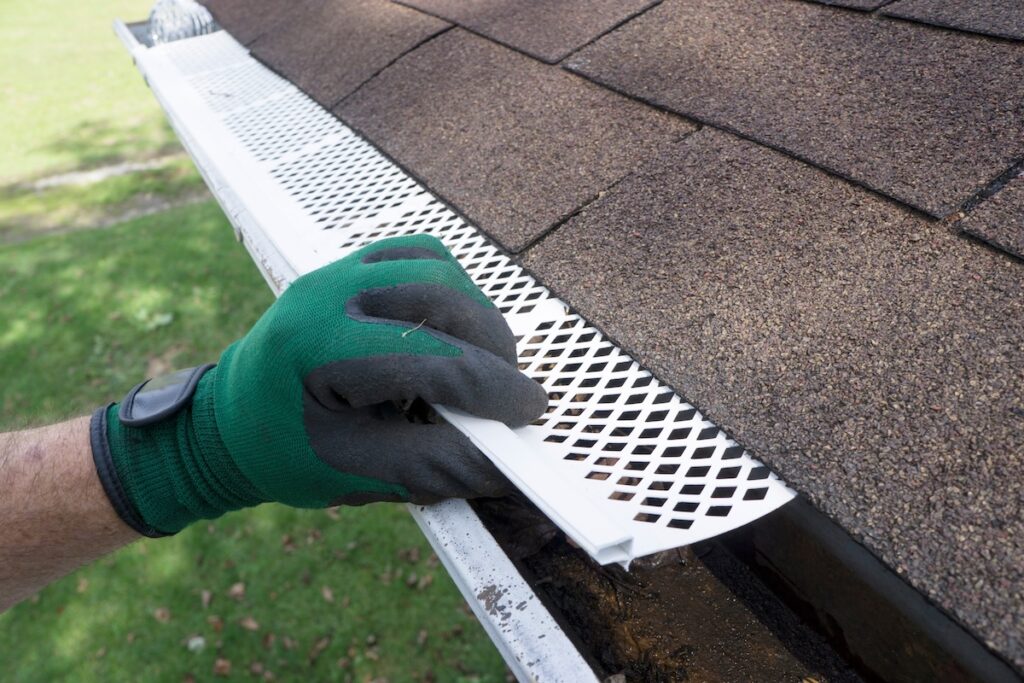
Choosing the best gutter guard is just the first step. Proper maintenance and periodic inspections will extend its lifespan and maintain gutter efficiency. Consider the following recommendations to optimize your gutter system’s performance.
Regular Inspections
Schedule biannual checks, especially after storms or during heavy leaf-fall seasons. Look for any damage, debris buildup, or sagging gutters.
Cleaning Surrounding Areas
Trim overhanging tree branches to reduce the volume of leaves and debris landing in gutters and on guards. This preventive measure helps reduce maintenance tasks.
Check for Proper Water Flow
After rain, observe whether the gutters drain water efficiently without overflow or pooling. This can indicate whether guards are obstructed or installed correctly.
Prompt Repairs
Address any damage or displacement of gutter guards immediately to prevent water infiltration and foundation damage.
Comparing Popular Gutter Guard Options: A Practical Overview
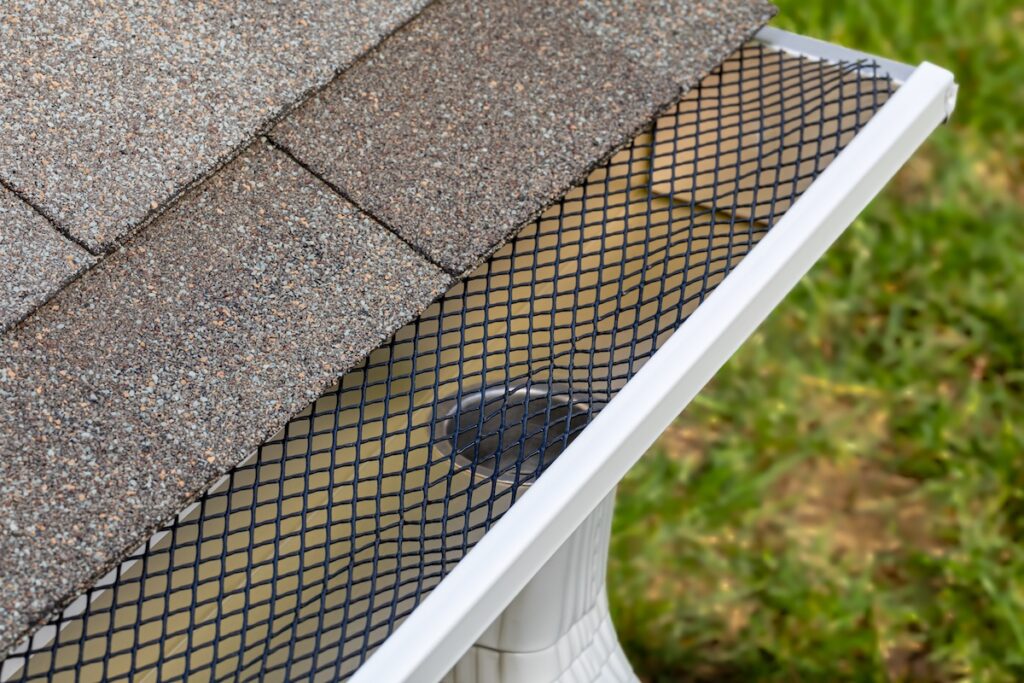
To help homeowners navigate the gutter guard landscape, here is a comparison table highlighting key features of leading types of gutter guards. This side-by-side evaluation clarifies which options might best suit specific needs and budgets.
| Gutter Guard Type | Advantages | Disadvantages | Best For |
| Micro-Mesh | Excellent debris filtration, durable metal materials | Higher cost, requires professional installation | Homes with lots of small debris like pine needles |
| Reverse Curve | Redirects water efficiently, keeps out most debris | Complex installation, visible from ground | Heavy rainfall areas with large leaf debris |
| Foam Inserts | Easy DIY installation, low upfront cost | Prone to clogging, shorter lifespan | Budget-conscious homeowners in low-debris regions |
| Brush Guards | Simple installation, can be cleaned easily | Requires regular maintenance, less effective for small debris | Small properties with manageable foliage |
| Screen Guards | Good water flow, relatively affordable | Can sag, debris may accumulate on top | Moderate climates with mixed leaf sizes |
Taking the Next Step to Protect Your Home
Understanding what is the best gutter guard for your home is essential to ensure your gutters function seamlessly and protect your property from water damage. Investing in the right gutter guard paired with professional installation and maintenance will provide peace of mind and safeguard your home for years to come. To discuss tailored gutter guard options and expert installation services, contact us today at Greentek.

Step Into
The Future of Roofing
