
 (813) 333-1963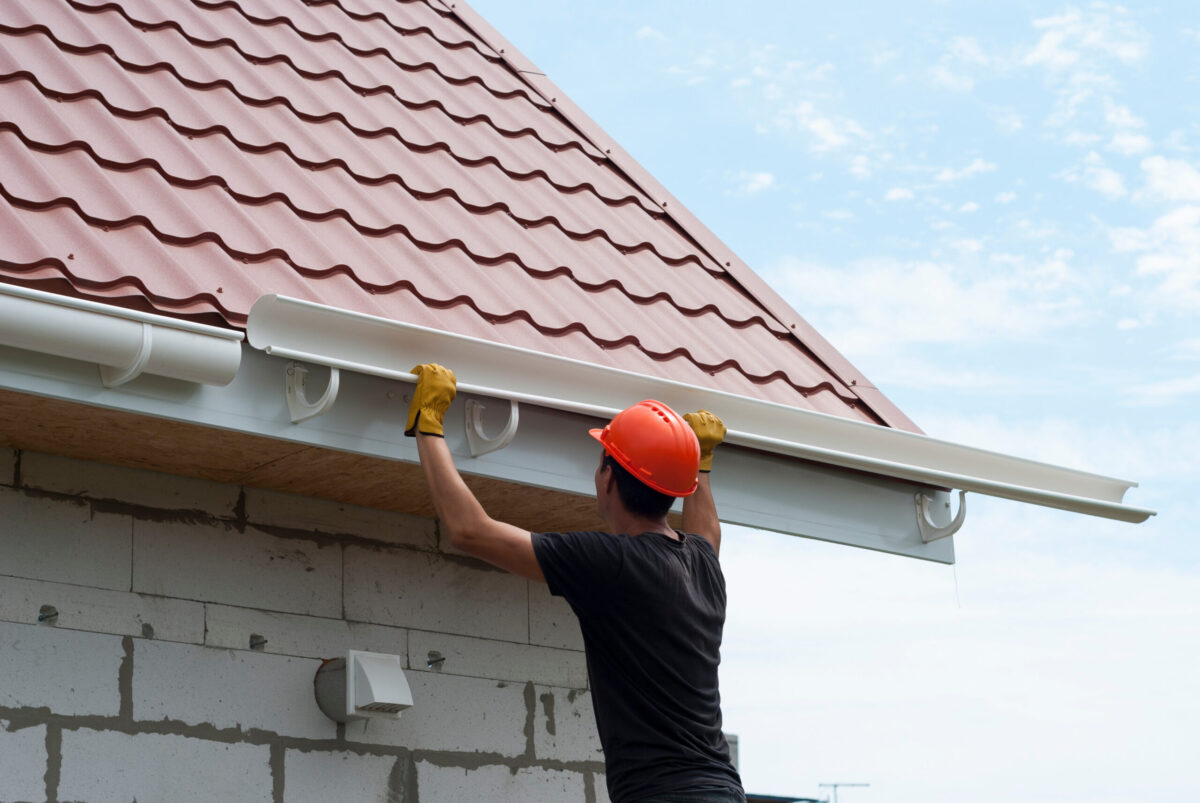
The Installation Process for Seamless Gutters: 7 Essential Steps

Written By: GreenTek Roofing & Solar | 6 Min Read

Effective water management is crucial for protecting your home’s foundation, landscaping, and exterior surfaces. That is why investing in seamless gutters is one of the smartest moves a homeowner can make. Seamless gutters reduce the risk of leaks and clogging by eliminating joints, facilitating smooth water flow and minimizing maintenance needs. For those interested in professional installation services for these reliable water channels, learning about the entire process can prepare you for what to expect. You can explore expert solutions through our dedicated gutters service page to better understand options available.
- Understanding why seamless gutters are superior to traditional gutters
- Familiarizing yourself with the step-by-step installation procedure
- Knowing the tools and materials used during installation
- Identifying potential challenges and ways installers address them
- Learning maintenance tips to maximize the longevity of your gutters
Why Seamless Gutters Matter to Every Homeowner
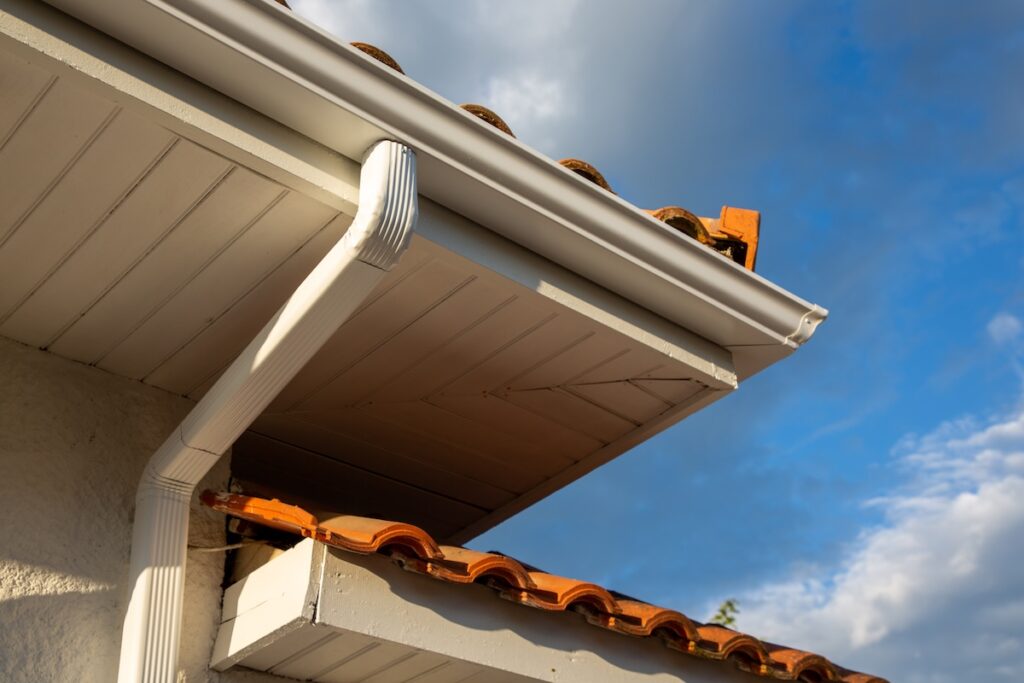
Seamless gutters offer a significant advantage over their sectional counterparts due to their continuous design that limits leaks and reduces clogging. This design innovation not only protects your home against water damage but also enhances curb appeal by providing a clean, uniform look.
- Durability: The absence of seams minimizes weak points prone to leaks and damage.
- Reduced Maintenance: Less debris buildup due to smooth channels allows water to flow more freely.
- Custom Fit: Tailored to the precise measurements of your home for optimal performance.
- Improved Property Value: Enhances both function and aesthetics, attracting potential buyers.
- Weather Resistance: Better withstands harsh weather conditions like heavy rain and snow.
7 Crucial Steps in Seamless Gutter Installation
Installing seamless gutters involves a systematic approach to ensure precision, durability, and effectiveness. Below is a breakdown of the seven essential steps professional installers follow for high-quality results.
1. Initial Assessment and Measurement
The process begins with a thorough evaluation of the property to determine gutter needs and exact dimensions. Accurate measurements are critical since seamless gutters are fabricated to custom lengths at the time of installation.
- Home Inspection: Check roofline, existing gutter condition, and drainage areas.
- Precise Measurements: Use laser tools or measuring tapes for accuracy.
2. Material Selection and Fabrication
After measurements are finalized, the appropriate materials—typically aluminum, copper, or steel—are selected based on durability and aesthetic preferences. The seamless gutter sections are then cut and shaped on-site using a specialized gutter machine.
- Material Choice: Factors include resistance to rust, climatic compatibility, and color options.
- On-Site Fabrication: Gutter machine customizes lengths reducing joints and waste.
3. Removal of Old Gutters (If Applicable)
If replacing existing gutters, the old assembly is carefully removed to prevent damage to the fascia and roof edges. Proper disposal of the old material is also part of this step to maintain site cleanliness.
4. Preparation of the Installation Area
This involves cleaning the fascia boards where the gutters will be mounted and inspecting for any damage that might need repair prior to installation.
- Surface Cleaning: Remove dirt, debris, and flaking paint for better adhesion.
- Fascia Inspection: Repair rot or mold to ensure a sturdy base.
5. Installation of the Gutter System
Using the fabricated sections, installers fit and secure the seamless gutters to the fascia with specially designed brackets and hangers. The gutter slope is carefully calibrated to ensure effective water drainage toward downspouts.
- Bracket Placement: Spaced to support weight and resist wind uplift.
- Proper Pitch: Generally, 1/4 inch slope per 10 feet to direct water flow.
6. Downspout Attachment and Sealing
Downspouts are attached to the gutter system to channel water safely away from the foundation. Sealants and splash blocks may also be installed to prevent leaks and erosion.
- Downspout Alignment: Positioned to minimize water pooling around the home.
- Waterproof Sealing: Applied at joints and outlets to prevent leaks.
7. Final Inspection and Cleanup
The installation concludes with a detailed inspection to verify stability, water flow, and secure attachment. The installer cleans the work area and provides recommendations for gutter care and maintenance.
Tools, Materials, and Best Practices for a Quality Installation
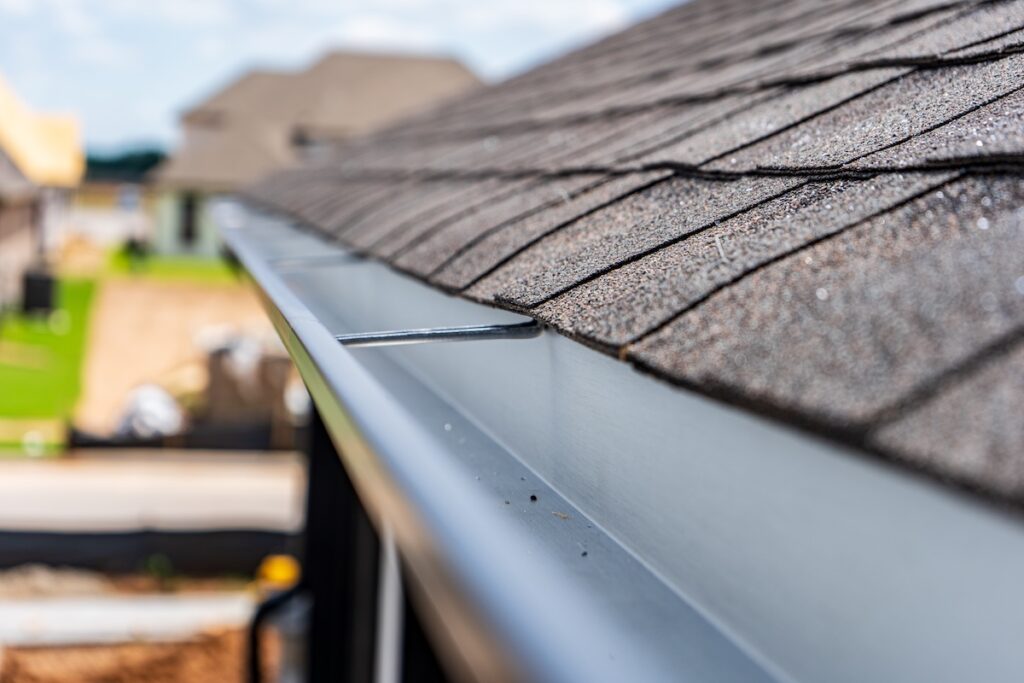
Understanding the equipment and techniques used during installation can help homeowners appreciate the craftsmanship behind seamless gutters and be more confident in their investment.
Common Tools Used
- Gutter Machine: For on-site shaping of seamless panels.
- Measuring Tools: Laser levels, tapes, and angle finders for precision.
- Hand and Power Tools: Drills, saws, and rivet guns for assembly.
Materials of Choice
- Aluminum: Lightweight, rust-resistant, and widely used in residential installations.
- Copper: Offers superior longevity and a distinctive look but at a higher price point.
- Steel: Strong and durable but may require additional coatings to prevent corrosion.
Installation Best Practices
- Ensure Accurate Slope: Proper water flow depends on correct pitch.
- Secure Brackets Firmly: To withstand severe weather conditions.
- Regular Quality Checks: During installation to catch and correct errors early.
How to Maintain Seamless Gutters for Longevity
Proper maintenance extends the life of your seamless gutter system and preserves its effectiveness. Regular inspections and simple upkeep can prevent costly repairs down the line.
Routine Cleaning
Clearing gutters of leaves and debris prevents blockages that can cause water overflow and damage to the gutter and foundation.
Check for Damage and Repairs
Look for signs of cracks, rust spots, or loosened brackets. Prompt repairs ensure continuous protection and avoid bigger problems.
Seasonal Preparation
Before heavy rainfall or winter seasons, verify that downspouts are clear and gutters are securely fastened to handle weather extremes.
- Winter Guard Installation: Prevent ice dams and snow buildup.
- Trim Overhanging Branches: Reduces debris accumulation in gutters.
Frequently Asked Questions About Seamless Gutter Installation
| How long does the installation process usually take? | Typically, installing seamless gutters for an average-sized home takes one to two days, depending on job complexity and weather conditions. |
| Are seamless gutters more expensive than sectional ones? | While the initial cost may be higher, seamless gutters reduce maintenance and repair costs over time, offering better long-term value. |
| Can I install seamless gutters myself? | Due to the need for specialized equipment and precise measurements, professional installation is highly recommended to ensure optimal performance. |
| What material should I choose for my seamless gutters? | Aluminum is a popular choice for durability and cost-effectiveness, though copper provides aesthetic appeal and longevity. |
| How often should seamless gutters be inspected? | An inspection twice a year—typically in spring and fall—is ideal to catch potential issues early. |
Protect Your Home with Professional Seamless Gutter Installation
Investing in seamless gutters is a proactive step toward safeguarding your home from water damage while enhancing its exterior appeal. Understanding the installation process equips you to make informed decisions and ensures a smooth experience from start to finish. To schedule a consultation or learn more about professional installation options, please contact us today. Greentek is ready to provide expert guidance and top-quality seamless gutter services tailored for your home.

Step Into
The Future of Roofing
