
 (813) 333-1963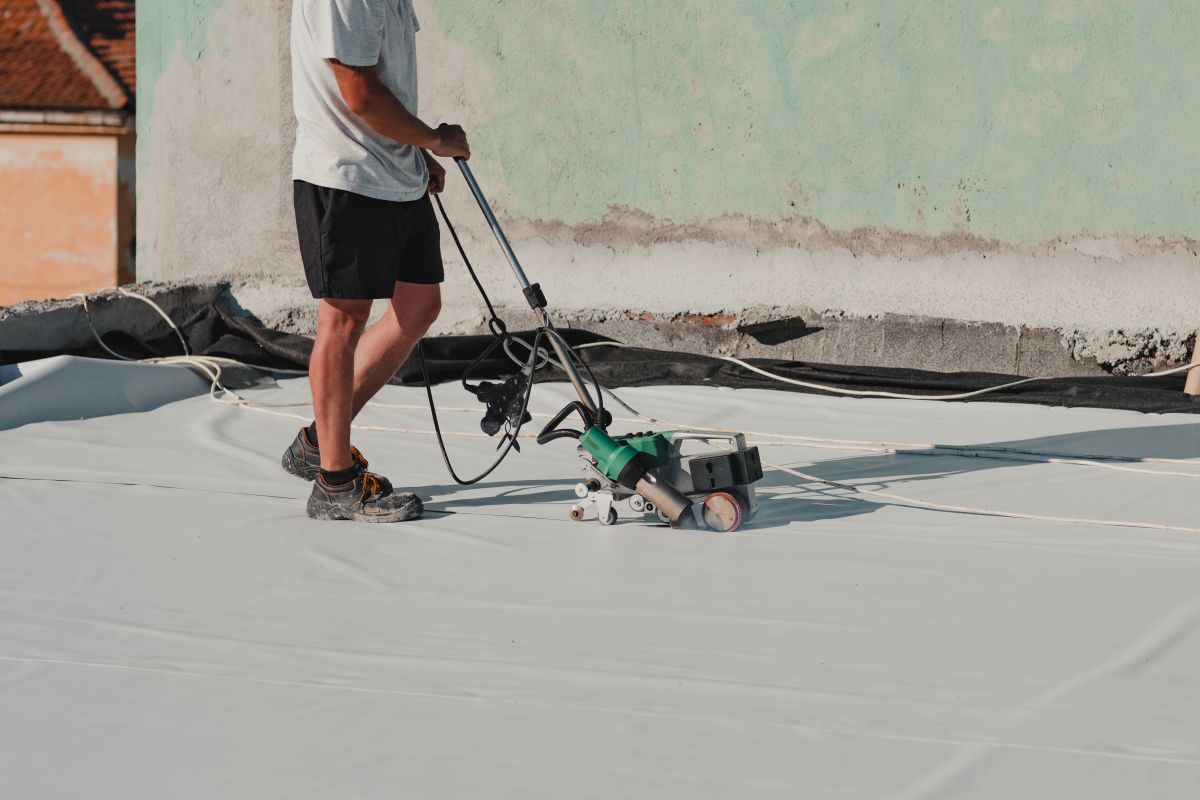
What to Expect During TPO Roofing Installation

Written By: GreenTek Roofing & Solar | 6 Min Read

Understanding the process of tpo roofing installation is essential for any commercial property owner preparing for a roofing project. This roofing system has gained widespread popularity due to its durability, energy efficiency, and relative ease of installation. If you’re planning to upgrade or install a new roof, knowing what goes into a TPO roofing installation can help set realistic expectations and ensure a smooth project from start to finish. For professional support, consider exploring our commercial roofing services to guide you through the entire process.
- Learn the key steps involved in a TPO roofing installation
- Understand the benefits and features that make TPO roofing a smart choice
- Discover how to prepare for installation day and what to expect on-site
- Gain insight into the maintenance and lifespan of TPO roofs
Why TPO Roofing Installation Matters in Commercial Roofing
TPO (thermoplastic olefin) roofing is a popular choice among commercial property managers and business owners because of its unique combination of cost-effectiveness, durability, and environmental friendliness. The installation process affects not only the roof’s performance but also the overall longevity and maintenance needs of the building’s envelope. Getting familiar with what happens during installation can help property owners avoid common pitfalls and maximize the benefits of their investment.
- Durability: TPO roofing resists punctures, tears, and UV damage better than many alternatives.
- Energy Efficiency: Its reflective surface helps reduce cooling costs by reflecting sunlight away.
- Cost-Effectiveness: Lower material and installation costs make it an attractive option for commercial budgets.
- Installation Speed: TPO roofs are faster to install compared to some traditional roofing options, minimizing downtime.
- Environmental Impact: Being recyclable and energy-efficient, TPO contributes to greener building practices.
5 Essential Stages of TPO Roofing Installation
Every TPO roofing project follows a structured series of steps to ensure a seamless and successful installation. Familiarizing yourself with these stages can prepare you for the timeline and scope of work involved.
1. Roof Inspection and Preparation
The process begins with a comprehensive inspection to identify any existing damage or structural concerns that must be addressed before installation.
- Assessment: Inspect the current roof system for defects such as rot, leaks, or structural issues.
- Surface Preparation: Remove debris and repair damaged areas to provide a smooth foundation.
2. Deck Cleaning and Securing
Once the roof is inspected, it’s vital to prepare the deck, which supports the roofing membrane.
- Cleaning: Clear dirt, dust, and other debris that could interfere with adhesion.
- Fastening: Secure any loose decking panels or insulation to prevent movement.
3. Installing Insulation
Proper insulation adds thermal resistance, enhancing the roof’s energy efficiency.
- Material Selection: Use compatible insulation boards, often polyisocyanurate, designed to work well with TPO membranes.
- Attachment Method: Mechanically fastened or adhered depending on the system requirements and roof type.
4. Membrane Deployment and Welding
The hallmark of TPO roofing is its single-ply membrane, which is heat-welded to create a continuous, waterproof barrier.
- Unrolling: Roll out large sheets of TPO over the insulation carefully to avoid wrinkles or damage.
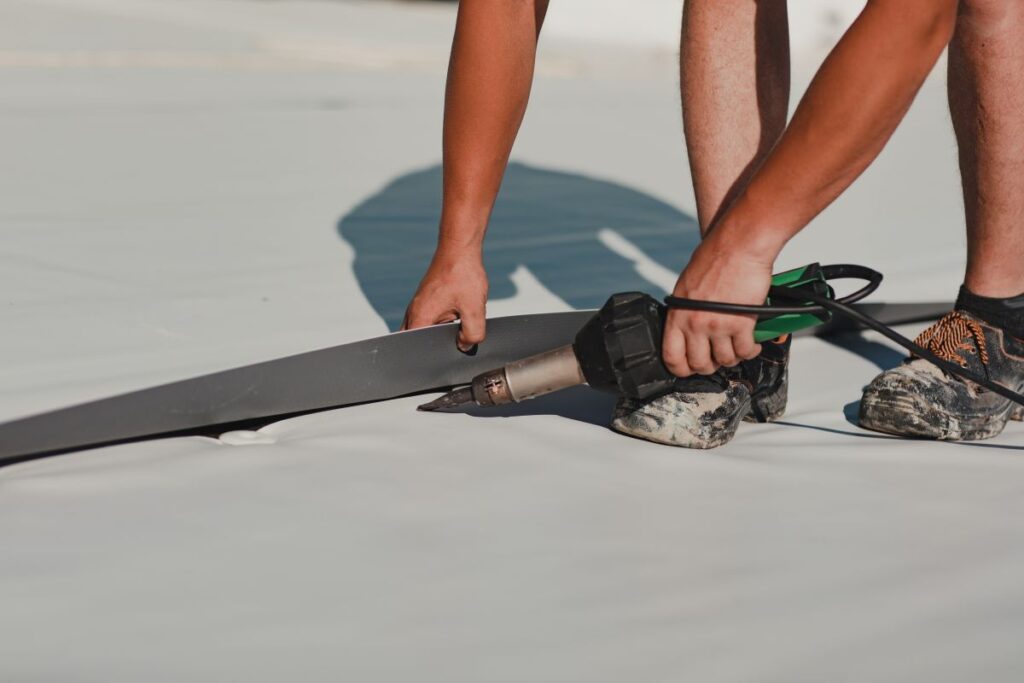
- Heat Welding: Use hot air welders to fuse seams, ensuring watertight and wind-resistant joins.
5. Finishing Touches and Cleanup
After the membrane is secured, the final steps include installing edge details and cleaning the site.
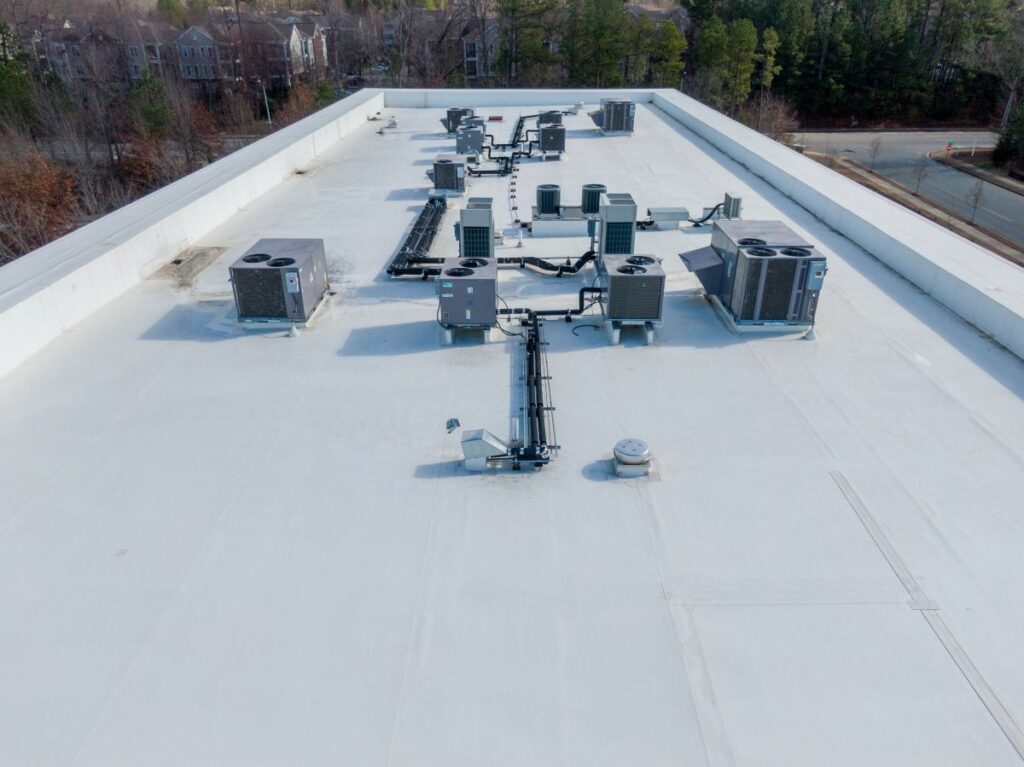
- Flashing Installation: Seal areas around vents, parapets, and HVAC units with specially designed flashing components.
- Site Cleanup: Remove scrap materials and ensure the work area is tidy and safe.
Common Considerations During TPO Roofing Installation
While the installation is straightforward for experienced contractors, several factors can impact the process and outcome that owners should keep in mind:
Weather Conditions
TPO roofing installations require dry, moderate weather for best results. High humidity, rain, or extreme temperatures can interfere with welding seams and affect adhesion.
Roof Size and Accessibility
Larger or complex roof structures may require specialized equipment and additional time, influencing cost and scheduling.
Material Quality
Choosing high-quality TPO membranes and complementary materials makes a significant difference in durability and energy savings.
Qualified Installation Team
Expertise matters: hiring certified contractors experienced with TPO roofing ensures adherence to best practices and manufacturer guidelines.
Maintenance and Longevity of TPO Roofs
Once the installation is complete, understanding maintenance needs is crucial to prolonging the life of your TPO roof and protecting your investment.
- Regular Inspections: Schedule periodic checks to spot early signs of damage, such as punctures or seam deterioration.
- Cleaning: Keep the roof free from debris and dirt that could degrade the membrane or affect drainage.
- Fastener Checks: Ensure that mechanical fasteners remain secure and investigate any signs of loosening.
- Repairs: Promptly address any issues with professional patching or membrane replacement to prevent larger problems.
Expected Lifespan
With proper installation and maintenance, TPO roofing systems typically last 15 to 30 years, offering a cost-effective solution for commercial buildings.
Energy Efficiency Benefits Over Time
TPO roofs maintain their reflective qualities, which can reduce energy bills by reflecting solar radiation and minimizing heat gain inside the building.
Frequently Asked Questions About TPO Roofing Installation
Below are common questions that help clarify the process and benefits of TPO roofing for commercial property owners.
- Is TPO roofing suitable for all roof types? TPO is best suited for flat or low-slope commercial roofs where membrane installation is ideal.
- How long does the installation typically take? Depending on the roof’s size and complexity, installation can last from several days to a few weeks.
- Can TPO roofing be installed over an existing roof? In many cases, yes. TPO membranes can be installed over existing roofing materials after proper surface preparation.
- What maintenance is required after installation? Regular inspections and cleaning are essential to extend the roof’s lifespan and performance.
- How does TPO compare to other roofing types? TPO offers competitive advantages in energy efficiency, ease of installation, and environmental impact compared to traditional roofing systems.
Get Ready for Your TPO Roofing Installation
Understanding the key phases of tpo roofing installation empowers property owners to make informed decisions and ensure a successful project. Preparing adequately and partnering with experienced professionals can streamline the process and optimize your roof’s performance for years to come. For expert assistance and reliable service in commercial roofing, trust Greentek. To discuss your TPO roofing needs and schedule a consultation, contact us today.

Step Into
The Future of Roofing
