
 (813) 333-1963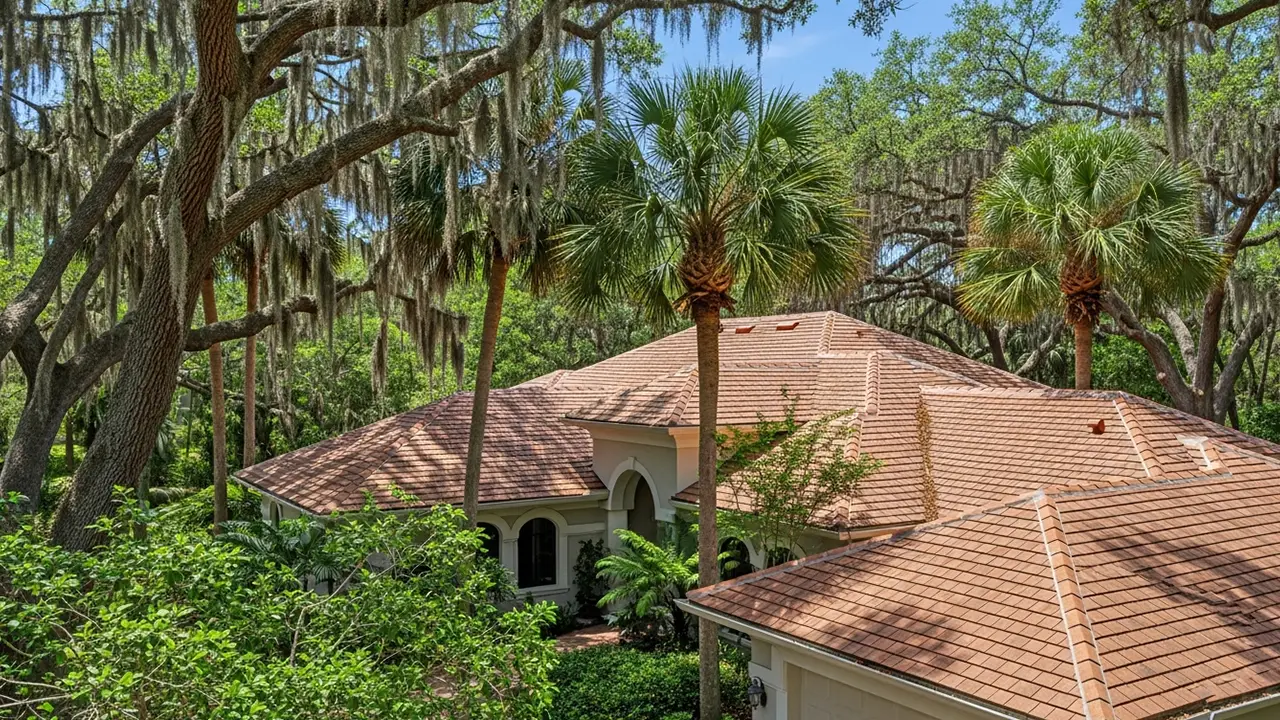
Tree Canopy Problems in Thonotosassa, FL: How Falling Debris Damages Shingles and Flashing

Written By: GreenTek Roofing & Solar | 8 Min Read

The beautiful trees in Thonotosassa, FL, add charm to our properties, but they also pose a risk to your home. Overhanging tree branches can drop leaves, twigs, and even large limbs onto your roof, causing significant roof damage. Protecting your roofing system is essential to maintaining your home’s safety and value. At GreenTek Roofing & Solar, we specialize in providing top-notch roofing solutions that safeguard your home from the dangers posed by falling debris. This guide will explain how falling debris affects your roof and what you can do to prevent it, along with how our services can help ensure your roofing system remains strong and secure.
Understanding Tree Canopy Issues in Thonotosassa, FL
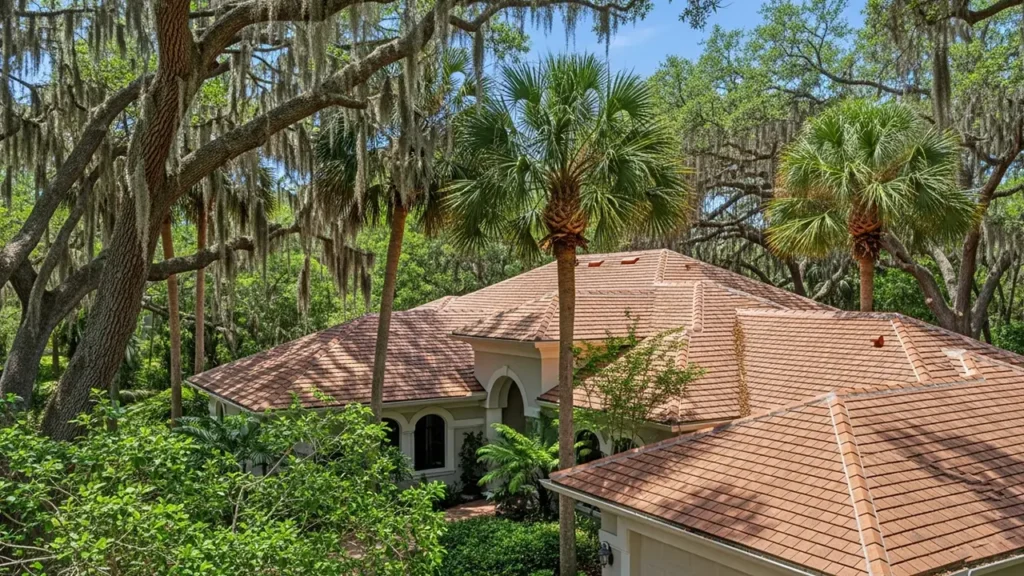
A dense tree canopy may look attractive, but it can cause serious roof problems. In Thonotosassa, lush vegetation makes many homes vulnerable to damage from falling branches, leaves, and acorns. Debris can trap moisture, while heavy limbs may cause significant impact damage.
If ignored, these issues can escalate from minor cosmetic concerns to major structural damage. Knowing how local trees harm your roof is the first step to prevention. Here are common tree canopy problems and the local trees that cause them.
Types of Tree Canopy Problems Affecting Roofs
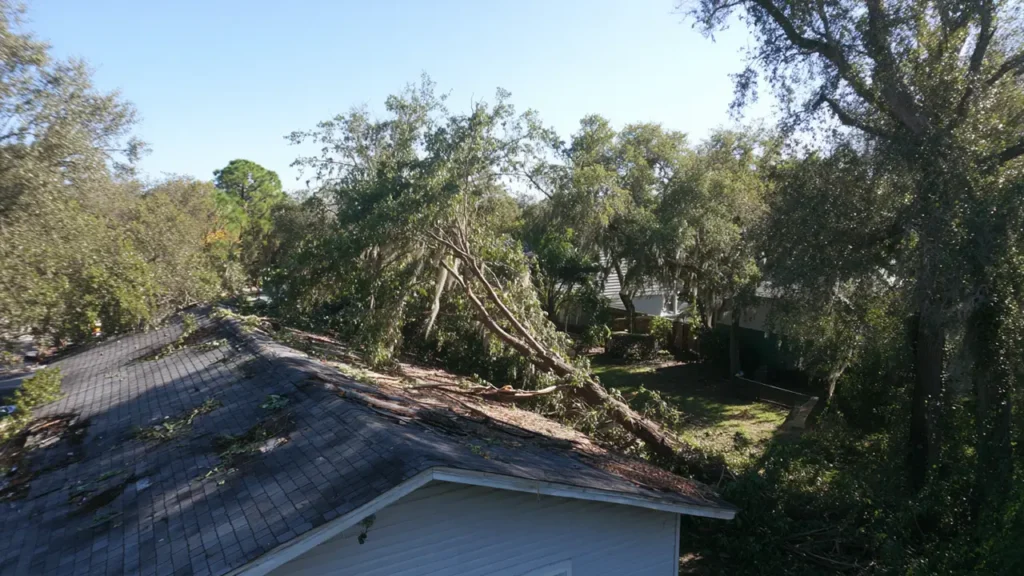
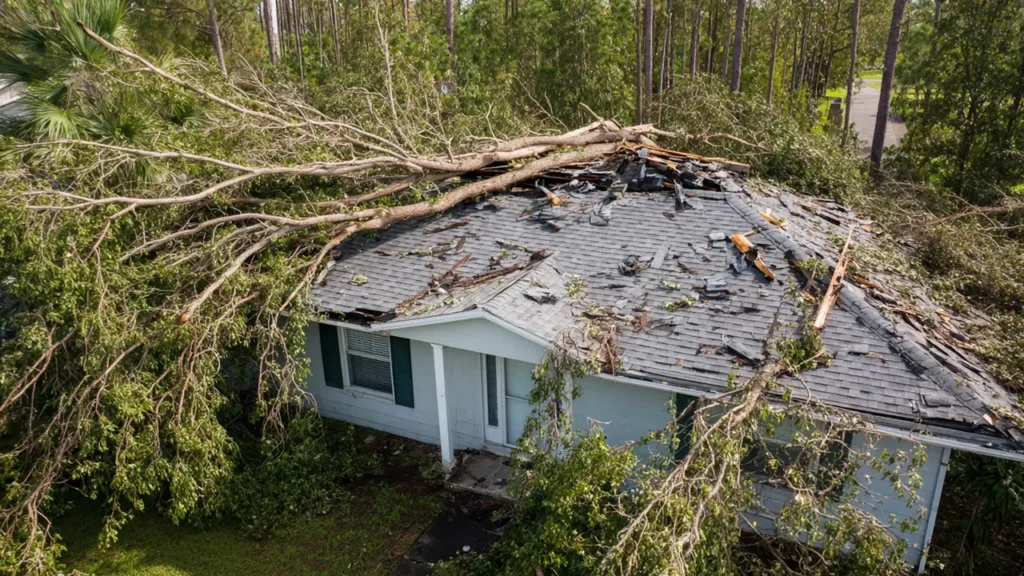
Numerous tree canopy problems can adversely affect roofs, leading to potential structural damage. Overhanging branches may scrape the roofing surface, loosening asphalt shingles and allowing for water infiltration. Falling debris such as leaves and small twigs can accumulate in gutters, causing water intrusion that leads to severe mold growth and wood rot. Additionally, large branches can cause immediate damage during high winds or storms, necessitating costly repairs that impact both your home’s safety and property value.
Local Trees Commonly Causing Debris
In Thonotosassa, several tree species notorious for shedding debris can significantly impact roofing systems. Live oaks are prevalent, often dropping large branches that can cause immediate damage to shingles, while cypress trees release a flurry of needles and twigs during storms. Additionally, palm trees can create additional clean-up challenges, as their fronds may detach during heavy winds. Regular tree maintenance and inspection by a certified arborist are essential to mitigate the risks associated with these local trees, ensuring the safety and longevity of your roof.
How Falling Debris Damages Roof Shingles
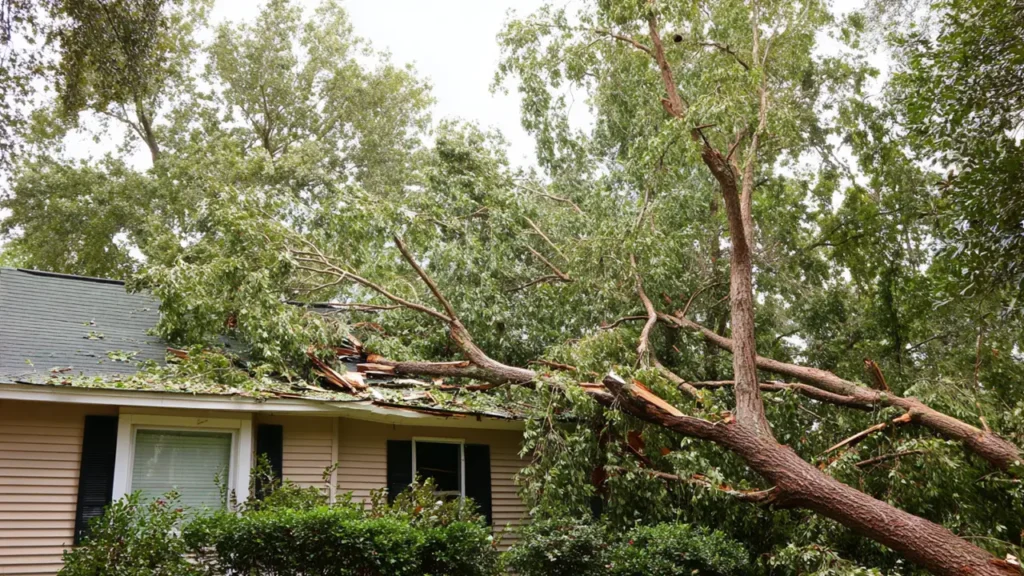
Falling debris from tree canopies can lead to significant damage to roof shingles, particularly asphalt types that are prevalent in Thonotosassa. As leaves, twigs, and larger branches accumulate, they can create a breeding ground for mold growth and contribute to water infiltration, compromising the roofing system. Over time, repeated impacts may loosen shingles, exposing underlying materials to moisture. This can result in costly repairs and reduce the overall life of your roof, necessitating professional inspection and timely intervention to prevent structural problems.
Impact of Leaves and Branches on Shingles
Falling leaves, twigs, and branches can lead to significant damage to roofing systems, especially asphalt shingles. Accumulated debris creates moist environments that promote water infiltration, leading to mold growth and wood rot. Additionally, large branches can dislodge loose shingles, exposing the roof surface to potential leaks. Regular maintenance, including trimming trees and clearing debris, is essential to extend the life of your roof and prevent costly repairs. Protecting your home’s safety begins with understanding the impacts of tree canopy issues.
Effects of Florida’s Weather on Debris Damage
Extreme weather conditions in Florida significantly exacerbate the problems caused by tree canopies. Heavy rains and winds can lead to the rapid detachment of branches and leaves, resulting in immediate damage to roofs. This debris can compromise the integrity of asphalt shingles and flashing, heightening the risk of water infiltration and resultant structural problems.
Moreover, persistent bad weather often unleashes severe storms that create additional stress on trees, leading to increased likelihood of fallen trees or large branches. Regular assessments can mitigate these risks, ensuring your roof remains the first line of defense against the elements.
Roof Flashing Vulnerability Under Tree Canopies
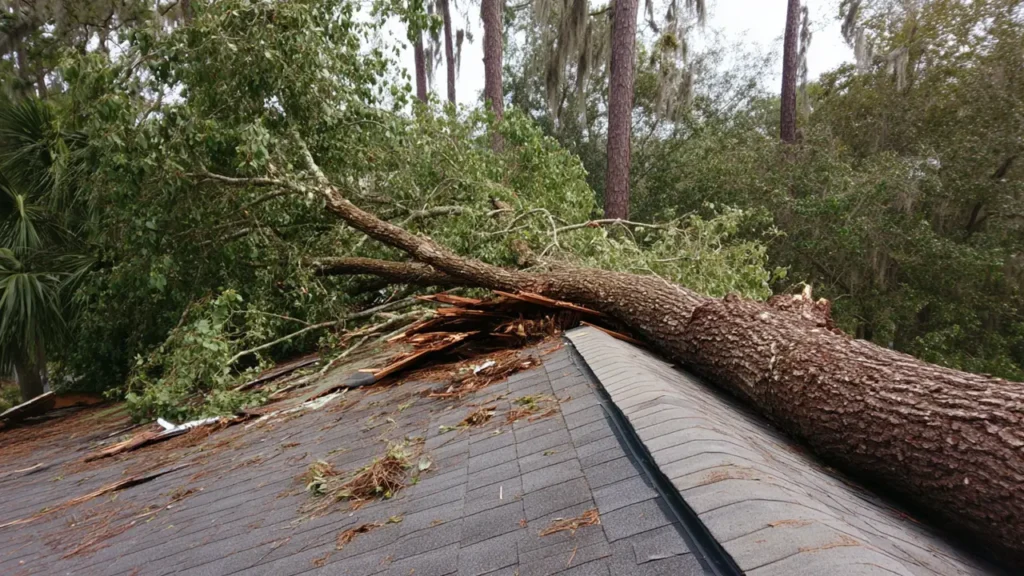
Flashing serves as a critical barrier between your roofing system and potential water intrusion. However, under tree canopies, it is exceptionally vulnerable to tree branches and falling debris. Impacts from large branches can lead to structural problems, creating openings that allow water infiltration. Homeowners should be vigilant for signs of flashing damage, as even minor impacts can progress to significant damage over time. Regular inspections by a professional arborist can mitigate these risks, ensuring your roof maintains its integrity and longevity.
Why Flashing Is Susceptible to Branch Impacts
Flashing, being the critical component that prevents water infiltration around roof edges and valleys, often becomes an easy target for falling branches. The lightweight materials used in flashing can easily buckle or break under the weight and impact of heavy debris, leading to significant structural damage. A non-intact flashing can expose vulnerable roofing systems, resulting in water damage and potential mold growth. Proper tree maintenance, including regular trimming, can mitigate these risks and enhance your home’s safety against the elements.
Signs of Flashing Damage Homeowners Should Look For
Flashing damage often manifests through visible indicators that can jeopardize a roofing system’s integrity. Homeowners should look for noticeable gaps or cracks, especially at joints where the roof meets vertical structures. The presence of water stains on interior walls or ceilings can signal water infiltration due to compromised flashing. Additionally, loose shingles or peeling paint around the roof edges may indicate structural problems stemming from flashing failure. Regular inspections can help identify these signs early, preventing costly repairs in the long run.
Preventing Tree-Related Damage
Implementing effective tree maintenance practices is essential for homeowners in Thonotosassa. Regular trimming of large branches can mitigate the risk of significant damage to roofs, especially during severe weather events. Engaging a certified arborist ensures the identification of trees that may pose threats to your home’s safety. Additionally, routine professional inspections of roofing systems contribute to early detection of any signs of damage, preventing costly repairs. Keeping gutters clean and clear of debris will also support proper water drainage and safeguard against water intrusion.
Best Practices for Tree Maintenance Near Roofs
Maintaining a safe distance between trees and roofs is crucial for preventing significant damage. Regular trimming of overhanging branches reduces the risk of falling debris, while employing a certified arborist can identify signs of disease in trees. Implementing practices such as gutter guards enhances water management, minimizing water infiltration into the roofing system. Clean gutters also prevent clogging, which is vital for maintaining your home’s safety. These proactive measures protect the life of your roof, saving homeowners from costly repairs in the long run.
Importance of Regular Roof Inspections
Regular roof inspections help catch tree damage early, preventing costly repairs. While some issues are visible from the ground, a professional inspection by GreenTek Roofing & Solar reveals hidden problems like cracked decking and damaged underlayment. As a GAF Master Elite Certified Contractor, we thoroughly assess your entire roofing system. Our detailed inspections give you a clear picture of your roof’s condition and allow us to recommend repairs before minor issues escalate—helping extend your roof’s life.
With regular inspections, you can:
- Detect minor damage early
- Prevent leaks and water damage
- Prepare for storm season
- Enjoy peace of mind knowing your home is protected
What`s Next
Addressing tree canopy issues in Thonotosassa, FL, is essential to protect your home from debris-related damage. Leaves, twigs, and branches can harm shingles—especially with Florida’s unpredictable weather—leading to costly roof problems. Regular maintenance and inspections keep your roof and flashing secure, preserving your investment. GreenTek Roofing & Solar is here to help safeguard your property. For commercial roofing needs, request a quote from our award-winning team for expert solutions.
Frequently Asked Questions
What steps should I take if a branch falls on my roof?
First, ensure everyone is safe and evacuate if you suspect structural damage. Then, call us at GreenTek Roofing & Solar for emergency repairs to prevent further issues. If the fallen tree is large or unstable, contact a professional arborist to have it safely removed before beginning roof repairs.
What is the number one cause of roof failure?
Water intrusion is the number one cause of roof failure. Whether from severe weather, age, or physical roof damage, moisture that gets beneath the shingles leads to leaks, wood rot, and mold. If left unaddressed, this can lead to the need for complete roof replacements.
Read our blog: Thonotosassa, FL Roof Repair Triage: What to Fix First After Wind-Driven Rain
Step Into
The Future of Roofing
