
 (813) 333-1963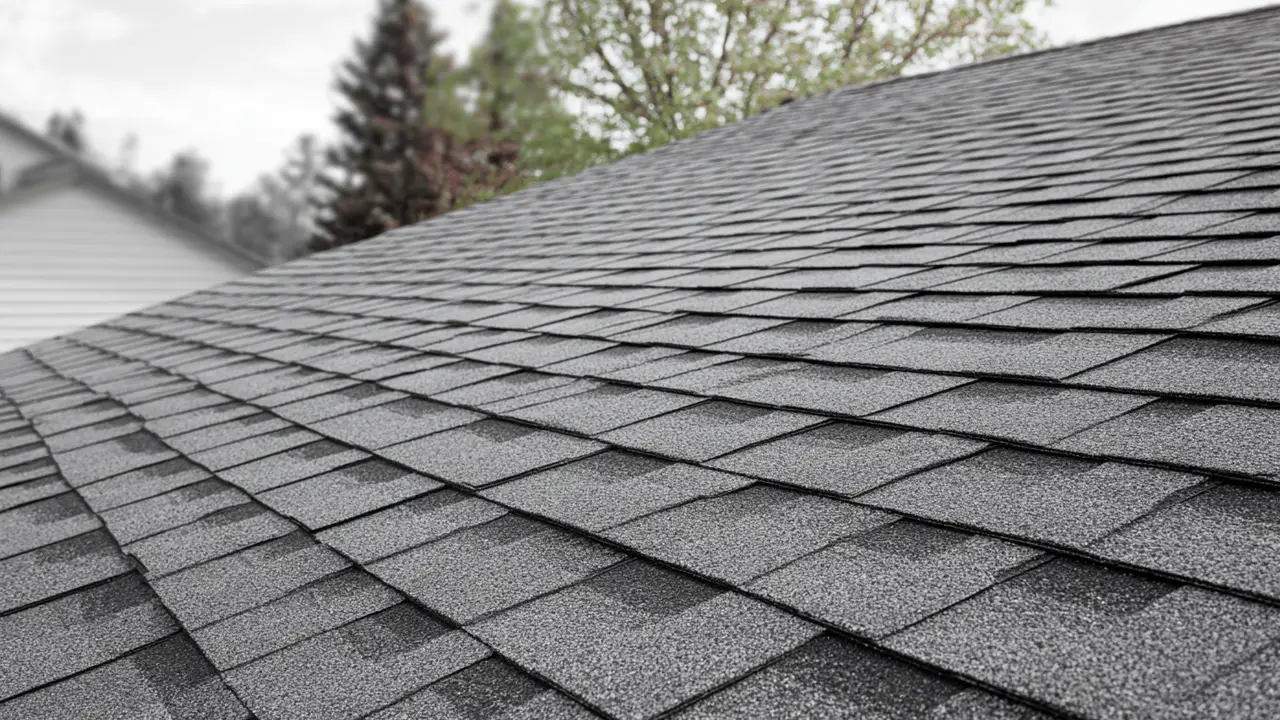
Davenport New-Build Roof Check: Common Installation Errors to Catch in the First 12 Months

Written By: GreenTek Roofing & Solar | 9 Min Read

Moving into a new home in Davenport is exciting. A new roof should offer peace of mind, but hidden installation errors can turn that dream into a problem. Some issues with a new roof are not visible right away and can lead to expensive repairs later. As a trusted local roofing contractor, we at GreenTek Roofing & Solar believe homeowners should know how to spot these problems early to protect their new home investment from the very beginning.
Understanding New-Build Roof Inspections
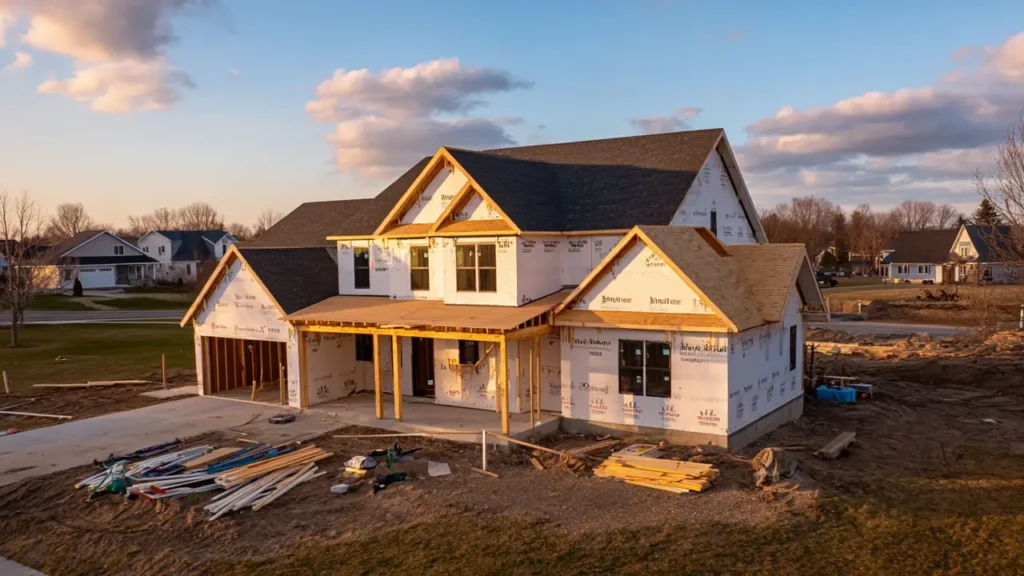
New-build roof inspections are crucial for ensuring the longevity of your home in Davenport, FL. These assessments help identify any improper roof installation, such as uneven shingle lines or poor workmanship that could lead to premature roof failure. Homeowners benefit from early identification of potential issues, reducing the risk of costly repairs and insurance claims down the line. Utilizing a qualified roofing contractor for inspections can provide peace of mind, ensuring roofing materials and techniques meet the highest standards.
Why Early Roof Checks Matter
A proactive approach to roof checks can significantly impact the longevity of your home. Newly constructed homes often face potential installation issues, making it crucial to identify roof installation problems early. Timely inspections help prevent premature roof failure and costly repairs down the line. Monitoring aspects such as improper drip edge installation or uneven shingle lines can provide peace of mind. Addressing these defects swiftly not only safeguards your investment but also ensures the durability of roofing materials used.
Our Certifications: Trust GreenTek Roofing & Solar
GreenTek Roofing & Solar is distinguished by industry-leading certifications and a commitment to quality. As a GAF Master Elite Certified Contractor, GAF 2-Star President’s Club Member, and TAMKO Diamond Pro Certified Contractor, we deliver top workmanship and service. Our credentials let us offer extended warranties for your peace of mind.
Our A+ BBB rating and 2025 Best of the Bay Contractor award reflect our dedication to excellence. With ongoing training, we ensure every project meets the highest standards. Choose us for expert roofing that protects your home.
Roof Installation Errors Common in Davenport’s Climate
The sunny and humid climate in Davenport, FL, can expose installation issues faster than in other regions. Poor installation practices can lead to premature deterioration when combined with intense sun, heavy rain, and high humidity. These local weather conditions make proper installation techniques even more critical for a roof’s longevity.
Common errors we see in the area often relate to how roofing materials handle moisture and heat. From improperly sealed flashing to inadequate ventilation, these mistakes can compromise your entire roofing system. Let’s look at how weather impacts installations and why material choice is so important.
Weather Impact on Roof Installations
Weather plays a crucial role in roof installations, particularly in regions like Davenport, where humidity and seasonal rainfall can affect material performance. Extreme temperatures can lead to granule loss on asphalt shingles and increase the risk of leaks over time. Moreover, inadequate ventilation caused by improper roof installation can result in moisture accumulation within the roofing deck. By understanding these weather-related challenges, homeowners can address potential installation issues early, ultimately ensuring the longevity of their roofs and protecting their investment.
Material Selection for Local Conditions
Choosing the right roofing materials for Davenport’s unique climate is essential for ensuring long-lasting protection against potential issues. High humidity and seasonal storms necessitate durable options like asphalt shingles, which provide good resilience and moisture resistance. Pairing shingles with adequate underlayment and flashing further enhances waterproofing, minimizing risks of leaks and deterioration. Engaging a seasoned roofing contractor familiar with local conditions can guarantee optimal workmanship, ultimately safeguarding the longevity of your roof and providing peace of mind for homeowners.
Key Roof Components to Inspect After Installation
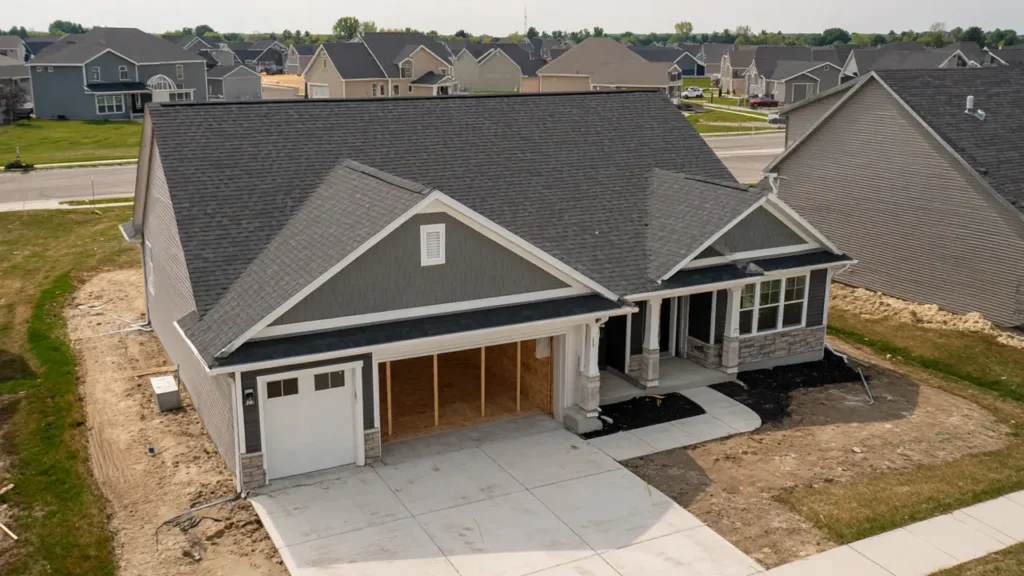
After your roof installation is complete, it is wise to inspect the key components. The shingles, flashing, and underlayment all work together to protect your home. A flaw in any one of these areas can compromise the entire system. Knowing what to look for helps you identify problems early.
Professional roof inspections can pinpoint subtle errors that an untrained eye might miss, from a sagging roof deck to improperly sealed vents. Below, we’ll detail the warning signs of incorrect shingle alignment and the flashing mistakes that can quickly lead to leaks.
Shingle Alignment Issues and Warning Signs
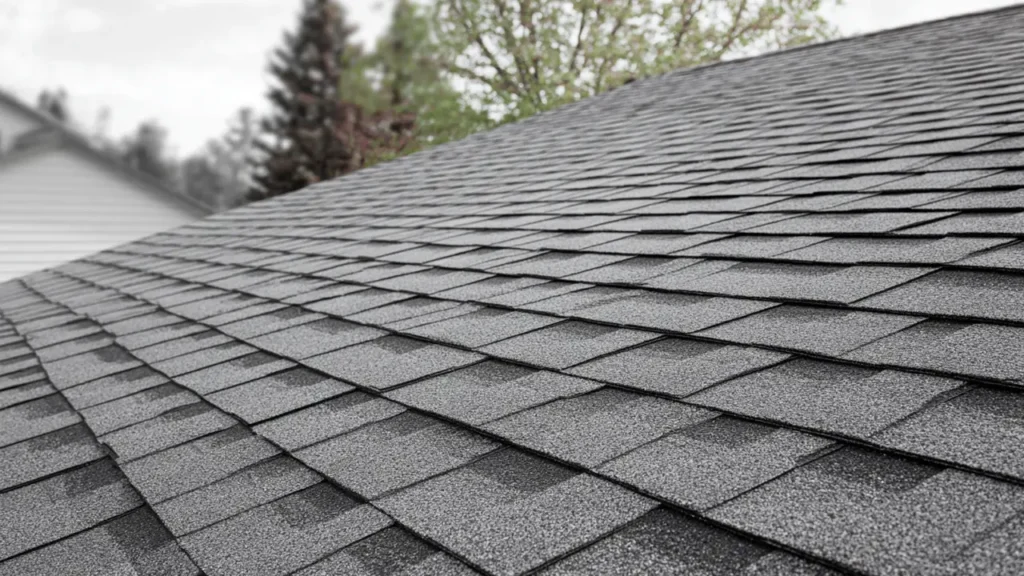
Uneven shingle lines are a clear sign of poor installation and can lead to leaks. Shingles should form straight, consistent rows across the roof. Crooked lines indicate corners were cut, which is more than just cosmetic—it can allow water in.
Other visual warning signs include buckling, warped, or lifting shingles—often caused by improper nailing or poor ventilation. Premature granule loss also suggests material defects or installation stress.
Watch for:
- Crooked or uneven shingle lines
- Exposed or incorrectly driven nails
- Cracked, buckled, or damaged shingles
- Inconsistent overhang along roof edges
Flashing Mistakes That Can Lead to Leaks
Proper flashing is essential for directing water away from critical areas of a roof, yet mistakes during installation can result in significant issues. Common errors include inadequate sealing and misalignment, which create pathways for moisture intrusion. These improperly installed flashings compromise roof durability, leading to leaks that can damage roofing decks and other structures within the home. Early detection of these flashing mistakes not only protects your investment but ensures the longevity of your new build, providing peace of mind for homeowners.
Steps to Perform a New Roof Check in the First Year
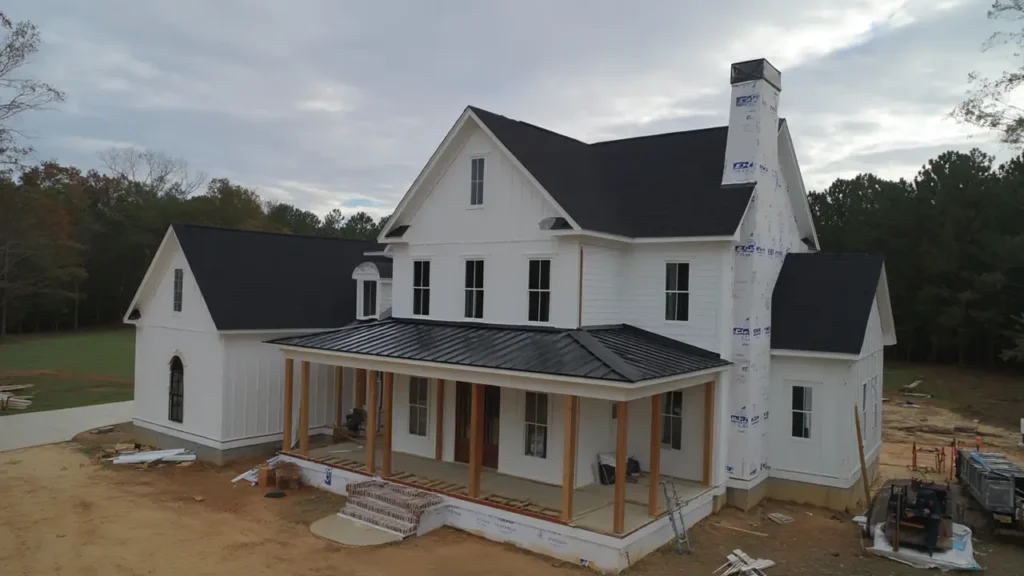
Conducting a thorough roof check within the first year is crucial for preventing costly repairs. Begin with an exterior visual inspection, focusing on shingles for granule loss or uneven alignment. Inspect flashing and drip edge installation to ensure proper drainage. Inside, evaluate the attic for signs of moisture or deterioration, paying close attention to ventilation and insulation. An organized checklist can simplify this process, helping homeowners catch potential installation issues early, thus preserving the longevity of their new roof and enhancing their peace of mind.
Exterior Visual Inspection Checklist
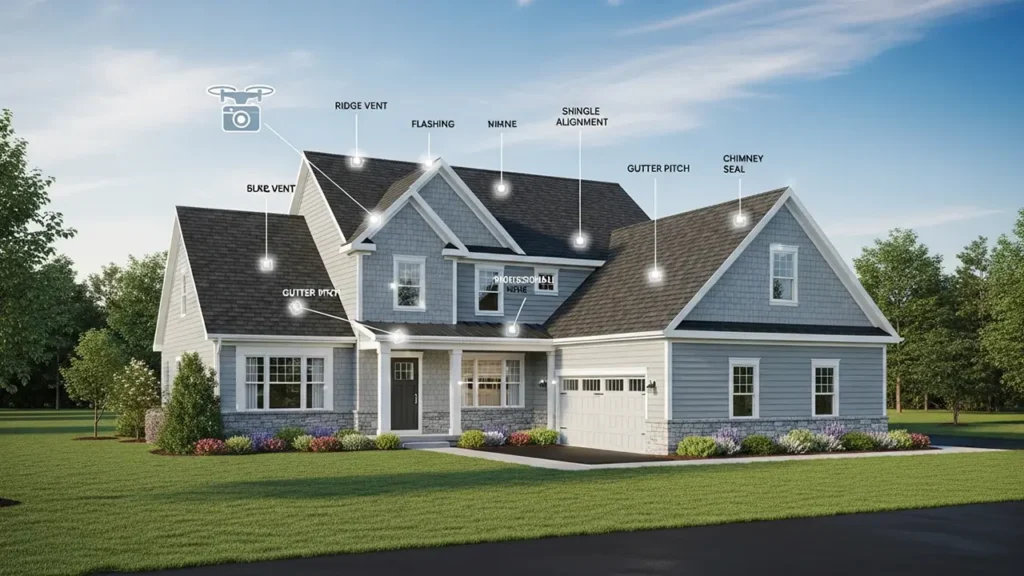
A thorough visual inspection of the exterior is crucial for identifying potential roof installation problems. Check for visibility of uneven shingle lines, ensuring proper alignment. Observe the drip edge installation; any gaps could lead to moisture issues. Pay attention to flashing around chimneys and vents, as poor workmanship here may result in leaks. Inspect the roofing materials for granule loss, signs of deterioration, and ensure that the roof deck is intact. Regular checks can significantly extend the longevity of your roof and protect your investment.
Attic and Interior Signs to Look For
Inspecting the attic and interior of your newly constructed home is crucial for identifying potential issues. Look for signs of moisture accumulation, such as water stains on the ceiling or walls, which can indicate roof leaks. Check the insulation for deterioration, as poor ventilation can lead to excessive heat buildup, compromising your roof’s longevity. Keep an eye out for uneven shingles or granule loss in the attic, as these can signal installation errors affecting your roof’s durability and overall performance.

Risks of Ignoring Early Roof Defects
Neglecting early roof defects in a newly constructed home can lead to significant risks, including potential leaks and moisture damage that compromise both the integrity of the roofing system and the health of your home. Poor roof installation can escalate into costly repairs and may even trigger insurance claims. Moreover, extended negligence increases the potential for premature roof failure, jeopardizing the longevity of your investment. Ensuring timely roof inspections will provide homeowners with peace of mind, protecting their property against deterioration.
How Small Errors Grow Into Bigger Problems
Minor installation errors can quickly escalate, leading to significant issues like leaks or a compromised roofing structure. What starts as a simple oversight—such as improper drip edge installation—can result in moisture infiltration, damaging your roof decking and insulation. As problems compound, larger repairs become necessary, often resulting in costly repairs that could have been avoided. Regularly scheduled inspections are crucial for catching these small mishaps early, ensuring the longevity of your roof and protecting your investment in your newly constructed home.
Protecting Your Investment With Timely Action
Timely action can safeguard the longevity of your home by identifying and addressing installation issues before they escalate. By conducting regular roof inspections, homeowners can detect potential leaks, granule loss, or improper installations, preserving the integrity of the roofing deck. Engaging a qualified roofing contractor ensures workmanship aligns with industry standards, minimizing the risk of costly repairs. Additionally, maintaining ventilation and proper drainage protects major appliances and insulation, providing peace of mind and fortifying your investment against premature roof failure.
In Summary
In summary, protecting the integrity of your new roof in Davenport, FL, is essential for safeguarding your investment. The first 12 months are critical—minor installation errors can quickly become major problems affecting safety and comfort. Proactive inspections and attention to common issues help ensure your roof’s longevity and performance against local climate challenges. Trust GreenTek Roofing & Solar to support you through this process. Request a quote for your commercial project today.
Frequently Asked Questions
How soon do leaks or ventilation issues appear after installation?
Leaks and ventilation issues in a newly constructed home can appear within a few weeks to several months after installation. The first heavy rainstorm may reveal leaks, while poor ventilation problems might become noticeable as you see signs of moisture in the attic during seasonal temperature changes.
What will make a roof fail inspection?
A roof can fail inspection due to any defect that violates building codes or manufacturer specifications. This includes poor workmanship, use of incorrect roofing materials, improper flashing, inadequate ventilation, and damage to the roof decking. These issues should be addressed before making the final payment.
Read our blog: Davenport Roof Maintenance for Vacation Rentals: Preventing Leaks Between Guest Stays
Step Into
The Future of Roofing
