
 (813) 333-1963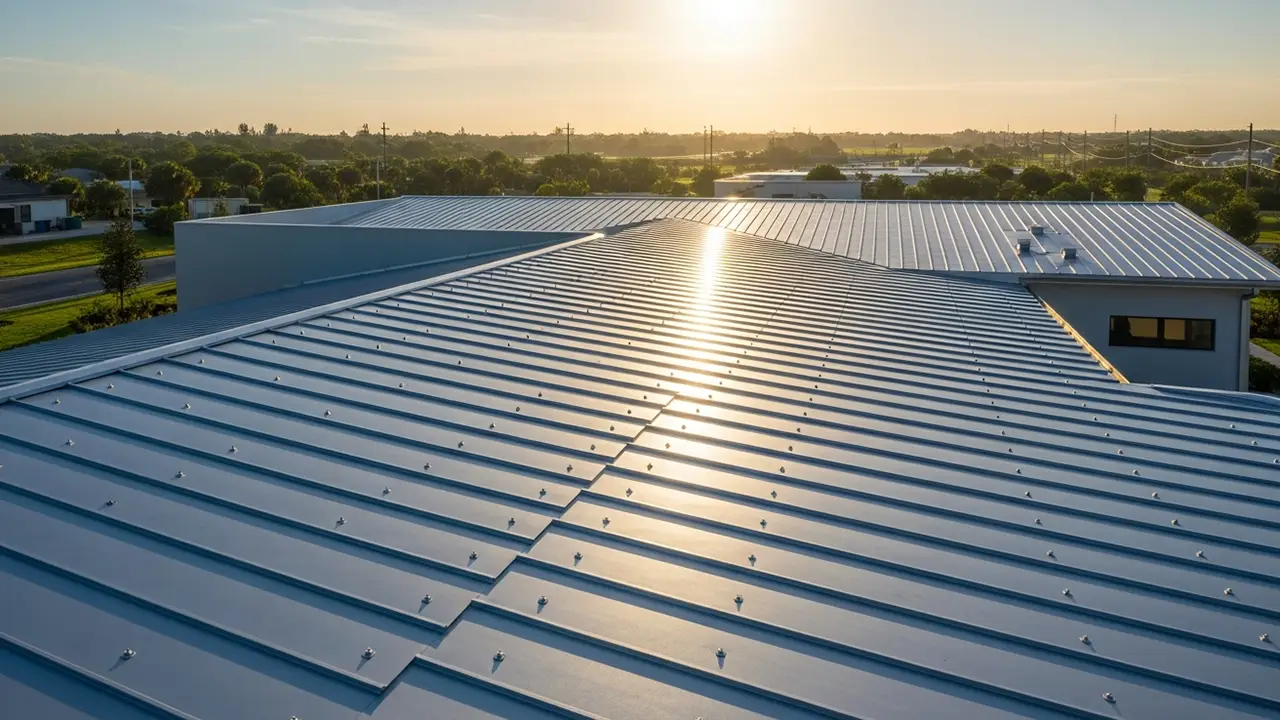
Best Metal Roof Fasteners for Oldsmar, FL: Avoiding Rust Stains and Back-Out

Written By: GreenTek Roofing & Solar | 8 Min Read

Your metal roof is only as strong as the fasteners holding it down. In Oldsmar, FL, our coastal climate creates unique challenges, from rust stains to screws backing out. Choosing the best types of metal roof fasteners is critical for the durability of your roofing system. This guide will help you understand which options provide the best corrosion resistance and secure hold, ensuring your roof stands strong for years to come.
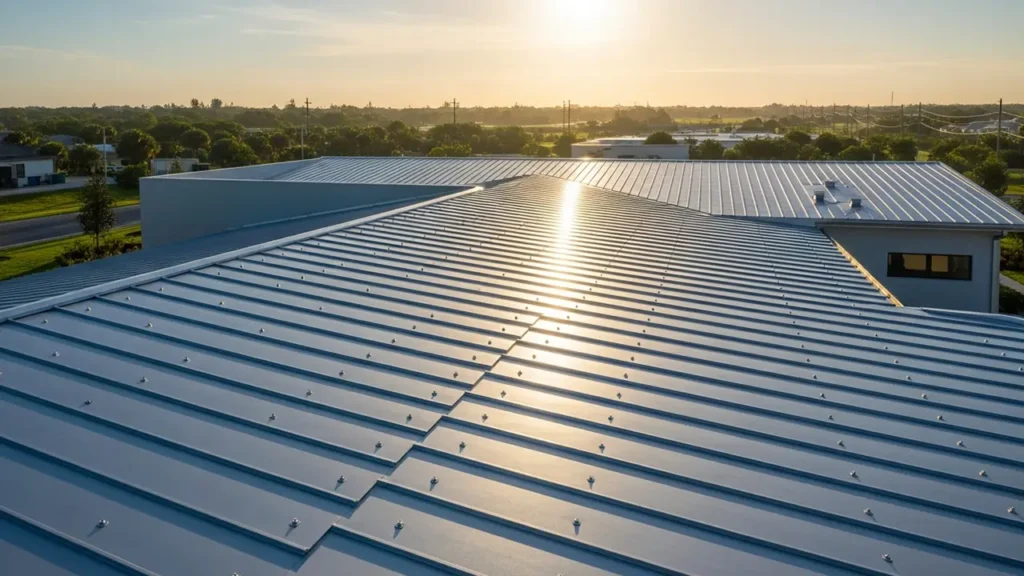
Key Considerations for Metal Roof Fasteners in Oldsmar, FL
When choosing fasteners for your metal roof in Oldsmar, FL, consider factors like material compatibility and local building codes. The right fasteners ensure durability and weather resistance, protecting your roof long-term. As a GAF Master Elite Certified Contractor, we understand how proper fastener selection prevents costly problems. Let’s look at the unique climate challenges your roof must withstand.
Climate and Coastal Challenges
Living in Oldsmar exposes your roof to harsh coastal conditions. Salt air accelerates corrosion, and high humidity promotes rust—especially if fasteners aren’t built for this environment. Unaddressed, these factors cause premature roof failure. Main challenges include:
- Salt air speeding up corrosion
- High humidity causing persistent dampness
- Intense sun degrading materials
To prevent these issues, use marine-grade fasteners. The right materials keep your roof secure and rust-free. As a BBB A+ accredited business, we recommend products proven to withstand our local climate.
Durability Requirements
To maximize your roof’s lifespan, use fasteners as durable and corrosion-resistant as the metal panels they hold. Standard steel fasteners quickly rust in Florida’s coastal climate, weakening your roof. Florida’s heat and heavy rains cause metal to expand and contract, stressing fasteners. Poorly designed fasteners can loosen, letting in water and reducing wind resistance.
Choose stainless steel or similarly resilient, strong-grip fasteners to prevent loosening. This keeps your roof secure and weathertight year-round—a standard we maintain as a TAMKO Diamond Pro Certified Contractor.
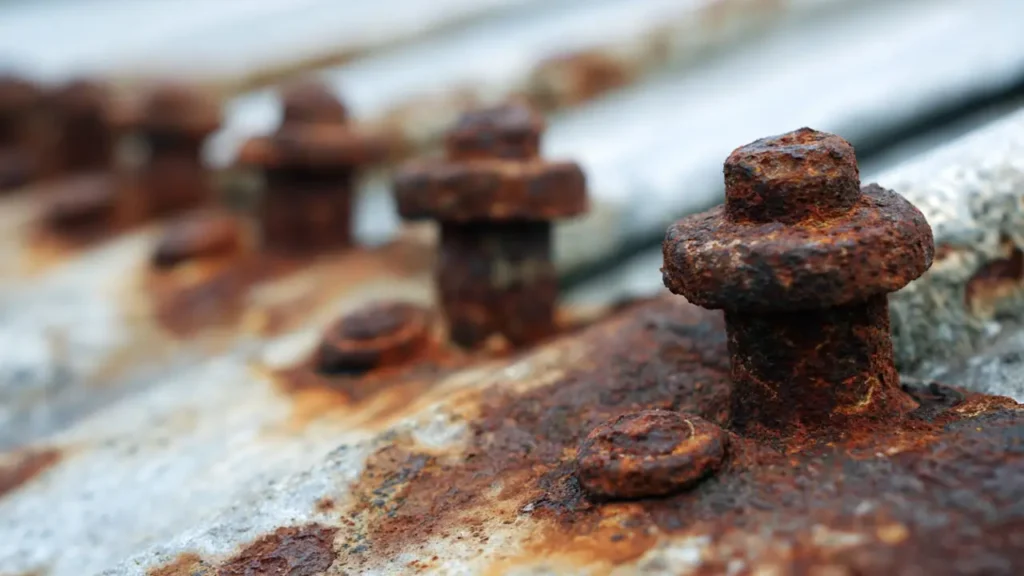
Choosing Rust-Resistant Fastener Materials
Selecting the right material for your roof fasteners is the first line of defense against rust. In a coastal, marine environment like Oldsmar, corrosion resistance is not a luxury—it’s a necessity. Materials like stainless steel are ideal, while some galvanized options may not provide sufficient long-term protection against our salty, humid air.
The choice between stainless steel and galvanized fasteners often comes down to balancing cost and performance. However, for maximum protection and peace of mind, investing in superior materials is always the smartest choice. We’ll compare these options and discuss coatings that can further enhance durability.
Stainless Steel versus Galvanized Options
Choosing between stainless steel and galvanized fasteners can significantly affect the longevity of your roofing system. Stainless steel fasteners offer superior corrosion resistance, making them ideal for humid environments and coastal areas like Oldsmar, FL. Their resistance to galvanic corrosion between dissimilar metals ensures a watertight seal, promoting a durable installation.
On the other hand, galvanized fasteners provide a cost-effective option and decent protection against rust. However, they may not withstand the test of time in extreme moisture conditions, potentially leading to premature failure.
Recommended Coatings for Humid Environments
In humid areas, even screws need extra protection. Recommended coatings guard against moisture and extend fastener life—especially in exposed systems. For harsh environments, choose fasteners with:
- Ceramic coatings for long-lasting, corrosion resistance
- Specialized polymer coatings for marine conditions
- Powder coatings that add durability and match panels
The right coating keeps your roof looking good and performing well. As a GAF 2-Star President’s Club Member, we at GreenTek Roofing & Solar use only proven products—including coated fasteners from trusted brands like Novatik Stone Coated Metal—to suit our climate.
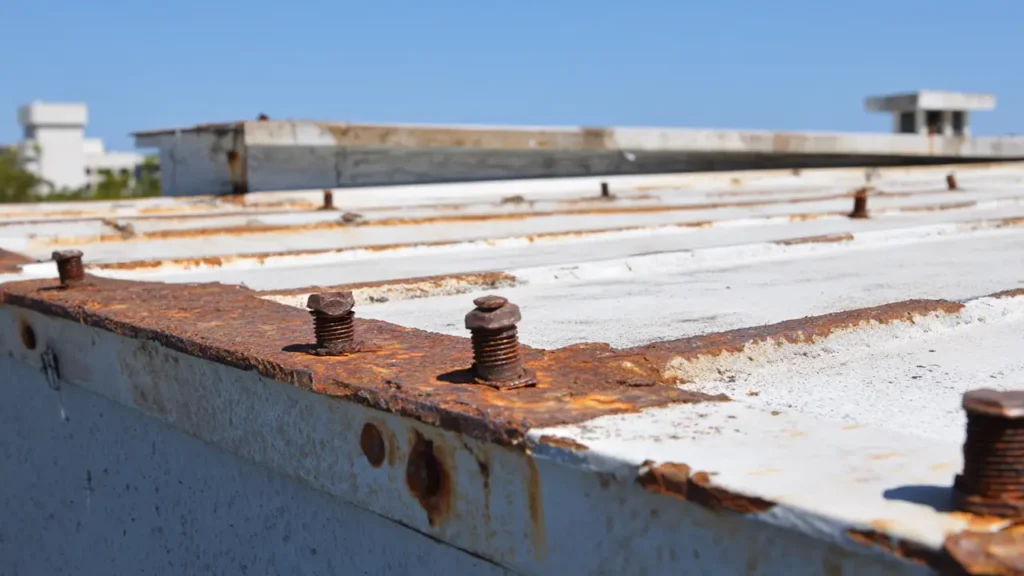
Secure Fastener Designs to Prevent Back-Out
A common problem with metal roofs is fastener back-out, where screws gradually loosen over time. This happens due to the expansion and contraction of the metal panels from temperature changes. A secure fastener design is essential to prevent this issue and maintain the integrity of your roof.
Proper fastener installation combined with the right roofing fasteners will ensure a tight, lasting fit. Technologies like self-tapping screws and high-quality washers are key to preventing movement and potential leaks. We will now look at how these features contribute to a more secure roofing system.
Self-Tapping Technology
Self-tapping technology revolutionizes the installation of metal roofing systems by allowing screws to create their own pilot holes as they penetrate the underlying structure. This innovation promotes a watertight seal, crucial for areas prone to heavy rainfall and salt air. Furthermore, stainless steel forms of these fasteners enhance corrosion resistance, ensuring longevity against environmental challenges. The unique thread pitch is designed to maximize grip and reduce the likelihood of back-out, providing peace of mind for homeowners in coastal regions.
Watertight Washer Selection
Selecting the right watertight washer is crucial for ensuring a durable and effective metal roofing system. These washers provide essential protection against the elements, particularly in coastal areas where salt air can accelerate corrosion. Opt for washers specifically designed for your type of metal roofing panels to enhance the integrity of the installation. Utilizing stainless steel nuts and bolts in conjunction with a high-quality washer can significantly reduce the risk of leaks while prolonging the longevity of your roof.
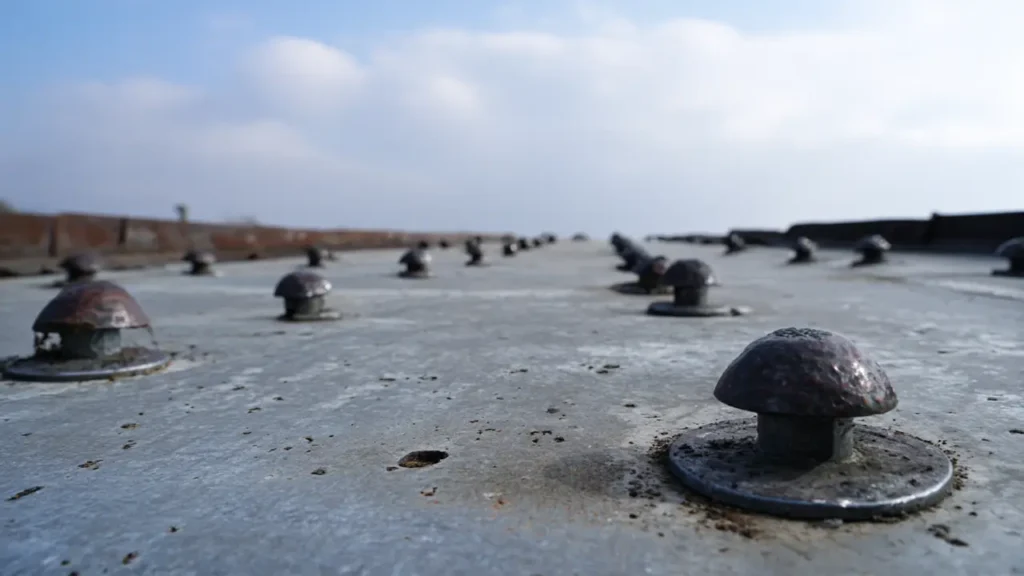
Exposed vs. Concealed Fasteners
When planning your metal roof, you’ll have a choice between two main types of installation systems: exposed or concealed fasteners. Exposed fasteners are visible on the surface of the metal roofing panels, while concealed fasteners are hidden beneath them, creating a smooth, seamless appearance.
Each system has its own set of advantages and potential drawbacks, especially concerning rust and long-term performance. Understanding the differences between these two options is key to choosing the right roofing system for your home and avoiding future issues.
Risks and Benefits of Exposed Fasteners
Exposed fasteners can significantly affect the performance and longevity of a metal roofing system. One notable risk includes the potential for water infiltration if not installed correctly, compromising the watertight seal necessary to prevent corrosion. However, the benefits include ease of installation and repair, allowing quicker access to the underlying structure. Adequately chosen exposed fasteners made from corrosion-resistant materials can mitigate risks and enhance overall durability, providing a balance between practicality and long-term performance in various climatic conditions.
Advantages of Concealed Systems
A concealed fastener system offers significant advantages for metal roofs, particularly in coastal regions like Oldsmar, FL, where salt air and humidity can accelerate corrosion. By placing fasteners beneath the surface of the metal panels, these systems not only enhance the watertight seal but also protect the screws from exposure to the elements, thereby reducing the risk of premature failure. This design promotes longevity and aesthetic appeal, making it a smart choice for homeowners seeking both durability and peace of mind.
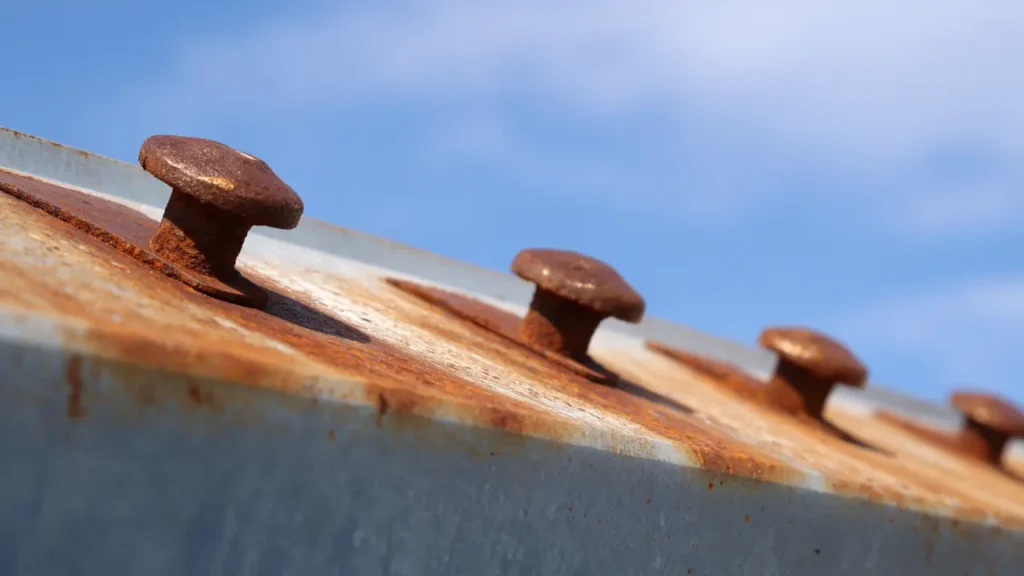
Maintenance for Rust-Free Metal Roof Fasteners
Even with the best materials, a little maintenance goes a long way in keeping your metal roofing fasteners in top condition. Regular checks help you catch potential issues before they become major problems, ensuring maximum corrosion resistance and prolonging the life of your roof.
Simple inspection and replacement planning, along with occasional cleaning, are all it takes to keep your fasteners from rusting. These proactive steps are key to protecting your investment and ensuring your roof continues to perform beautifully for decades.
Inspection and Replacement Planning
Regular inspections keep your metal roof fasteners secure and rust-free. Check your roof at least once a year, especially after major storms, and look for loose, missing, or rusty fasteners.
Promptly replace any corroded or damaged fasteners to prevent leaks and further damage. Fastener replacement is standard maintenance, especially for exposed systems. Washers often need replacing every 10–15 years, even if the screws are fine. Timely fastener replacement prevents bigger issues. A professional inspection from a certified contractor like GreenTek Roofing & Solar—2025 Best of the Bay Contractor—can help you create an effective maintenance plan for your Oldsmar home.
Cleaning Tips to Reduce Corrosion
Regular maintenance is crucial for protecting your metal roofing system from corrosion, especially in humid coastal areas like Oldsmar, FL. Utilize a soft brush along with mild soap and water to gently remove dirt and debris, ensuring the underside of the roofing panel is free from contaminants that can promote rust. Frequent inspections of seams and fasteners for signs of wear can help address any potential issues quickly, providing peace of mind and extending the longevity of your roof.
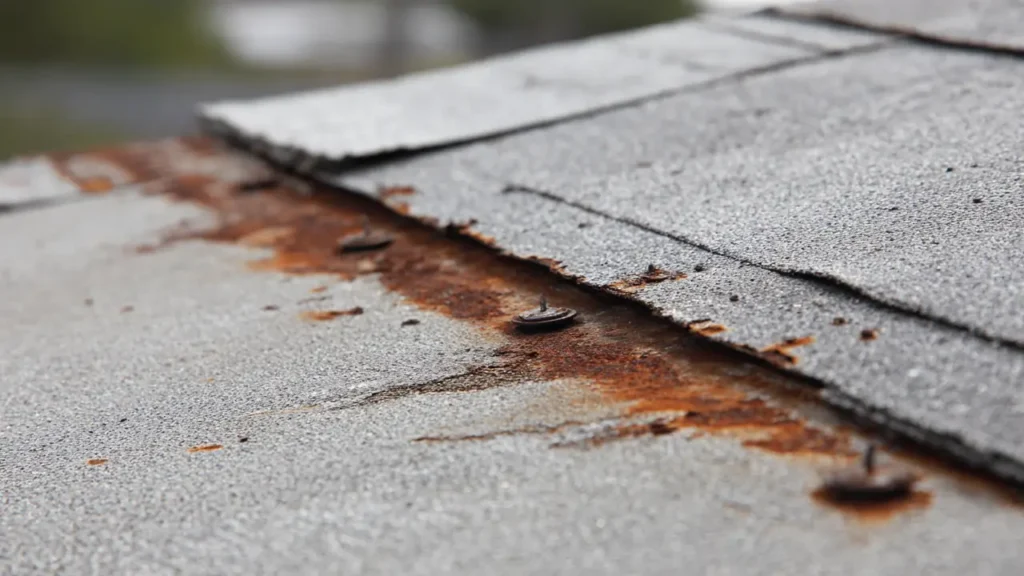
Get Quotes from Us
In summary, choosing the right metal roof fasteners in Oldsmar, FL is essential for durability and performance. The coastal climate requires rust-resistant options to prevent corrosion and back-out issues. Understanding stainless steel vs. galvanized materials and secure designs helps you make informed decisions for a long-lasting roof. Regular maintenance also protects your investment. Ready to upgrade? Get quotes from GreenTek Roofing & Solar today!
Frequently Asked Questions
What causes screws to back out on a metal roof?
Screws back out due to the natural expansion and contraction of metal roofing panels caused by temperature fluctuations. Improper fastener installation, such as an oversized pilot hole or under-tightening, weakens the grip on the roof deck and accelerates this process, leading to loose screws.
How to keep a metal roof from rusting?
To prevent rust, choose materials with high corrosion resistance, like stainless steel fasteners and quality panels from partners like GAF and TAMKO. Applying a protective coating and performing regular maintenance and cleaning to remove salt deposits are also key steps in rust prevention.
Read our blog: Oldsmar Roofing and Salt Air: How Coastal Corrosion Impacts Metal Roof Components
Step Into
The Future of Roofing
