
 (813) 333-1963
Roof Ventilation Troubleshooting for Wesley Chapel, FL: Hot Attic, Mold Smell, and High Power Bills

Written By: GreenTek Roofing & Solar | 9 Min Read

Are you noticing your attic feels unusually hot, or are your energy bills climbing without explanation? These could be signs that your home’s roof ventilation isn’t working as it should. Proper attic ventilation is essential in Wesley Chapel, FL, for protecting your home’s structure, maintaining comfort, and keeping energy costs down. This guide will help you troubleshoot common ventilation problems and find the right solutions for your home.

Key Signs Your Roof Ventilation Isn’t Working Properly
Several signs can indicate that your roof ventilation isn’t functioning effectively. A hot, stuffy attic space is a clear indicator of inadequate airflow, leading to excessive heat buildup and increased energy costs. Additionally, musty or moldy odors indoors often signify moisture accumulation in poorly ventilated areas. Other symptoms include higher energy bills, which may result from your cooling system working harder to combat excessive heat, and visible water stains, hinting at potential moisture damage and roof deterioration.
Hot, Stuffy Attic Spaces
Increasing temperatures in attics can indicate inadequate ventilation, leading to significant heat buildup. This stale, hot air creates a stifling environment, promoting moisture accumulation and encouraging a musty smell. Without proper airflow, the risk of costly repairs due to structural damage heightens as materials, like wood, may be jeopardized by excessive humidity and heat. A thorough investigation of your ventilation system and roof design is essential to ensure consistent air exchange and maintain a healthy attic space conducive to preserving the lifespan of your roof.
Musty or Moldy Odors Indoors
A musty or moldy odor in your home is often a clear indicator of poor attic ventilation and excess moisture accumulation. These unpleasant smells typically arise from mold growth, which thrives in high humidity conditions. Inadequate airflow can lead to moisture buildup in the attic space, damaging not only your indoor air quality but also the structural integrity of your roofing system. Addressing these odors promptly is essential, as they signify potential health risks and costly repairs down the line.
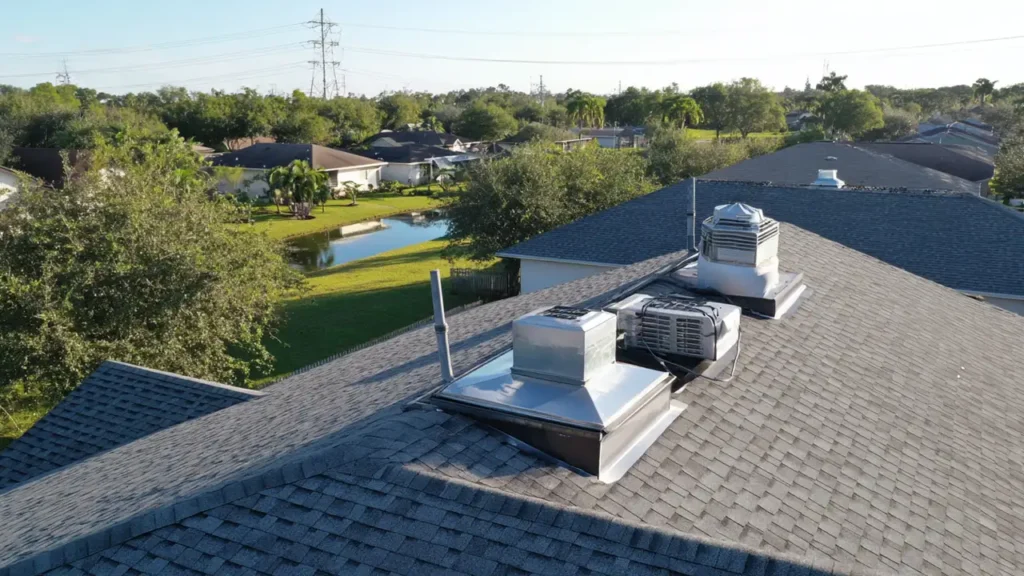
Hidden Dangers: High Power Bills & Poor Air Quality
Beyond the visible signs, a faulty ventilation system creates hidden problems that impact your wallet and your health. High energy bills and poor indoor air quality are two of the most significant consequences of inadequate airflow. These issues can develop slowly, making them easy to overlook until they become serious.
Yes, high electricity bills are directly linked to poor roof ventilation, especially during Florida summers. A poorly ventilated attic dramatically reduces your home’s energy efficiency and can introduce harmful allergens into your living space. Let’s examine how bad ventilation drives up costs and affects your family’s well-being.
How Bad Ventilation Raises Energy Costs
Poor ventilation significantly contributes to rising energy costs, as hot air gets trapped in the attic, leading to excessive temperatures. This forces your air conditioning system to work harder, thus resulting in increased utility bills. Inadequate airflow can also lead to moisture buildup, increasing humidity levels and compromising indoor air quality. As a result, homeowners may encounter higher energy expenses and prolonged wear on their HVAC systems, ultimately leading to costly repairs or premature replacement of the roofing system.
Impact on Home Comfort and Health
Uncomfortable indoor temperatures significantly impact home comfort and health. Poorly ventilated attics lead to excessive heat buildup, raising energy bills as HVAC systems struggle to maintain optimal temperatures. This environment encourages moisture accumulation, creating ideal conditions for mold growth, which can harm indoor air quality. Homeowners may also experience increased health risks, such as respiratory issues, due to the musty smells and airborne contaminants stemming from inadequate ventilation. Prioritizing proper roof ventilation enhances living space comfort and promotes a healthier home environment.
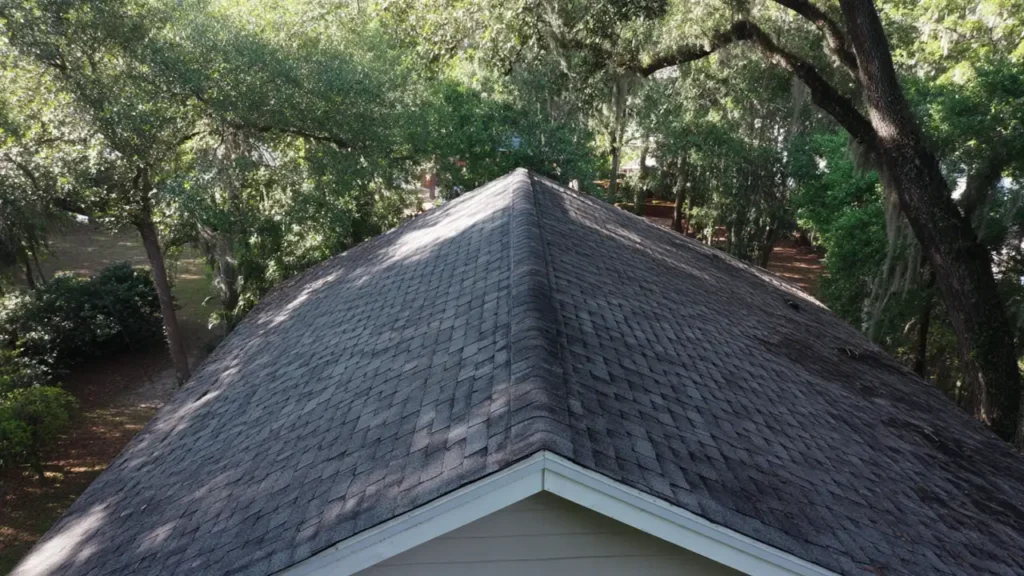
Why You’re Getting Mold Smells and Moisture in the Attic
Excessive moisture accumulation in the attic often leads to unpleasant mold smells, indicating ventilation issues. Poorly ventilated attics trap humid air, creating an environment ripe for mildew growth and wood rot. This stagnant moisture can cause significant structural damage and deterioration of roofing materials. Inadequate ventilation hinders the proper airflow necessary for maintaining an optimal attic temperature, exacerbating the problem. Identifying and addressing these signs of poor ventilation is crucial to preserving both indoor air quality and the longevity of your roofing system.
Common Sources of Attic Dampness
Attic dampness is usually caused by moisture from daily activities like showering, cooking, and laundry. Warm, humid air rises and gets trapped in poorly ventilated attics, especially in Wesley Chapel’s humid climate. This leads to condensation on cooler attic surfaces, resulting in water stains, damp insulation, and wood rot—clear signs of ventilation issues.
Common signs of attic dampness include:
- Persistent musty odors (suggesting mold or mildew)
- Water stains on ceilings or rafters
- Damp or compressed insulation
- Rust on metal parts like nails or duct straps
How Ventilation Prevents Mold Growth
Effective ventilation serves as a crucial barrier against mold growth in attics. By promoting proper airflow, it reduces moisture accumulation, which is a primary catalyst for mildew and mold. Proper roof ventilation allows humid air to escape, preventing it from condensing on cold surfaces like roof decking. This not only maintains optimal attic temperature but also enhances indoor air quality. Thus, regular checks of the ventilation system can prevent costly repairs associated with moisture damage and preserve the longevity of the roofing system.
Troubleshooting a Problematic Roof Ventilation System
If you suspect your roof ventilation system is failing, you can take a few steps to diagnose the problem. A basic roof inspection and a check of your attic can often reveal the source of the issue, whether it’s trapped heat, strange odors, or visible moisture. Understanding what to look for is the first step toward finding a solution. Troubleshooting your ventilation system can help you decide if it’s a simple fix or if you need professional help. The following sections will guide you through the initial diagnostic steps and explain how to determine if your system is functioning correctly.
Steps to Diagnose Trapped Heat and Odor Issues
If your Wesley Chapel attic is hot, start by visually inspecting it. Check for blocked soffit vents—insulation often restricts airflow. Make sure attic fans are working; broken fans cause heat buildup. Look for moisture issues like water stains, damp insulation, or musty smells, which indicate trapped humidity. Inspect the roof from outside for damaged or blocked vents.
Troubleshoot by:
- Checking airflow at intake and exhaust vents.
- Making sure soffit vents aren’t covered by insulation.
- Confirming attic fans or turbines work.
- Spotting moisture, mold, or mildew.
- Looking for exterior vent blockages (debris or nests).
How to Check If Your Attic Ventilation Works
Assessing the functionality of your attic ventilation system involves a few straightforward steps. Start by observing airflow: fresh air should enter through intake vents while warm air exits through exhaust vents. Next, inspect the underside of your roof for moisture accumulation or any signs of mold growth, indicative of poor ventilation. During hot days, touch roof decking and wall surfaces; excessive heat on cold surfaces reveals ventilation issues. Consistent monitoring helps maintain good ventilation, thereby enhancing indoor air quality and extending the lifespan of your roofing system.
Best Solutions to Fix Roof Ventilation Problems
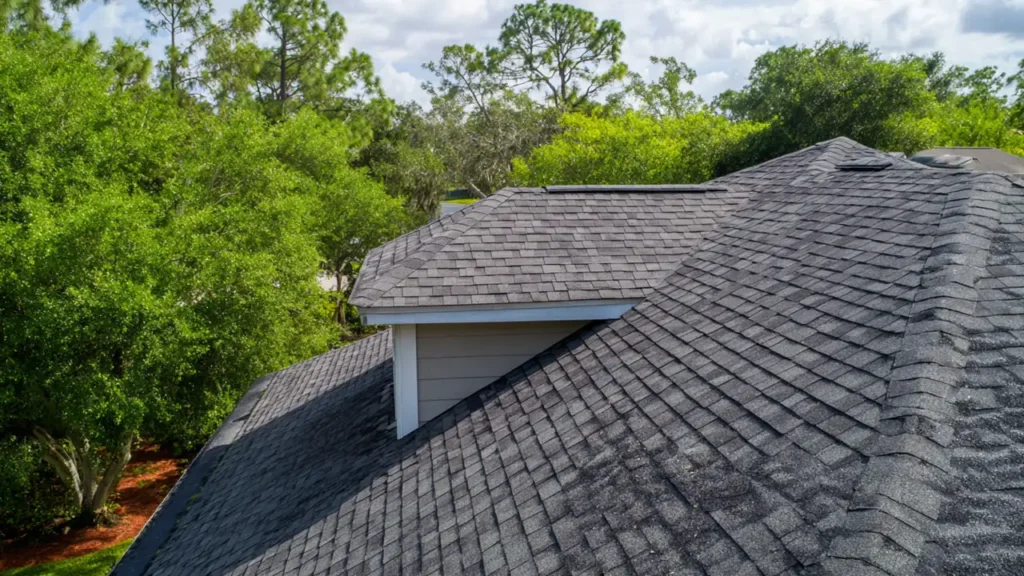
Fixing roof ventilation problems in Wesley Chapel, FL, usually means creating a balanced system of intake and exhaust vents for proper airflow. This may involve upgrading or adding vents, clearing blockages, or, in severe cases, replacing the roof.
At GreenTek Roofing & Solar, we practice “smart roofing” by tailoring solutions to your home’s needs. As TAMKO Diamond Pro certified contractors, we have the expertise to solve your ventilation issues. Here are some of the best solutions for Florida homes.
Improving or Upgrading Vents in Florida Homes
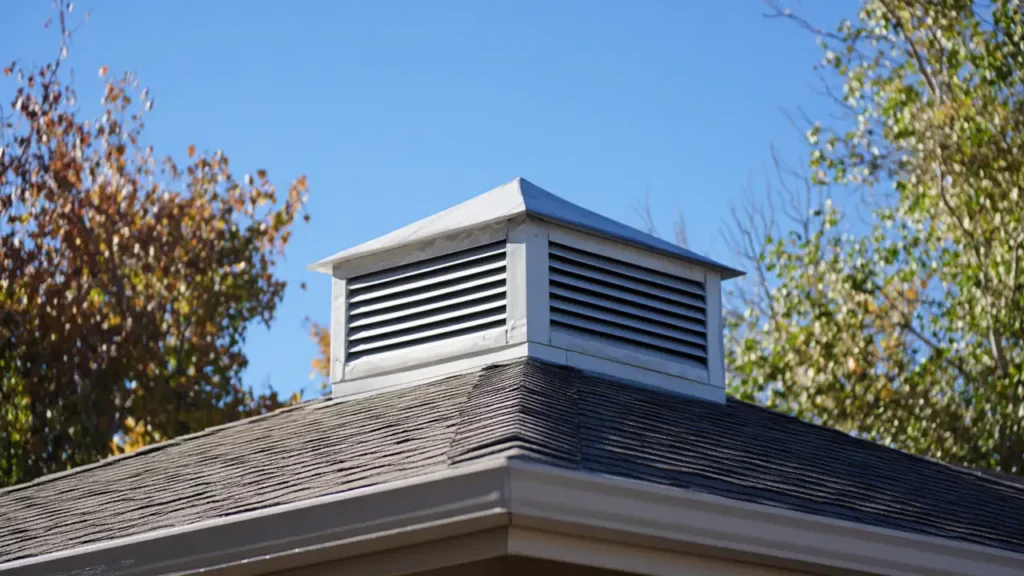
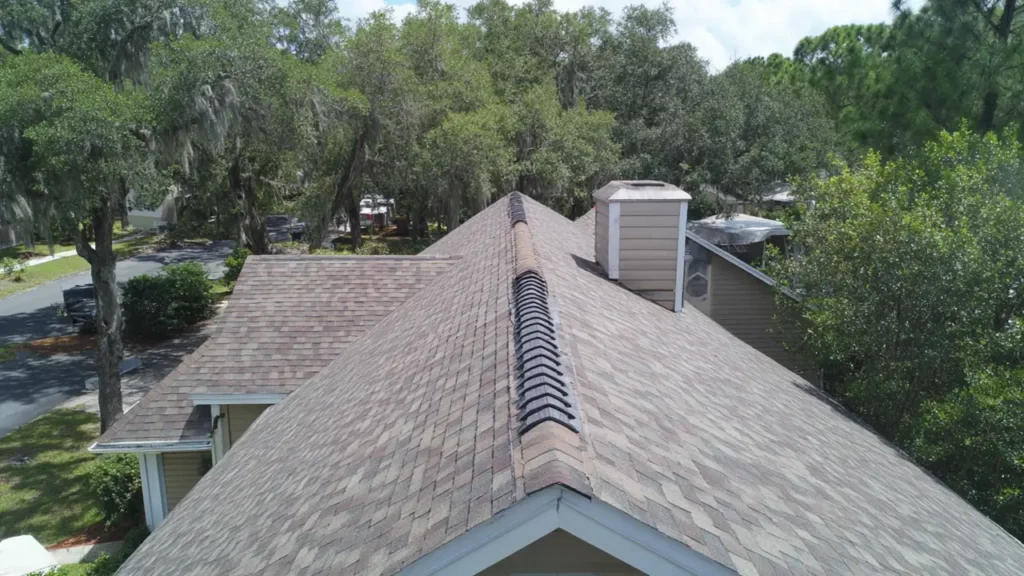
Addressing inadequate ventilation in Florida homes is essential for maintaining optimal indoor air quality and preventing moisture buildup. Upgrading to efficient ventilation systems such as gable vents, ridge vents, or attic fans can significantly enhance airflow, ensuring that excess heat is expelled and fresh air enters the attic. Proper airflow not only combats mold growth and mildew but also reduces energy costs, improving overall energy efficiency. Consulting a qualified roofing professional can help identify the best solutions tailored to your roof design and specific needs.
Choosing the Right Licensed Roofing Pro
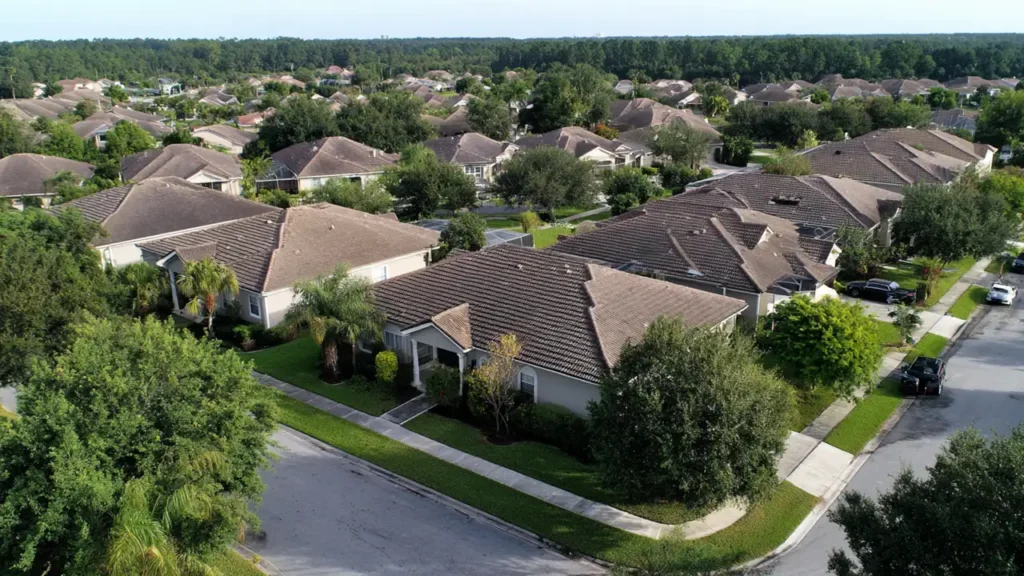
When dealing with ventilation issues and musty odors, hire a licensed, experienced roofing contractor. The right roofer will fix both the symptoms and underlying problems while ensuring compliance with Wesley Chapel, FL building codes. Choose a contractor with strong credentials. At GreenTek Roofing & Solar, we are GAF Master Elite Certified and a GAF 2-Star President’s Club Member—recognitions that reflect our quality workmanship and ongoing training.
When hiring:
- Verify license, insurance, and certifications.
- Request a detailed inspection and written estimate.
- Select a company with a solid local reputation, like our BBB-accredited A+ business.
Connect with Us
In summary, effective roof ventilation is crucial for homeowners in Wesley Chapel, FL, as it directly impacts your attic’s temperature, air quality, and energy efficiency. Recognizing the signs of inadequate ventilation, such as hot, stuffy attics and musty odors, is the first step toward addressing potential issues. By understanding common sources of moisture and implementing appropriate solutions, you can prevent mold growth and reduce high power bills. If you’re ready to tackle your roof ventilation challenges, get quotes from our expert team at GreenTek Roofing & Solar, an award-winning and trusted name in the community.
Frequently Asked Questions
Can mold in an attic be fixed?
Yes, mold in an attic can be fixed. The process involves removing the existing mold growth and, most importantly, correcting the ventilation issues that caused it. A roofing professional can restore proper ventilation to your attic space to prevent mold from returning.
How much does it cost to properly ventilate an attic?
The cost to ventilate an attic varies depending on your home’s size and the existing ventilation system. It may involve simple repairs or a full upgrade. While there is an initial investment, a proper attic ventilation system often lowers long-term energy bills. Contact a roofing contractor for an accurate estimate.
Read our blog: Why Ridge Caps Fail First in Wesley Chapel, FL Storms and How to Upgrade Them

Step Into
The Future of Roofing
