
 (813) 333-1963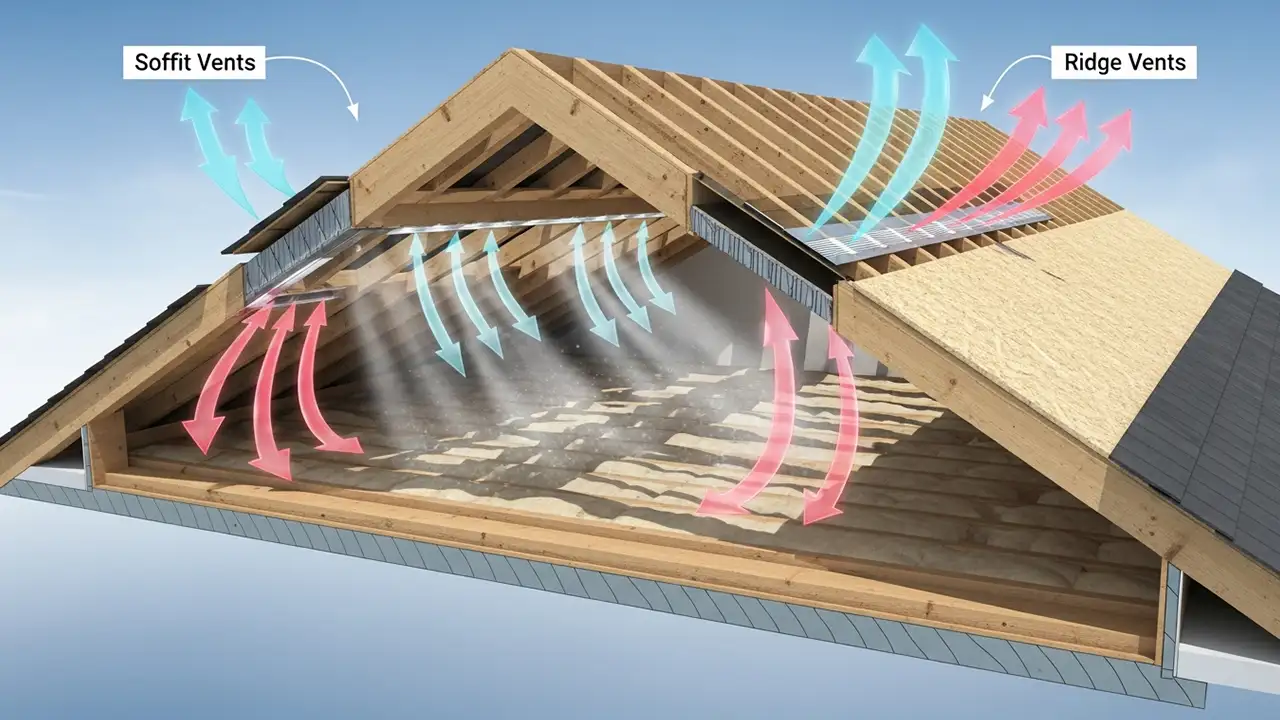
Attic Ventilation Mistakes That Shorten Roof Life in Thonotosassa, FL Homes

Written By: GreenTek Roofing & Solar | 6 Min Read

Your roof is more than just shingles; it’s a complete system designed to protect your home. A crucial, yet often overlooked, part of this system is attic ventilation. For homeowners in Thonotosassa, FL, understanding how airflow affects your attic is key to preventing costly damage and extending your roof life. At GreenTek Roofing & Solar, we know that proper ventilation is the secret to a long-lasting, healthy roof in the Florida climate.
Why Attic Ventilation Matters for Thonotosassa, FL Roofs
Effective management of attic ventilation is crucial for maintaining the integrity of roofs in Thonotosassa, FL. Adequate airflow facilitates the escape of hot air in summer while effectively controlling moisture during the humid months, minimizing the risk of severe moisture problems like mold growth and wood rot. Proper attic ventilation prevents heat buildup that can deteriorate roofing materials, ensuring that homeowners enjoy a longer roof life while optimizing indoor comfort and energy efficiency within their living spaces.
Effects of Florida’s Climate on Attic Heat and Moisture
Florida’s climate, characterized by high humidity and intense heat, significantly impacts attic conditions. Elevated outdoor temperatures can lead to excessive heat buildup within the attic space, creating a breeding ground for moisture problems. Humid air infiltrates, resulting in moisture accumulation that can promote mold growth and structural damage. Without an adequate ventilation system, this moisture can become trapped, compromising roofing materials and reducing overall energy efficiency. Proper attic ventilation is crucial in mitigating these adverse effects, ensuring a longer roof life.
How Proper Ventilation Extends Roof Lifespan
Maintaining adequate ventilation within the attic plays a crucial role in extending the overall lifespan of a roof. Proper airflow minimizes heat buildup, which can deteriorate roofing materials over time, particularly in Florida’s climate. Effective ventilation systems, such as ridge vents combined with intake vents, ensure consistent exchange between warm air and cool air. This balance reduces moisture accumulation, mitigating risks like mold growth and wood rot, ultimately protecting the structural integrity of the home and enhancing energy efficiency.
Common Attic Ventilation Mistakes
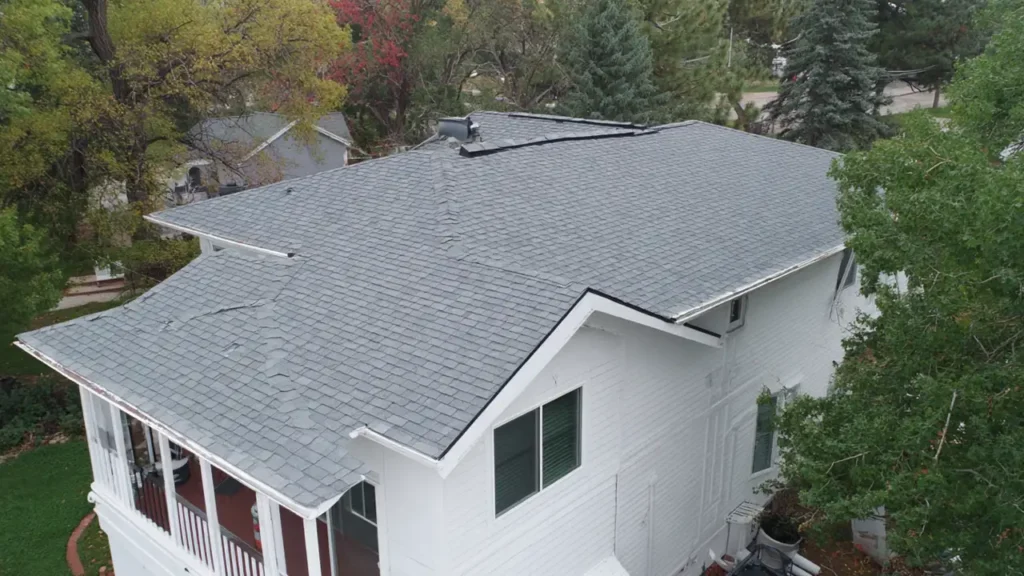
Ineffective use of exhaust vents can lead to significant problems within an attic ventilation system. Many homeowners fail to consider the correct placement and sizing of these vents, which can inhibit proper airflow and exacerbate heat buildup. Additionally, blocking soffit vents or mixing different types of exhaust vents disrupts the intended ventilation flow. These mistakes create a conducive environment for moisture accumulation and mold growth, ultimately leading to structural damage that can shorten the lifespan of roofing materials and increase energy bills.
Incorrect Vent Placement and Sizing
Improper vent placement and sizing significantly impact attic ventilation effectiveness. If exhaust vents are poorly located, hot air may remain trapped, leading to increased attic temperatures and promoting moisture buildup. Adequate ventilation is essential to maintain a balance between cool air intake and warm air exhaustion. Poorly sized vents can hinder airflow, exacerbating these issues. Consulting with roofing professionals to determine the right vent types and dimensions based on the square feet of attic space is critical for optimal ventilation and extending roof life.
Blocking Soffit Vents or Mixing Vent Types
Blocking soffit vents disrupts the essential airflow needed for effective attic ventilation, resulting in increased heat buildup and moisture accumulation. This obstruction can lead to serious moisture problems, including mold growth and wood rot. Additionally, mixing different types of exhaust vents, like box and ridge vents, can create ventilation issues where airflow becomes inadequate. Homeowners should ensure a balanced ventilation system for optimal performance, which is vital for maintaining the integrity of roofing materials and extending the roof life in Florida’s climate.
Warning Signs of Poor Attic Ventilation
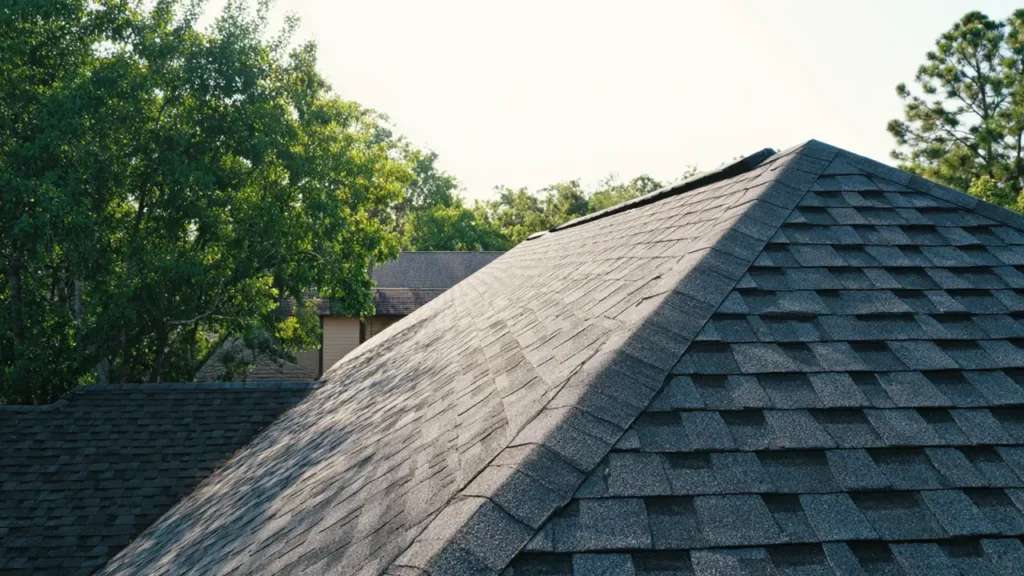
Identifying warning signs of poor attic ventilation is crucial for maintaining the health of your roof. Signs such as excessive heat accumulation in the attic can lead to moisture buildup, contributing to mold growth and wood rot. Homeowners should also look for visible indicators like moisture stains on the roof deck or walls, as well as curling shingles. These clues can signify inadequate airflow, potentially resulting in increased energy bills and significant structural damage over time.
Moisture Buildup Inside the Attic
High humidity and rising temperatures in Florida can lead to significant heat and moisture buildup inside the attic. This environment creates prime conditions for mold growth and structural damage to roofing materials. Without proper ventilation systems in place, warm air traps moisture, promoting wood rot and promoting the formation of moisture stains that can compromise the integrity of the roof deck. Ensuring adequate airflow through intake vents and exhaust vents is essential for maintaining indoor comfort and extending roof life.
Damaged Shingles and Early Roof Wear
Spotting signs of poor attic ventilation can prevent significant roof damage. Look for curled or cracked shingles, which may indicate heat buildup and moisture issues within the roofing system. Additionally, discoloration or granule loss on shingles often signifies moisture problems linked to inadequate airflow. Observing these exterior clues is crucial, as they can lead to structural damage if left unaddressed. Regular inspections by roofing professionals ensure that ventilation systems are functioning properly, extending the life of the roof and maintaining energy efficiency.
Contact Us
Proper attic ventilation is essential for extending roof life in Thonotosassa, FL. Common mistakes like poor vent placement or blocked soffit vents can cause mold and premature roof damage. By avoiding these errors and considering Florida’s unique climate, you can protect your investment and keep your attic healthy. Ready to improve your ventilation and extend your roof’s lifespan? Get a quote from GreenTek Roofing & Solar today.
Frequently Asked Questions
What are the main risks of DIY attic ventilation?
DIY attic ventilation often leads to poor ventilation due to imbalanced airflow or incorrect vent installation. This can cause severe moisture problems, violate building codes, and ultimately shorten your roof life. Professional installation ensures your system is designed correctly for Florida’s climate.
What type of roof lasts 25 years in Florida?
High-quality roofing materials like architectural shingles from GAF or TAMKO and certain metal roofing systems can last 25 years or more in Florida. However, their longevity depends on expert installation and, most importantly, proper roof ventilation to protect them from heat and moisture.
Read our blog: Leak Without Missing Shingles? Thonotosassa, FL Causes: Pipe Boots, Nail Pops, and Step Flashing

Step Into
The Future of Roofing
