
 (813) 333-1963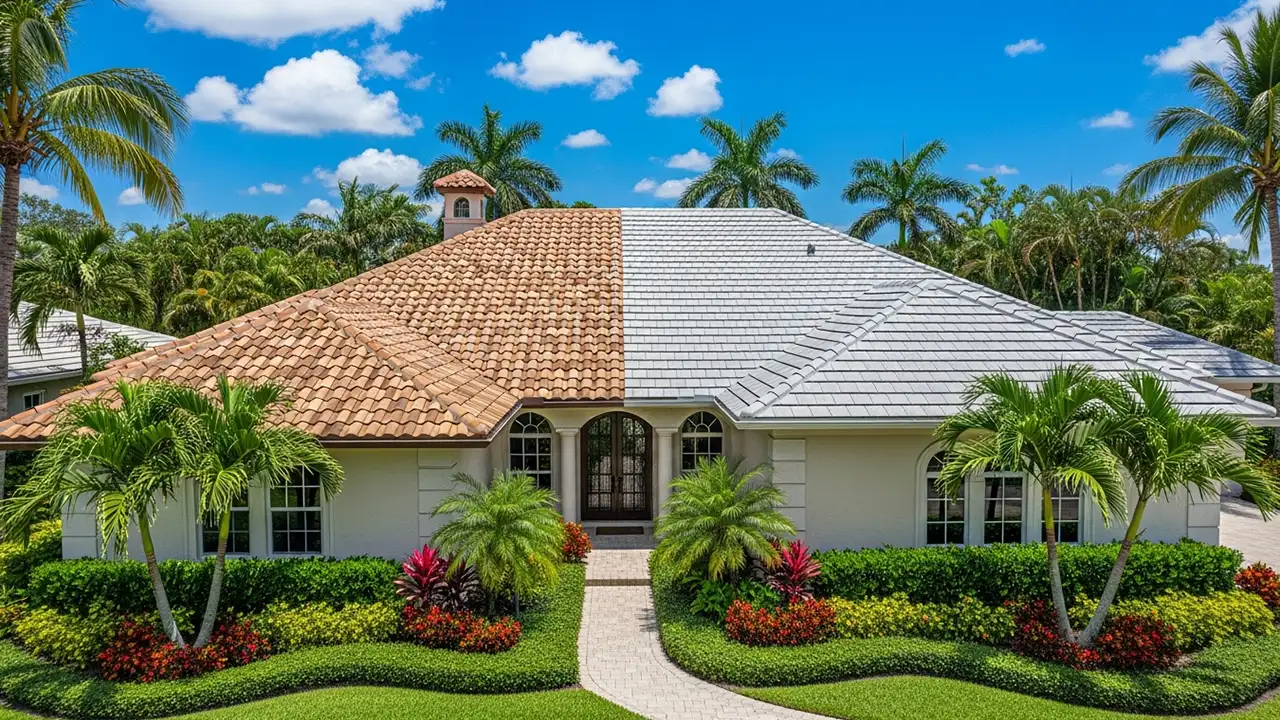
Oldsmar Tile Roofing Systems: Clay vs Concrete Tile Performance

Written By: GreenTek Roofing & Solar | 8 Min Read

Choosing the right material for your roof is a major decision. For homeowners in Oldsmar, FL, tile roofing is a popular and durable option. The two main choices, clay tile and concrete tile, both offer excellent protection and style. However, they have key differences in performance, lifespan, and cost. Understanding these distinctions will help you select the best fit for your home, budget, and long-term goals.
Tile Roofing Systems in Oldsmar: An Overview
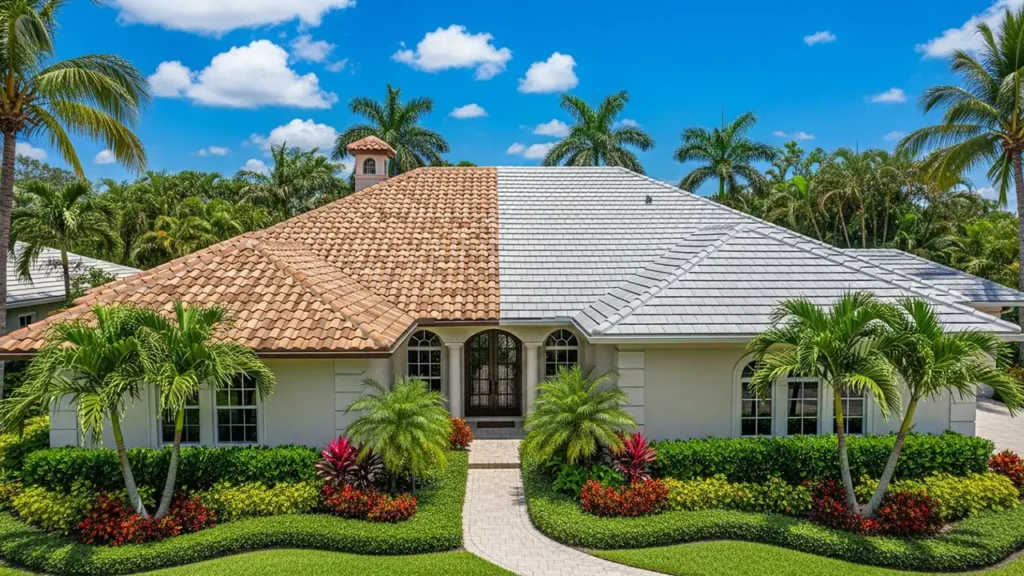
Tile roofs are a common sight on Florida homes, valued for their durability and classic appearance. These roofing systems are designed to withstand our state’s unique weather, from intense sun to heavy rain. When selecting roofing materials, it’s about more than just looks; it’s about finding a solution that offers lasting protection.
At GreenTek Roofing & Solar, we guide you through the options, helping you understand the different tile roofing systems available. We will look into how local climate affects these materials and their popularity in our community.
Climate Considerations for Roof Tiles in Oldsmar
Oldsmar’s unique climate, characterized by high temperatures, humidity, and intense UV exposure, significantly impacts the performance of roofing materials. In this environment, clay tile roofing demonstrates exceptional durability and a lower absorption rate, making it ideal for dealing with heavy rain and strong winds. Conversely, concrete tiles, while also resilient, may require more frequent maintenance to prevent issues related to moisture infiltration. Choosing the right roofing solution means assessing climate compatibility alongside aesthetic appeal, ensuring long-lasting protection for your home’s structure.
Popularity and Application of Tile Roofing Locally
Tile roofing has become a favored choice among homeowners in Oldsmar, particularly due to its exceptional durability and aesthetic appeal. The unique challenges posed by Florida’s climate, including intense UV exposure and heavy rain, make tile roofs a practical roofing solution. Additionally, the design flexibility available in both clay and concrete tiles allows homeowners to enhance their home’s curb appeal while ensuring minimal maintenance and strong weather resistance. As a result, tile roofs are gaining popularity as a long-lasting and visually appealing option for local residences.
Core Features of Clay Roof Tiles
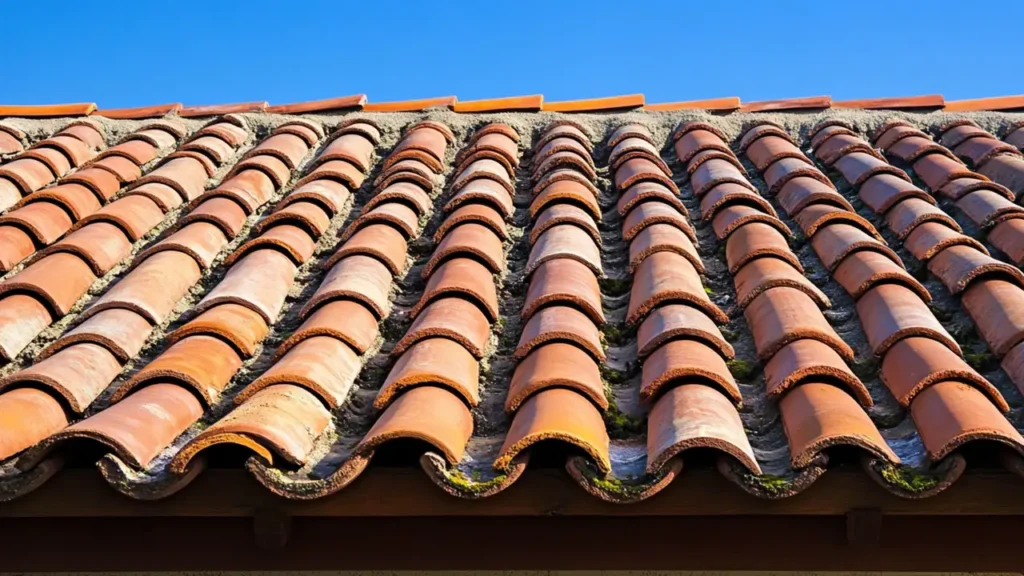
Clay roof tiles are crafted from natural clay that is baked in a kiln at very high temperatures. This process creates a dense, durable roofing tile with a color that is fired directly into the material. As a result, clay tile roofs are known for their rich, earthy tones and resistance to fading.
This natural composition gives clay roofing its distinctive character and long-lasting appeal. Let’s examine the durability and aesthetic benefits that make clay a premium choice for homeowners.
Durability and Lifespan of Clay Tiles
Exceptional durability defines clay tile roofing systems, making them a preferred choice for homeowners in climates with high temperatures and harsh weather conditions. These tiles resist insect damage and are less susceptible to fading, ensuring a long lifespan that can exceed 100 years with minimal maintenance. The natural composition of clay contributes to its strength against adverse weather effects like strong winds and heavy rain. Regular inspections help maintain their integrity, providing peace of mind and enhancing a home’s curb appeal over time.
Aesthetic Appeal and Resale Value
Clay tiles offer timeless beauty and boost any home’s curb appeal. Their classic, earthy tones are linked with luxury and high-end architecture, making properties stand out in the real estate market. A quality clay roof is a major selling point that can increase resale value. Buyers appreciate clay’s durability and low maintenance, seeing it as a smart investment—often justifying a higher price.
Key aesthetic benefits:
- Natural colors that don’t fade
- Classic, upscale look for Mediterranean and Spanish styles
- Graceful aging that enhances character
Distinct Qualities of Concrete Roof Tiles
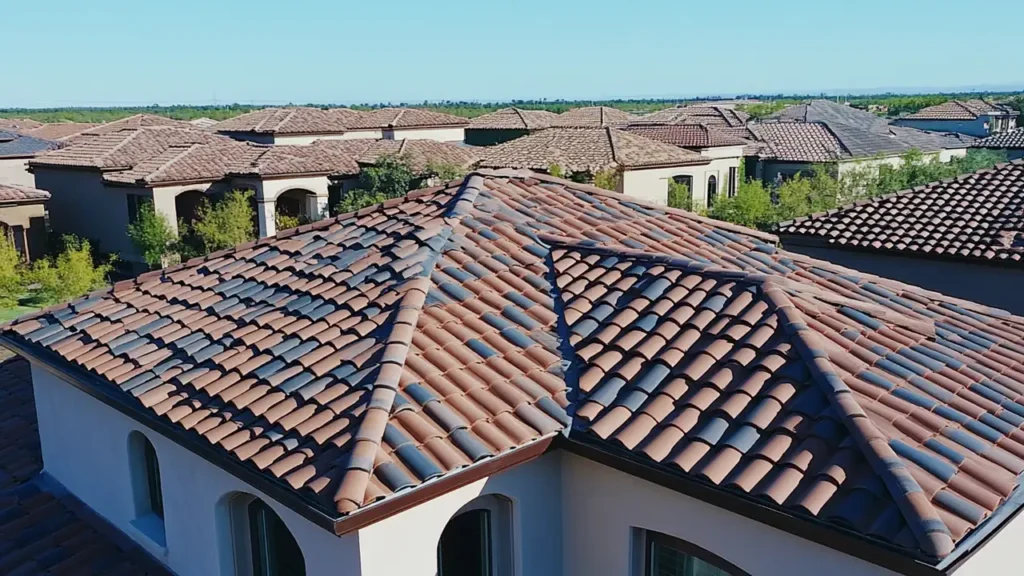
Concrete roof tiles offer a durable and versatile alternative to clay. They are made by mixing sand, cement, and water, which is then molded under high pressure and heat. This process creates a strong roofing tile that can be customized to fit a variety of styles.
Unlike clay, the color in a concrete tile is typically added to the surface, allowing for a wide range of design options. Let’s look at the strength and flexibility that make concrete tile roofs so popular.
Strength and Versatility in Design
When considering roofing solutions, the design possibilities of both clay and concrete tiles stand out. Each offers unique aesthetic appeal, with a range of color options that can enhance a home’s curb appeal. Their structural strength provides peace of mind in harsh weather conditions, ensuring longevity. Additionally, the versatility of tile roofing allows it to adapt seamlessly to various architectural styles, making it an attractive choice for homeowners. Maintaining a timeless beauty while accommodating specific needs is a key factor in their popularity.
Options for Florida Homeowners
Concrete tiles are a practical and attractive roofing option for Florida homes. Their strength is ideal for storm-prone areas, and the variety of colors lets you match your home’s exterior and boost curb appeal. These tiles also offer good energy efficiency. Their mass and air space help insulate against the sun’s heat, creating a thermal barrier that can lower cooling costs during hot summers—perfect for energy-conscious homeowners.
Consider concrete tiles for:
- Mimicking materials like wood or slate
- Lower upfront cost than clay
- Extensive color choices to suit any style
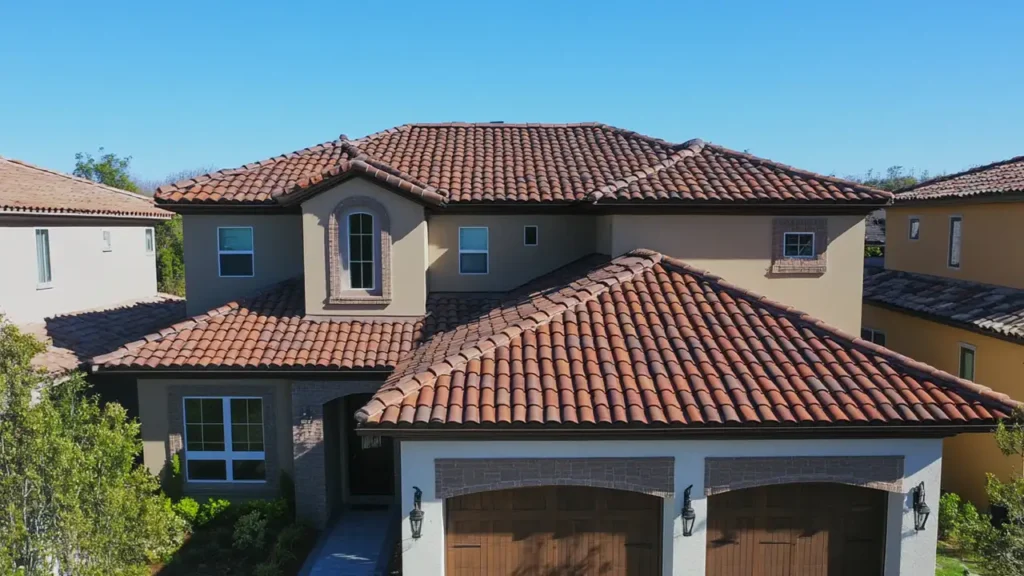
Clay vs Concrete: Performance in Oldsmar’s Weather
The performance of your roof in Oldsmar’s climate is crucial. Both clay and concrete offer excellent weather resistance, but they react differently to our sun, heat, and rain. Factors like water absorption and heat tolerance can influence long-term durability and the need for proper maintenance.
Understanding how each material holds up will help you make a confident choice. We will compare their resistance to heat and humidity, as well as their ability to withstand storms.
Heat, Humidity, and Weather Resistance
Heat and humidity present unique challenges for roofing materials in Oldsmar, FL, making the choice of tile vital. Clay tile roofing, with its natural composition, exhibits exceptional durability and a lower absorption rate, offering better heat resistance compared to concrete tile roofs. The porous structure of clay allows for efficient moisture management, significantly reducing issues caused by heavy rain. In contrast, concrete tiles can absorb more moisture, potentially affecting their lifespan and requiring more frequent maintenance, emphasizing the importance of choosing the right roofing solution.
Storm and Impact Tolerance
Storms in Florida often introduce unique challenges for roofing systems, making impact tolerance a critical factor. Clay tiles possess exceptional durability, offering superior resistance to high winds and hail compared to other roofing materials. Additionally, concrete tile roofs exhibit similar resilience, thanks to their robust manufacturing process. Both options effectively withstand harsh weather conditions, ensuring minimal maintenance requirements over time. Homeowners can achieve peace of mind knowing their tile roofing can endure intense storms while maintaining the aesthetic appeal of their properties.
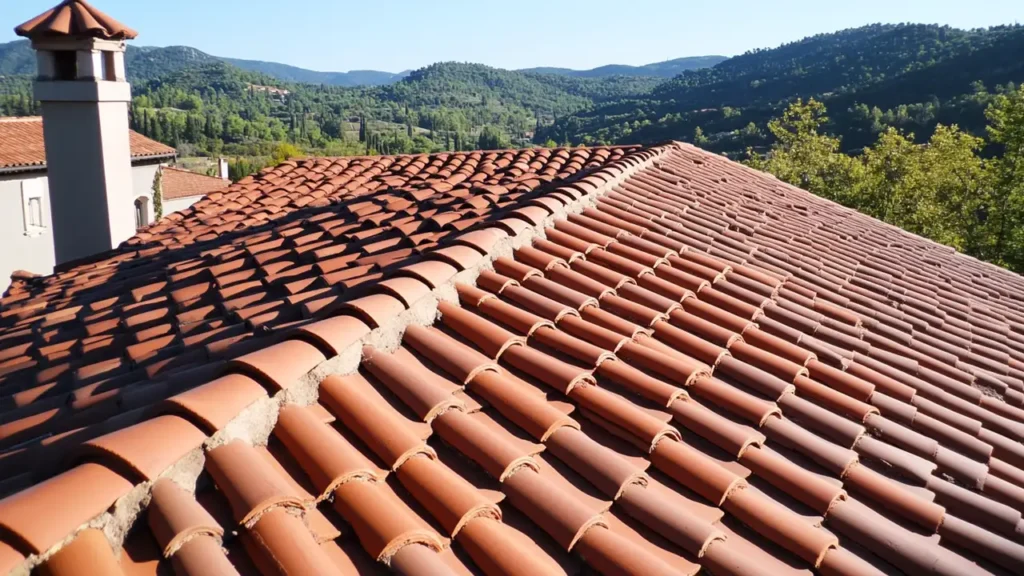
Structure, Weight, and Installation Differences
The weight of your chosen tile has a direct impact on your roof structure. Because both materials are heavy, understanding the structural requirements is essential before making a decision. Concrete is denser and heavier than clay, which often means your home’s framing may need reinforcement. The success of any tile roof also depends heavily on installation quality. We will explore how weight affects your home and what you can expect during the installation process for each material.
Weight Impact on Roof Structure
A significant factor when considering tile roofing systems involves the weight of materials used. Clay roof tiles, known for their exceptional durability, tend to be heavier than concrete variants. This added weight necessitates specific structural requirements to ensure a stable base, especially in older florida homes. Proper installation and assessment by a qualified roofing contractor are vital to accommodate this weight, addressing potential impacts on the home’s structure. Understanding these dynamics ensures long-term performance and safety of the roofing system.
What to Expect During Installation
A meticulous approach characterizes the installation of tile roofing systems. Engaging a certified roofing contractor ensures adherence to structural requirements and installation quality standards. The process may involve careful assessment of the home’s structure to handle the weight of clay or concrete tiles. Experienced contractors will oversee proper sealing methods to minimize moisture intrusion, while ensuring that the tiles are installed to maximize aesthetic appeal and durability. Preparation and attentiveness during installation are crucial for long-lasting performance in Oldsmar’s climate.
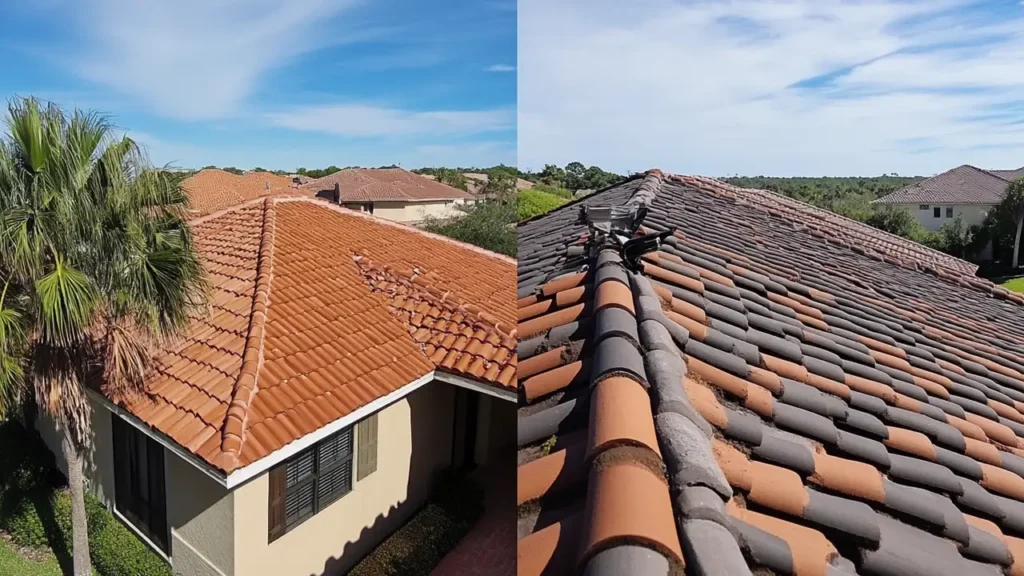
Contact Us for a Quote
In conclusion, selecting the right tile roofing for your Oldsmar, FL home is key for both durability and appearance. Clay tiles offer lasting beauty, while concrete tiles provide strength and versatility. Understanding these differences helps you choose what best fits Florida’s climate. As a GAF Master Elite Certified Contractor, we at GreenTek Roofing & Solar are committed to quality. Ready to upgrade your roof? Contact us for a quote today!
Frequently Asked Questions
Are clay roof tiles better than concrete?
Clay roof tiles are often considered better for their longer lifespan and lower water absorption, which resists fading and mildew. However, concrete tile offers excellent durability at a lower cost. The “better” choice among these roofing materials depends on your budget and long-term priorities.
Which roof tiles are strongest?
In terms of pure strength and impact tolerance, concrete tile roofing often has the edge. The manufacturing process creates a very dense roofing tile that is less brittle than clay. However, both options are extremely durable and require a robust roof structure to support their weight.
Read our blog: Standing Seam Metal Roofing Benefits for Coastal Homes in Oldsmar, FL

Step Into
The Future of Roofing
