
 (813) 333-1963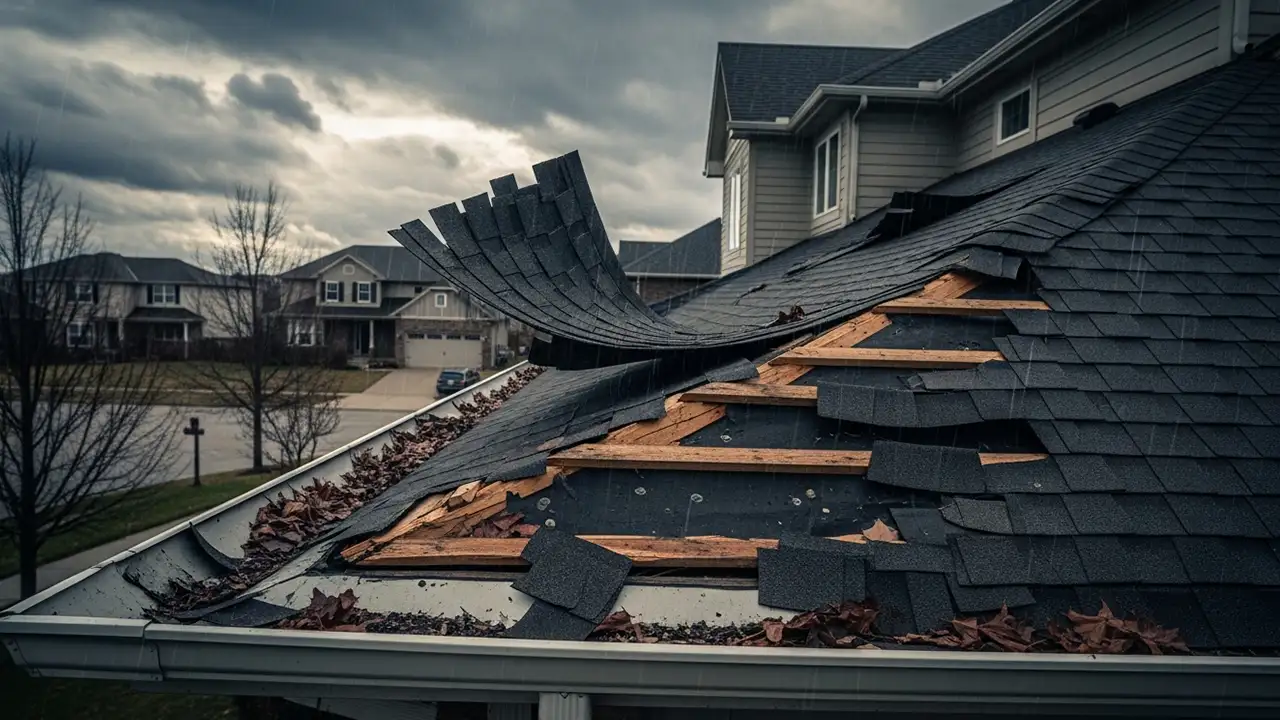
Lutz Roof Edge Installation Errors That Lead to Wind Damage

Written By: GreenTek Roofing & Solar | 8 Min Read

Your roof’s edge is the first line of defense for Florida homes against high winds. Unfortunately, many homeowners don’t realize that improper installation is a leading cause of wind damage. A poorly secured roof edge creates weak points that storms can easily exploit. Choosing an expert roofing contractor for proper installation is key to protecting your Lutz home from the severe weather we face and avoiding expensive problems down the road.
Understanding the Role of Roof Edges in Lutz Home Protection
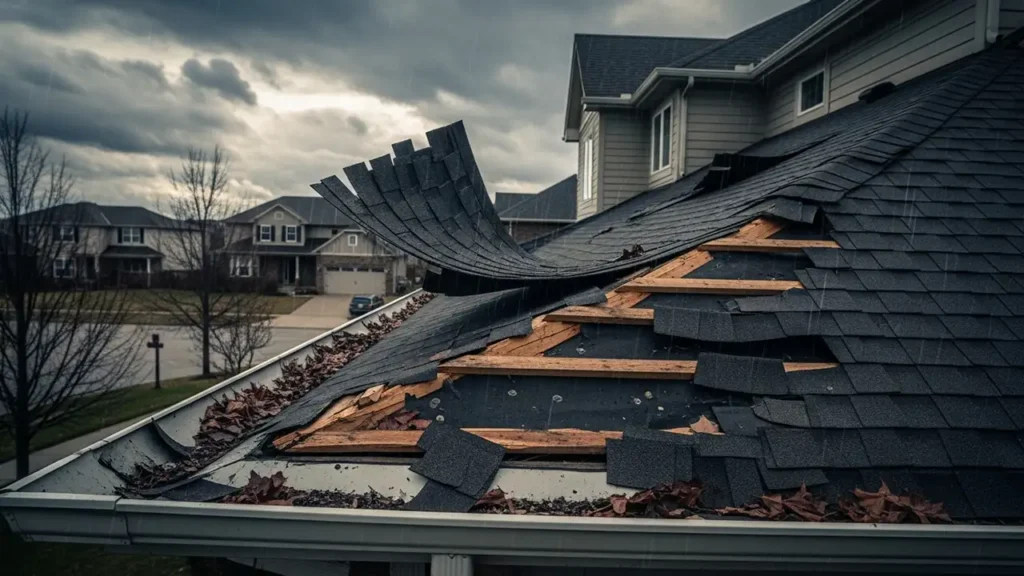
The roof edges are one of the most critical parts of your entire roofing system, especially in Lutz, FL where severe storms are common. They are designed to seal the perimeter of your roof, preventing wind and rain from getting underneath your shingles and damaging the structure. During high winds, the edges bear the brunt of the pressure.
If the roof edges are not properly installed, they become the most vulnerable point of failure. This can compromise the structural integrity of your entire roof, leading to a chain reaction of damage. We’ll explore why edge security is so vital and how our local weather puts your roof to the test.
Why Roof Edge Security Matters in High-Wind Areas
In high-wind areas like Lutz, securing your roof edge is crucial. Strong winds create uplift forces along the roof’s perimeter; a properly installed edge anchors roofing materials and resists this pressure.
If the edge isn’t secure, wind can get under shingles and underlayment, leading to a peeling effect that strips away large sections of your roof. A well-secured roof edge:
- Prevents shingle lift
- Shields the roof deck
- Maintains overall wind resistance
Even minor installation errors at the edge can cause major storm damage. While durable materials help, proper installation is essential for lasting protection.
How Florida’s Weather Challenges Roofing in Lutz
Florida’s climate puts heavy stress on roofs, especially in Lutz. Intense sun, heavy rain, and hurricane winds quickly reveal any weaknesses, particularly along the edges where wind pressure is highest. Repeated heat and moisture cause roofing materials to expand and contract, loosening fasteners if not installed properly. These weak points are most likely to fail during storms. A roof that performs well elsewhere may need repairs sooner here. That’s why professional installation tailored to Florida’s weather is essential. Experienced teams know how to secure roof edges, ensuring your home stays protected during severe conditions.
Common Roof Edge Installation Errors Found in Lutz
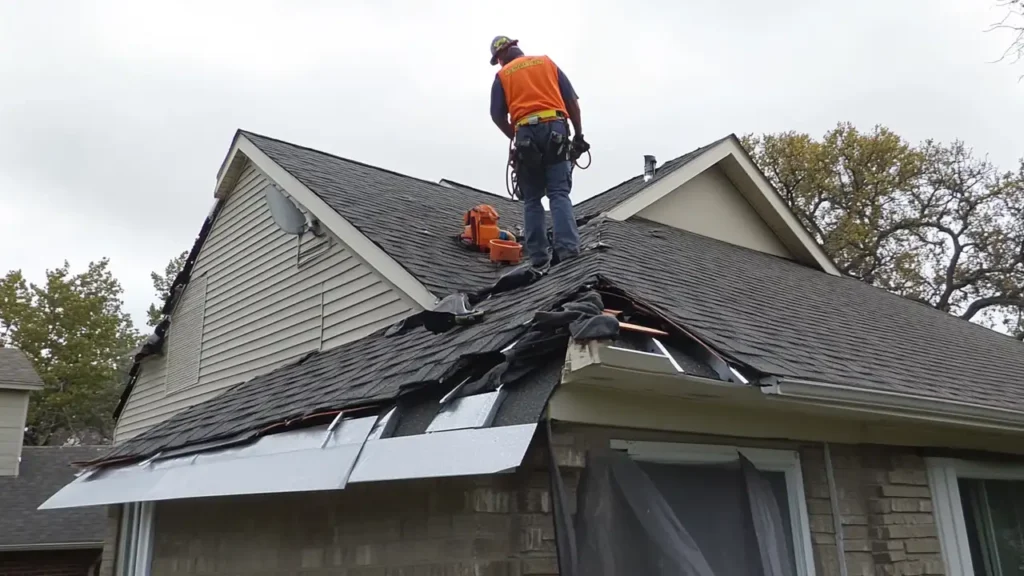
Across the roofing industry, certain installation errors are more common than others, and in Lutz, these mistakes can directly lead to significant wind damage. A less experienced roofing contractor might cut corners on the roof edge, not realizing how vulnerable it leaves the home. These seemingly small mistakes can compromise the entire roofing system. From incorrect material placement to poor fastening techniques, these shortcuts create the perfect entry point for high winds. Below, we’ll look at two of the most frequent and damaging errors we see in our area.
Improper Drip Edge Placement and Attachment
A drip edge is metal flashing installed at the roof’s edge to direct water away from the fascia and protect the roof deck. Local building codes specify proper installation for maximum protection.
A common error is installing the drip edge over the underlayment along the eaves instead of under it, letting wind-driven rain reach the wood deck. Other mistakes include:
- Reusing bent or corroded flashing
- Failing to overlap pieces correctly
- Using too few fasteners
These errors violate Florida building codes and can cause water intrusion, wind uplift, rot, and structural damage.
Poor Fastening Techniques Along the Roof Perimeter
Fastening techniques are crucial for maintaining the structural integrity of roof edges, especially in high-wind areas. Inadequate fastening can create weak points that compromise the roof’s resistance to uplift forces during severe storms. Such poor installation practices may lead to loose shingles, increased risks of water intrusion, and ultimately, costly repairs. Ensuring proper attachment methods not only fortifies the roofing materials but also extends the roof’s lifespan, providing homeowners with peace of mind during Florida’s unpredictable weather.
Warning Signs of Faulty Roof Edge Installations
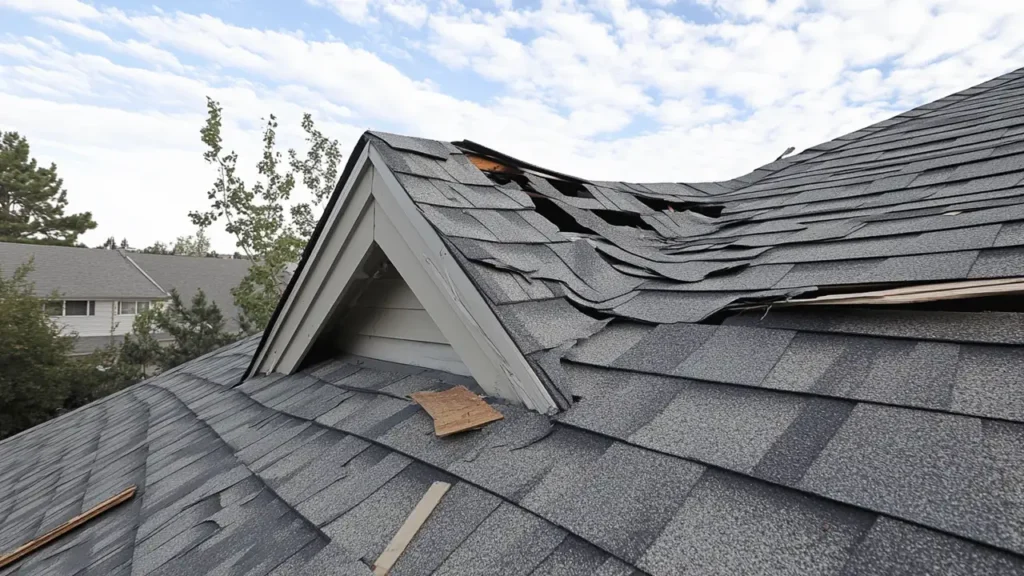
How can you tell if your roof edge was installed incorrectly? Often, the signs of a faulty installation are subtle at first but become more obvious after a storm. You might notice missing shingles along the edge or see water stains appear on your interior ceilings. These are red flags that point to underlying roof damage.
Regular roof inspections are the best way to catch these issues early. By knowing what to look for, you can identify problems before they turn into major repairs. We’ll outline some specific visual cues that indicate a problem with your roof’s perimeter.
Visible Gaps, Warping, or Loose Edge Metal
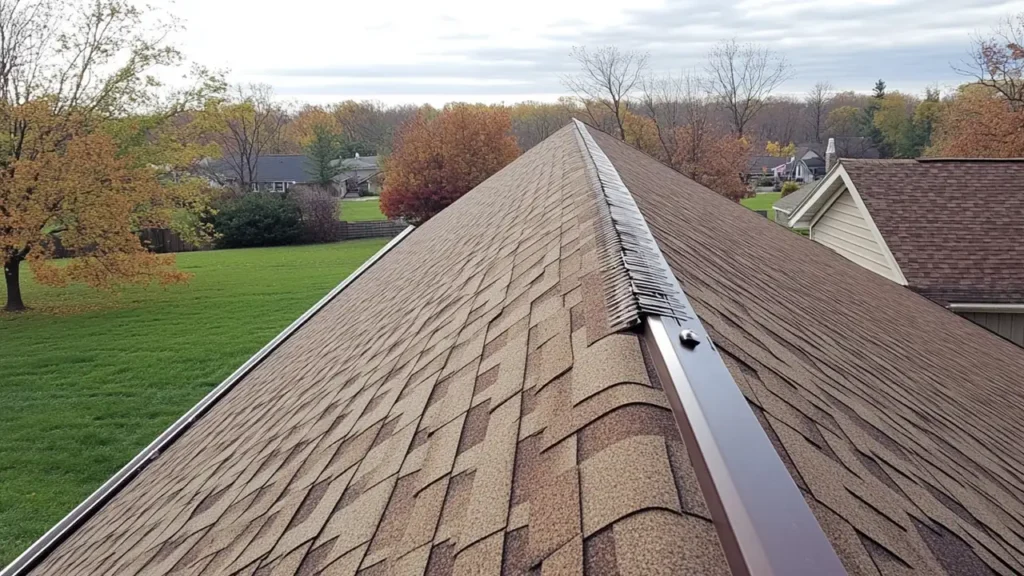
A quick visual check of your roofline can reveal its condition. Focus on the edge metal—the flashing along the perimeter. If it’s warped, bent, or pulling away from the wood, it likely wasn’t fastened properly. Never see gaps between the edge metal and shingles; these allow water and wind to enter. During inspections, look for:
- Loose shingles at the roof’s edge
- Wavy or uneven flashing
- Nails backing out of the edge metal
- Gaps where sections of metal meet
These signs mean the edge isn’t secure and your roof is vulnerable to storm damage.
Leaks and Water Staining Near Roof Edges After Storms
Water stains and leaks near roof edges often signal improper installation or a failure in the roofing system’s structural integrity. After severe storms, these issues can lead to water infiltration and compound damage, threatening the longevity of the roof. Addressing such leaks promptly is crucial to prevent costly repairs and maintain overall roof health. Regular inspections by a professional roofer can identify potential weak points in the roof’s defenses, ensuring that minor issues don’t escalate into major roof damage or a full replacement.
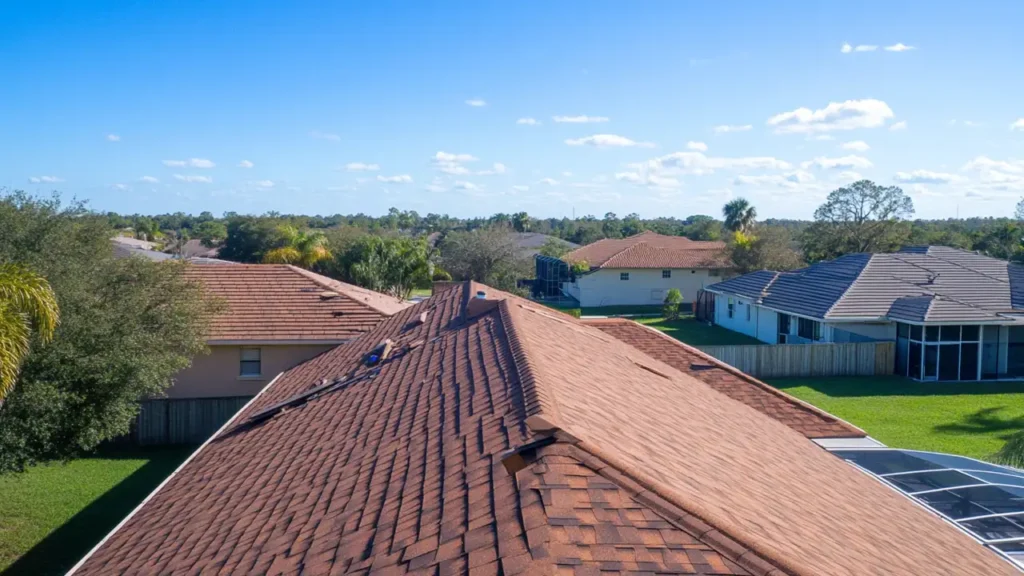
How Installation Mistakes Can Lead to Wind Damage
Installation errors at the roof edge create a domino effect that leads directly to wind damage. When the perimeter isn’t sealed and secured, it creates a weak point where uplift forces can take hold. Even a small breach allows wind to get under the roofing materials, multiplying the pressure and leading to catastrophic failure. A roof with a faulty edge is significantly more likely to require a roof replacement after a major storm. Let’s examine how this process works and why proper installation is your best defense.
Wind Uplift and Blow-Off Risks for Weak Roof Edges
Wind uplift is the main force that causes roof failure during storms. As wind moves over a roof, it creates pressure that tries to lift the materials—especially at weak edges. Once wind gets under the first row of shingles, the entire roof system is at risk. Proper installation maximizes wind resistance. Shortcuts or poor fastening leave edges vulnerable and increase the chance of shingles blowing off in strong winds.
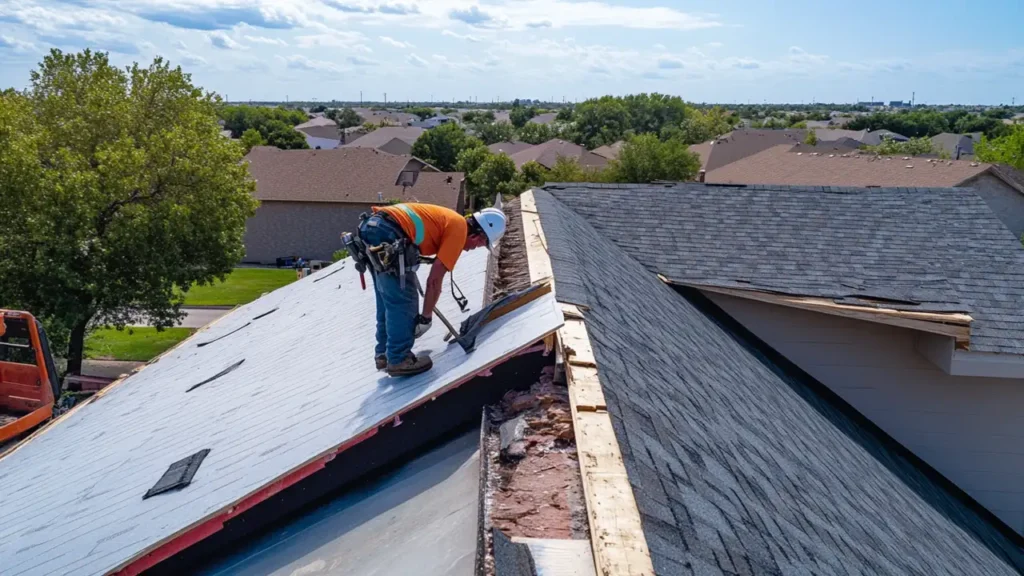
This table shows how installation quality affects wind resistance:
| Installation Factor | Poor Installation | Proper Installation |
|---|---|---|
| Drip Edge Fastening | Loose, incorrectly placed | Secure, per code |
| Shingle Nailing | Incorrect pattern, spaced out | Manufacturer-specified |
| Sealing | Gaps, no sealant | Fully sealed perimeter |
| Wind Resistance | Low, prone to failure | High, meets standards |
Accelerated Shingle and Underlayment Deterioration
A faulty roof edge doesn’t just fail in storms—it accelerates the deterioration of your entire roof. When water seeps in at the edges, underlayment and shingles stay wet, breaking down faster than normal. Saturated underlayment can rot and lose its protective function, while shingle edges curl and shed granules, steadily weakening the roof and making it prone to wind damage.
Hiring a qualified contractor like GreenTek Roofing & Solar ensures every layer is properly protected. We use quality materials from trusted partners like GAF and TAMKO and install them correctly to prevent premature aging.
Request a Quote Today
Proper roof edge installation is essential to protect your Lutz, FL home from severe wind damage. Mistakes like incorrect drip edge placement or poor fastening can cause wind uplift and rapid material deterioration. By staying alert to these issues and regularly checking your roof edges, you safeguard your investment against Florida’s unpredictable weather. GreenTek Roofing & Solar offers certified expertise and reliable roofing solutions. Ready to strengthen your roof? Request a quote today and experience our commitment to quality.
Frequently Asked Questions
Will insurance pay for wind damage to a roof?
Most homeowner’s insurance policies cover wind damage. However, if the damage is due to a pre-existing issue like poor installation, your claim could be denied. A reputable roofing company can help document the damage for your claim and distinguish between storm effects and installation flaws.
How to tell if a roofer is lying?
A trustworthy roofing contractor will provide clear, written estimates, show you their certifications, and explain how they follow building codes. Be wary of anyone who pressures you for a quick decision or suggests skipping permits. An experienced team will always prioritize a proper installation.
Read more: TPO Roofing Systems for Commercial Buildings in Lutz: Key Advantages
Step Into
The Future of Roofing
