
 (813) 333-1963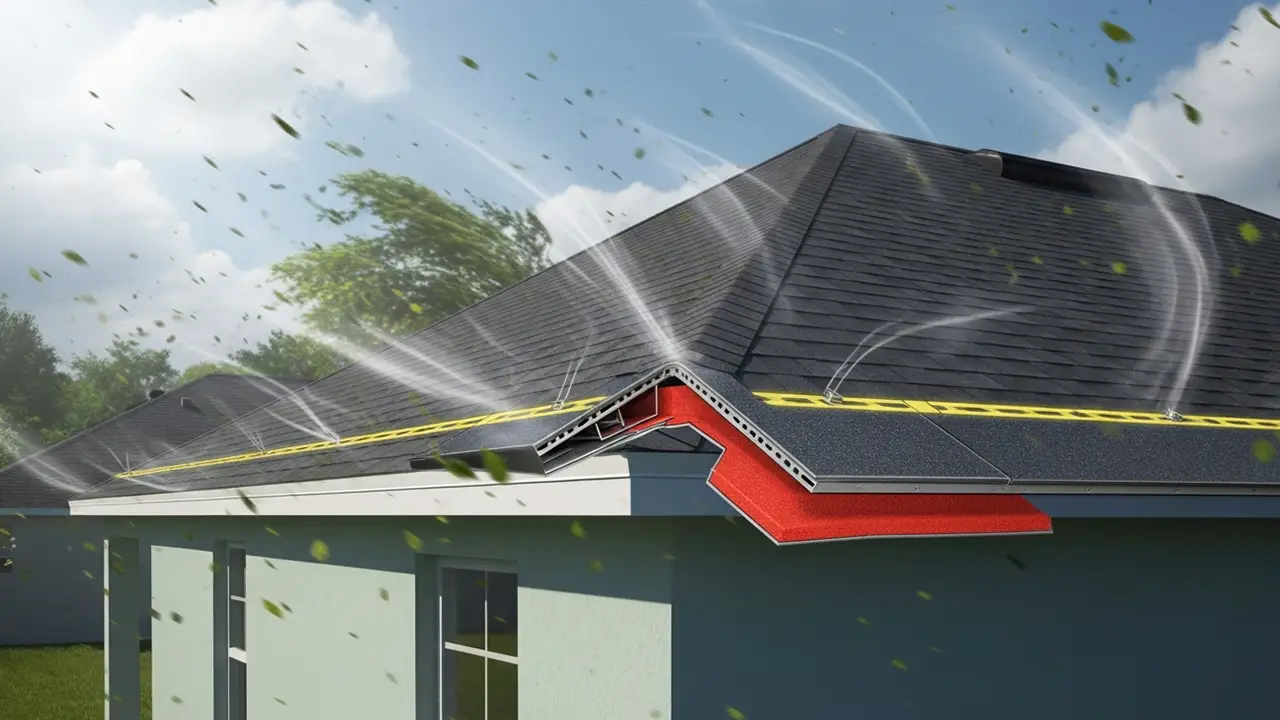
Wesley Chapel, FL Roof Edge Reinforcement Techniques for Wind Resistance

Written By: GreenTek Roofing & Solar | 8 Min Read

For homeowners in Wesley Chapel, FL, preparing for hurricane season is a yearly reality. Severe weather brings high winds that can seriously damage your property. Strengthening your roof’s edges is a critical first step in ensuring your home has the wind resistance needed to withstand the powerful storms common in Florida. Choosing the right reinforcement techniques and roofing materials can protect your home and provide peace of mind.
Understanding Roof Edge Vulnerability in Wesley Chapel, FL
The edges of your roof are the first line of defense against severe storms, but they are also the most susceptible to wind uplift. For Florida homes, strong winds create pressure differentials that can lift and peel away roofing materials, leading to significant storm damage. Without proper wind resistance, your roof edges become a weak point that compromises your entire roofing system.
Understanding why roof edges are so prone to failure is key to protecting your home. Negative pressure, combined with older construction methods and exposure to Wesley Chapel’s harsh weather, makes these areas vulnerable. We will explore the specific forces at play and why regional homes face these risks.
Why Roof Edges Are Prone to Wind Damage
Vulnerable to wind damage, roof edges often become the weak points in a home’s defense against severe weather. High winds can create negative pressure along the roof’s perimeter, leading to potential uplift forces that compromise structural integrity. Common failure points include poorly fastened materials, which increase the likelihood of catastrophic failures during tropical storms. Florida’s building codes emphasize the importance of proper installation and the use of resilient roofing materials to enhance the roof’s ability to withstand demanding wind loads.
How High-Wind Events Impact Local Homes
High-wind events significantly challenge local homes, particularly during hurricane season. Intense gusts subject roofs to extreme wind pressures, resulting in potential catastrophic failures at common failure points like eaves and edges. The structural integrity of roofing systems is tested as uplift forces increase, often leading to missing shingles or even entire roof sections being compromised. Regular inspections and adherence to Florida’s building codes become essential for the resilience of Florida homeowners’ properties. Proper installation and the use of best materials can enhance wind resistance, ensuring greater peace of mind.
Florida Building Codes and Roof Edge Reinforcement
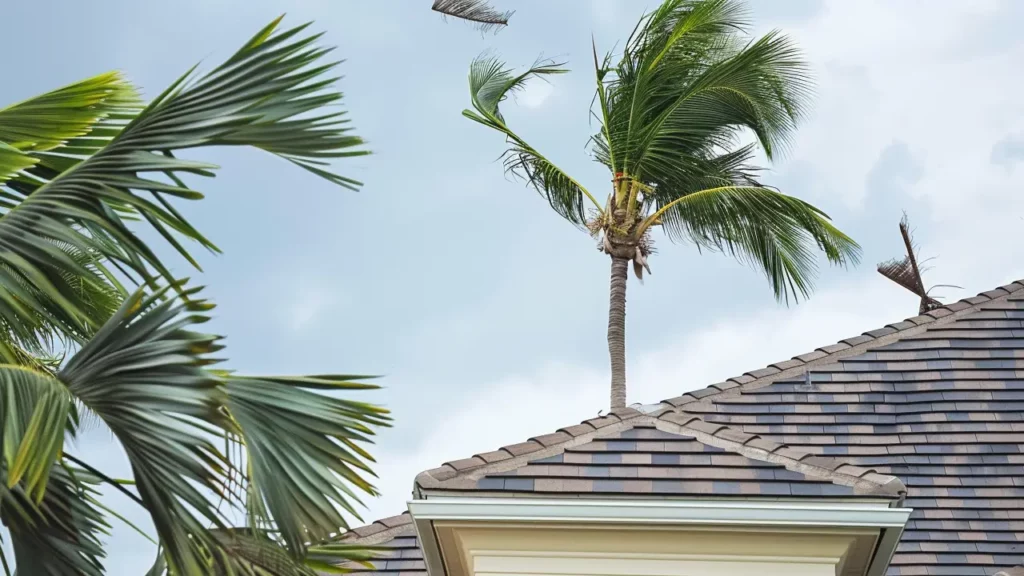
The Florida Building Code plays a vital role in protecting homes by setting minimum standards for wind resistance. These regulations are designed to ensure that roofing systems can withstand the powerful wind loads experienced during hurricanes. For homeowners in Wesley Chapel, FL, understanding and adhering to these building codes is not just a legal requirement—it is a critical part of safeguarding your investment.
To achieve code compliance, both homeowners and your chosen roofing contractor must be knowledgeable about the specific requirements for roof edge reinforcement. Let’s look at what these key requirements entail and how they contribute to a stronger, more resilient roof.
Key Code Requirements for Roof Edge Protection
The Florida Building Code outlines specific requirements to enhance a roof’s ability to resist wind uplift. These building codes mandate the use of metal drip edges, specific fastening patterns, and materials tested for high-wind performance. These rules are particularly strict in High-Velocity Hurricane Zones (HVHZ), ensuring homes in the most vulnerable areas receive maximum protection.
Here is a comparison of typical wind load requirements for roof edges in different zones:
| Zone Type | Typical Wind Load Requirement |
|---|---|
| Hurricane-Prone Regions | Must withstand wind speeds of 130 mph or higher. |
| Non-Hurricane Regions | Designed for lower wind speeds, often around 90-110 mph. |
To ensure code compliance, your roof must have fasteners spaced according to manufacturer specifications, especially along the perimeter where wind forces are strongest. Using materials that are certified for high wind uplift resistance is also mandatory. A qualified contractor will ensure every detail, from nail placement to sealant application, meets or exceeds these vital standards.
What Sets GAF Master Elite Contractors Apart
Choosing a GAF Master Elite Certified Contractor like GreenTek Roofing & Solar means working with the top 2% of roofing contractors nationwide. This elite status requires ongoing training and exceptional installation standards. As a GAF 2-star President’s Club Member, we lead in consumer protection and quality.
With GreenTek, you benefit from:
- Access to GAF’s strongest warranties
- Installation practices that exceed local codes
- Proven techniques for superior wind resistance
Our certified team ensures your roof meets the highest industry standards, withstands Florida storms, and fulfills all code and warranty requirements—giving you lasting peace of mind.
Most Effective Roof Edge Reinforcement Techniques
To achieve the best hurricane resistance, it is wise to use a combination of reinforcement techniques. A multi-layered approach addresses various weak points along the roof edge, creating a system that is far stronger than any single solution. By combining robust materials with proven installation methods, you can dramatically reduce the risk of wind uplift.
Let’s explore some of the most effective roofing solutions for strengthening your roof. These high-performance techniques work together to combat the powerful uplift forces generated during a storm and keep your home secure.
Metal Drip Edges: Strengthening the Perimeter
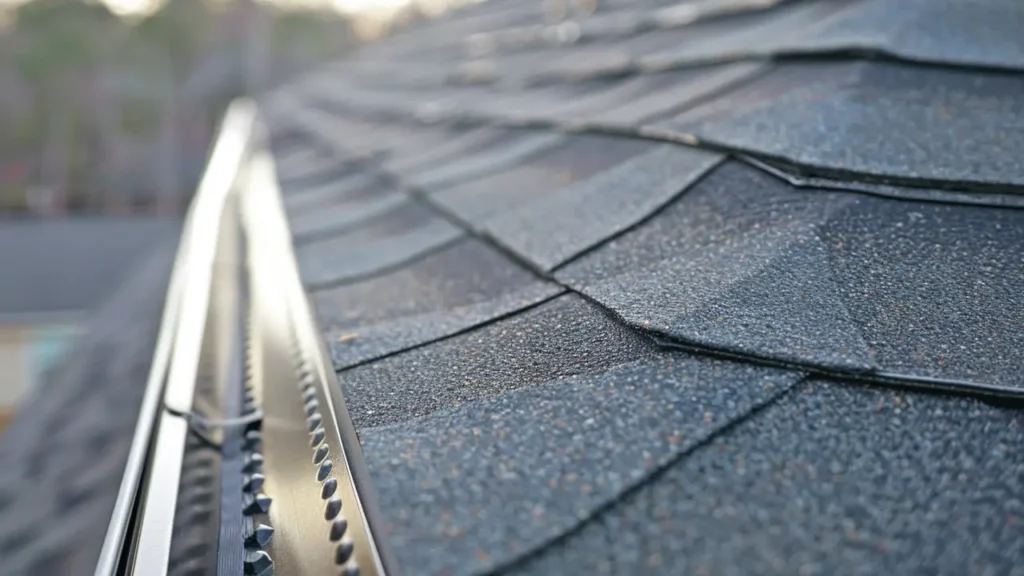
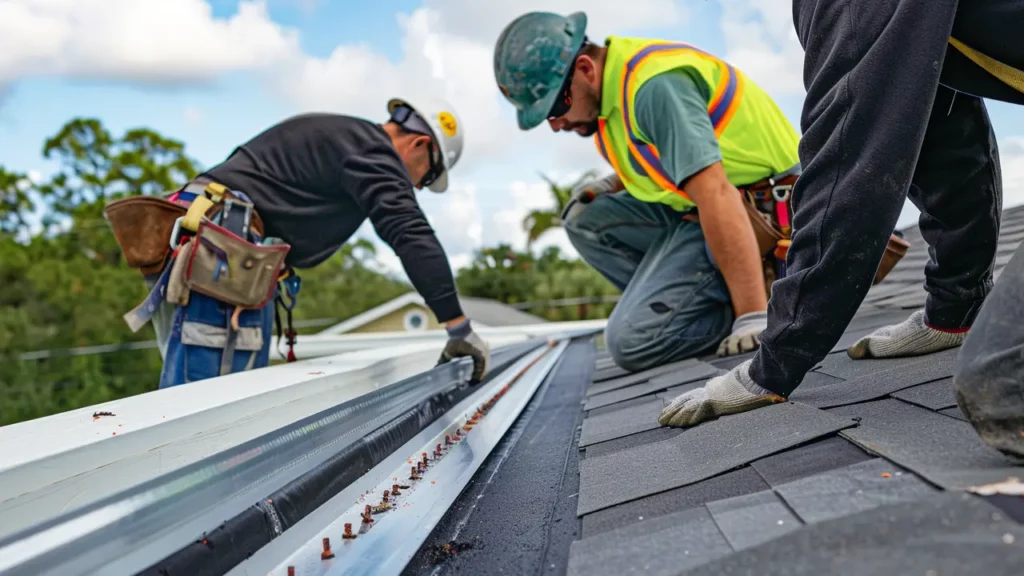
Metal drip edges are essential for wind-resistant roofing. Installed along the roof perimeter, they channel water away from the fascia and prevent leaks. More importantly, they form a continuous barrier that stops wind from lifting shingles—a leading cause of roof failure during storms.
Benefits of metal drip edges include:
- Stronger uplift resistance by securing roof edges
- Compatibility with asphalt shingles, metal, and other materials
- A clean, finished appearance that boosts curb appeal
- Added protection for your roof’s most vulnerable areas
Proper installation is crucial. Drip edges should be securely fastened per manufacturer guidelines and integrated with underlayment for a watertight seal and optimal wind resistance. For Wesley Chapel homeowners, this simple upgrade delivers reliable storm protection.
Enhanced Fastener Patterns and Edge Strips
Enhanced fastening patterns are essential for resisting strong winds. Florida building codes require more fasteners per shingle in high-wind zones, especially at roof edges where uplift is greatest. Using six nails per shingle instead of four increases holding power and prevents shingles from tearing away.
To maintain roof integrity, avoid:
- Improper nail placement (too high or too low)
- Overdriving nails (damages shingles)
- Using staples (banned in many areas)
Follow manufacturer specifications for fastener spacing and use specialized edge strips for added protection. These reinforcements help your roof withstand higher wind speeds and intense hurricane uplift.
Recommended Materials for Hurricane-Ready Roof Edges
Selecting the right roofing materials is just as important as the installation techniques you use. To achieve maximum hurricane resistance, you need products specifically engineered to withstand high wind uplift resistance and prevent storm damage. Choosing code-approved materials from trusted brands ensures your roof is prepared for the worst of Florida’s weather.
As a certified contractor for leading brands, we recommend some of the best materials available for Wesley Chapel roofs. Let’s look at how advanced technologies from partners like NOVATIK and TAMKO can fortify your roof edges.
Advantages of NOVATIK Stone Coated Metal Solutions
NOVATIK stone-coated metal roofing systems deliver exceptional hurricane resistance and long-lasting durability. Their steel panels mimic traditional roofing while providing superior wind and impact protection against storm debris.
Engineered to prevent water intrusion—even during heavy, wind-driven rain—these lightweight roofs minimize structural stress and maximize weather protection. NOVATIK is especially ideal for homes in coastal areas facing severe conditions.
Upgrading with a NOVATIK roof strengthens older homes against future storms and enhances both value and curb appeal. Homeowners in Wesley Chapel can count on NOVATIK for lasting peace of mind.
TAMKO Products for Extra Edge Wind Resistance
As a TAMKO Diamond Pro Certified Contractor, we at GreenTek Roofing & Solar offer high-performance asphalt shingles engineered for superior wind resistance. Some lines feature reinforced nailing zones and strong adhesive seals to keep shingles secure during severe storms.
TAMKO shingles undergo rigorous testing for high wind and uplift resistance. Products like Titan XT® are rated for winds up to 160 mph, providing one of the industry’s best wind warranties—essential for Florida’s hurricane-prone climate.
Choosing TAMKO strengthens your roof and may qualify you for insurance discounts, offering Florida homeowners added financial protection and peace of mind.
Get in Touch
In conclusion, effective roof edge reinforcement is essential for Wesley Chapel homeowners due to the area’s high winds. Following Florida building codes and using quality materials from trusted brands like GAF and TAMKO greatly improves your roof’s durability. As a GAF Master Elite Certified Contractor, we deliver reliable solutions to keep your home safe during storms. Contact us today for a commercial roofing quote and protect your property with confidence.
Frequently Asked Questions
How does reinforced roof systems protect against wind?
Reinforced roof systems use enhanced fasteners, stronger materials, and secure edge details to create superior uplift resistance. This strengthens the roof’s structural integrity, preventing wind from lifting shingles or panels and protecting your home from damage during severe weather.
What are the benefits of using metal drip edges for wind resistance on roofs?
Metal drip edges provide excellent wind resistance by blocking wind from getting under the edge of your roofing materials. They improve uplift resistance, prevent water intrusion at the fascia, and create a secure, finished perimeter for your roof.
Read our blog: Optimizing Roof Vent Placement for Balanced Attic Airflow in Wesley Chapel, FL
Step Into
The Future of Roofing
