
 (813) 333-1963
UV Radiation Effects on Asphalt Roofing Materials in Fish Hawk, FL

Written By: GreenTek Roofing & Solar | 10 Min Read

Living in Fish Hawk, FL, means enjoying plenty of sunshine, but have you considered its effect on your home? The sun’s constant UV radiation can seriously harm asphalt roofing materials, common on Florida homes. This exposure can weaken your roof, leading to premature aging and costly repairs. Understanding how to protect your roof is the first step toward ensuring your home stays safe and secure for years to come.
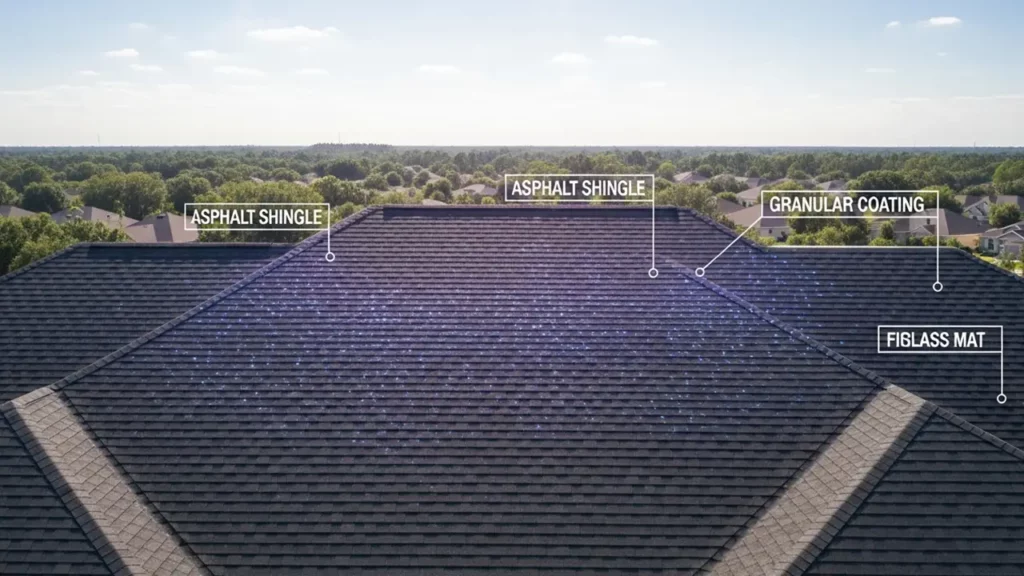
Impact of UV Rays on Asphalt Roofing Materials
The intense sun in Fish Hawk, FL, is a major challenge for asphalt shingles. UV rays directly attack the chemical bonds within roofing materials, causing them to break down over time. This slow, steady process weakens the structural integrity of your roof, making it more vulnerable to other elements like wind and rain.
Over time, this constant sun exposure causes the asphalt to dry out and lose its flexibility. As a family-owned company, we at GreenTek Roofing & Solar have seen how this leads to premature aging. The effects are more than just cosmetic; they compromise your roof’s ability to protect your home. Let’s look closer at how shingles react and why they don’t last as long here.
How Asphalt Shingles Respond to UV Exposure
Asphalt shingles have protective granules that block UV rays, but intense sun exposure in Fish Hawk breaks down the asphalt binder holding these granules. As granules are lost, the asphalt underneath becomes exposed, speeding up UV damage and making shingles brittle. You may see shingles cracking or curling at the edges—clear signs they’re losing essential oils and flexibility. This isn’t just cosmetic; it’s a warning that your roof’s protection is failing.
As a GAF Master Elite Certified Contractor, we know this happens because repeated heating and cooling cause shingles to expand and contract, leading to stress cracks. Over time, this weakens their ability to keep water out, putting your home at risk.
Why Asphalt Shingles Have Shorter Lifespans in Florida
Florida’s harsh climate significantly shortens the lifespan of asphalt shingles. Constant sun and intense UV exposure rapidly age roofing materials, causing them to degrade much faster than in milder regions. High heat expands shingles while UV rays break down their structure, leading to daily thermal stress and premature failure.
At GreenTek Roofing & Solar—a BBB-accredited A+ business—we see this every day. While asphalt shingles can last 25–30 years elsewhere, Florida roofs often last only 15–20 years. That’s why selecting quality materials and an experienced contractor is essential for Fish Hawk, FL homeowners.
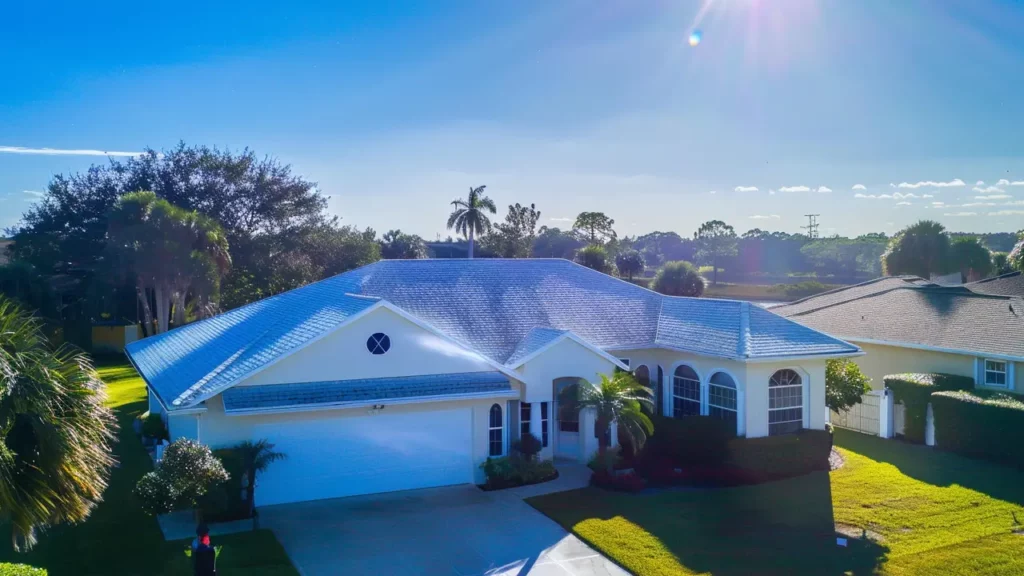
Main Threats from UV Radiation to Asphalt Roofs
The UV radiation in Fish Hawk, FL poses several significant threats to your asphalt roof. It’s not just one single issue, but a combination of problems that work together to cause roof damage. These threats weaken the roofing materials, reducing their ability to protect your home from the elements and leading to expensive repairs if not addressed.
From losing the protective top layer to altering its appearance, the sun’s impact is extensive. Understanding these main threats is crucial for any homeowner. The following sections will explore the specific ways UV rays cause granule loss and color fading, helping you identify the warning signs on your own roof.
Granule Loss and Protective Layer Breakdown
One major effect of UV damage is granule loss. The ceramic-coated granules on asphalt shingles reflect UV rays and protect the underlying asphalt. Over time, UV exposure weakens the binder holding these granules, causing them to wash away. You may notice loose granules in gutters or downspouts. As more granules are lost, shingles become exposed, reducing your roof’s ability to protect your home since bare asphalt can’t withstand direct sunlight. This stage marks serious roof deterioration.
Consequences include:
- Faster shingle aging
- Higher risk of leaks
- Lower energy efficiency as the roof absorbs more heat
Color Fading and Aesthetic Changes
As ultraviolet radiation penetrates the surface of asphalt shingles, it initiates a gradual process of color fading, undermining their aesthetic appeal. The protective granules that shield the underlying asphalt deteriorate, leading to a stark decline in visual quality and energy efficiency. This change is not merely cosmetic; it also signals deeper issues, such as UV degradation and potential structural damage, impacting the roofing material’s longevity. Regular inspections can help identify and mitigate these effects before they escalate into costly repairs or replacements.
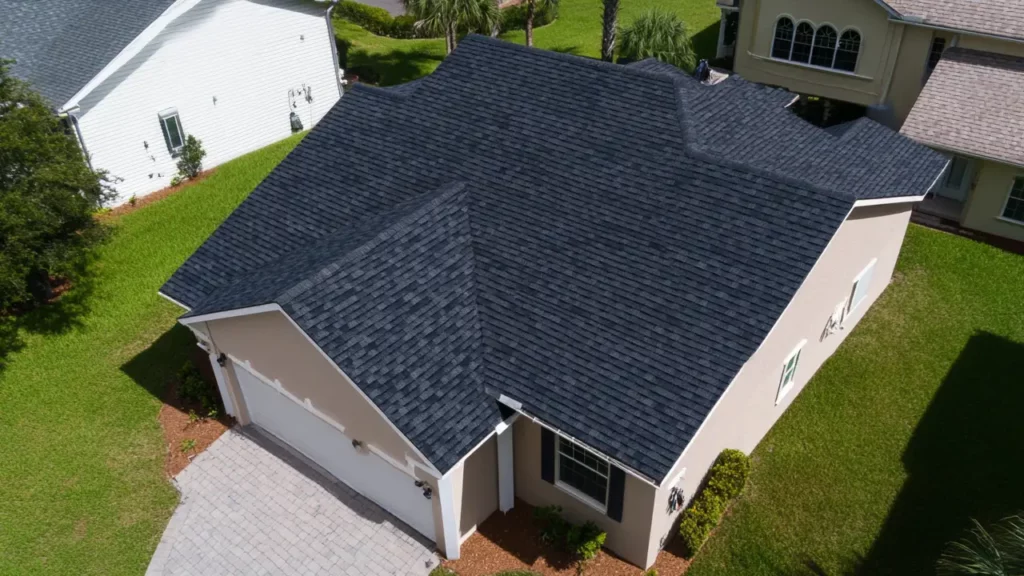
Recognizing Signs of UV Damage on Asphalt Shingles
It is vital to know what to look for when checking your roof for sun damage. The signs of UV damage on asphalt shingles can be subtle at first, but they become more obvious over time. Catching these issues early through routine roof inspections can save you from more significant problems down the road. As a homeowner in Fish Hawk, you can perform a visual check from the ground. However, some signs are best identified by a professional. Understanding what curling, cracking, and loss of flexibility look like will help you know when it’s time to call for a professional opinion.
Curling, Cracking, and Brittleness
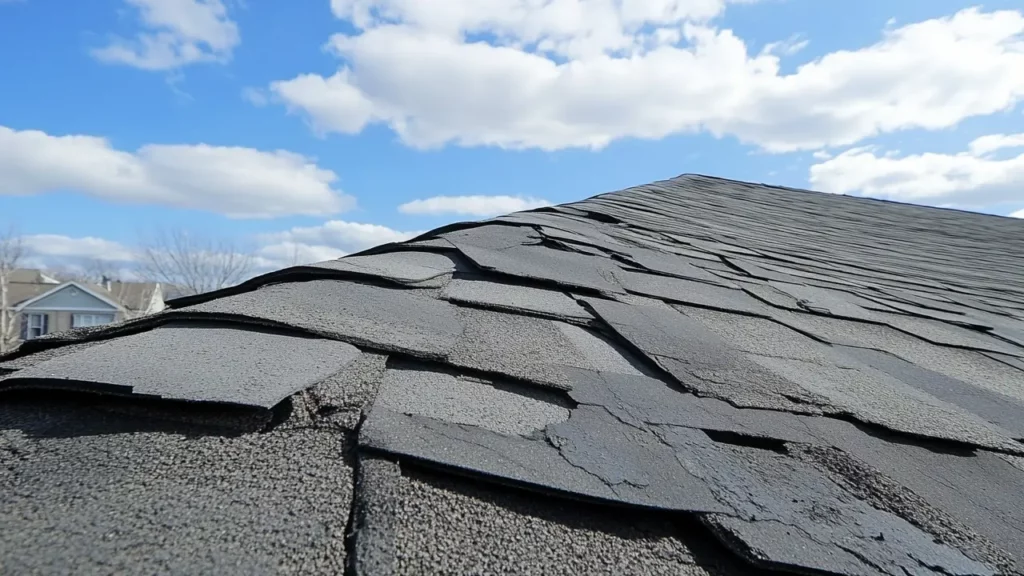
UV exposure dries out the essential oils in asphalt shingles, causing them to lose flexibility. This leads to curling—where shingle edges lift or bend—and cracking, which exposes underlying roof layers to moisture. Brittle shingles break easily, showing they’ve lost structural integrity. These signs suggest your roof may need replacement soon. Watch for:
- Shingle edges lifting
- Visible cracks or splits
- Shingles that look dry and fragile
Loss of Flexibility and Increased Leak Risk
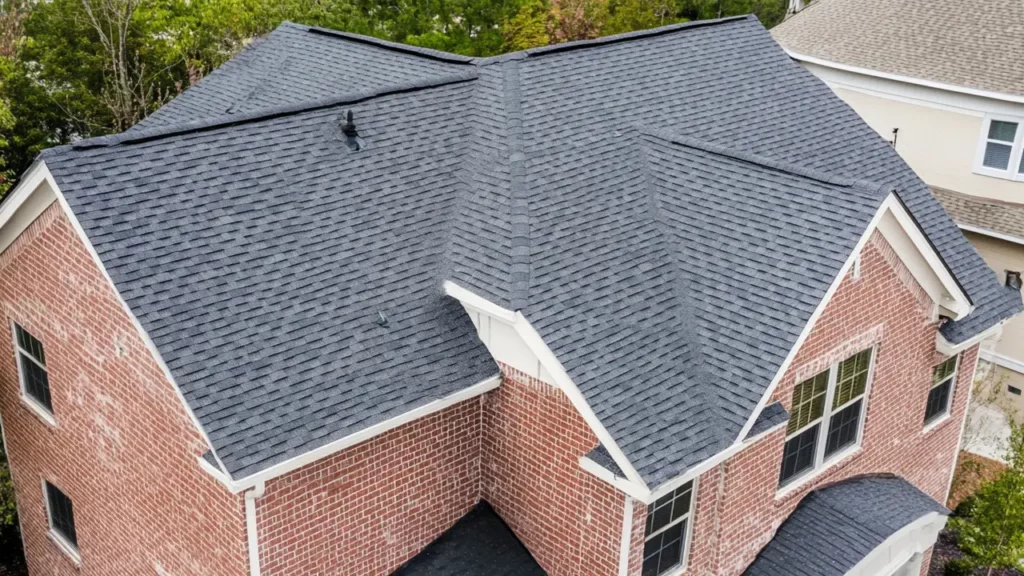
Asphalt shingles, when subjected to prolonged UV exposure, often experience a loss of flexibility, making them more prone to cracking and warping. This degradation occurs as the asphalt binder weakens, leading to diminished structural integrity. Consequently, the risk of leaks increases significantly, particularly during Florida’s intense storms. Early detection of these issues through routine inspections can mitigate potential water intrusion, ensuring homeowners maintain the energy efficiency and lifespan of their roofs. Timely repairs are essential to combat this accelerated wear.
Role of Humidity and Climate in UV Roof Damage
In Fish Hawk, FL, it’s not just the sun you have to worry about; the high humidity also plays a significant role in UV roof damage. When moisture from the air combines with intense sun exposure, it creates a more aggressive environment for your asphalt shingles. This combination can accelerate the breakdown of roofing materials far more than sun or moisture alone.
Florida’s climate is a powerful force that constantly tests the limits of your roof. The interaction between sun and moisture can lead to unique problems, from mold growth to faster material degradation. Let’s examine how this combination affects your roof and how our local climate compares to other areas.
Effects of Moisture Combined with Sun Exposure
High humidity and intense sun in Fish Hawk, FL create a destructive cycle for your roof. Moisture trapped under shingles heats up, turning to vapor and causing blistering, which weakens shingles from within and makes them more vulnerable to wind and rain. The damp, warm conditions also promote mold and algae growth—often seen as dark streaks. Algae holds moisture against shingles, preventing them from drying out. Combined with heat, this accelerates asphalt breakdown and shortens your roof’s lifespan. Over time, weakened shingles can lead to leaks and serious water damage, compromising your home’s structure. That’s why protecting your roof from both sun and moisture is essential for Florida homeowners.
Comparing Fish Hawk’s Climate to Other Regions
Fish Hawk’s climate presents unique challenges for asphalt shingles that differ significantly from other regions. With high humidity levels and intense sunshine, UV radiation here accelerates the degradation of protective granules, leading to premature aging. In contrast, areas with milder climates may not experience such extreme UV exposure or the accompanying thermal stress. The combination of Florida’s relentless sun and moisture necessitates regular roof inspections and timely repairs to maintain the structural integrity and lifespan of roofing materials effectively.
Preventing UV Damage to Asphalt Roofing
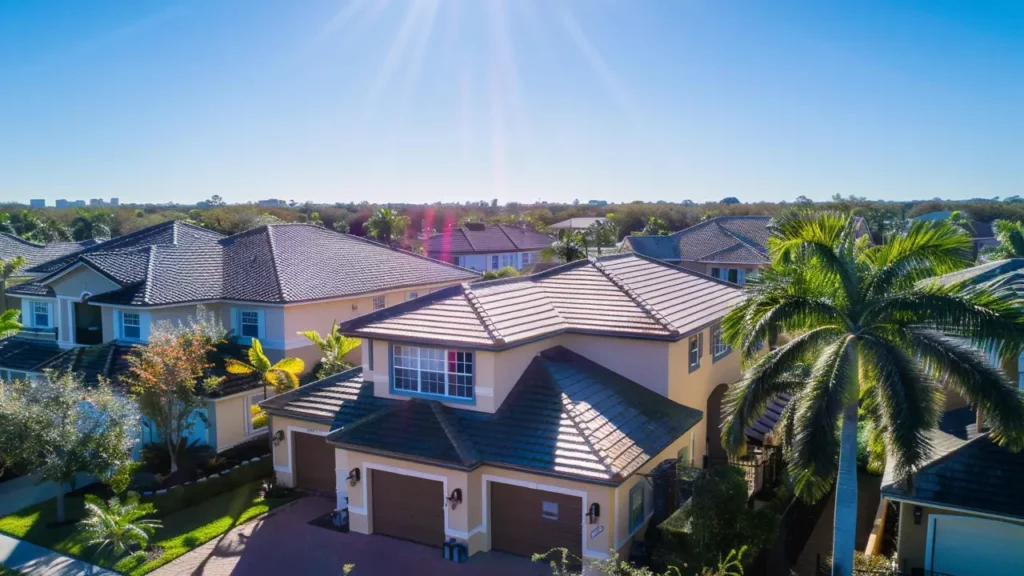
You can protect your asphalt roof from UV damage by taking proactive steps. Prevention is key to extending your roof’s lifespan and avoiding expensive repairs. Using quality materials and maintaining a regular upkeep schedule helps shield your home from Florida’s harsh sun. Applying protective coatings and scheduling regular inspections are effective strategies. As a TAMKO Diamond Pro Certified Contractor, we call this “smart roofing.” The next sections outline top UV protection practices every Fish Hawk homeowner should know.
Investing in UV-Protective Coatings
Applying UV-protective coatings is an effective way to shield your roof from the sun. These coatings act like sunscreen, forming a barrier that blocks harmful UV rays and reduces heat absorption. As a result, your shingles last longer and your home’s energy efficiency improves—your attic stays cooler, easing the load on your air conditioner and lowering energy bills.
Benefits of these coatings include:
- Enhanced UV resistance to prevent fading and cracking
- Increased solar reflectivity for a cooler home
- Added waterproofing to seal small cracks
Best Practices for Regular Inspections and Maintenance
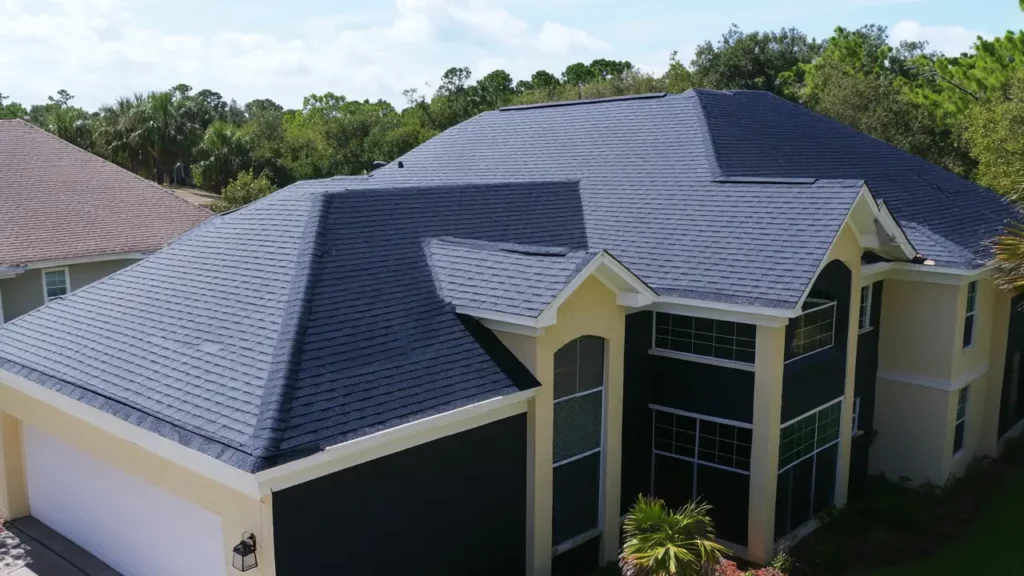
The best way to prevent UV damage is with regular roof inspections. In climates like Fish Hawk’s, routine checks catch issues—such as granule loss, cracking, or curling—before they worsen. Professionals can spot early signs of wear that homeowners might overlook, allowing for timely repairs. We recommend scheduling a professional roof inspection at least once a year. As a family-owned business, GreenTek Roofing & Solar values trust and thoroughness. Our inspections identify all signs of UV damage and other issues, giving you a clear understanding of your roof’s condition. Consistent maintenance is key to a long-lasting roof. Keep gutters clean for proper drainage and trim overhanging branches to prevent damage. These simple steps, combined with professional inspections, protect your investment and keep your home safe.
Get a Quote Today
In conclusion, understanding UV radiation’s impact on asphalt roofing is essential for Fish Hawk, FL homeowners. Our subtropical climate accelerates shingle deterioration, shortening roof lifespan. Watch for signs like curling and cracking to address UV damage early. Regular inspections and UV-protective coatings can extend your roof’s life and preserve its appearance. GreenTek Roofing & Solar, a GAF Master Elite Certified Contractor, offers tailored solutions—get a quote today to keep your roof resilient against the Florida sun.
Frequently Asked Questions
How often should I inspect my asphalt roof for UV damage?
We recommend professional roof inspections at least once a year for your Fish Hawk home. Regular roof inspections are crucial for the early detection of UV damage on asphalt shingles. This proactive approach allows for timely repairs and helps extend the life of your roof.
What color roof increases home value?
Lighter-colored roofs are often preferred in Florida as they improve energy efficiency by reflecting more sunlight. While neutral colors like gray and beige are popular for resale, the best choice depends on your home’s style and your focus on performance over aesthetics alone.
Read our blog: Fish Hawk, FL Cool Roof Materials That Help Reduce Energy Costs
Step Into
The Future of Roofing
