
 (813) 333-1963
Lutz Asphalt Shingle Nailing Patterns That Prevent Blow-Off

Written By: GreenTek Roofing & Solar | 6 Min Read

Your roof is the first line of defense against Florida’s weather. When considering a roof replacement, the choice of roofing materials is important, but how they are installed is even more critical. For asphalt shingles, the specific nailing pattern used can mean the difference between a secure roof and one that fails during a storm. Understanding the correct techniques ensures your home remains protected and your investment lasts for years.
Understanding Asphalt Shingle Blow-Off Risks
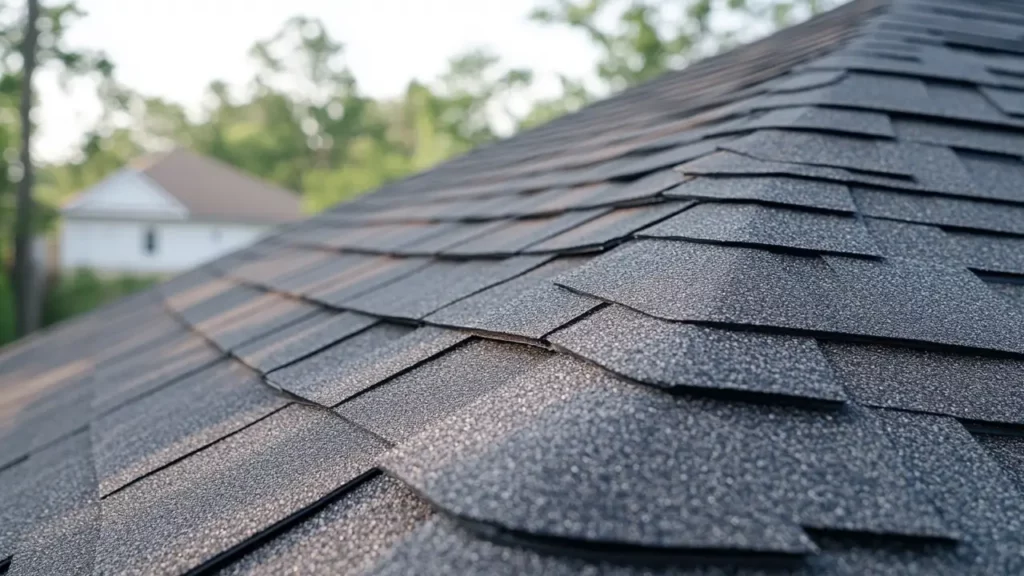
In Lutz, FL, high winds pose a significant threat to asphalt shingles. When gusts create pressure differences, it can cause wind uplift, lifting roof shingles straight off the roof deck. This type of wind damage is a common concern for local homeowners. The durability of your asphalt shingles during these events heavily depends on the nailing pattern. A secure pattern holds each shingle firmly in place, distributing the wind load and preventing individual shingles from becoming loose. Let’s look at the factors that increase these risks.
Factors That Lead to Shingle Blow-Off
Improper nailing is a leading cause of shingle blow-off. When nails aren’t placed correctly, shingles become loose and vulnerable to wind damage and leaks. Common nailing mistakes include:
- Nails driven too high, missing the reinforced zone
- Underdriven nails that don’t fully penetrate the roof deck
- Overdriven nails that break through the shingle surface
These errors weaken wind resistance. At GreenTek Roofing & Solar, our GAF Master Elite Certified technicians ensure every shingle is properly secured from the start.
The Impact of Florida’s Weather on Roof Integrity
Florida’s unpredictable climate significantly influences roof integrity, particularly with asphalt shingles. Frequent heavy rainfall and high winds, often exceeding recommended mph thresholds, impose stress on roofing materials. The harsh UV exposure can lead to the deterioration of synthetic underlayment and inorganic fiberglass cores in shingles, heightening the risk of leaks and water infiltration. Adhering to local building codes becomes essential for homeowners, ensuring proper installation techniques that withstand greater temperature swings and resist wind damage to prolong the longevity of their roofs.
Our Nailing Patterns for Secure Installation
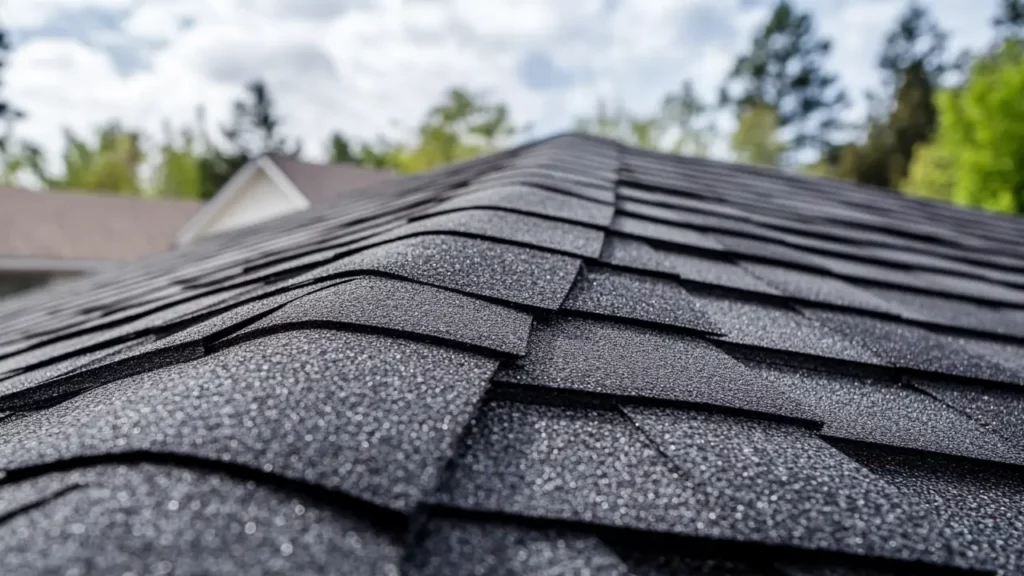
At GreenTek Roofing & Solar, we know that using the best materials from partners like GAF and TAMKO is only half the battle. The other half is proper installation. Our proven nailing pattern ensures that these premium roofing products perform at their peak, providing your home with maximum protection. As a TAMKO Diamond Pro Certified Contractor, we follow strict guidelines to secure every shingle. We’ll explore the specific patterns we use to achieve this level of security.
Recommended Asphalt Shingle Nailing Pattern
A secure nailing pattern is essential for the longevity of asphalt shingles, particularly in regions prone to high winds like Florida. Recommended nailing typically involves using six nails per shingle, strategically placed along the edges and at the top, ensuring maximum holding power. This pattern improves resistance to wind uplift and minimizes the chances of loose shingles. Adhering to these proven installation techniques, based on local building codes, enhances roof integrity and significantly reduces the likelihood of water infiltration and costly repairs.
Proper Nail Placement for Optimal Holding Power
Strategic nail placement is crucial for maximizing the holding power of asphalt shingles. Each nail should penetrate at least 3/4 inches into the roof deck, ensuring a secure bond. It’s essential to position nails along the edges of each shingle, avoiding low nails that can lead to leaks or blow-off in high wind areas. Following application instructions and adhering to local building codes not only enhances durability but also significantly reduces the likelihood of costly repairs caused by wind damage or water infiltration.
Nail Techniques According to Local Codes
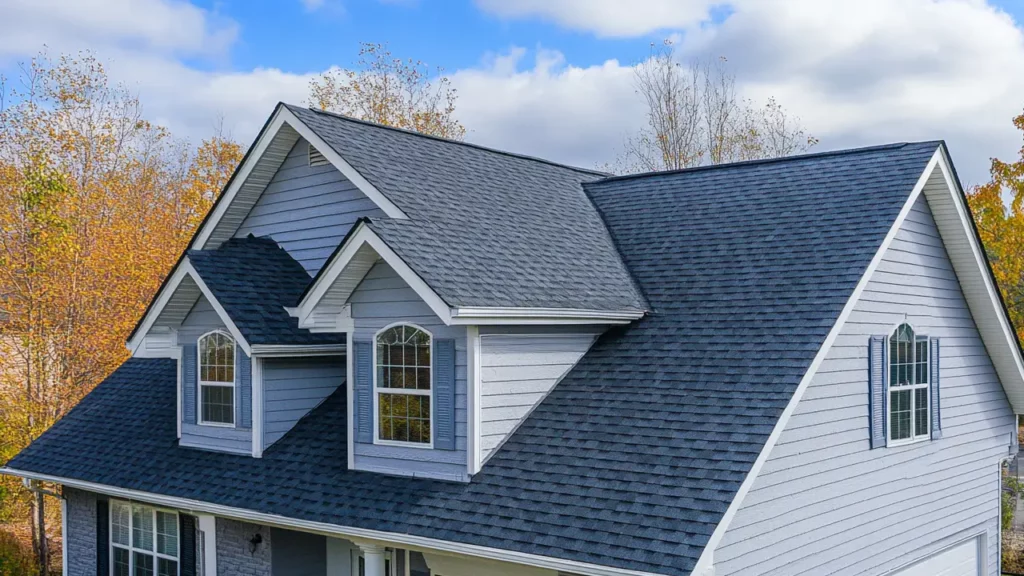
Following the correct nailing techniques is not just a best practice; it’s a requirement. Florida has stringent building codes that dictate how shingles must be installed to withstand hurricane-force winds. These local building codes often go beyond the recommendations of the International Building Code. As a GAF 2-star President’s Club Member, we stay current on all regulations. This includes knowing the right number of nails to use and selecting the best nail types for our climate. We will now cover these specific requirements.
Number of Nails per Shingle for Wind Resistance
Understanding the proper number of nails for each asphalt shingle is crucial for enhancing wind resistance, especially in high wind areas like Lutz, FL. Adhering to local building codes typically requires at least four nails per shingle to counter wind uplift forces effectively. Each nail must be placed carefully near the edges of each shingle and into the roof deck to maximize holding power. Utilizing stainless steel nails, as specified in application instructions, further prevents rust and ensures long-term durability against wind damage.
Best Nail Types and Sizes
Choosing the right nail is as important as the nailing pattern. For asphalt shingles in Florida’s humid climate, use corrosion-resistant nails like galvanized steel, stainless steel, or aluminum. Nails should have a large head for strong hold and a barbed shank to prevent backing out. Nail length matters, too—it must penetrate all roofing layers and at least 19 mm into the wood deck. Thicker roofing or reroofing may require longer nails. Key specs are:
- Head diameter: minimum 9.5 mm
- Shank diameter: at least 12 gauge (2.67 mm)
- Made from corrosion-resistant material
Using the correct nail type and size ensures secure, long-lasting shingle installation without damage.
What`s Next
Understanding proper nailing patterns for asphalt shingles is essential for homeowners in Lutz, FL, due to our unique weather. Correct techniques boost roof durability and prevent costly blow-offs. At GreenTek Roofing & Solar, our GAF Master Elite Certification and compliance with local codes guarantee expert installation. Trust us to protect your home. Ready to secure your roof? Get a quote today and let our experienced team deliver peace of mind.
Frequently Asked Questions
Can a roofer do my roof when it’s 45 degrees out?
Yes, roofing can be done in 45-degree weather. However, asphalt shingles can become brittle. Installers must handle them carefully to prevent cracking. Following manufacturer application instructions and local building codes ensures the shingles seal properly, even in cooler temperatures.
Do you nail shingles above or below the tar line?
For most asphalt shingles, you should nail just below the tar line. This allows the nail head to be covered by the shingle in the next course, protecting it from the elements. Placing nails too high (above the tar line) significantly reduces wind resistance.
Read our blog: Moisture Intrusion Through Poorly Sealed Roof Penetrations in Lutz, FL
Step Into
The Future of Roofing
