
 (813) 333-1963
Does Homeowners Insurance Cover Roof Leaks in Florida? What Every Homeowner Needs to Know in 2026

Written By: GreenTek Roofing & Solar | 8 Min Read

Does homeowners insurance cover roof leaks in Florida? The short answer is yes, but only if the damage was caused by a sudden, accidental covered event like a windstorm, hail, or a fallen tree. Rain alone won’t trigger coverage unless something first breached the roof.
At GreenTek Roofing & Solar, we help homeowners and business owners across the Tampa Bay area handle storm-damaged roofs every year. We’ve seen claims approved in days and others denied over small documentation gaps. This guide breaks down what Florida policies actually cover, how recent state laws affect your payout, and what steps you can take right now to protect your home and your claim.
What Types of Roof Damage Are Covered by Florida Homeowners Insurance?
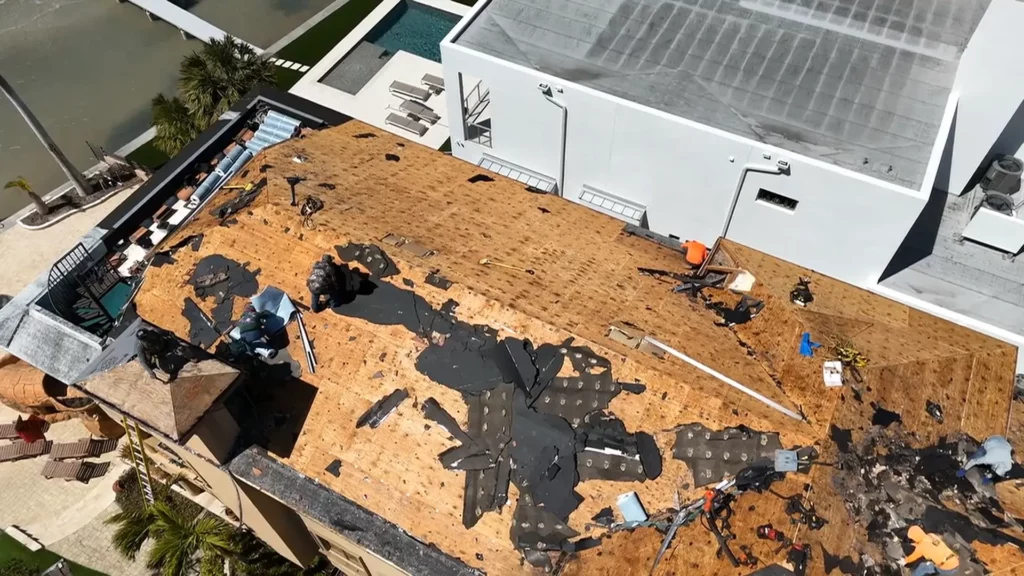
Florida homeowners insurance covers roof damage caused by specific perils listed in your policy. The most common covered causes include hurricane and non-hurricane wind, hail, tornadoes, fallen trees or flying debris, lightning, fire, and smoke.
Coverage typically extends beyond just the roof itself. If wind tears off shingles and rain enters your home, your policy may pay to repair the roof, fix interior damage to ceilings and walls, replace damaged personal property, and cover additional living expenses if the home becomes uninhabitable.
Detached structures like garages and sheds often fall under a separate “other structures” portion of your policy. We’ve inspected properties in Thonotosassa where a single thunderstorm caused roof damage on both the main house and a detached workshop, both covered under the same claim.
When Your Insurance Won’t Cover a Roof Leak
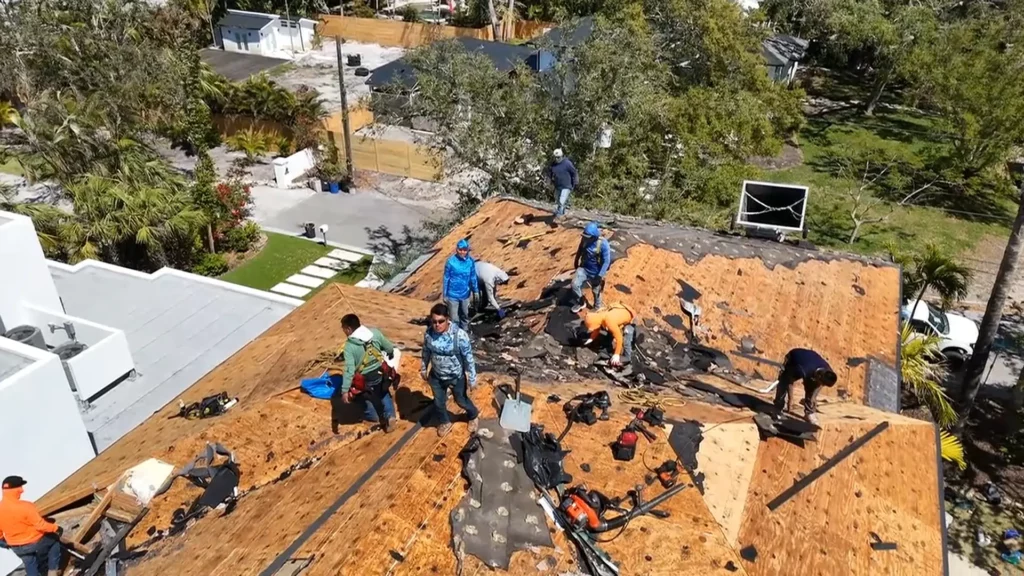
Insurance companies deny roof leak claims more often than most homeowners expect. The most frequent reason? Wear and tear. Aging shingles, gradual deterioration, rot, rust, and corrosion are all excluded from standard Florida policies.
Other common exclusions include:
- Long-term seepage or slow leaks, If water has been entering for months, and you didn’t address it, the insurer will classify this as neglect.
- Poor or improper installation, A roof installed incorrectly is a contractor issue, not an insurance event.
- Cosmetic-only damage, Dents or discoloration that don’t affect the roof’s function usually aren’t covered.
- Mold from prolonged moisture, Mold that developed because a leak went unrepaired may be excluded.
If your roof is older, insurers may limit coverage further or pay only a reduced amount. We’ve worked with homeowners who assumed their 18-year-old tile roof would be fully covered after a storm, only to find out the insurer applied depreciation that cut the payout significantly.
Regular maintenance and timely repairs are your best defense against a denial. Keep records of every inspection and repair, they can make the difference between approval and rejection.
ACV vs. RCV: How Your Policy Affects Your Roof Payout
Understanding ACV vs. RCV is critical before you file a roof insurance claim in Florida. These two valuation methods determine how much money you’ll actually receive.
Replacement Cost Value (RCV) pays the full cost to repair or replace your roof with similar materials, without subtracting for depreciation. Most RCV claims are paid in two stages: the insurer sends an initial check based on actual cash value, then releases the remaining depreciation amount after you complete the repairs.
Actual Cash Value (ACV) pays the replacement cost minus depreciation. On a 15-year-old roof, that depreciation can be substantial. We’ve seen ACV payouts cover less than half the actual repair cost.
Florida insurers increasingly apply ACV or limited RCV to older roofs. Before storm season, review your declarations page to confirm which valuation method your policy uses. If you carry an ACV policy and your roof is aging, the gap between your payout and the real repair cost could be thousands of dollars.
At GreenTek, we provide detailed repair estimates that help homeowners understand the true scope of damage, useful whether you’re working with an RCV or ACV policy.
How Florida’s Latest Roof Laws Impact Your Coverage
Florida’s insurance landscape has shifted significantly in recent years, and the changes directly affect roof claims.
Claim filing deadlines: Florida law generally gives homeowners up to two years from the date of loss to file a property claim. But, you should notify your insurer promptly, within about 10 days of discovering damage is a widely cited best practice that aligns with most policy duties.
Roof age and underwriting: Insurers now apply stricter rules for roofs over 10 to 15 years old. Some policies exclude wind coverage on older roofs entirely or limit payouts to ACV. Roof shape, materials, and overall condition also influence your premiums and whether a carrier will write or renew your policy.
Hurricane deductibles: If your damage occurs during a named hurricane, a separate percentage-based deductible applies, commonly 2% to 5% of your dwelling coverage amount. On a home insured for $350,000, a 2% hurricane deductible means $7,000 out of pocket before coverage kicks in.
These rules make proactive roof maintenance and timely upgrades more important than ever. A GAF Master Elite–certified contractor like GreenTek can assess your roof’s current condition and help you plan upgrades that may improve your insurability.
How to File a Roof Insurance Claim in Florida and Avoid Denials
Filing a roof insurance claim in Florida requires preparation and attention to detail. Here’s the process we recommend based on years of working alongside homeowners through the claims process.
1. Document the damage thoroughly. Take timestamped photos and video of the roof, attic, ceilings, walls, floors, and any damaged belongings. Capture wide shots and close-ups.
2. Mitigate further damage immediately. Tarp the roof, move furniture away from water, and dry out affected areas. Keep every receipt. Failure to mitigate can result in a denial or reduced payout.
3. Notify your insurer promptly. Report the claim as soon as possible with the date, cause, and a description of the damage.
4. Get a professional inspection. Your insurer will send an adjuster, but you should also get a written report and estimate from a licensed roofing contractor. This is especially important for disputed claims.
5. Cooperate fully with the investigation. Provide requested documents, allow inspections, and share maintenance records.
6. Review the settlement or denial letter carefully. Verify that the cited policy provisions and damage assessment match the actual facts.
To reduce your risk of denial, maintain your roof with routine inspections, keep records of all prior repairs, and clearly link the damage to a specific storm or event date.
Steps to Take Immediately After Discovering a Roof Leak
The first few hours after discovering a roof leak are critical, both for your safety and your insurance claim.
Start by ensuring everyone’s safety. Avoid areas with sagging ceilings, pooling water, or potential electrical hazards. If water is near light fixtures or outlets, shut off power to that area.
Next, limit the water intrusion. Place buckets under active drips, move furniture and valuables away from wet zones, and lay down plastic sheeting. If the leak is significant, arrange for emergency tarping.
Document everything with timestamped photos and video. Capture the leak source (if visible from the attic), the interior damage, and any affected belongings. Preserve damaged items for the adjuster’s inspection, don’t throw anything away yet.
Then contact a licensed roofing contractor for an emergency assessment. In the Thonotosassa area, our GreenTek crews respond quickly to storm-related emergencies and can tarp your roof while providing a preliminary damage report.
Finally, notify your insurer and follow their specific instructions for next steps. The faster you act, the stronger your claim.
Understanding Your Deductible and Maximizing Your Claim
Your deductible is the amount you pay out of pocket before insurance covers the rest. Florida homeowners typically face two types.
The standard (all-perils) deductible is a fixed dollar amount, commonly $1,000 to $2,500, and applies to non-hurricane events like a tree falling in a thunderstorm. The hurricane deductible is a percentage of your Coverage A limit, usually 2% to 5%, and only triggers during a named hurricane event affecting your area.
Some policies also include separate wind/hail or roof-specific deductibles. Check your policy’s declarations page so you know exactly what applies.
To maximize your claim within the rules, compare the estimated repair cost to your applicable deductible before filing. If the repair costs $2,000 and your deductible is $2,500, filing may not make sense. Submit detailed contractor estimates with photos that show storm-specific damage patterns. Keep all receipts for temporary repairs, tarps, and any additional living expenses.
If you disagree with your insurer’s assessment, you have options. Request a re-inspection, hire a public adjuster, file a complaint with the Florida Office of Insurance Regulation, or consult a Florida property insurance attorney.
Protect Your Roof and Your Investment with GreenTek
Florida’s weather doesn’t wait, and neither should you. Whether you’re dealing with an active leak, preparing for storm season, or questioning whether your roof damage qualifies for a claim, the right roofing partner makes all the difference.
GreenTek Roofing & Solar, a GAF Master Elite and TAMKO Pro Diamond–certified contractor with a 4.7-star rating, serves homeowners and businesses across Central Florida with honest assessments, detailed documentation, and quality repairs. Contact us for a free inspection and let’s make sure your roof is ready for whatever comes next.
Step Into
The Future of Roofing
