
 (813) 333-1963
How to Spot Hail Damage on a Florida Roof (and What Insurance Will Cover)

Written By: GreenTek Roofing & Solar | 5 Min Read

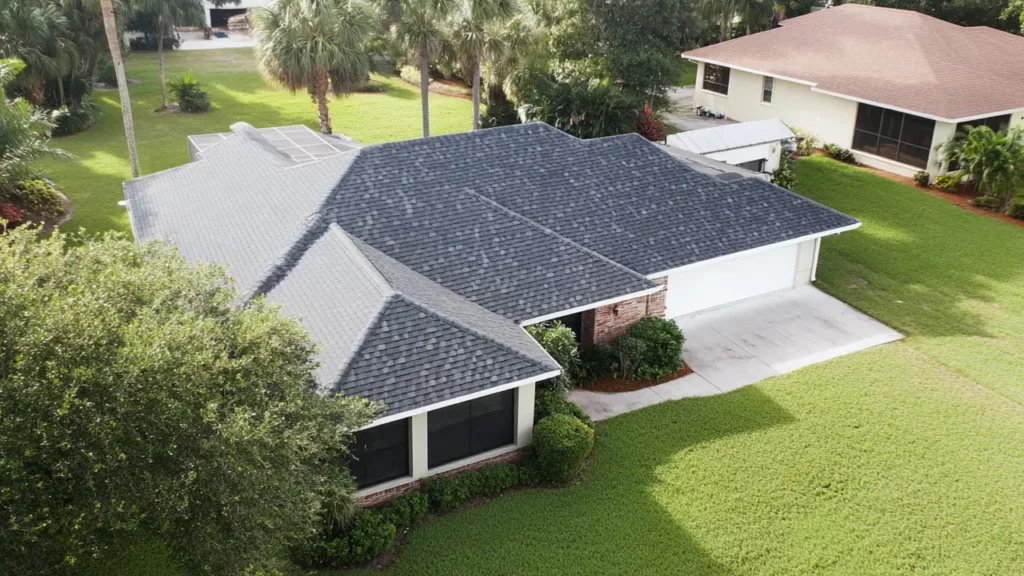
Learning how to spot hail damage on a Florida roof helps you catch problems early, before small dents turn into leaks and costly repairs. Florida storms hit hard and fast, and hail can bruise shingles or dent metal in seconds. At GreenTek Roofing & Solar, we inspect roofs all across Tampa Bay, so we know exactly what damage looks like up close. This guide walks you through the warning signs, safe inspection steps, and the moment you should call a professional roofer.
Why Florida Roofs Are Especially Vulnerable to Hail
Florida roofs face more stress than roofs in most other states. Frequent severe storms, intense heat, and constant UV exposure weaken roofing materials over time. When hail hits an already-aged roof, the damage is worse.
The storm season runs roughly from June through November. That means repeated stress on your roof for half the year. Each storm adds wear, so hail impacts land on materials that are already fatigued.
Heat and sun also speed up the aging of shingles and sealants. Brittle shingles crack and bruise more easily when hail strikes. Coastal conditions add another problem. Salt air corrodes metal and coatings, which makes metal roofs more prone to denting and coating loss. In Central Florida, we see these factors combine to leave roofs exposed.
The Telltale Signs of Hail Damage
Hail leaves clear marks if you know what to look for. The most common sign is a dark, circular bruise or spot on a shingle where the protective granules are gone. These spots often feel soft or spongy when pressed gently, which shows the shingle took an impact.
Check your gutters and downspouts next. Granule buildup that looks like dark sand is a strong signal of hail damage. Dents in metal vents, flashing, gutters, and even your AC unit point to the same cause. You may also spot cracked, loose, or displaced shingles, ridge caps, or flashing after a storm.
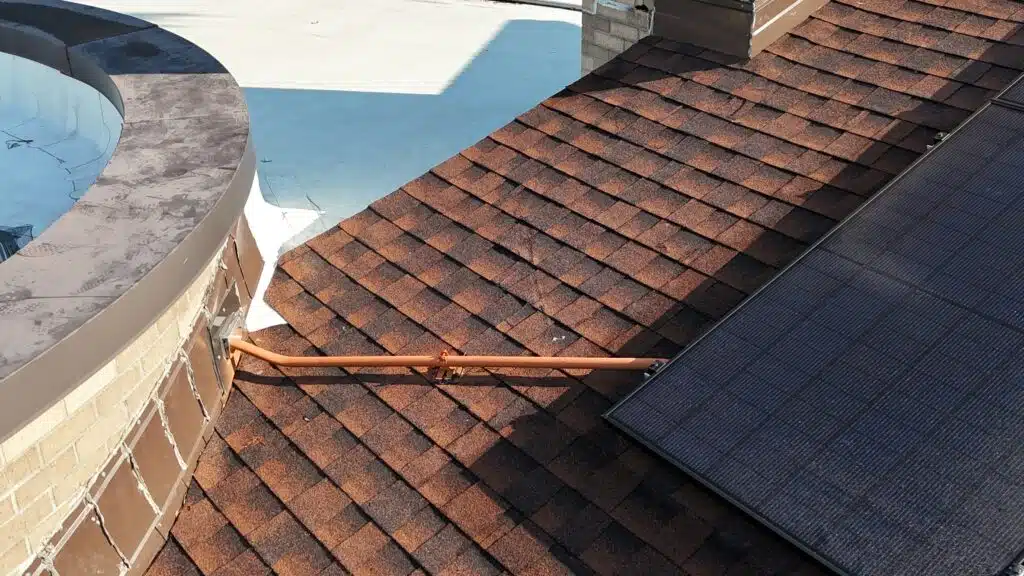
Hail Dents and Impact Marks on Shingles and Metal
Asphalt shingles show hail damage as dark spots, small divots, cracks, and lifted or loose shingles. Run your eyes across the whole slope, since impacts often cluster in patterns.
Metal roofs tell a different story. Look for dents, coating loss that exposes bare metal, backed-out screws, lifted trim, and shifted panels. These hail dents matter because exposed metal rusts and shortens the life of the roof.
Granule Loss and Bare Asphalt Patches
Granule loss is one of the clearest signs of hail impact. Look for bare asphalt showing through the shingle surface and heavy granules collecting in gutters or at the base of your home.
Timing helps confirm the cause. Fresh granule loss on relatively new shingles, under about 15 years old, usually points to hail rather than normal aging. If your roof is young and shedding granules, hail is the likely culprit.
How to Safely Inspect Your Roof After a Storm
Stay on the ground during your inspection. Do not climb onto the roof. Wet or damaged roofs are slippery, and a fall causes far more harm than a hail dent.
Walk around your home and study it from below. Check gutters, siding, downspouts, vents, and any metal surfaces for dents. Scan your yard for shingle pieces or displaced tiles, since scattered debris often means roof damage above.
Document everything you find. Photograph visible damage and, if you can do so safely, the size of the hail. Clear photos help your insurance claim and give your roofer a starting point. This simple record can speed up a storm damage roof repair in Tampa and support a fair settlement.
Interior Warning Signs You Shouldn’t Ignore
Hail damage does not always stay on the roof. Some signs appear inside your home days or weeks later. Watch for new ceiling or wall stains, peeling paint, and bubbling drywall tape.
Your attic tells you a lot too. A damp, musty smell suggests moisture is getting in. Visible daylight through roof boards or active drips during rain confirm that water has a path inside.
These interior signs mean the roof has already failed in at least one spot. The longer water sits, the more it spreads into insulation, framing, and drywall. If you notice any of these signs after a storm, treat them as urgent and schedule an inspection.
When to Call a Pro for Storm Damage Roof Repair in Tampa
Call a licensed roofer any time you see bruising, denting, leaks, interior stains, or granule loss. These signs warrant a professional roof inspection, even when the damage looks minor from the ground.
Florida roofers, including our crews at GreenTek, recommend calling a licensed contractor instead of doing a DIY roof inspection. A professional gets on the roof safely, spots hidden damage, and documents findings your insurance company will accept. This matters for both safety and your claim.
GreenTek Roofing & Solar serves homeowners and business owners across Thonotosassa and greater Tampa Bay. As a GAF Master Elite and TAMKO Pro Diamond roofer, we offer storm-damage restoration and free commercial roof audits. Our five-step process covers consultation, inspection, planning, repair, and final checks, so you know the work is done right.
You can reach out through the GreenTek Roofing & Solar website to schedule an inspection. Acting early protects your home and often lowers repair costs.

Step Into
The Future of Roofing
