
 (813) 333-1963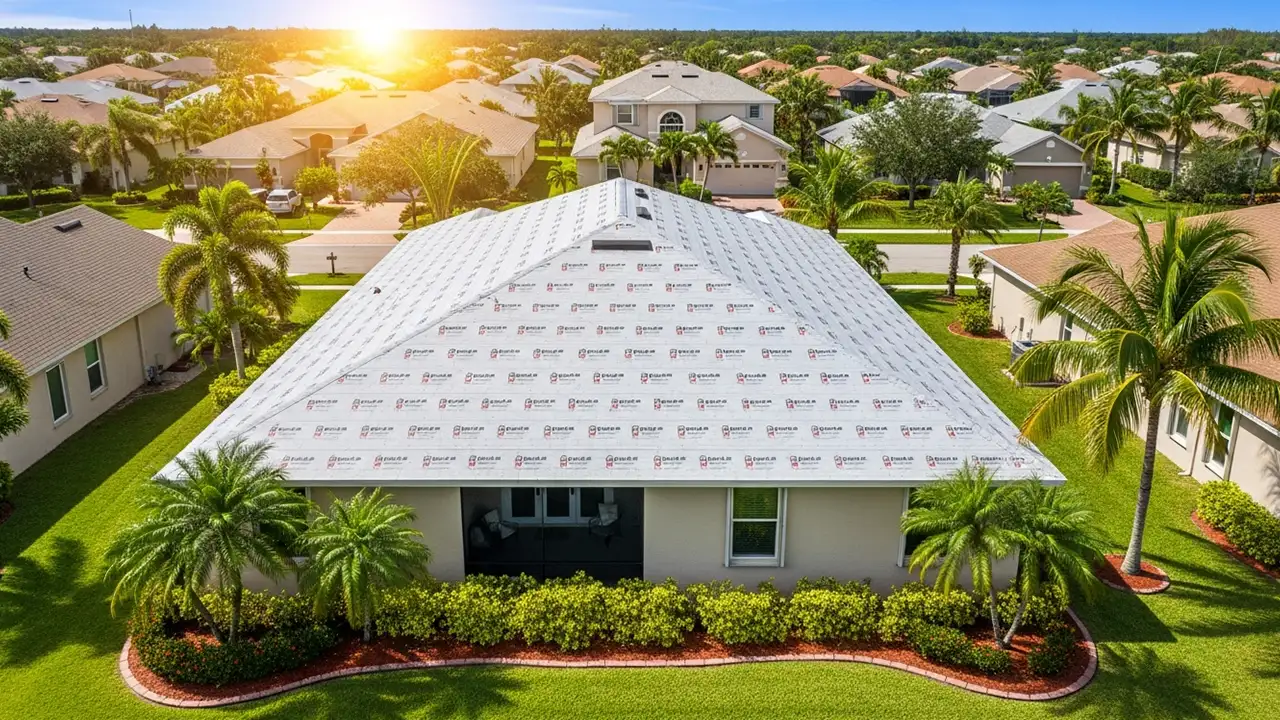
Best Underlayment Strategies for Davenport Homes: Synthetic vs Peel-and-Stick in Florida Heat

Written By: GreenTek Roofing & Solar | 9 Min Read

Your roof is more than just the shingles or tiles you see. Hidden beneath that top layer is the roof underlayment, a crucial barrier that protects your home. For Florida homes, especially in Davenport, FL, choosing the right roofing material is vital. The underlayment is installed directly onto your roof deck, providing a secondary defense against our state’s intense sun and heavy rains. It’s a key part of smart roofing.
Why Underlayment Choice Matters for Davenport Homes
Selecting the right underlayment is crucial for enhancing the durability of Davenport homes, particularly amidst Florida’s intense climate. It serves as the first line of defense against water intrusion, protecting the roof structure and preventing damage to the home’s interior. A well-chosen underlayment can offer water resistance and wind resistance, ensuring the longevity of roofing systems. Homeowners must be informed to make the best choice, as improper installation could lead to higher energy bills and potential storm damage over time.
Impact of Florida Heat and Humidity on Roofing
Florida’s intense heat and humidity present unique challenges for roofing systems. Prolonged exposure to high temperatures can cause traditional underlayment materials, such as felt, to deteriorate, compromising their effectiveness. This environment accelerates water intrusion and exacerbates the risk of storm damage, making a watertight barrier essential. For Florida homeowners, selecting the right underlayment type can serve as the first line of defense, enhancing the lifespan of the roof and providing necessary protection against severe weather events.
The Role of Underlayment as a Protective Barrier
A quality underlayment serves as the first line of defense for roofing systems, significantly enhancing the durability of a home’s structure in the face of Florida’s extreme weather. This extra layer of protection minimizes water penetration, providing a watertight barrier that safeguards against storm damage and prolonged exposure to humidity. Proper installation of either synthetic or peel-and-stick types ensures compliance with Florida building codes, ultimately leading to a longer lifespan for the roof and reduced energy bills for Florida homeowners.
Understanding Synthetic Roof Underlayment
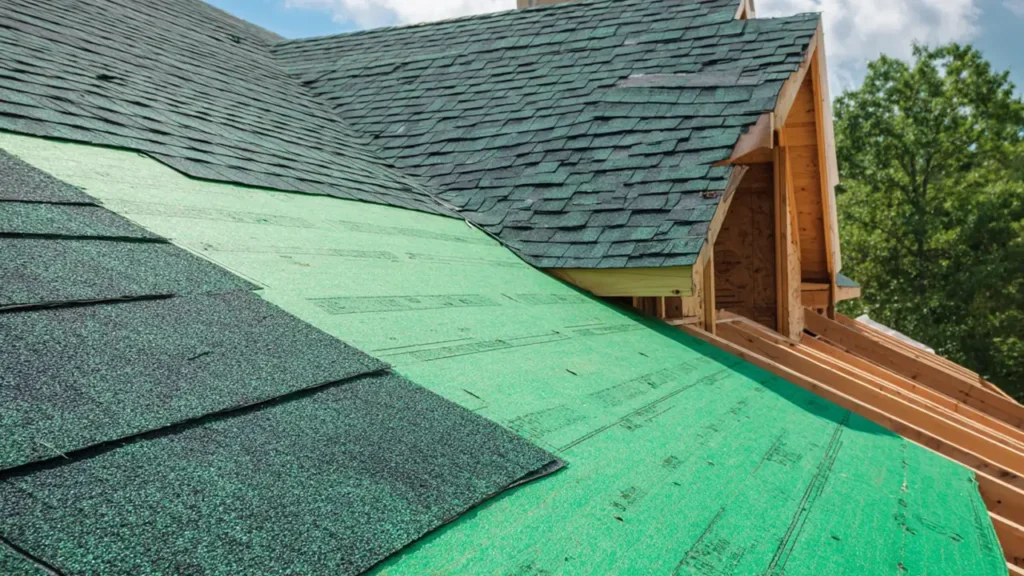
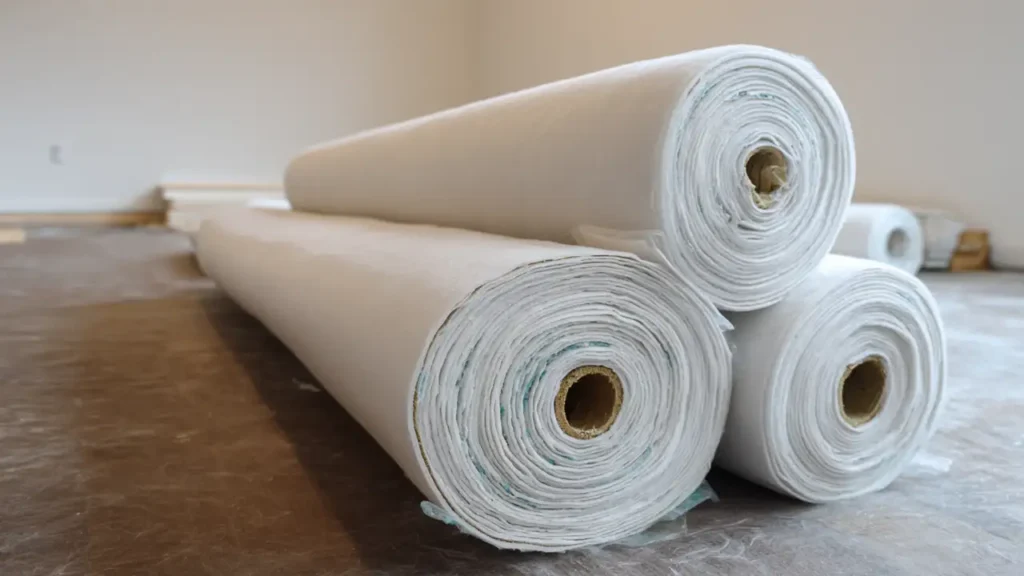
Synthetic underlayment is a modern, engineered product that has become a top choice for many roofing projects. Made from woven polyethylene or polypropylene, it represents a significant upgrade over traditional materials. It is designed to be lightweight, strong, and highly resistant to water, making it ideal for various roofing types, including asphalt shingles.
This advanced material offers superior protection for your roof deck. When you’re considering a roof replacement, synthetic underlayment provides durability and performance that older options simply can’t match. Let’s look at how it performs in Florida’s climate and what advantages it offers.
How Synthetic Underlayment Handles Florida Weather
Synthetic underlayment serves as a robust first line of defense against Florida’s extreme weather, providing an extra layer of protection to roofing systems. Unlike traditional felt underlayment, its waterproof seal creates a watertight barrier that withstands heavy rain and high winds. Designed to handle UV exposure and humidity, synthetic options enhance energy efficiency, helping manage energy bills over time. The superior durability of synthetic materials ensures a longer lifespan, making it a smart choice for Florida homeowners looking to safeguard their home’s structure.
Key Advantages for Hot and Humid Climates
In hot and humid climates like Davenport, synthetic underlayment excels. Its engineered design offers key benefits ideal for our environment, including resistance to heat and UV degradation for lasting protection. It also improves energy efficiency by reducing heat transfer into your home, which can lower cooling costs. A professional roofing contractor can optimize your roof system for peak performance.
Key advantages:
- Superior durability and longer lifespan
- Mold and rot resistance in humidity
- Lightweight and safer for installers
- Excellent UV resistance during installation delays
Exploring Peel-and-Stick Roof Underlayment
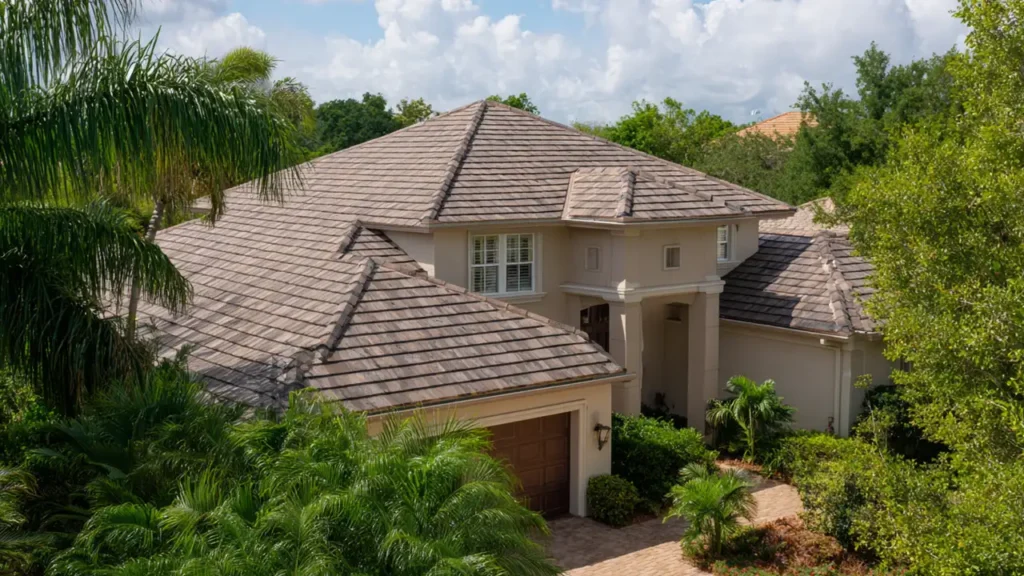
Peel-and-stick underlayment, also known as a self-adhered membrane, offers the highest level of water protection available. This type of underlayment features a rubberized asphalt adhesive that bonds directly to the roof deck, creating a continuous waterproof seal. It’s a premium roofing material designed for maximum security. This option is particularly effective for any roof type but is often required in Florida’s most vulnerable areas. Its ability to create a completely sealed barrier makes it an excellent choice for homeowners seeking ultimate peace of mind. We will discuss its unique features and performance in storms.
Unique Water Resistance Features
The main advantage of peel-and-stick underlayment is its superior water resistance. By adhering directly to the roof deck, it eliminates the need for mechanical fasteners and forms a seamless, watertight barrier. During installation, it self-seals around any nails used for the final roofing layer, preventing leaks at vulnerable penetration points. This makes it especially valuable for Florida homes facing frequent heavy rain.
Key water-resistance features:
- Forms a complete waterproof seal
- Adheres directly to roof decking
- Self-seals around fasteners
- Blocks water penetration, even in wind-driven rain
Durability and Performance in Florida Storms
The durability of underlayment materials plays a critical role during Florida storms, with high winds and heavy rain posing significant challenges. Synthetic underlayment is engineered to provide a watertight seal, helping to minimize water intrusion and protect the home’s structure from storm damage. This type of underlayment also boasts enhanced mechanical fasteners and increased resistance against UV exposure, key factors in ensuring a longer lifespan. In contrast, traditional felt underlayment may struggle to withstand Florida’s extreme weather, making synthetic the better choice for local homeowners.
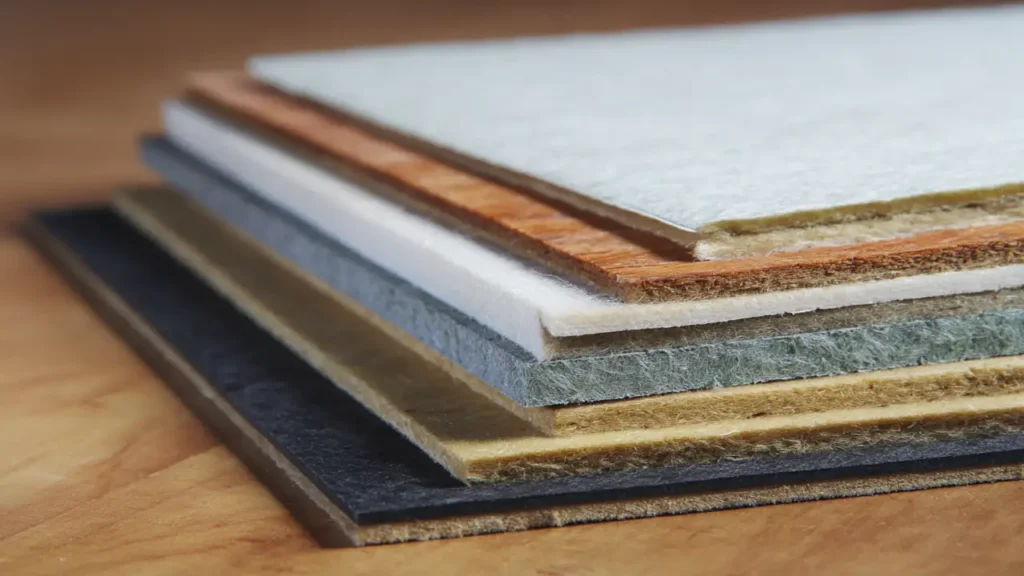
Head-to-Head Comparison: Synthetic vs Peel-and-Stick
Evaluating synthetic and peel-and-stick underlayment reveals distinct differences crucial for Davenport homeowners. Synthetic underlayment offers a robust watertight barrier with impressive durability against Florida’s extreme weather, ensuring long-lasting protection for the roof structure. In contrast, peel-and-stick options, while providing easy installation, may have limitations regarding longevity and thermal performance. Both underlayment types play vital roles in roofing projects, impacting overall energy efficiency and resistance to water penetration, making informed choices essential for maximizing each home’s lifespan and structural integrity.
Differences in Lifespan and Durability
Lifespan and durability significantly influence the choice of underlayment in Davenport homes. Synthetic underlayment typically exceeds the longevity of traditional felt options, providing a longer lifespan of the roof due to its resistance to UV exposure and moisture. On the other hand, peel-and-stick varieties offer exceptional durability and a watertight seal, effectively minimizing water intrusion risks. Evaluating these differences ensures Florida homeowners select the right underlayment type that withstands extreme weather while enhancing the overall integrity of the roofing system.
Water Resistance and Energy Efficiency
A strong focus on water resistance is essential for roofing underlayment in Florida, where heavy rain and humidity are prevalent. Synthetic underlayment provides a watertight seal that helps prevent water intrusion, acting as the first line of defense for the roof structure. Alongside superior water resistance, these underlayments often increase energy efficiency by reflecting UV rays, ultimately lowering energy bills for homeowners. Choosing the right underlayment type can enhance the roof’s overall performance, leading to a longer lifespan and better protection against severe weather.
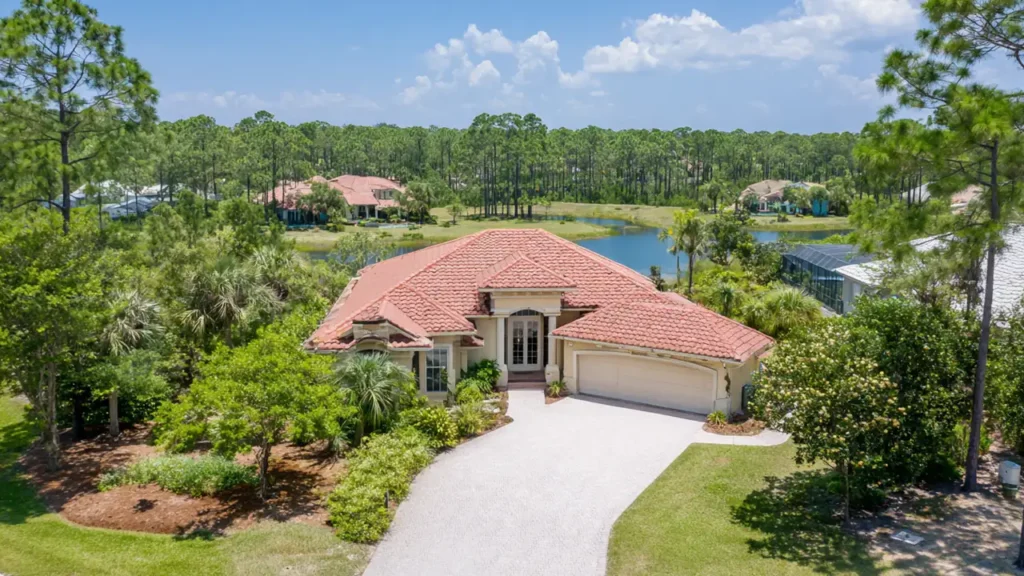
Cost, Installation, and Building Code Considerations
Beyond performance, practical factors like cost, the installation process, and building codes play a huge role in your decision. Peel-and-stick underlayment generally has a higher material and labor cost, while synthetic options offer a more moderate price point. Both must be installed correctly to meet the stringent Florida Building Code.
As a BBB accredited A+ business, we at GreenTek Roofing & Solar ensure every installation meets or exceeds code compliance. We’ll break down the cost versus long-term value and what you need to know about local regulations in Davenport.
Upfront Costs vs Long-Term Value
When selecting roofing materials, look beyond upfront costs. Traditional felt is cheapest initially but has a shorter lifespan and higher failure risk, making it less cost-effective long-term. Synthetic underlayment costs more at first but offers decades of reliable protection and reduces repair expenses. Peel-and-stick underlayment is the most expensive option, but provides superior durability and water resistance. In storm-prone areas, it can prevent costly damage that far exceeds the initial investment.
Key factors to consider:
- Material and labor costs
- Underlayment lifespan
- Long-term savings from fewer repairs
- Hiring a reputable roofing contractor
Code Compliance for Davenport and Florida
Complying with the Florida Building Code is mandatory and ensures your roof’s safety. The code has strict requirements for underlayment, which protects against wind and water. Depending on your location, you may need specific materials like self-adhered membranes.
Proper installation is as important as choosing quality materials. As a GAF 2-Star President’s Club Member and TAMKO Diamond Pro Certified Contractor, we at GreenTek Roofing & Solar meet the highest industry standards, sealing every seam and perfecting every detail. We stay current with all local regulations in Davenport, ensuring your new roof is both attractive and compliant. Our ongoing training allows us to deliver “smart roofing” with expertise and confidence.
Contact Us Today for a Quote
In summary, choosing the right underlayment is essential for Davenport, FL, homes dealing with Florida’s heat and humidity. Synthetic and peel-and-stick options each offer unique benefits to keep your roof durable and effective. As a GAF Master Elite and TAMKO Diamond Pro Certified Contractor, GreenTek Roofing & Solar delivers tailored solutions for your needs. Contact us today for a quote and experience superior quality and service for your commercial roofing projects.
Frequently Asked Questions
Which underlayment lasts longer in extreme Florida weather?
Both synthetic and peel-and-stick underlayments offer a longer lifespan in extreme weather. Peel-and-stick often has a slight edge in durability due to its adhesive bond, but a high-quality synthetic underlayment from partners like GAF or TAMKO will also protect your Florida roofing system for decades.
What is the code for underlayment on a roof in Florida?
The Florida Building Code requires an approved roofing underlayment on all roofs. In High-Velocity Hurricane Zones, self-adhered (peel-and-stick) membranes are often mandatory. A certified roofing contractor can ensure your project meets all local and state requirements for code compliance.
Read our blog: Why Roof Leaks Show Up After “No-Damage” Storms in Davenport

Step Into
The Future of Roofing
