
 (813) 333-1963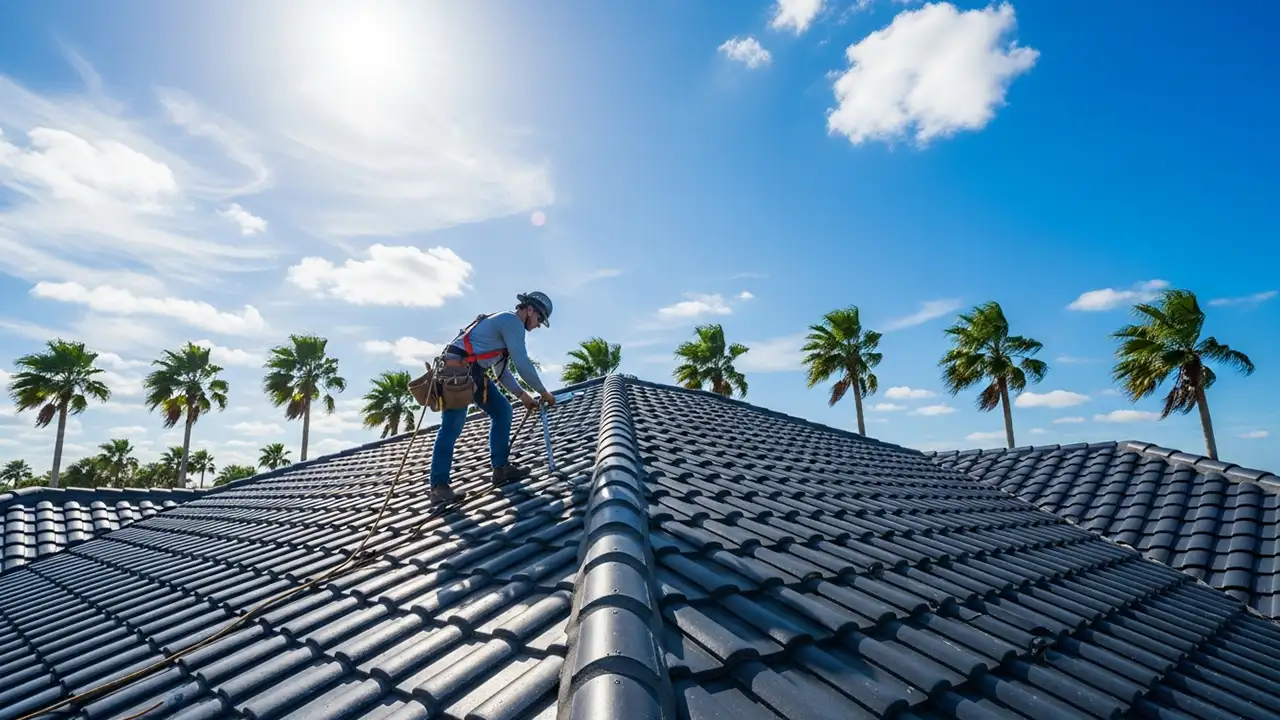
Fish Hawk, FL Roof Penetration Sealing Techniques for Long-Term Waterproofing

Written By: GreenTek Roofing & Solar | 7 Min Read

Your roof is your home’s first line of defense, but certain spots are more vulnerable than others. Roof penetrations, like vents and pipes, can create openings for water to seep in. Properly sealing these areas is essential to creating a strong waterproof barrier. Without it, you risk serious water damage that can be costly and difficult to repair. Protecting these points is key to keeping your Fish Hawk, FL, home safe and dry.
Why Roof Penetration Sealing Matters for Fish Hawk, FL Homes
Maintaining a watertight barrier is crucial for Fish Hawk, FL homes due to the region’s unique climatic challenges. Roof penetrations like vents and pipes are vulnerable points where water intrusion can occur, leading to structural damage and costly repairs. Proper sealing techniques using quality sealants, such as polyurethane and silicone, enhance roof longevity by resisting extreme weather conditions and temperature fluctuations. This proactive approach not only safeguards the structural integrity but also ensures energy efficiency and peace of mind for homeowners.
Common Sources of Roof Leaks and Water Damage
Roof leaks often begin in unexpected places, especially where the roof is cut for features like vents or skylights. These penetrations break the roof’s surface, making them prone to water intrusion. Florida’s harsh climate can quickly wear down seals around these areas.
Common leak sources include:
- Plumbing vents
- Chimneys and skylights
- Exhaust flues
- Mounts for solar panels or satellite dishes
Without regular inspections, leaks may go unnoticed until they cause interior damage. Small openings can lead to major problems during heavy rain. Proactive inspections help catch issues early and prevent costly water damage.
The Importance of Long-Term Waterproofing
Long-term waterproofing is crucial in humid climates like Fish Hawk, FL, where moisture levels can lead to significant wear on roofing materials. The combination of high humidity and temperature fluctuations creates an environment where water infiltration and small leaks can develop into severe structural damage. A proactive approach, utilizing appropriate sealants such as polyurethane or silicone, ensures a watertight barrier against heavy rain and extreme weather. Regular inspections and maintenance enhance the roof’s lifespan, providing homeowners peace of mind against costly repairs.
Identifying Roof Penetrations That Require Sealing
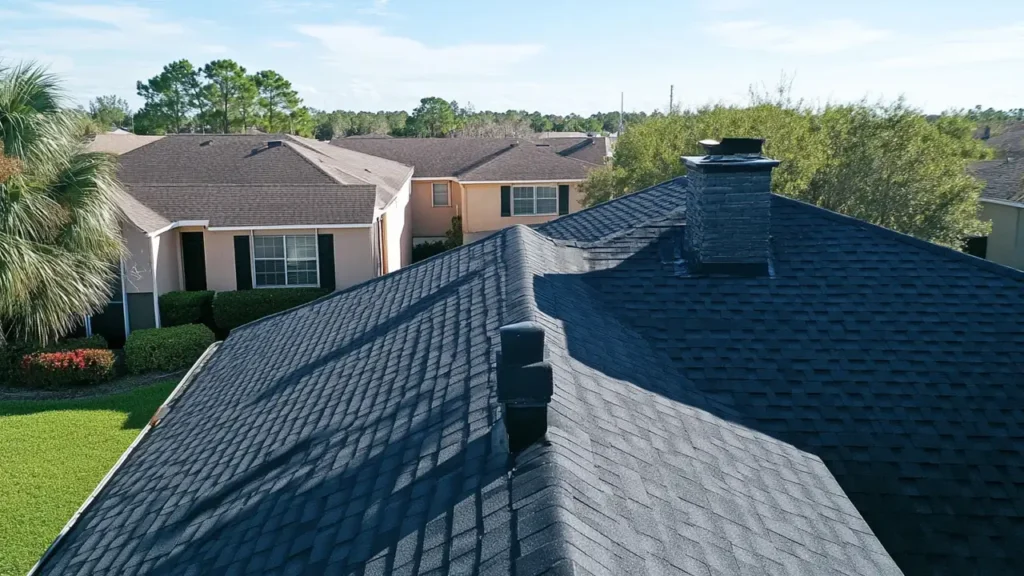
A thorough examination of roof penetrations is essential to ensure optimum waterproofing. Common vulnerable points include pipes, vents, skylights, and solar panel mounts, which can compromise the roofing material’s integrity. Roof valleys, intersections, and chimney flashings also warrant special attention, as they are often overlooked during inspections. Identifying these areas early is crucial in preventing water intrusion and potential structural damage, which can lead to costly repairs. Regular maintenance and proactive approaches enhance the longevity of your roofing system.
Pipes, Vents, Skylights, and Solar Panel Mounts
The integration of pipes, vents, skylights, and solar panel mounts is often a significant source of water intrusion in roofs. These roof penetrations create vulnerable points requiring special attention during installation to ensure an effective waterproofing strategy. Proper sealing techniques such as using high-quality polyurethane or silicone sealants help establish a strong watertight barrier. Regular inspections are essential to identify signs of wear, allowing proactive measures to be taken before structural issues arise and potentially causing costly repairs down the line.
Roof Valleys, Intersections, and Chimney Flashings
Roof valleys, intersections, and chimney flashings represent vulnerable points in any roofing system. These areas are particularly susceptible to water intrusion due to their complex designs, which can trap moisture. Utilizing appropriate sealants like polyurethane or silicone can enhance the effectiveness of waterproofing in these critical zones. Regular inspections are vital to identify early signs of damage, ensuring that structural integrity remains intact over the life of your roofing materials. Employing best practices in sealing prolongs the roof’s lifespan and provides peace of mind against severe weather conditions.
Best Roofing Materials for Waterproofing Around Penetrations
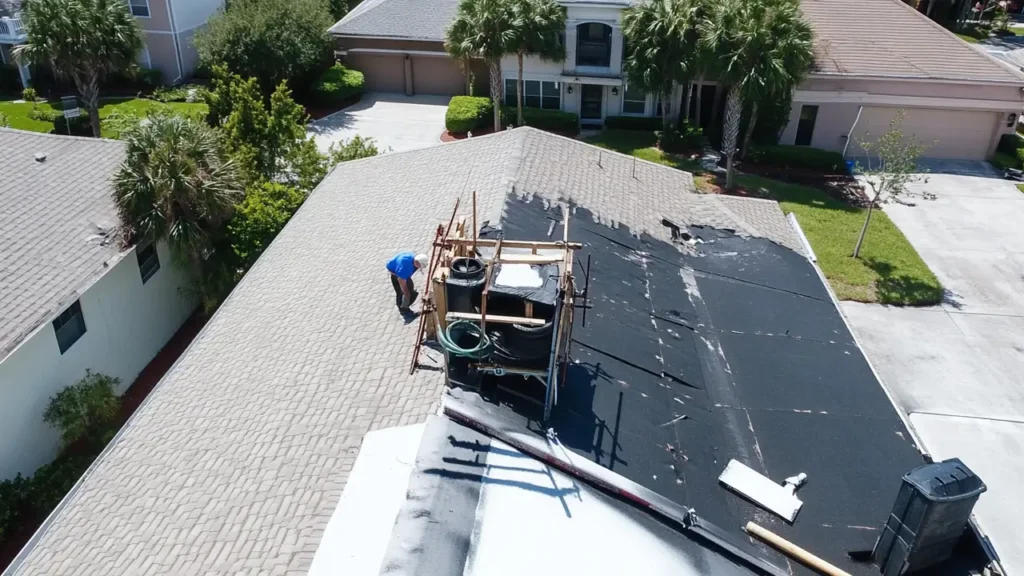
Selecting the right roofing materials is critical for ensuring effective waterproofing around penetrations. Polyurethane sealants, known for their superior protection and flexibility, excel in adapting to temperature fluctuations. For roofing systems that experience heavy rain and strong winds, silicone sealants provide exceptional water resistance, while acrylic sealants offer durability against UV exposure. Using quality materials from trusted manufacturers enhances the roof’s lifespan, thus preventing costly repairs and maintaining the structural integrity of your roofing system over time.
Benefits of Using Trusted Products
At GreenTek Roofing & Solar, we use only top brands because quality materials are key to a lasting roof. We trust GAF, TAMKO, and Novatik Stone Coated Metal for their proven durability and protection—ideal for Florida’s tough climate.
As a GAF Master Elite and TAMKO Diamond Pro Certified Contractor, we guarantee expert installation with the best products available. Here’s what sets these brands apart:
| Brand | Key Benefits |
|---|---|
| GAF & TAMKO Asphalt Shingles | Advanced adhesion, superior water resistance, and strong protection from wind and heavy rain. |
| Novatik Stone Coated Metal | Exceptional lifespan, corrosion resistance, and durability against wind and UV exposure. |
Choose these brands for a roof that lasts—and protects your home against the elements. That’s smart roofing.
How Certified Materials Boost Waterproofing Performance
Using certified materials from brands like GAF and TAMKO ensures a reliable, waterproof roofing system. When installed by certified contractors, these products seal out moisture—even in vulnerable areas—and offer enhanced UV resistance and flexibility to prevent cracking under the Florida sun. Their durability keeps seals around pipes, vents, and chimneys secure for years. Investing in certified materials means longer-lasting protection against leaks and water damage. That’s the value of our GAF 2-Star President’s Club Member status.
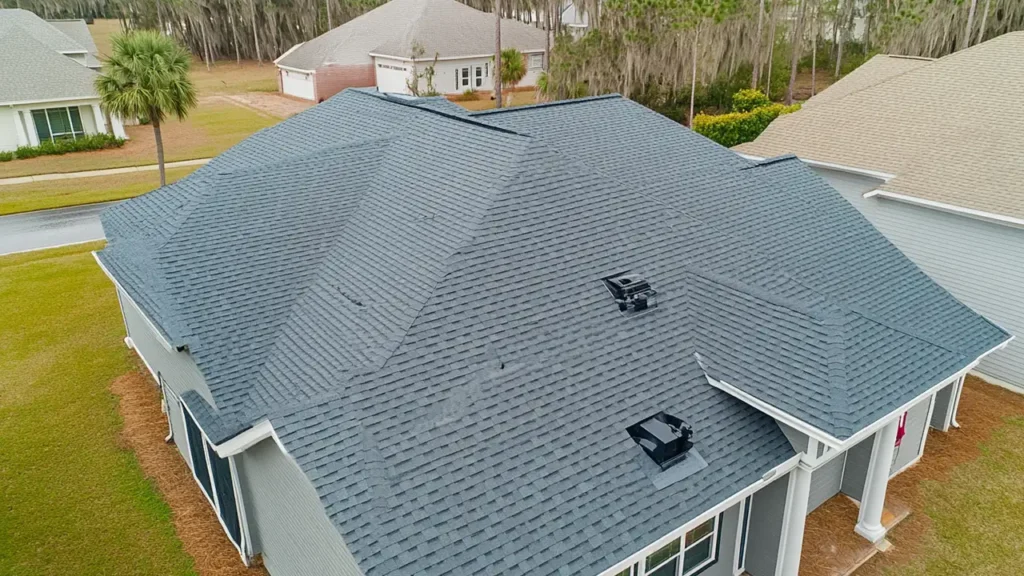
Step-by-Step Guide to Roof Penetration Sealing
Prioritizing thorough preparation is crucial for effective roof penetration sealing. Begin by cleaning the roof surface to remove debris and moisture, ensuring quality sealants adhere properly. Analyze vulnerable points around pipes, vents, and other roof penetrations, assessing the signs of wear that might indicate previous improper installation.
After preparing the area, select the right sealant—whether polyurethane or silicone—based on its water resistance and UV resistance. Utilize appropriate flashing techniques to create a watertight barrier, thus enhancing the roof system’s structural integrity and extending its lifespan.
Preparing and Cleaning the Roof
Ensuring maximum sealant adherence starts with a thorough preparation process. Begin by inspecting for weak spots and signs of wear, as these are vulnerable points where water infiltration may occur. Clean the roof surface meticulously, removing debris, dirt, and old sealants to establish a watertight barrier. This proactive approach enhances the effectiveness of the chosen sealant, whether it be polyurethane or silicone. Proper preparation elevates the performance of the roofing system, significantly extending the life of your roofing materials against extreme weather conditions.
Applying Sealants and Flashing
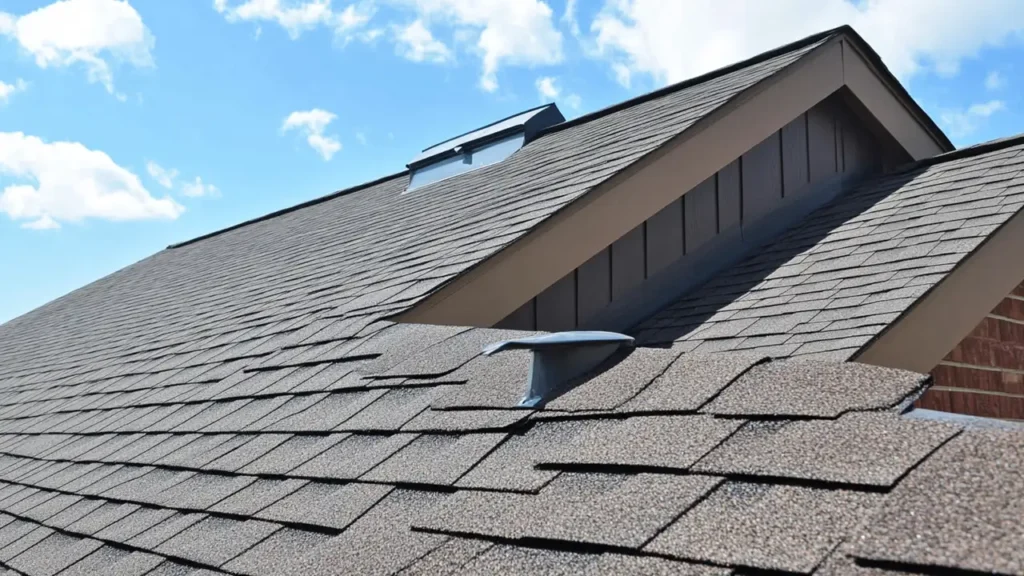
After preparing the surface, apply the appropriate roof sealant and install flashing. The choice of sealant—silicone, polyurethane, or acrylic—depends on your roofing material and type of penetration, each offering a durable, watertight barrier.
Our professional process includes:
- Evenly applying sealant for full coverage.
- Tooling for a smooth finish that directs water away.
- Installing or repairing flashing for extra protection.
These steps ensure a waterproof, flexible seal that withstands temperature changes and prevents cracks—protecting your home from leaks for years.
Contact Us Today
Effective roof penetration sealing is crucial for protecting your Fish Hawk, FL home, especially in a humid climate. By identifying leak sources, using quality materials like GAF, TAMKO, and Novatik Stone Coated Metal, and following proper sealing methods, you ensure lasting waterproofing. GreenTek Roofing & Solar—a GAF Master Elite Certified Contractor with an A+ BBB rating—offers expert service backed by extensive training. For commercial roofing needs, contact us for a quote and experience the advantages of smart roofing.
Frequently Asked Questions
How to seal roof penetration?
Proper roof sealing involves cleaning the area, applying quality sealants like silicone or polyurethane, and ensuring proper flashing is in place. Using correct sealing techniques is crucial to create a durable, watertight barrier and prevent the need for future roof leak repair.
What type of roof lasts 25 years in Florida?
In Florida, both high-quality architectural asphalt shingles and metal roofs can last 25 years or more. A roofing material with excellent UV resistance is key to withstanding the intense sun and temperature changes, ensuring a long lifespan for your roof.
Read our blog: Comparing Architectural vs Designer Asphalt Shingles in Fish Hawk
Step Into
The Future of Roofing
