
 (813) 333-1963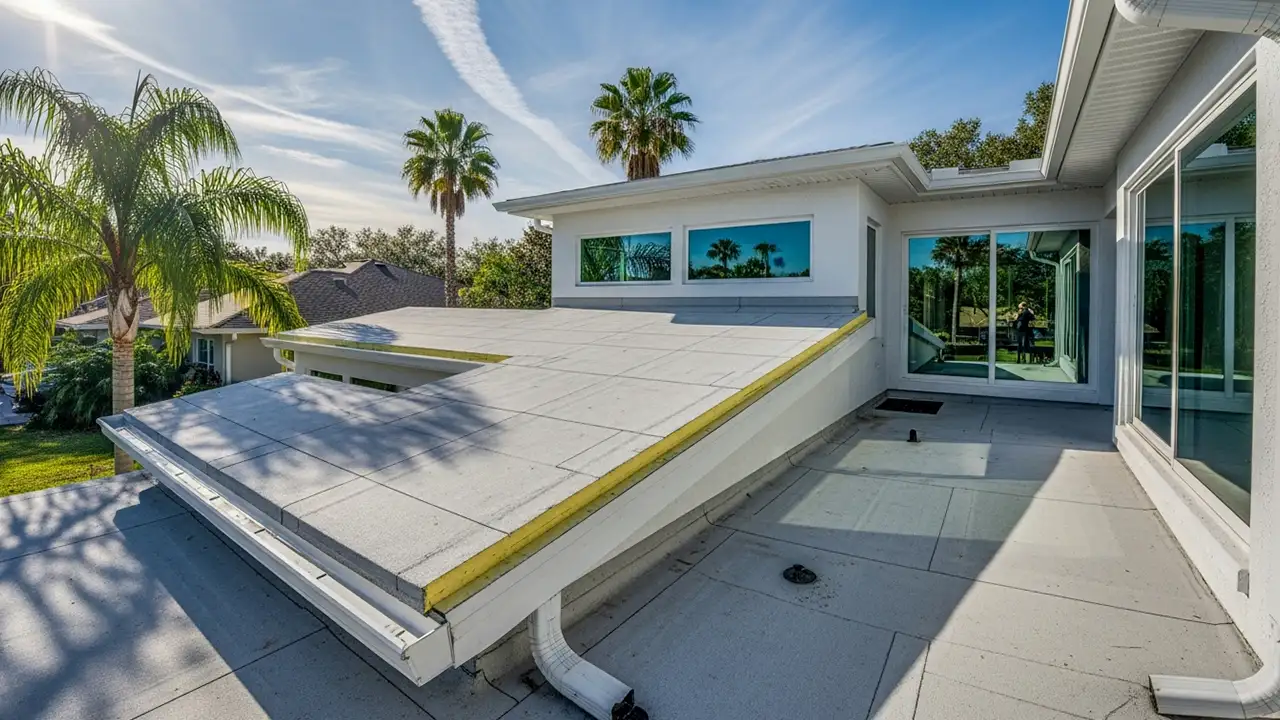
Flat Roof Additions in Davenport: Drainage, Tapered Insulation, and Ponding Prevention

Written By: GreenTek Roofing & Solar | 7 Min Read

Adding a flat roof to your Davenport home can be a great choice for a modern look and efficient use of space. However, unlike sloped roofs, they require careful planning to ensure proper drainage. Without a well-designed system, your new addition is at risk for standing water, which can lead to serious water damage. At GreenTek Roofing & Solar, we specialize in creating smart roofing solutions that protect your investment.
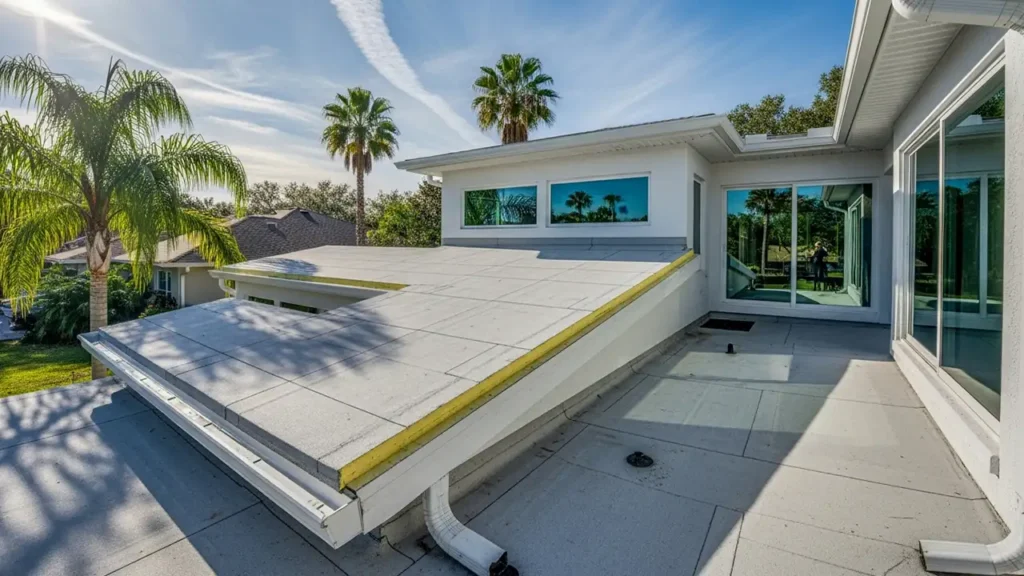
Key Drainage Issues Flat Roof Additions Face in Davenport, FL
Flat roofing additions in Davenport, FL often encounter specific drainage issues due to the local climate. The primary concern is water pooling, which happens when rain has nowhere to go. This standing water puts constant stress on your roof, leading to premature wear and potential structural damage. If not addressed, these drainage problems can compromise your entire roofing system. Understanding what causes these issues is the first step toward prevention. A lack of slope, blocked drains, or even an improper initial installation can all contribute to drainage problems. As a family-owned and operated company, we want to help you identify these challenges early to avoid costly repairs.
Ponding Water and Its Long-Term Impact
Ponding water on flat roofs can lead to significant structural integrity issues over time. This stagnant water creates a breeding ground for mold growth and accelerated deterioration of roofing materials. Additionally, it stresses the drainage system, which may become overwhelmed during heavy rainfall, increasing the risk of leaks and water damage. Ensuring proper maintenance and regular inspections can mitigate these risks, ensuring optimal performance and extending the roof’s lifespan while providing peace of mind for property owners.
Signs of Poor Drainage Homeowners Should Watch For
Spotting poor flat roof drainage early can prevent costly repairs. Key signs include:
- Water pooling on the roof that persists for over 48 hours after rain.
- Accumulation of debris like leaves or twigs, which can block drains.
- Water stains on ceilings or walls inside your home, indicating leaks.
- Musty odors or visible mold and mildew growth, signaling hidden moisture.
Watch for these indicators to address drainage issues promptly.
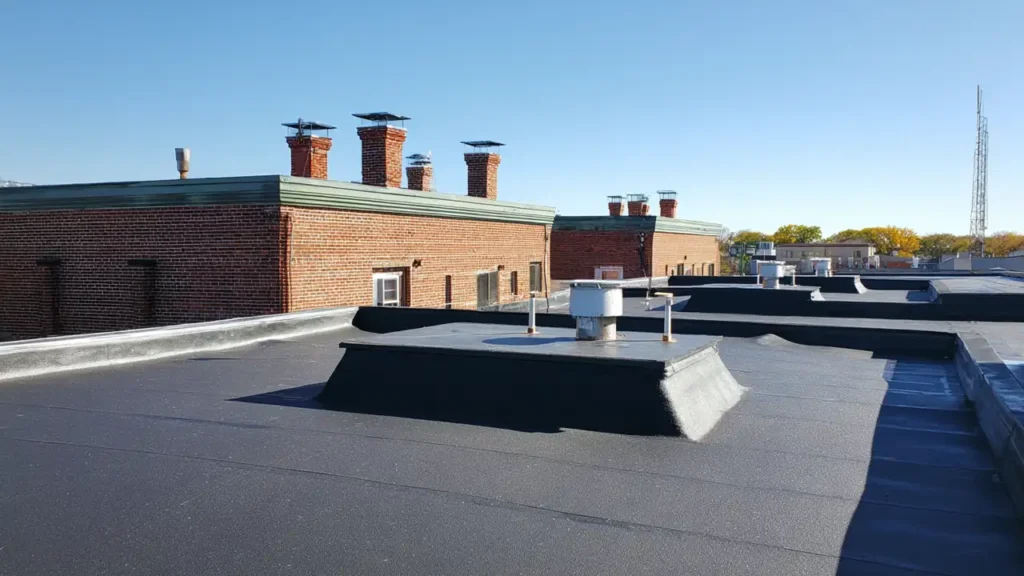
Why Proper Drainage Is Essential for Flat Roofs
Effective drainage solutions are crucial in Davenport’s humid climate, where heavy rainfall can lead to significant water accumulation. A reliable drainage system prevents standing water that can cause structural damage over time. Regular inspections and maintenance are vital to ensure the drainage efficiency of flat roofing systems. Without these measures, the risk of leaks increases, leading to costly repairs and mold growth, severely impacting both the building’s integrity and the comfort of its occupants. Proper drainage safeguards the longevity of your roof.
Heavy Rainfall and Humidity Considerations
The tropical climate in Davenport often leads to heavy rainfall and high humidity, which poses unique challenges for flat roof drainage systems. Ensuring proper installation and utilizing a tapered insulation system are vital in directing water movement and preventing standing water. Regular inspections and routine maintenance help property owners identify potential drainage issues, such as low areas and debris buildup, that can compromise the roof’s lifespan. Addressing these considerations effectively safeguards the structural integrity of commercial buildings against extreme weather impacts.
Preventing Structural Damage
The primary goal of a good drainage system is to prevent structural damage and leaks. When water pooling occurs, the constant weight and moisture can weaken your roofing system and the structure beneath it. This can lead to sagging, cracks, and eventually, costly water intrusion into your home. A proactive approach is the best way to protect your property.
Routine maintenance is a key component of prevention. By regularly inspecting your roof and clearing away any debris, you can ensure that drains and scuppers remain clear and functional. This simple step can stop major problems before they start. Our motto is “This is smart roofing,” and smart roofing includes being proactive about maintenance. Here are some key actions to prevent damage:
- Schedule professional inspections at least twice a year.
- Keep drains and gutters clear of leaves and debris.
- Address any signs of water pooling immediately.
- Ensure your roofing system is designed to handle local rainfall.
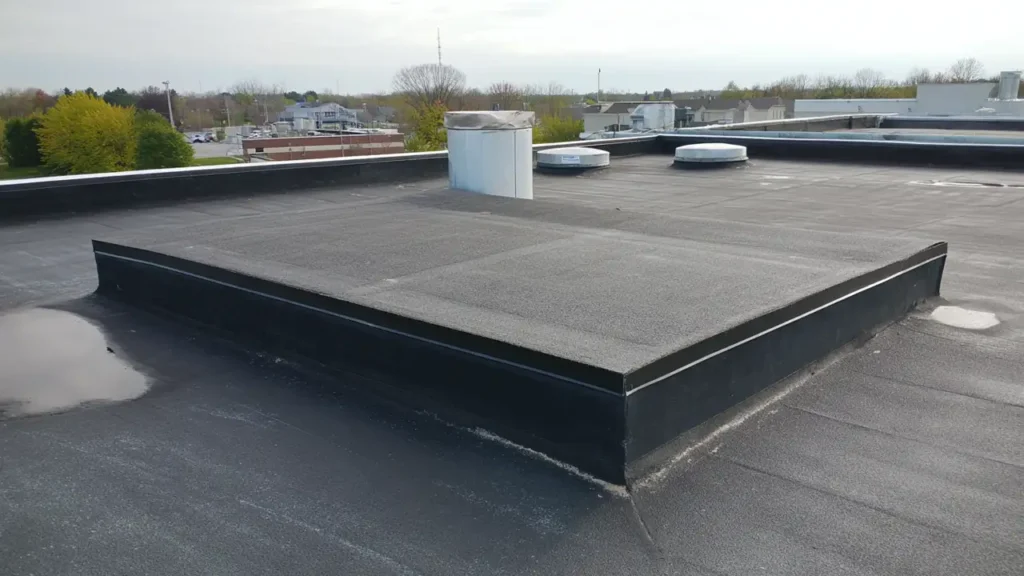
Smart Flat Roof Drainage Solutions
Every home is unique, so we offer customized flat roof drainage solutions—especially for Central Florida’s needs. We assess your roof addition to design a system that maximizes water flow and protects against water damage. As an A+ BBB-accredited business, we deliver smart, effective solutions using internal drains, scuppers, and advanced techniques. Our ongoing education ensures expert service.
Best Practices for Installing Internal Drains and Scuppers
Internal drains and scuppers are essential for flat roof drainage. Internal drains, placed at low points, channel water through interior pipes. Scuppers are roof edge openings that let water drain off the side. Proper placement and installation are critical for both. Effective drainage relies on positioning drains at the lowest spots and sizing scuppers to handle heavy rain, preventing backups.
Best practices:
- Place internal drains at the lowest points.
- Size scuppers for expected rainfall.
- Install strainers to block debris.
- Seal all connections to prevent leaks.
The Role of Roof Crickets
Roof crickets are a simple, effective way to improve water flow on flat roofs. These peaked structures direct water away from obstacles like chimneys and toward drains, preventing pooling and boosting drainage efficiency. They’re ideal for complex roof layouts or retrofitting roofs with drainage issues, creating a clear path for water without needing to re-pitch the entire surface. At GreenTek Roofing & Solar, we include roof crickets in our flat roof designs as part of our “smart roofing” approach—offering targeted water management to protect your home.
How It Helps Eliminate Ponding Water
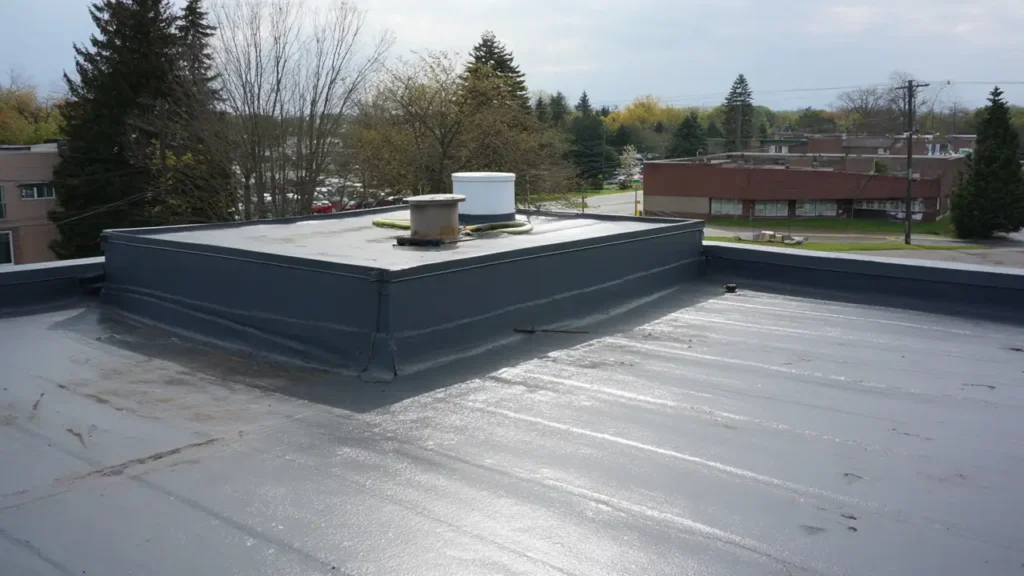
Tapered insulation is an effective way to prevent water pooling on flat roofs. It uses rigid insulation boards of varying thicknesses to create a gentle slope, directing water toward the drainage system and eliminating ponding. Beyond improving drainage, tapered insulation also increases your roof’s R-value, boosting energy efficiency and helping lower energy bills. It’s a smart investment for any flat roof addition in Davenport.
How to Install Tapered Insulation on Flat Roof Additions
Implementing tapered insulation on flat roof additions requires careful planning and execution to ensure optimal drainage efficiency. Begin by assessing the existing roof assembly to determine the necessary slope, which should typically direct water towards internal drains or scuppers. Utilize high-quality materials, such as polyvinyl chloride or bitumen systems, for durability. Proper installation involves placing insulation panels with the thickest edge at the highest point, allowing for effective water movement and reducing the risk of standing water, thereby safeguarding the structural integrity of your roof.
Recommended Materials for Drainage Efficiency
Selecting the right materials is essential for maximizing drainage efficiency and insulation in flat roof additions. Polyvinyl chloride (PVC) membranes provide an excellent waterproofing layer while allowing for thermal efficiency when paired with tapered insulation systems. Bitumen systems are also a reliable choice for long-lasting protection against weather damage. Incorporating roofing materials with high resistance to mold growth and debris buildup ensures both structural integrity and optimal performance over time, significantly extending the roof’s lifespan and maintaining energy efficiency.
Get in Touch
In conclusion, proper drainage and tapered insulation are essential for durable flat roof additions in Davenport, FL. With frequent heavy rain and humidity, effective drainage prevents water ponding, leaks, and structural damage. Following best practices for installing internal drains, scuppers, and tapered insulation helps keep roofs in top condition. As a GAF Master Elite Certified Contractor, we art GreenTek Roofing & Solar offer expert guidance. Contact us for quotes to ensure your commercial flat roof is built to last.
Frequently Asked Questions
How to stop ponding water on a flat roof?
To stop ponding water, ensure your flat roof has a proper drainage system. This can be achieved by creating a slight slope with tapered insulation, installing roof crickets to direct water, and ensuring internal drains or scuppers are clear and functional.
Do tapered crickets affect the R value?
Yes, tapered crickets and tapered insulation systems add to the roof’s total R-value. Since they are made from insulation materials, they improve your home’s energy efficiency by reducing heat transfer, in addition to improving drainage.
Read our blog: How to Choose a Roof Color in Davenport to Reduce Attic Temps and AC Costs

Step Into
The Future of Roofing
