
 (813) 333-1963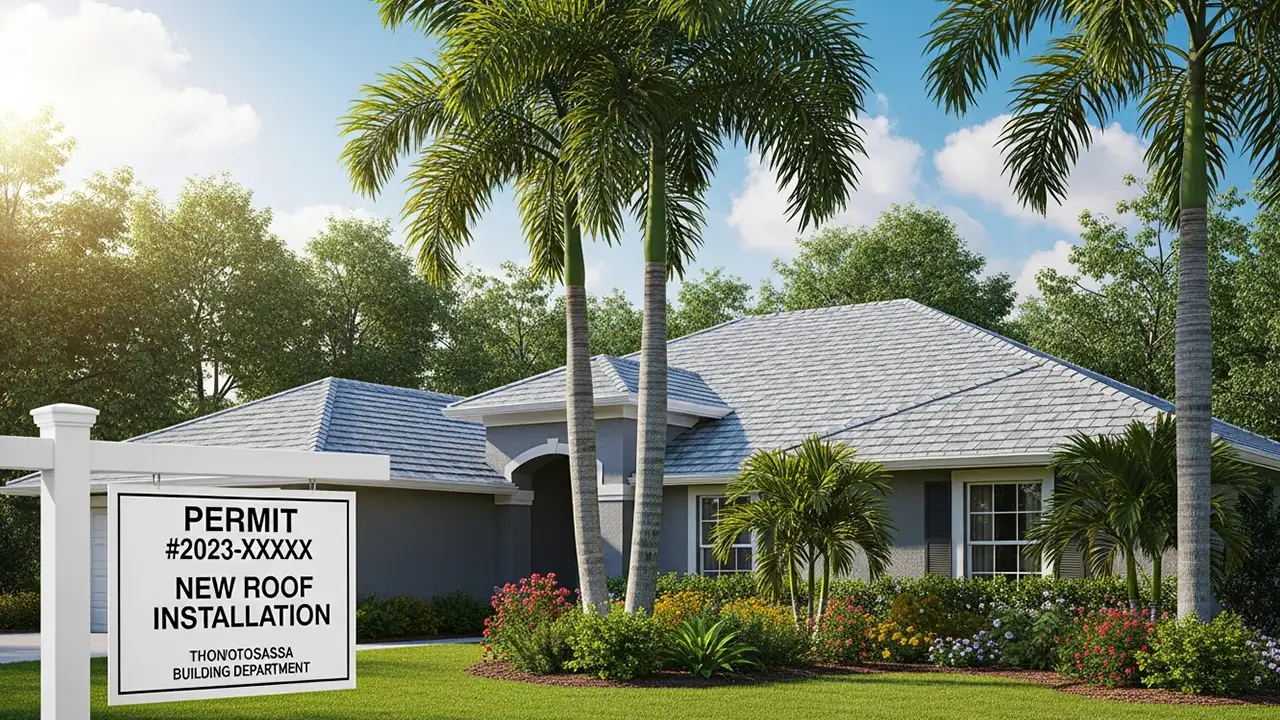
Florida Roofing Permits Explained for Thonotosassa, FL Homeowners: When You Need One and Why It Matters

Written By: GreenTek Roofing & Solar | 7 Min Read

If you own a home in Thonotosassa, Florida, understanding the local permit requirements for roofing is crucial. At GreenTek Roofing & Solar, we emphasize the importance of being informed before starting any project, from minor repairs to a full replacement. You need to know the rules set by the local building department. Navigating Florida roofing regulations can seem complex, but it’s a necessary step to protect your home and investment. Our team at GreenTek Roofing & Solar is here to guide you through everything you need to know about roofing permits in our area.
Florida Roofing Permit Basics
For homeowners in Thonotosassa, FL, understanding the fundamentals of roofing permits is essential for any roofing project. A roofing permit ensures compliance with local building codes and regulations, which vary by jurisdiction. Engaging a licensed contractor can streamline the permit application process, ensuring all specific requirements are met. Whether it’s for a full replacement or significant repairs, obtaining the right permits protects homeowners from potential legal issues and costly repairs due to unpermitted work. Compliance with Florida’s building codes provides peace of mind during the entire process.
Why Does a Roofing Permit Matter?
A roofing permit is a legal authorization required before starting any roofing project in Thonotosassa. It ensures compliance with local building codes and safety standards, protecting homeowners from potential hazards and ensuring quality workmanship throughout the roofing process.
Types of Roofing Projects That Need Permits
Various roofing projects necessitate obtaining the right permits in Thonotosassa, FL, to ensure compliance with local regulations. Major installations, such as a full replacement of the roof or significant structural changes, require a roofing permit. Additionally, repairs that involve altering the existing structure or using new roofing materials may also fall under permit requirements. Local authorities may categorize minor repairs differently, yet obtaining the necessary permits provides homeowners with the peace of mind needed for safety and legal adherence.
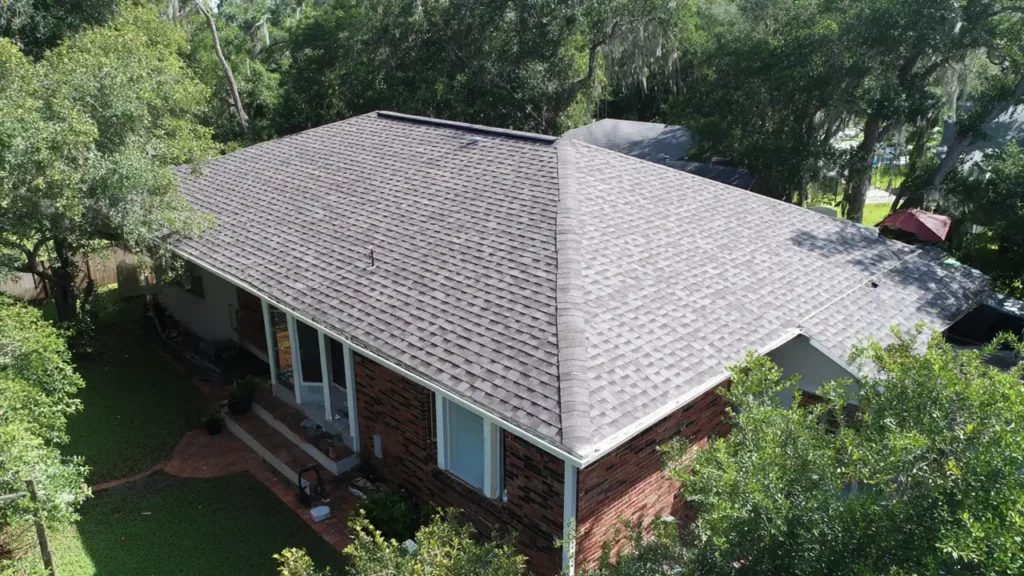
Permit Responsibilities: Homeowner vs Contractor
Navigating permit responsibilities in Thonotosassa necessitates a clear understanding of who is accountable. While homeowners may think of obtaining permits themselves, typically, licensed contractors manage this crucial aspect. This includes submitting the permit application to the local building department, ensuring code compliance, and adhering to local regulations. Homeowners remain responsible for verifying that contractors are appropriately licensed and insured, safeguarding against potential legal issues and ensuring the roofing project meets all necessary requirements for safety and efficiency.
Who Is Legally Required to Obtain the Roofing Permit?
In Florida, the property owner is ultimately responsible for obtaining the roofing permit, though contractors often facilitate this process. Homeowners should ensure permits are secured before work begins to avoid fines or delays in project approval. Compliance ensures safety and adherence to local regulations.
Can Homeowners Personally Pull Roofing Permits?
Yes, Thonotosassa homeowners can personally pull roofing permits. However, they must ensure compliance with local regulations and may need to provide necessary documentation. Consulting with local authorities can help clarify requirements and streamline the permit application process.
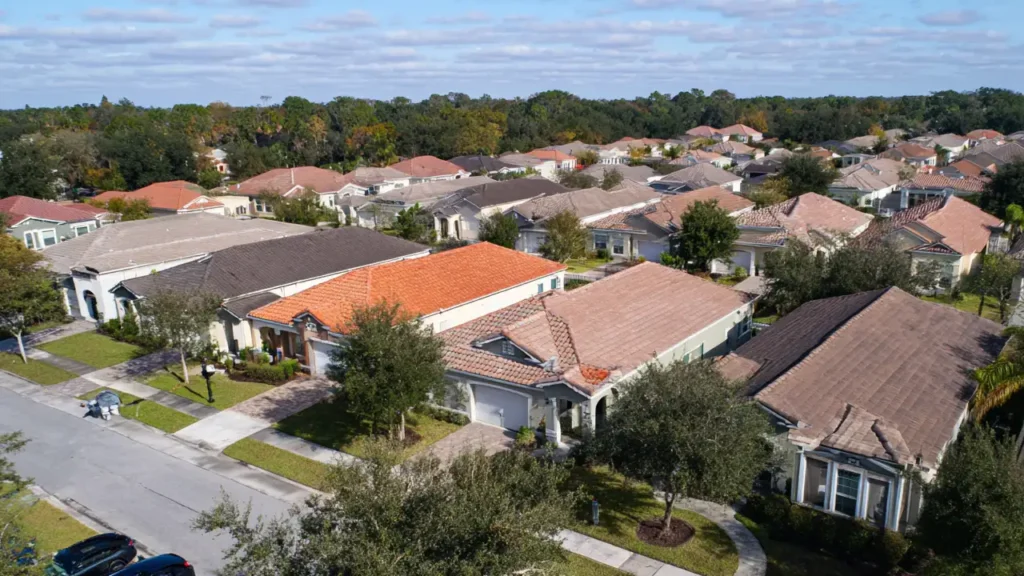
Understanding Roofing Codes
Florida’s roofing codes and regulations ensure that all roofing projects comply with safety standards and local requirements. Emphasizing the importance of the Florida Building Code, these guidelines dictate installation methods and materials used for roofs, particularly in coastal regions where wind resistance is crucial. Homeowners must be aware of specific requirements regarding secondary water barriers and structural changes to avoid unpermitted work. Adhering to these regulations not only protects property owners but also facilitates smoother insurance claims and enhances long-term energy efficiency.
Key Rules from the Florida Building Code
Compliance with Florida’s Building Code is crucial when undertaking a roof replacement. Key rules ensure safety and durability, particularly in areas prone to severe weather. Roofers must adhere to specified installation methods and materials, including the use of secondary water barriers essential for wind resistance. Additionally, any structural changes must align with current building codes. Homeowners should verify that their roofing contractor is licensed, as unpermitted work can lead to legal issues and costly repairs down the line.
Special Standards for Storm Resistance
In Thonotosassa, specific standards govern wind and storm resistance for roofing systems. These regulations, derived from Florida’s building code, are crucial for safeguarding homes against heavy rain and high winds, particularly given the region’s susceptibility to severe weather. Property owners must ensure that selected roofing materials and installation methods comply with local requirements to prevent costly repairs or potential legal issues. By adhering to these standards, homeowners can achieve greater energy efficiency and peace of mind, knowing their roofs are built to withstand nature’s challenges.
The Permit Application Process
Navigating the permit application process in Hillsborough County requires understanding local regulations and building codes. Homeowners must start by submitting an application to the local building department, detailing the scope of work for their roofing project. This includes essential documents like installation methods and specifications for roofing materials. Permit fees vary, and it’s critical to ensure code compliance throughout the entire permitting process. After submission, expect a thorough review and, ultimately, a crucial roof inspection before permit approval can be granted.
Step-by-Step Guide to Applying for a Roofing Permit
Navigating the permit application process requires a clear understanding of specific requirements set by local authorities. Begin by gathering necessary documentation, including proof of ownership and detailed project plans. Next, submit your application to the local building department, ensuring compliance with Florida’s building codes. After reviewing your application, local officials may request further information or adjustments. Once all conditions are satisfied, anticipate your permit approval, allowing peace of mind as you move forward with your roofing project and adhere to local regulations.
Typical Inspection Requirements
Understanding the timeline for roofing permits in Thonotosassa is crucial for homeowners. Typically, the permit application process can take anywhere from a few days to a couple of weeks, depending on the workload of the local building department. Permit fees will vary based on project scope, with full replacements generally incurring higher costs. Local regulations require inspections, often mandated after specific stages of the roofing work, ensuring compliance with Florida’s building codes and safety standards. Properly navigating these requirements leads to smoother project execution.
Contact Us
Understanding Florida roofing permits is essential for Thonotosassa homeowners. These permits ensure code compliance and protect your home’s value. As a GAF Master Elite Certified Contractor and BBB A+ accredited business, at GreenTek Roofing & Solar we will guide you through the permitting process and ensure your project meets all requirements. Ready to begin? Request a quote today to see how we can help.
Frequently Asked Questions
Are minor roof repairs exempt from permitting in Thonotosassa?
Yes, some minor repairs may be exempt. However, the Florida code has strict definitions for “minor.” If your repair work exceeds 25% of your roof’s total area, a roofing permit is required. Always check with the local building department to confirm permit requirements.
What happens if you roof your house without a permit?
Roofing without a permit can lead to serious legal issues. You could face fines, stop-work orders, and be required to undo the unpermitted work. It can also void your insurance coverage and create major problems when you try to sell your home.
Read our blog: How to Document Roof Damage for Insurance Claims in Thonotosassa, FL

Step Into
The Future of Roofing
