
 (813) 333-1963
How to Upgrade Oldsmar Roof Edges for High Winds: Drip Edge, Starter, and Adhesion Details

Written By: GreenTek Roofing & Solar | 7 Min Read

Living in Oldsmar, FL means your home’s roof must stand up to Florida’s challenging weather, especially high winds. At GreenTek Roofing & Solar, we understand that the edges of your roof are the first line of defense against damaging gusts. Our expert team will guide you on how to upgrade your roof edges using the right drip edge, starter strips, and adhesion methods. Protecting these vulnerable areas is a smart investment in your home’s long-term safety and structural integrity, and with GreenTek Roofing & Solar, you can trust that your roof will be fortified to withstand the elements.
Why Upgrading Roof Edges Is Essential for High Wind Resistance
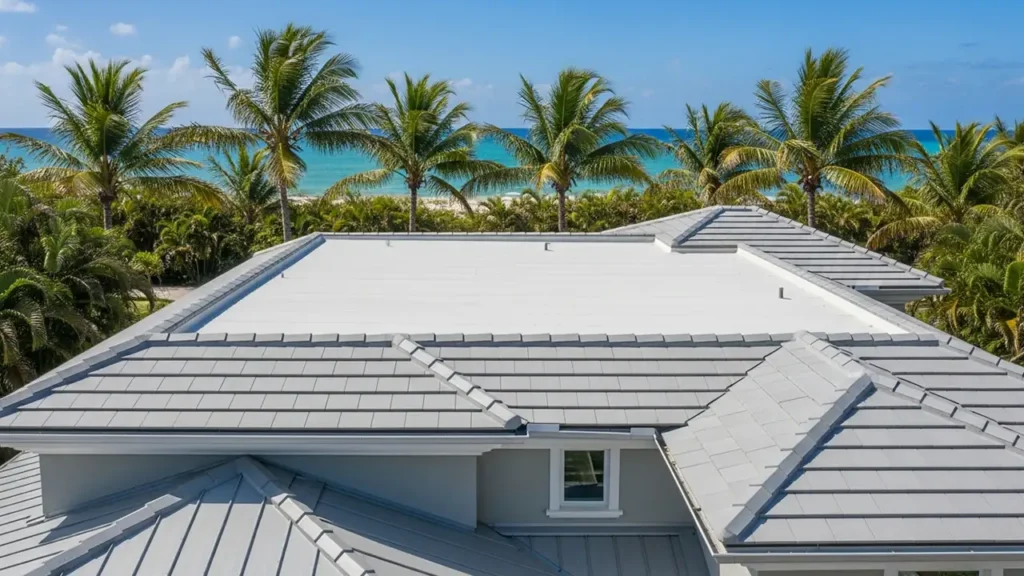
Upgrading roof edges in Oldsmar, FL, is crucial for enhancing wind resistance and preventing potential water intrusion. Proper installation of modern drip edge flashing and starter strips mitigates risks associated with high winds, ensuring the structural integrity of roofs. Local building codes require adherence to specific standards that safeguard against costly repairs and water damage. By optimizing the roof’s edge components, homeowners gain peace of mind, protecting not only their investment but also the overall functionality of the roofing system during severe weather.
Common Wind-Related Risks to Roof Edges
High winds in Florida can lead to significant risks for roof edges, including wind uplift, which may compromise structural integrity. Common issues like water infiltration can arise when the roof’s edge is not properly managed, resulting in costly water damage. The combination of intense storms and fluctuating temperatures can exacerbate these risks, especially for older roof assemblies. Without adequate protection, properties are vulnerable to the detrimental effects of water intrusion and subsequent expensive repairs due to compromised roofing components.
How Enhanced Roof Edge Details Protect Your Property
Enhanced roof edge details significantly bolster your property’s protection against the unique challenges posed by high winds. Incorporating properly installed drip edge flashing ensures water flow is effectively managed, minimizing water infiltration and the risk of costly water damage. Utilizing modern materials like aluminum drip edge, combined with robust adhesive starter strips, strengthens the structural integrity of the roofing system. By addressing common vulnerabilities, these upgrades provide homeowners with peace of mind and help avert expensive repairs due to wind damage.
Understanding Drip Edge Function
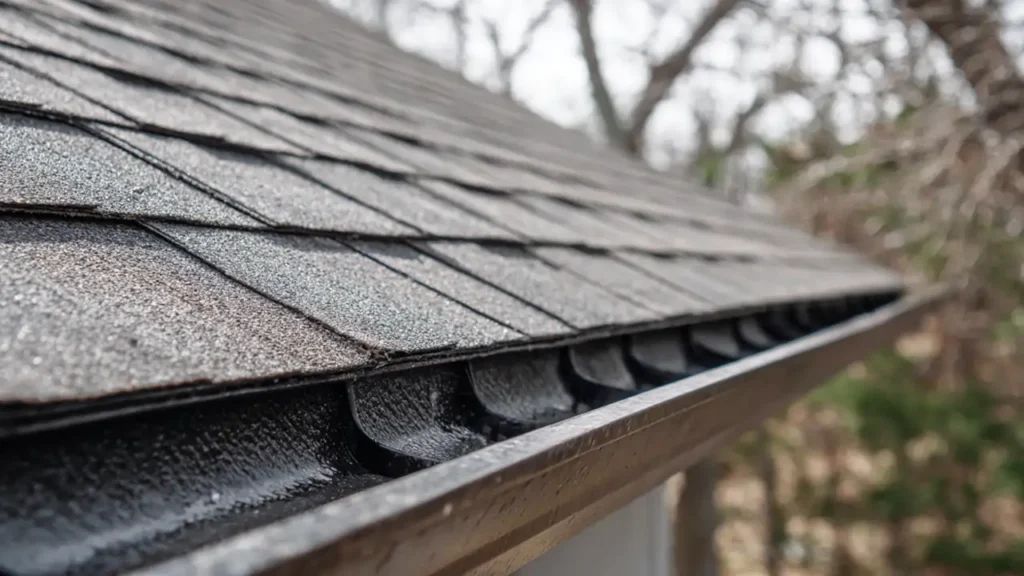
Drip edge flashing plays a crucial role in maintaining the structural integrity of roofs in Florida’s high winds. This essential component directs water flow away from the roof deck, preventing water infiltration that can lead to costly repairs. Utilizing materials like aluminum drip edges enhances durability against the elements, ensuring effective performance. Properly installed drip edges create a barrier against wind uplift, reinforcing the edge of the roof and safeguarding roofing assemblies, thus providing peace of mind against severe weather conditions.
Key Benefits of Modern Drip Edge Flashing
Modern drip edge flashing is essential for protecting your home, especially in Florida’s climate. It channels rain away from the fascia and soffit, preventing moisture damage and wood rot.
When properly installed, drip edge flashing also strengthens the roof perimeter against wind uplift, helping shingles stay secure—crucial for long-term roof durability. As a TAMKO Diamond Pro Certified Contractor, we recommend it for these key benefits:
- Shields fascia boards from water damage and rot
- Reinforces the roof edge against wind-driven rain
- Improves gutter performance by directing water flow
Choosing the Right Drip Edge Material for Coastal Climates
Selecting an appropriate drip edge material is vital, especially in coastal climates where high winds and moisture fluctuations are common. Aluminum drip edges are often preferred due to their durability and resistance to corrosion, providing significant wind resistance while ensuring proper water management. Metal roofing systems can also offer superior performance, particularly in redirecting water flow away from vulnerable roof components. Considerations such as local building codes and the specific installation process can further enhance the reliability and longevity of your roofing system.
Starter Strip Upgrades for Wind Protection
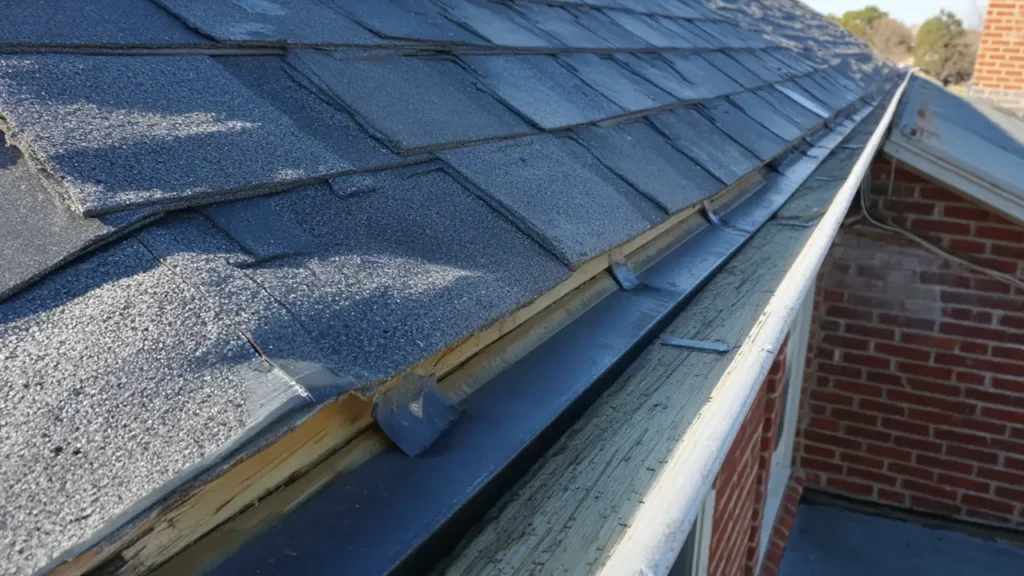
Ensuring wind protection starts with the careful selection of starter strips, designed to enhance shingle bonding and facilitate water management. Fully adhered starter strips offer superior advantages, including improved resistance to wind uplift and reduced risk of water infiltration, considerably enhancing the structural integrity of the roofing system. In coastal regions like Oldsmar, installing these components properly according to local building codes is crucial for minimizing costly repairs and safeguarding your home against harsh weather conditions.
Advantages of Fully Adhered Starter Strips
Fully adhered starter strips provide a superior bond between the roofing materials and the roof’s edge, significantly enhancing wind resistance. By minimizing gaps, these strips reduce the risk of water infiltration, ensuring proper water management and safeguarding against costly water damage. Their consistent adhesion creates a seamless transition from roof decking to shingles, promoting the structural integrity of the entire roofing system. This leads to fewer maintenance issues and peace of mind for homeowners, especially in regions susceptible to high winds and temperature changes.
Best Installation Practices for Starter Strips and Shingle Bonding
Ensuring a secure bond between starter strips and shingles is essential for resisting high winds. Position starter strips along the eaves, overlapping them to create a seamless connection that mitigates water infiltration. Utilize roofing nails spaced as recommended by asphalt roofing manufacturers to enhance durability. Furthermore, apply roofing cement to the final row of shingles for added protection against wind uplift. Following local building codes and the guidance of reputable roofing contractors will also bolster the structural integrity of the entire roofing system.
Installation Details
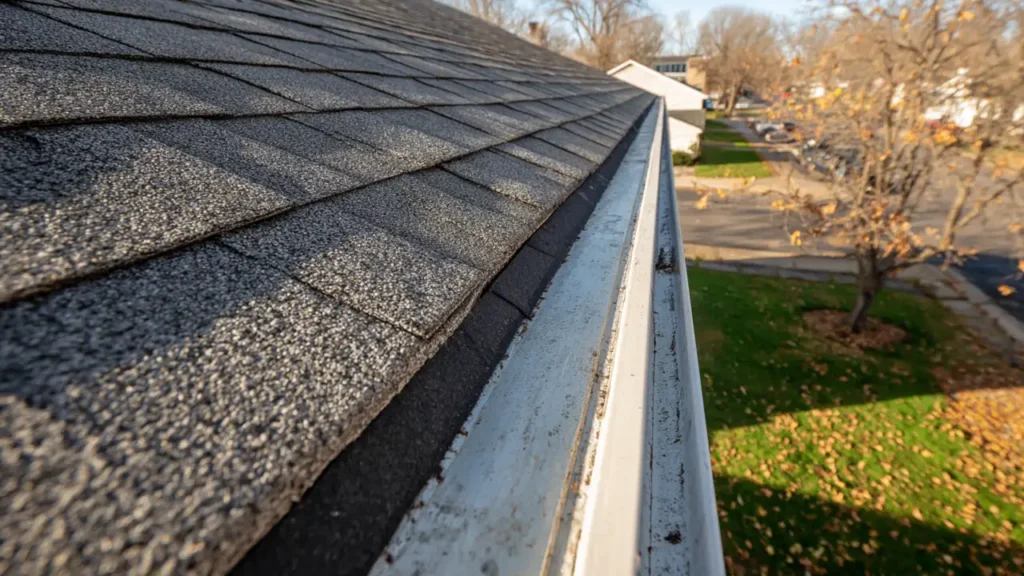
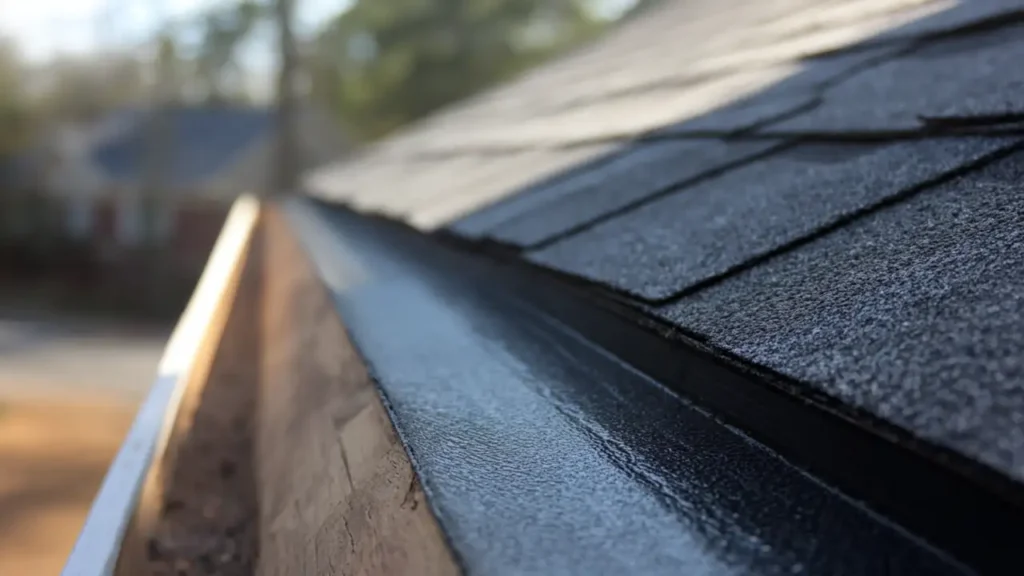
Proper placement of drip edge and starter strips at eaves and rakes is crucial for maximizing wind resistance and minimizing water infiltration. Ensure the drip edge aligns with the roof’s edge, directing water flow over the fascia board while protecting roofing materials. At the rake edges, install starter strips securely to the roof deck for enhanced shingle bonding, reducing the risk of wind uplift. Adhering to local building codes and manufacturer guidelines is vital for achieving optimal performance and structural integrity.
Step-by-Step Upgrade Process
Upgrading an existing roof in Oldsmar involves several crucial steps. Begin by removing the old drip edge and inspecting the roof decking for any damaged areas. Next, ensure that the underlayment is intact; apply roofing cement if necessary. Install the new drip edge flashing along the eaves, securing it with roofing nails to ensure proper water management. Lastly, maintain a level surface for the starter strip and first row of shingles, optimizing the roof’s wind resistance and overall structural integrity.
Important Code and Manufacturer Requirements
In Oldsmar, all roofing must meet the strict wind resistance standards of the Florida Building Code. Local codes specify the metal drip edge gauge and required fasteners—such as ring-shank nails for better grip in high-wind areas.
Shingle manufacturers also set installation guidelines to maintain warranties. Partners like GAF and TAMKO require their starter strips for high-wind protection. As a GAF 2-star President’s Club Member, we strictly follow these standards. Complying with both building codes and manufacturer requirements ensures a durable, compliant roof.
Contact Us Today
Upgrading your roof edges in Oldsmar, FL is essential for protecting your home from high winds. Using quality materials like modern drip edge flashing and fully adhered starter strips reduces wind-related risks. Proper installation ensures durability and code compliance, keeping your home safe for years. At GreenTek Roofing & Solar, we offer expert roofing solutions—contact us today for a commercial quote!
Frequently Asked Questions
Which type of drip edge is best?
The best drip edge for wind resistance is typically a metal drip edge made from aluminum or galvanized steel. Aluminum drip edge is highly recommended for coastal areas like Oldsmar because it resists corrosion while providing the strength needed for a durable roofing system.
Can you retrofit drip edge?
Yes, you can retrofit a drip edge on an existing roof. However, it requires careful work to avoid damaging the shingles. It is best to hire a professional roofing contractor for a proper installation, as they can ensure it is done without compromising your roof’s integrity.
Read our blog: Oldsmar Roof Leak Investigation: Non-Invasive Tests Pros Use Before Opening the Roof
Step Into
The Future of Roofing
