
 (813) 333-1963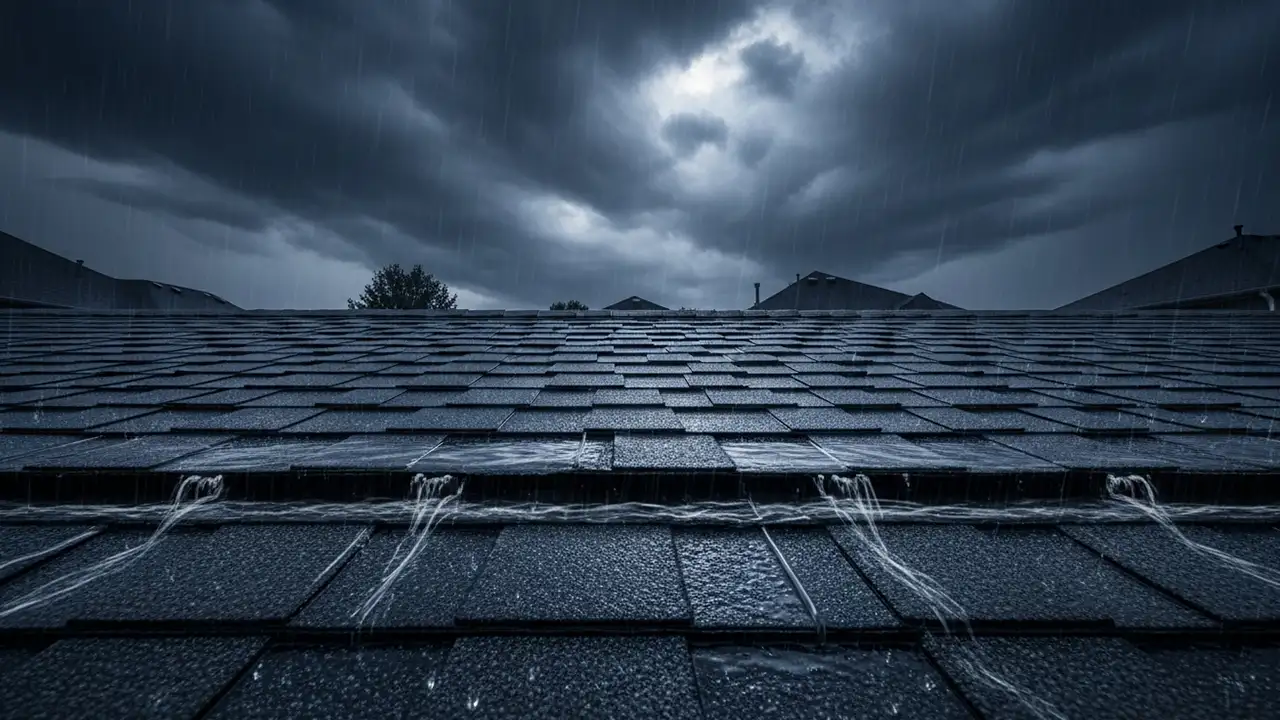
Oldsmar Storm-Driven Rain: Why Water Gets Under Shingles Even When They Look Fine

Written By: GreenTek Roofing & Solar | 8 Min Read

Have you ever noticed a water stain on your ceiling after a major storm, even though your roof seems perfectly fine? This is a common and frustrating issue for many Oldsmar, FL homeowners. At GreenTek Roofing & Solar, we understand that storm-driven rain can be deceptive, causing water damage without obvious signs of a problem. Our team of professionals is dedicated to providing thorough roof inspections to uncover why your roof is leaking and how to prevent it from happening again. Let’s explore why this happens and how GreenTek Roofing & Solar can help you address these issues effectively.
Understanding Storm-Driven Rain in Oldsmar, FL
In Oldsmar, FL, our weather isn’t always sunny and calm. The combination of heavy rain and strong winds creates unique roofing problems for homeowners. This isn’t just a simple downpour; storm-driven rain behaves differently, forcing its way into places that a light rain wouldn’t affect.
Understanding how these weather events impact your roof is the first step toward preventing water entry. It is not just about the volume of water but also the force behind it. We will look at the specific weather patterns we face and how wind plays a major role in causing leaks.
The Unique Weather Patterns Facing Local Roofs
Oldsmar’s climate presents a blend of intense rainfall and strong winds, creating unique challenges for local roofs. The combination of high humidity and sudden downpours can lead to rapid water accumulation, testing the integrity of roofing materials. Moisture levels may quickly rise, even in areas that appear well-maintained. Understanding these environmental factors highlights the importance of regular roof inspections and proactive maintenance to identify vulnerabilities and prevent costly repairs, especially in the context of storm-driven rain events.
How Wind Intensifies Rain Intrusion Beneath Shingles
Strong winds can exacerbate the effects of rain on roof systems, forcing moisture through even the tiniest vulnerabilities in roofing materials. This phenomenon increases water intrusion, which often goes unnoticed until it results in major water damage. As wind drives rain sideways, it can bypass conventional defenses, allowing droplets to penetrate small cracks or gaps in the installation. Regular roof inspections become crucial for identifying potential weak spots, helping mitigate further damage and ensuring the longevity of your roofing system.
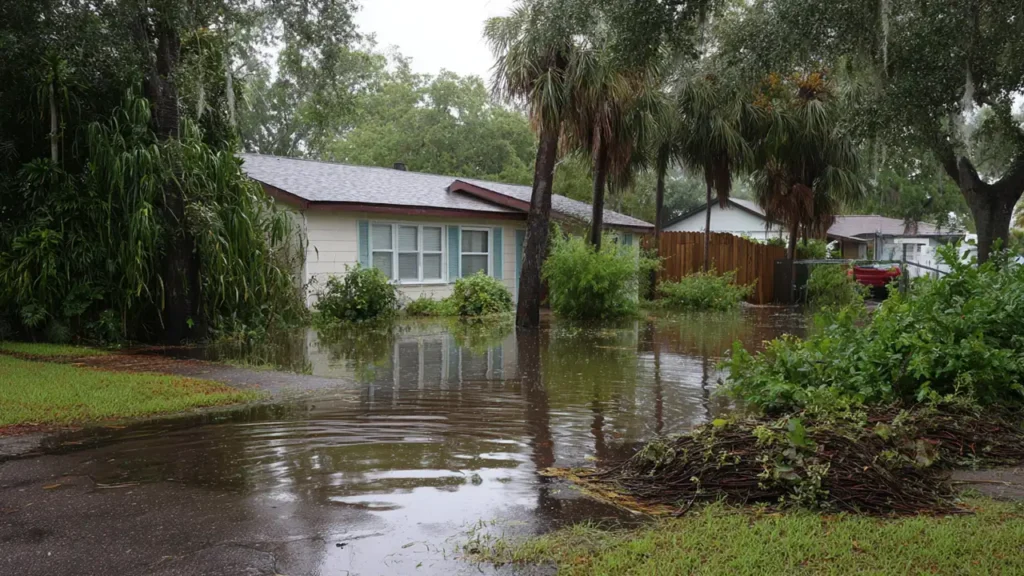
Why Water Gets Under Shingles Even When They Look Fine
It is confusing to see signs of a roof leak when your shingle roof appears to be in perfect condition. Water stains on your ceiling might leave you wondering how moisture is getting in. The truth is, many entry points for water are invisible to the untrained eye, especially during the heavy rain common in Oldsmar, FL.
Even without obvious damage, water can find its way under shingles through scientific processes and hidden flaws. Let’s examine the science behind this water movement and the secret entry points that most homeowners miss.
The Science of Capillary Action and Lateral Rain Movement
Capillary action plays a crucial role in how water infiltrates roofing materials, enabling moisture from storm-driven rain to travel beneath shingles even when they appear intact. As water strikes the roof, it can seep into small cracks and gaps through lateral movement, further exacerbated by strong winds. This phenomenon often leads to unnoticed water entry points, creating conditions ripe for moisture problems such as mold growth and structural damage. Understanding these dynamics is vital for homeowners to effectively protect their roofing systems.
Hidden Entry Points Most Homeowners Don’t Notice
Small cracks and gaps often go unnoticed, serving as hidden entry points for moisture intrusion. These weak spots can develop due to installation errors, aging materials, or stress from strong winds. Areas such as chimney flashings, roof penetrations, and the edges of the roof are particularly vulnerable. Regular roof inspections by a professional roofer can effectively identify these issues before they lead to major water damage or structural problems. Proactive maintenance is essential to prevent further damage and costly repairs down the line.
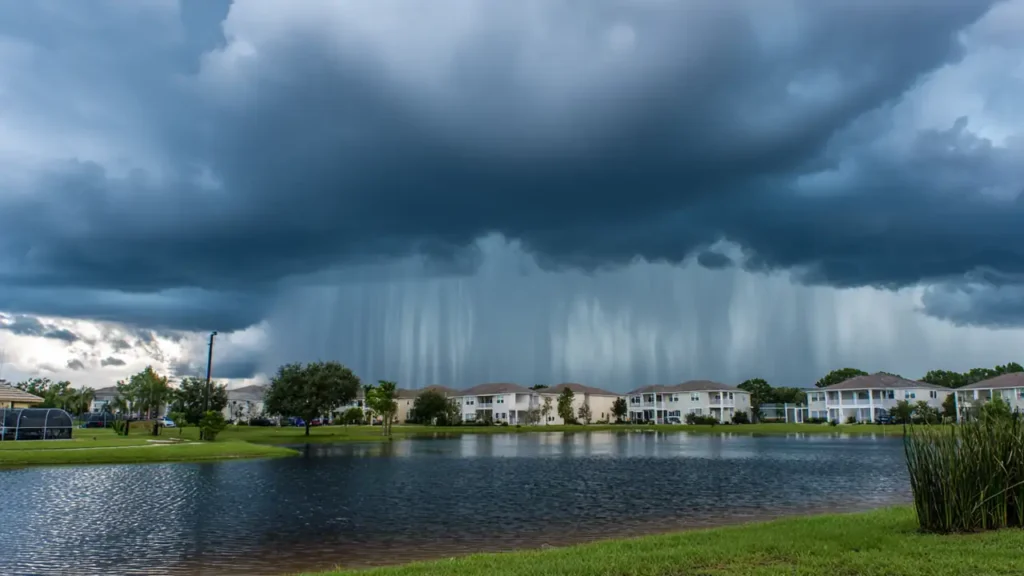
Common Causes for Storm Leaks
When your asphalt shingles look fine but you still have a roof leak, the problem usually lies in the details. Certain areas of your roof are naturally more vulnerable to storm-driven rain. Even though the main surface seems intact, these weak spots can allow water to get past your primary defenses like the water shield.
A professional roof inspection can pinpoint these problem areas. Below, we’ll discuss common vulnerabilities like flashings and valleys, as well as issues related to shingle wear and sealant failures that might not be obvious at first glance.
Vulnerabilities at Flashings, Valleys, and Roof Edges
Vulnerabilities often lie at the flashings, valleys, and edges of the roof, making these areas critical for water intrusion. Flashings, particularly around chimneys and vents, can suffer from poor installation or deterioration over time. Valleys channel water off the roof, but minor misalignments or debris buildup can create weak spots. Additionally, the edges of the roof are susceptible to lift during strong winds, allowing rain to penetrate, which can lead to major water damage and costly repairs if not addressed promptly.
Shingle Wear, Installation Gaps, and Sealant Failures
Even a well-maintained shingle roof will wear over time. Aging asphalt shingles lose granules, become brittle, and develop tiny cracks, making the roof prone to leaks during heavy rain. Poor installation is another cause of hidden leaks. Mistakes like misplaced nails or insufficient overlap create weak spots that storms can exploit. Sealant failures also lead to moisture issues. Over time, roofing cement can dry out and crack, allowing wind-driven rain to seep in—even if there’s no visible damage.
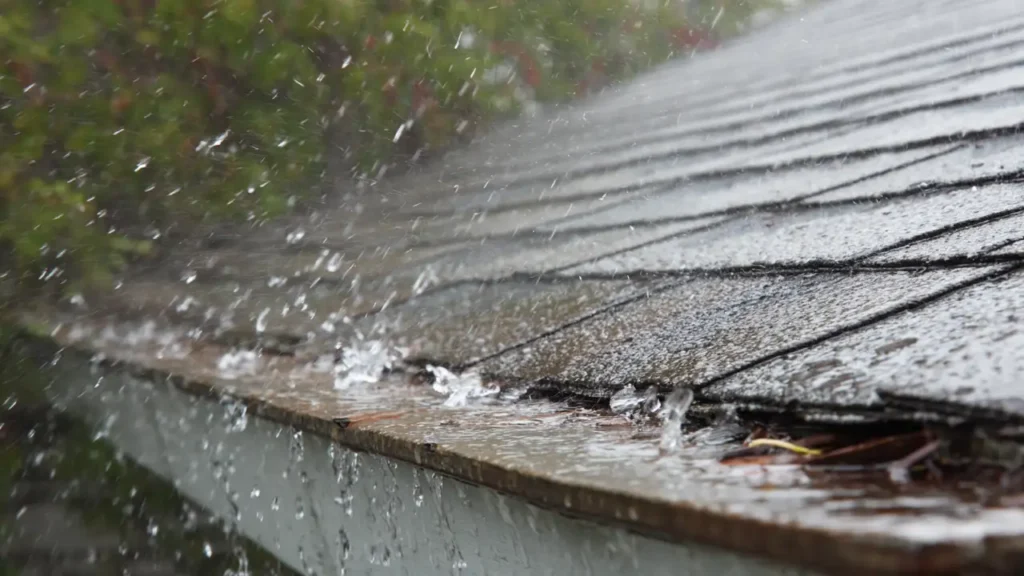
Signs Storm-Driven Rain Has Compromised Your Shingles
How can you tell if a recent Florida storm has affected your roof? The signs are not always as dramatic as water dripping from the ceiling. Often, the first clues are subtle and easy to miss if you don’t know what to look for. Telltale signs like water stains or a musty smell can point to hidden moisture problems.
Catching these early warnings is key to preventing widespread damage. Let’s look at how to detect damp spots inside your home and where to check for concealed moisture in places like your attic. A roof inspection can confirm your suspicions.
Detecting Damp Spots and Ceiling Stains After a Storm
Identifying damp spots and ceiling stains after a storm is critical for maintaining the integrity of your roofing system. Look for signs of water intrusion, such as discolored patches or peeling paint, which may indicate elevated moisture levels. These wet spots could signal significant roofing problems, potentially leading to major water damage if left unchecked. Proactive maintenance, including regular inspections, helps catch these issues early, ensuring prompt repairs by a professional roofing contractor before they escalate into costly repairs.
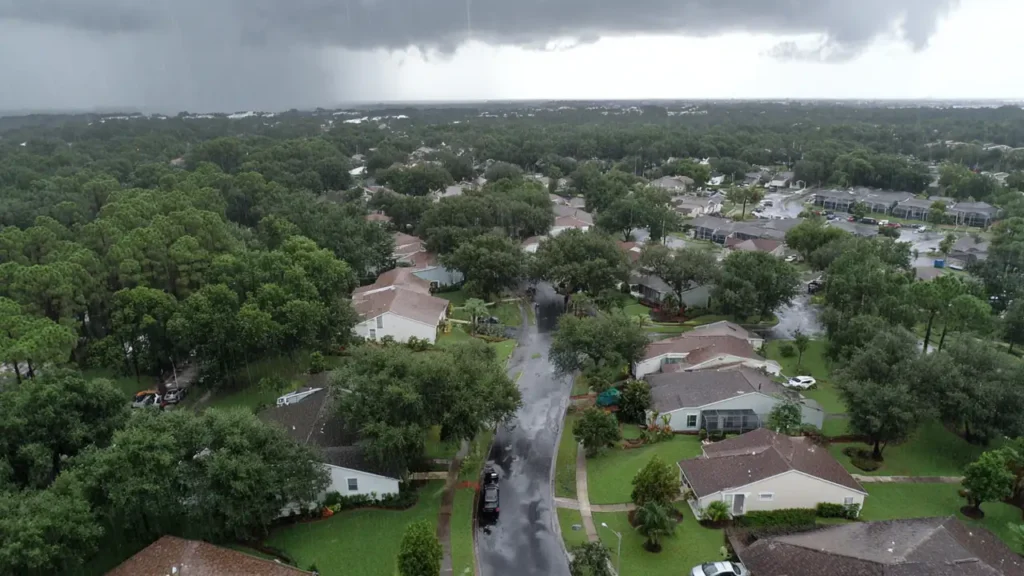
Inspecting Attics and Eaves for Concealed Moisture
If you suspect a leak, start by checking your attic. Use a flashlight to look for wet insulation, dark stains, or damp spots on rafters—these are key signs of water intrusion. Moisture meters can help detect hidden dampness. Note that poor ventilation may cause condensation that resembles a leak; a professional can distinguish between the two. When inspecting your attic, look for:
- Wet or flattened insulation
- Dark water stains on the roof deck
- Musty odors (mold or mildew)
- Daylight shining through holes or gaps
Connect with Us
In conclusion, understanding the risks of storm-driven rain in Oldsmar, FL, is essential for homeowners. Even undamaged roofs can have hidden leaks that let moisture seep beneath shingles. By identifying common causes like faulty flashings and sealants, you can take steps to protect your home. Regular inspections and prompt repairs help maintain your roof’s integrity. If you’re concerned after a storm, contact GreenTek Roofing & Solar for customized commercial roofing quotes.
Frequently Asked Questions
How to stop rain from getting under roof tiles?
The best way to stop rain from getting under roof tiles is to schedule a professional roof inspection. A qualified roofing contractor can identify and repair vulnerabilities, such as applying roofing cement to seal gaps or installing a new water shield to prevent further damage.
Why is the underside of my roof wet?
A wet roof underside can be caused by water intrusion from a roof leak or high humidity leading to condensation. Poor attic ventilation often worsens moisture levels. A professional inspection can determine the exact cause and recommend the right solution.
Read our blog: Best Metal Roof Fasteners for Oldsmar, FL: Avoiding Rust Stains and Back-Out

Step Into
The Future of Roofing
