
 (813) 333-1963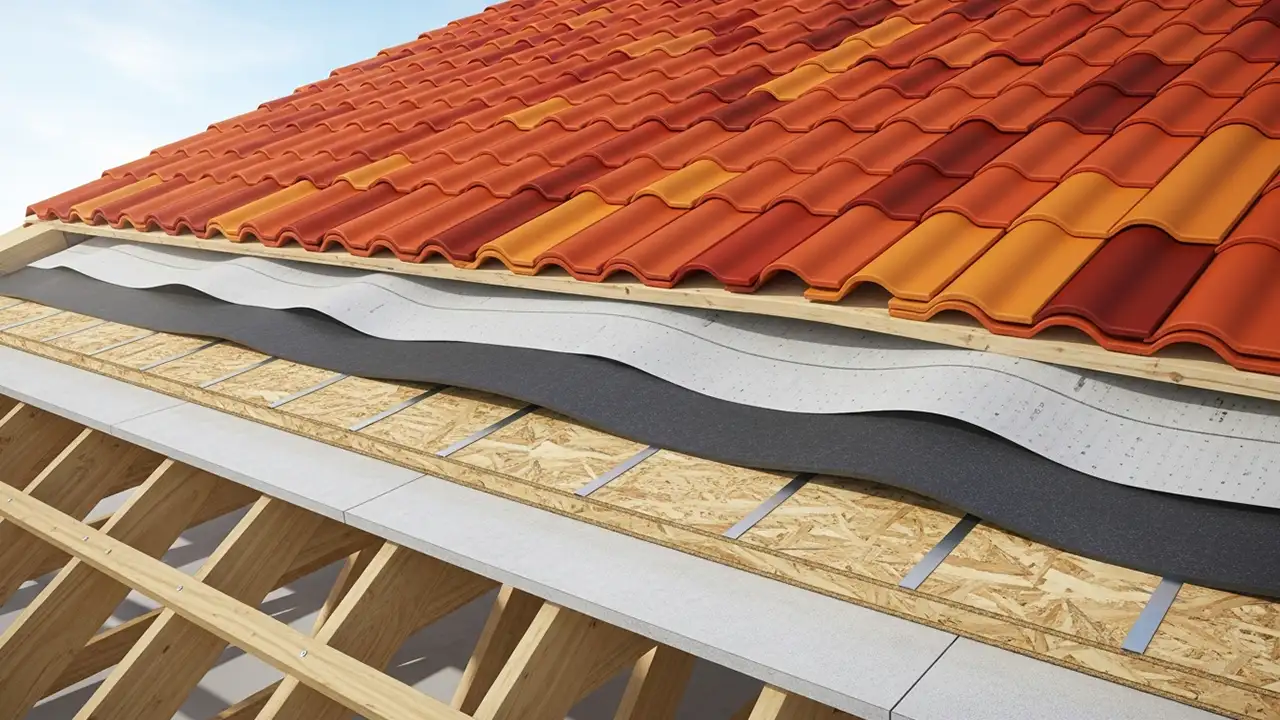
Oldsmar Tile Roof Underlayment Systems That Improve Leak Protection

Written By: GreenTek Roofing & Solar | 8 Min Read

Your tile roof in Oldsmar, FL is a significant investment, adding beauty and durability to your home. But did you know there is a hidden layer working hard to keep you dry? The underlayment is the most critical part of your roof system for preventing leaks. Choosing the right underlayment system ensures your home is protected from Florida’s intense weather, giving you peace of mind for years to come.
Why Leak Protection Matters for Oldsmar Tile Roofs
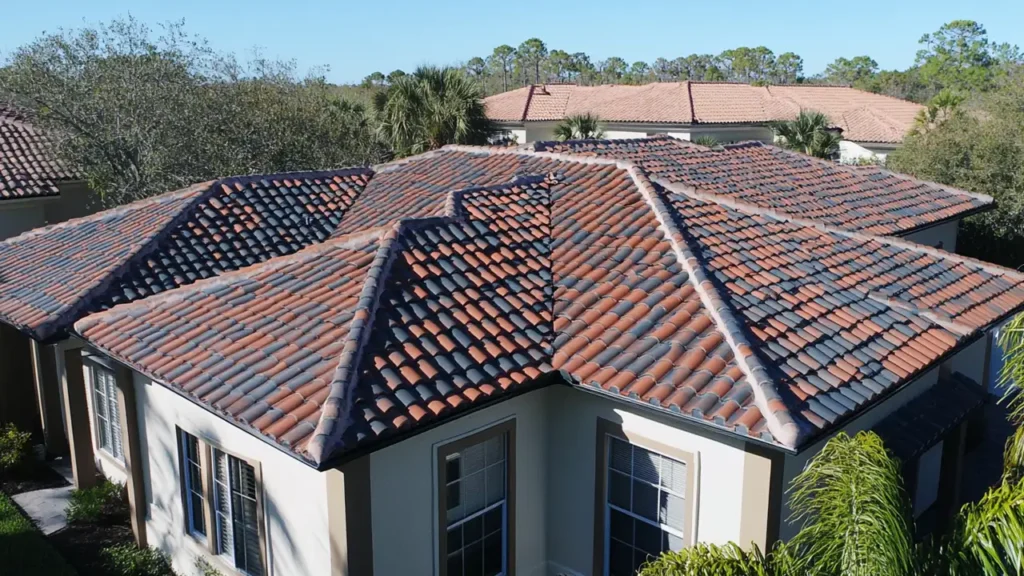
Leak protection is crucial for Oldsmar tile roofs, especially given the region’s unique weather challenges. With heavy rain and high humidity, a well-installed underlayment acts as a first line of defense, preventing water intrusion that could lead to mold growth and significant roof damage. Selecting the right underlayment type ensures enhanced waterproofing and wind uplift resistance, safeguarding vulnerable areas and maintaining the integrity of the entire roofing system. Quality workmanship during installation is essential to support long-term performance and reliability.
Unique Weather Challenges in Oldsmar, Florida
Oldsmar experiences distinct weather patterns that pose unique challenges to tile roofing systems. The region encounters heavy rainstorms and high humidity, which can lead to water intrusion and mold growth. Additionally, intense sun exposure and UV degradation further compromise roofing materials, including underlayment. Proper installation techniques and quality workmanship become essential in mitigating storm damage. Understanding these weather conditions ensures homeowners and professional roofing services can choose the right underlayment type for optimal protection against the elements.
Impact of Heavy Rainstorms on Tile Roofing
Heavy rainstorms are common in Florida summers and can be hard on tile roofs. While tiles shed water well, wind-driven rain—especially during hurricanes—can force moisture beneath them. If your roof’s underlayment is old, damaged, or poorly installed, water can seep through and cause major interior damage. A quality underlayment serves as a crucial secondary barrier, channeling any water that gets past the tiles safely off the roof. During heavy storms, this hidden layer is your best defense against leaks.
Storm damage can lead to:
- Ceiling stains and interior water damage
- Rotting of the roof deck and structural wood
- Mold growth in the attic and walls
Understanding the Role of Underlayment in Tile Roofs
Underlayment serves as a hidden layer in tile roofing systems, playing a crucial role in providing a watertight barrier against water intrusion. This protective element defends vulnerable areas, such as seams, valleys, and flashings, ensuring that even minor leaks do not escalate into significant issues. Quality workmanship during underlayment installation is essential; it not only meets the Florida building code but also enhances wind uplift resistance, contributing to the overall durability and longevity of the roof system in Oldsmar’s challenging weather conditions.
How Underlayment Shields Against Water Damage
The primary role of underlayment is to create a watertight barrier between your roof tiles and the roof deck. During heavy rains in Oldsmar, this layer provides essential water resistance that tile roofs alone can’t offer, serving as your home’s key defense against water damage—especially during Florida’s storm season. If tiles crack or are lifted by wind, quality underlayment stays intact, blocking water and preventing slow leaks that can cause serious structural damage over time. It channels any moisture that gets past the tiles safely away from your home.
A strong underlayment protects by:
- Forming a secondary waterproof seal
- Guarding the roof deck against moisture and rot
- Sealing around fasteners to stop leaks at nail points
Preventing Leaks at Seams, Valleys, and Flashings
Effective leak prevention at seams, valleys, and flashings is crucial for maintaining the integrity of a tile roofing system. Utilizing high-quality underlayment materials enhances water resistance and provides a watertight barrier that safeguards vulnerable areas. Proper installation is key; roofing contractors must ensure that the underlayment aligns seamlessly to prevent water intrusion during heavy rainstorms. This attention to detail not only mitigates the risk of further damage but also extends the lifespan of the roof, ensuring reliable performance against Florida weather.
Top Underlayment Systems for Oldsmar Tile Roofs
Not all underlayments offer equal protection for your Oldsmar home. Choosing the right type is key to the long-term performance of your tile roof. As a GAF Master Elite Certified Contractor, we recommend systems built for Florida’s climate that provide a durable, watertight seal. The best choice depends on your needs and roof design. We help you select the optimal underlayment for maximum leak protection and flawless installation. Next, we’ll cover top solutions, including modern self-adhered products and the differences between synthetic and traditional materials.
Self-Adhered (Peel-and-Stick) Underlayment Solutions
Self-adhered (peel-and-stick) underlayment is a leading choice for leak protection on Oldsmar tile roofs. Its adhesive backing bonds directly to the roof deck, creating a watertight barrier that stays sealed—even if tiles are blown off—making it ideal for hurricane-prone areas. Proper installation is essential: the deck must be clean and dry for strong adhesion. When installed correctly, this underlayment seals around nails and fasteners, stopping leaks at penetration points. As a TAMKO Diamond Pro Certified Contractor, we use trusted products that deliver reliable protection.
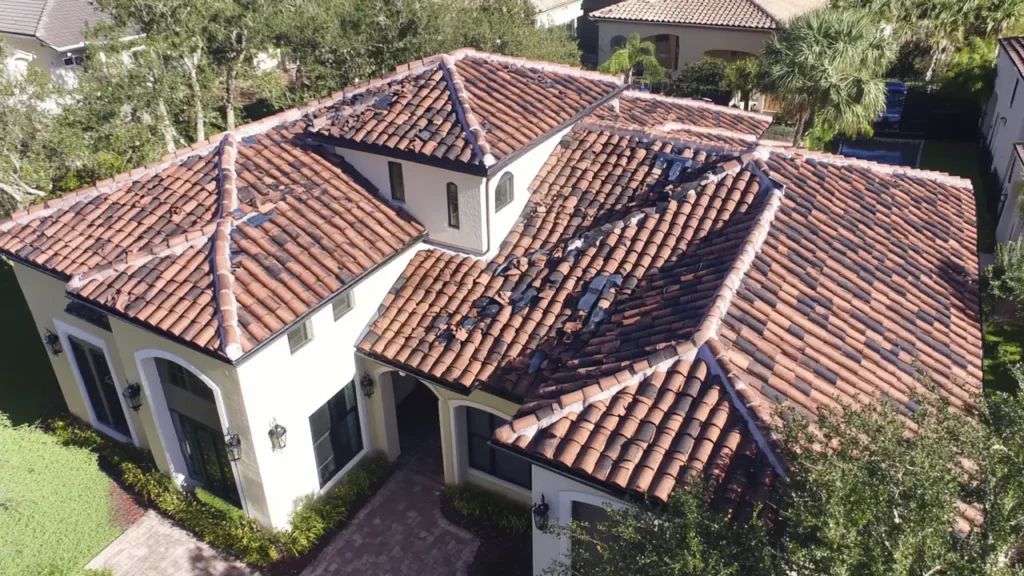
Top brands like GAF offer high-quality self-adhered underlayments designed for tile roofing systems, often with enhanced warranties for added peace of mind.
| Feature | Benefit |
|---|---|
| Watertight Seal | Bonds to the deck to keep water out |
| Nail Sealability | Seals around fasteners to prevent leaks |
| Wind Resistance | Stays in place during high winds, protecting if tiles are lost |
Synthetic vs. Traditional Felt Underlayment
For years, asphalt-saturated felt was the standard roofing underlayment. While affordable, it tears easily, absorbs moisture, and breaks down quickly under Florida’s sun—often requiring early replacement. Modern synthetic underlayments offer superior performance: they’re lightweight, tear-resistant, waterproof, and won’t wrinkle or rot. Synthetics also provide better wind resistance—a key advantage during Florida’s storm season.
Compared to felt, both peel-and-stick and synthetic underlayments are better choices for tile roofs in our climate:
- Synthetics are more durable and UV-resistant.
- Peel-and-stick creates a fully waterproof seal.
- Felt degrades faster and is more prone to moisture damage.
Key Features for Maximum Leak Protection
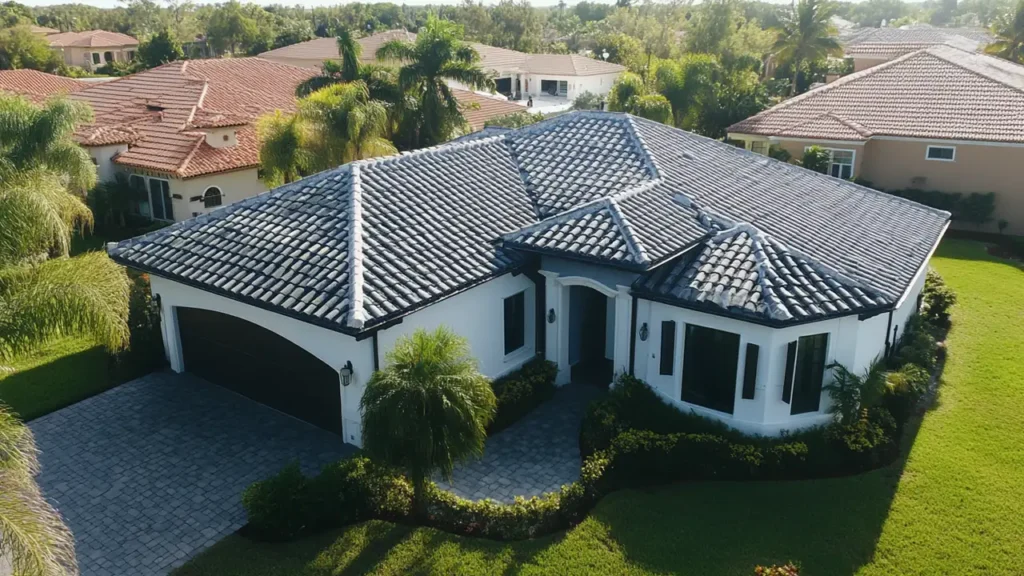
A robust tile roofing system necessitates the right underlayment to ensure maximum leak protection. Enhanced waterproofing technology is vital, forming a watertight barrier against Florida’s notorious summer storms and high humidity levels. Additionally, advanced synthetic underlayment options offer superior UV and heat resistance, preventing degradation and extending the roof’s lifespan. Proper installation quality by professional roofing services can further safeguard against water intrusion, particularly in vulnerable areas like seams and valleys, ultimately preserving the integrity of the entire roof system.
Enhanced Waterproofing Technology
When planning a new roof, choose underlayments with advanced waterproofing technology. Modern options go beyond basic water resistance—many use rubberized asphalt or butyl adhesives for a strong, watertight bond with the roof deck, protecting even the most vulnerable areas. These materials seal tightly around every nail and screw, preventing leaks at thousands of potential weak points. This self-sealing feature is essential for long-term durability.
For maximum leak protection, look for underlayments with:
- Fully adhered membranes for seamless coverage
- High-performance self-sealing around fasteners
- Superior resistance to wind-driven rain
UV and Heat Resistance in Florida’s Climate
Effective protection against UV degradation is vital for tile roofs in Florida’s intense sun. Durable underlayment materials offer enhanced heat resistance, preventing premature wear and structural compromise. The right underlayment acts as a robust shield, safeguarding roofing systems from the damaging effects of high temperatures and the relentless rays of the sun. By investing in quality underlayment, homeowners can enhance energy efficiency and minimize the risk of water intrusion, ensuring longevity and resilience for their tile roofs against Florida’s extreme weather conditions.
Get in Touch
Protecting your Oldsmar tile roof from leaks is essential in Florida’s challenging climate. Choosing the right underlayment and materials improves your roof’s durability and performance. At GreenTek Roofing & Solar, we offer expert guidance, including self-adhered and advanced synthetic options. As a GAF Master Elite Contractor with an A+ BBB rating, we’re ready to help—contact us today for a commercial roofing quote!
Frequently Asked Questions
What is the best time of year to replace shingles?
For tile roofs in Florida, the best time for a roofing project is during the drier, cooler months from late fall to spring. This weather allows our roofing contractors to complete your new roof efficiently without interruptions from summer storms. Contact us for a free estimate today.
How to stop water from getting under roof tiles?
The most effective way to stop water from getting under your roof tiles is to install a high-quality underlayment. Proper roof maintenance and timely roof repair of damaged tiles also help prevent water intrusion. A professionally installed waterproofing barrier is your best defense.
Read more: Stone-Coated Metal Roofing Systems for Homes in Oldsmar
Step Into
The Future of Roofing
