
 (813) 333-1963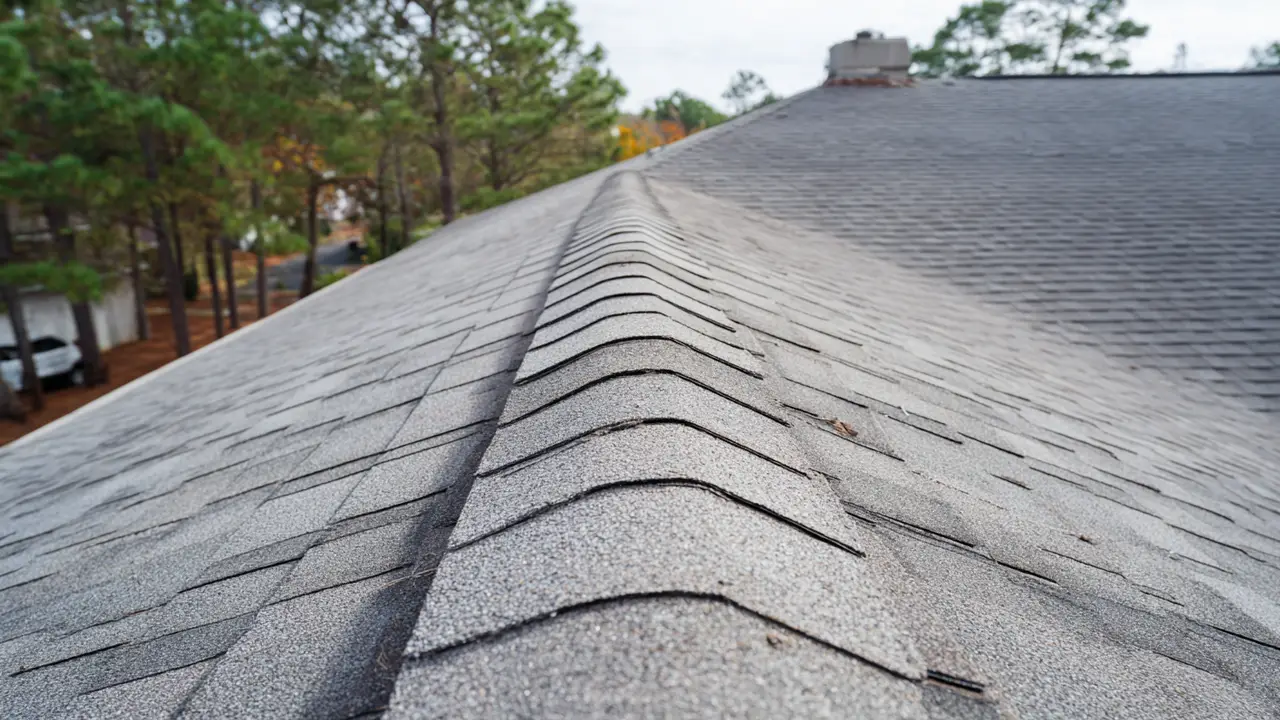
Wind Uplift in Lutz: Why Shingles Lift at Edges and How to Stop It

Written By: GreenTek Roofing & Solar | 10 Min Read

Have you ever worried about your roof during a fierce Florida storm? The high winds we experience in Lutz can be relentless, especially on roof shingles. A common problem homeowners face is wind uplift, where shingles begin to lift at the edges. This issue can compromise your entire roofing system. Understanding why this happens and how to prevent it is the first step toward protecting your home from serious damage.
Understanding Wind Uplift in Lutz, FL
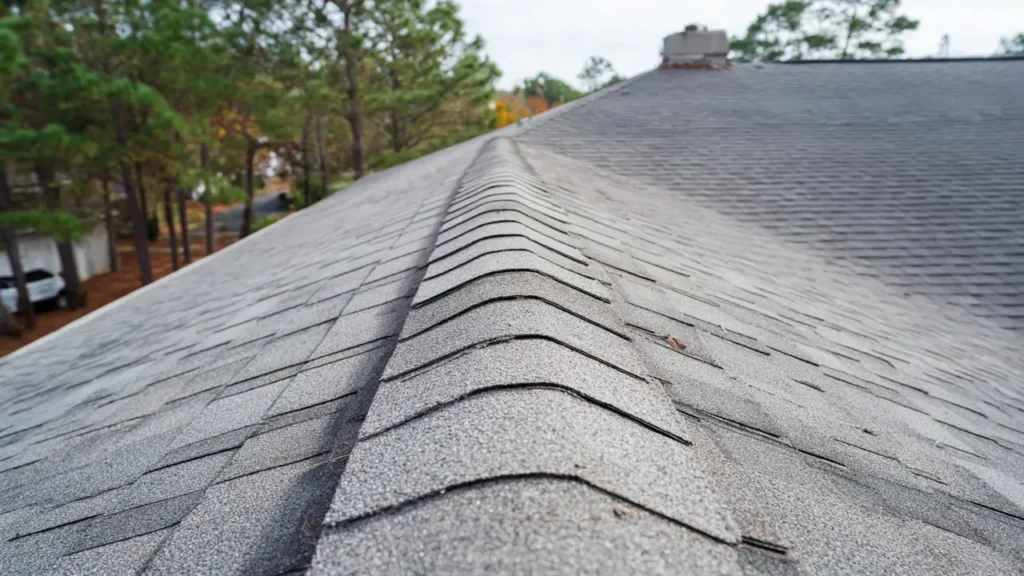
Understanding the dynamics of wind uplift is essential for homeowners in Lutz, FL. Strong winds can create uplift forces that impact shingles, particularly at the edges. Factors such as installation quality and the design of your roofing system play vital roles in how well shingles withstand these pressures. Edge shingles are more susceptible due to airflow patterns and negative pressure. Regular roof inspections by a trusted roofing contractor can help identify signs of damage, ensuring the integrity of your roof remains intact against future storms.
The Science Behind Wind Forces on Roof Shingles
Understanding wind forces involves recognizing how air pressure variations can impact roofing systems. During high wind events, pressure differences can create uplift forces, particularly at roof edges where shingles are more susceptible. This negative pressure is often intensified by the roof’s design, which amplifies the lifting effect on taut shingles. Consequently, poorly installed shingles may detach, exposing the roof deck to potential water damage and structural issues. Effective roofing materials and proper installation are crucial in mitigating these risks.
Why Edge Shingles Lift More Often Than Center Shingles
High wind speeds and uplift forces primarily affect edge shingles due to their positioning along the perimeter of the roofing system. These shingles often experience negative pressure, as wind flows over and around them more intensely than it does at the center, leading to loose shingles and potential detachment. Additionally, poor installation practices can exacerbate this issue, compromising the adhesive strips and weakening the overall roof’s integrity. Understanding these dynamics is crucial for homeowners to ensure timely repairs and maintain protection against severe storms in Lutz.
Local Factors Influencing Wind Damage in Lutz
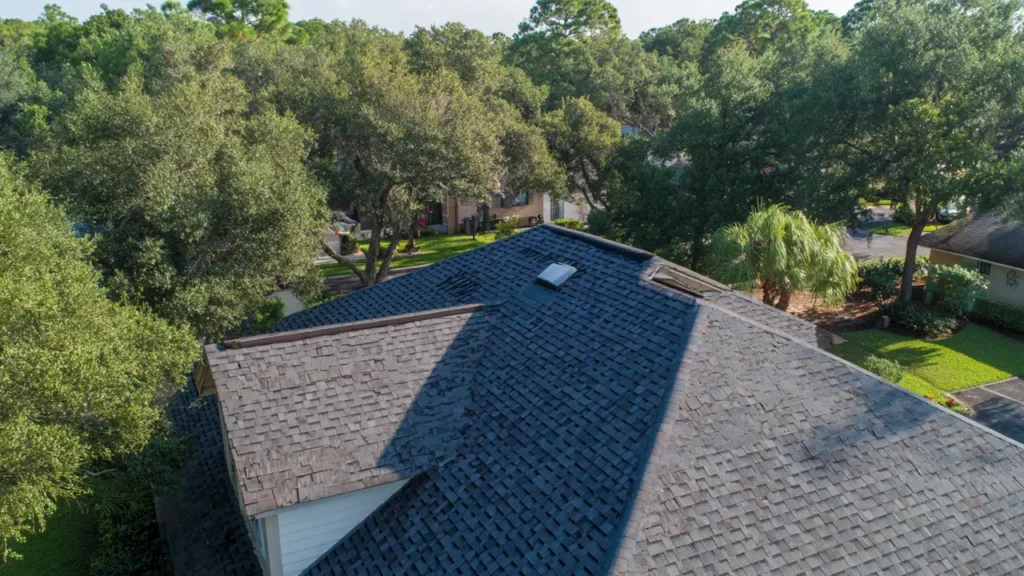
In Lutz, several local factors contribute to wind damage. Our region’s frequent strong winds and severe storms put constant pressure on your roof. Edge lifting of shingles is a very common problem for homeowners here. The unique Florida climate also plays a significant role, affecting how roofing materials perform and age over time.
Understanding these local conditions is crucial for protecting your home. Let’s examine how our weather patterns and climate specifically impact your roof’s ability to withstand these powerful forces.
Weather Patterns and Typical Wind Speeds
In Lutz, weather patterns are characterized by frequent fluctuations, particularly during storm seasons. Elevated humidity levels combined with typical wind speeds often create heightened challenges for roofing systems. Strong winds, especially in high wind zones, can exert substantial uplift forces on roofs, leading to potential damage. Understanding these dynamics is crucial for homeowners, as they highlight the need for robust roofing materials and strict adherence to building codes. By recognizing local weather trends, residents can better prepare their roofs against severe storms.
Impact of Florida’s Climate on Roofing Materials
Florida’s climate poses unique challenges for roofing materials. High humidity and intense sun exposure accelerate the deterioration of typical asphalt shingles, leading to granule loss and weakened adhesion. Additionally, seasonal storms and higher wind speeds create uplift forces that can severely affect the roof’s integrity. Advanced roofing materials, such as synthetic options or metal roofing, often provide better wind resistance, extending the lifespan of roofs in this demanding environment. Employing appropriate installation quality and preventive measures can mitigate these weather-related issues.
Common Causes of Shingle Edge Lifting
Beyond weather, several other factors contribute to shingle edge lifting. Poor installation is a primary culprit, as improper techniques can leave your roofing system vulnerable from day one. Loose shingles are often a direct result of mistakes made during the installation process, affecting the overall installation quality.
Another major cause is simply the age of your roof. As materials wear down over time, they lose their ability to resist wind forces. Understanding these common causes is the first step in knowing how to fix the problem and what to look for after a storm.
Incorrect Installation Techniques
Improper installation by inexperienced roofers often causes shingles to lift. Misplaced nails, exposed nail heads, or underdriven nails leave shingles insecure and vulnerable to wind.
Another mistake is failing to bond adhesive strips correctly. Cold weather can prevent sealant activation, leaving shingles unsealed. Proper installation ensures these strips are activated for a unified, wind-resistant roof. These errors compromise your roof from the start. That’s why it’s crucial to choose a certified contractor like GreenTek Roofing & Solar. As GAF Master Elite and TAMKO Diamond Pro Certified Contractors, we follow the highest installation standards.
Aging and Material Wear
With time, roofing materials experience degradation due to environmental conditions. Asphalt shingles, often used for their cost-effectiveness, can suffer from granule loss and become brittle as they age. This wear affects their wind resistance, making them more susceptible to uplift forces during high wind events. Moreover, the adhesive strips intended to hold them in place may lose their effectiveness, creating potential entry points for water damage. Maintaining a regular roof inspection schedule is critical to identifying early signs of material wear before severe damage occurs.
Warning Signs of Wind Uplift Damage
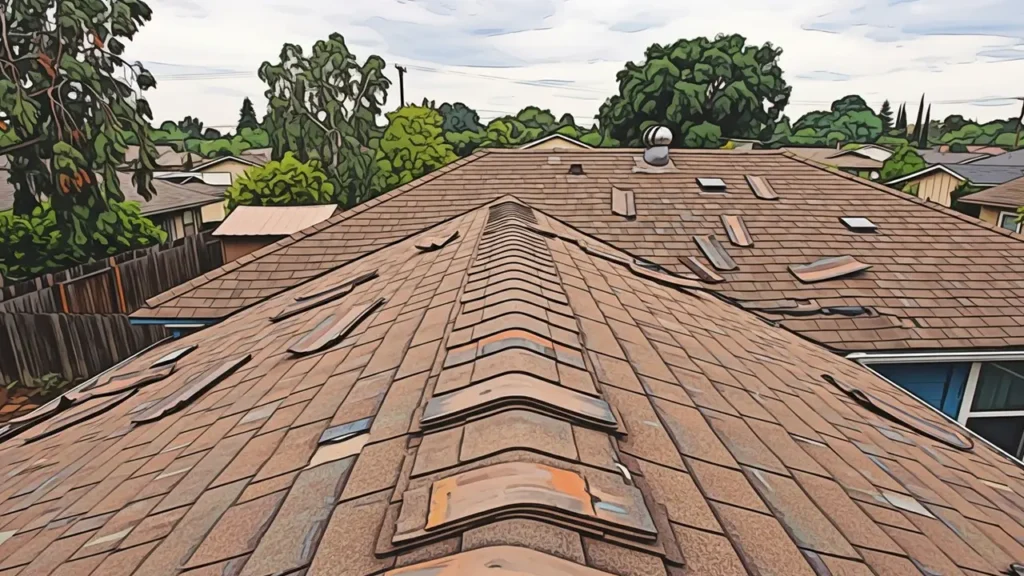
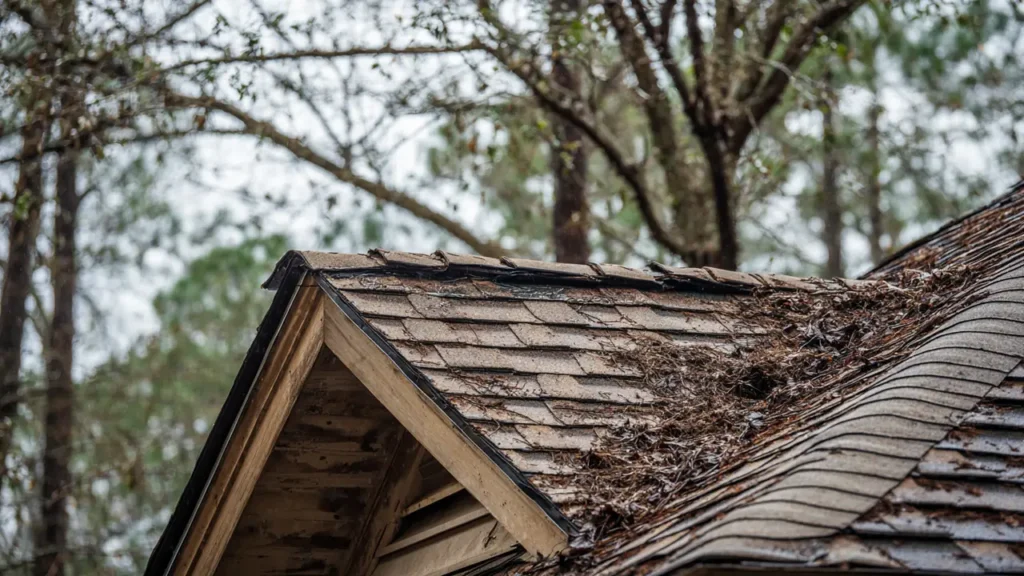
It’s important to know the warning signs of wind damage so you can act quickly. After a storm, you should look for visible damage like lifted, curled, or missing shingles. These are clear indicators that your roof has been compromised. A thorough roof inspection is the best way to spot these issues early. Knowing what to look for can help you differentiate wind damage from other problems. Let’s go over the specific visual cues on your roof’s edges and how to tell if wind is the culprit.
Visual Indicators on Your Roof’s Edges
Visible signs can often indicate potential issues with your roof’s edges. Loose shingles, especially around the gable areas, reveal vulnerability to wind uplift forces. Look for granule loss on roofing shingles, as this weakens their protective layer, exposing the roof decking beneath. Water stains on the interior ceilings may suggest water intrusion, leading to structural issues. Timely roof inspections by a trusted roofing contractor can identify these indicators early, helping prevent further damage and maintaining your roof’s integrity through strong winds.
How to Differentiate Wind Damage from Other Issues
Identifying wind damage versus other roofing issues requires a keen eye. Look for signs like loose shingles or granule loss concentrated on roof edges, often indicative of uplift forces. In contrast, water damage typically manifests as stains or wet spots on ceilings, hinting at moisture entry points. Additionally, check for structural issues such as sagging or uneven roofing surfaces, which can stem from poor installation. Regular roof inspections by a trusted roofing contractor can help distinguish these problems before they escalate.
Risks of Leaving Lifted Shingles Unrepaired
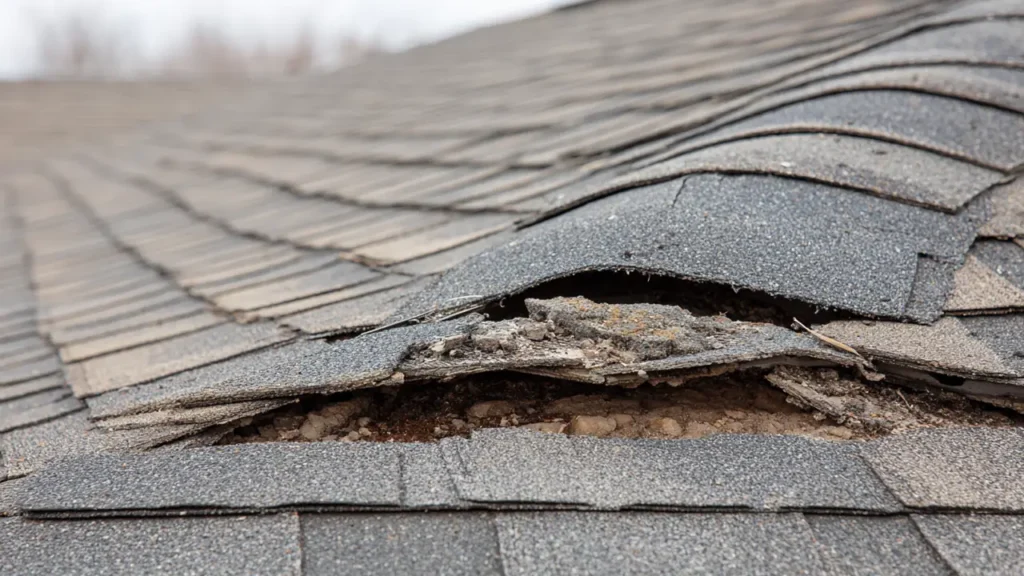
Ignoring even a single lifted shingle can lead to serious problems. That small opening is an invitation for further damage, especially water intrusion. What starts as a minor issue can quickly create structural vulnerabilities, turning a simple repair into costly repairs or even a full replacement after the next storm. Leaving lifted shingles unrepaired is a risk you shouldn’t take. Let’s look at the specific dangers of water intrusion and how repair costs can escalate if you delay action.
Water Intrusion and Structural Vulnerabilities
Unaddressed issues from lifted shingles can lead to serious water intrusion, threatening the roof’s integrity. When shingles are displaced, gaps form, creating entry points for moisture that can compromise not only the roofing system but also the underlying structural components like the roof deck. Such vulnerabilities increase the risk of significant damage, including mold growth and extensive repairs. Prompt, professional roofing contractor intervention is essential to mitigate these risks and ensure the longevity and safety of your home.
Escalation of Repair Costs and Energy Loss
Delayed attention to lifted shingles can turn minor issues into costly repairs. The combination of wind uplift and water intrusion may compromise the roof’s integrity, leading to significant damage. This escalates repair costs, particularly if extensive damage necessitates a full roof replacement. Additionally, energy loss occurs as gaps allow conditioned air to escape, raising utility bills. Addressing signs of damage promptly not only protects the roof but also ensures peace of mind against future storms and the financial burden they may bring.
Expert Solutions for Fixing Lifted Edge Shingles
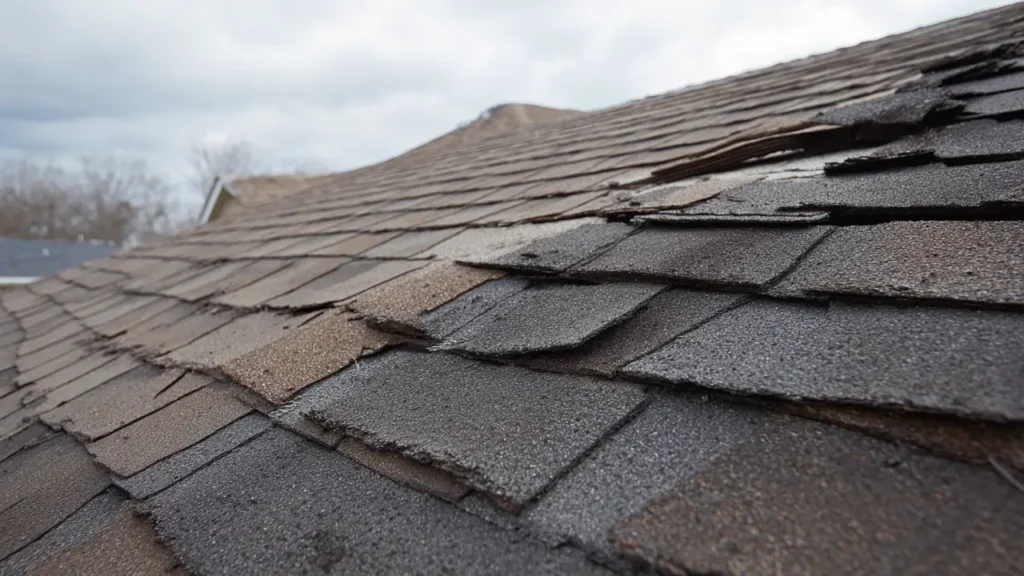
When you find lifted shingles, the best course of action is to call a professional roofing contractor. An expert can assess whether a targeted roof repair is sufficient or if more significant work, like a roof replacement, is needed. Timely repairs are crucial to preventing further damage. At GreenTek Roofing & Solar, our team provides professional repairs tailored to your roof’s needs. We also offer preventive measures to help you avoid future problems.
Professional Repairs by GreenTek Roofing & Solar
GreenTek Roofing & Solar, a trusted Lutz contractor, specializes in repairing wind-lifted shingles. We start with a thorough inspection to assess the damage. If shingles are intact, we can often re-secure and reseal them. Damaged or brittle shingles require replacement to restore wind resistance—we carefully install new ones for seamless protection.
For widespread issues, we offer comprehensive solutions that address the underlying problem. As a GAF 2-Star President’s Club Member and BBB A+ accredited business, we deliver award-winning service to fully restore your roof’s integrity. That’s smart roofing.
Preventive Measures and Maintenance Tips
The best way to handle wind damage is prevention. Regular maintenance gives peace of mind and helps your roof withstand storms—especially in Florida. Early detection and proactive care save money by avoiding major repairs.
Key preventive steps:
- Schedule professional roof inspections twice a year to spot loose shingles or failing seals.
- Keep gutters clean for proper drainage.
- Trim overhanging branches to prevent damage during storms.
- When replacing your roof, choose high-wind-rated shingles from brands like GAF, TAMKO, or Novatik.
Contact Us Today
In conclusion, understanding wind uplift and its impact on shingles is essential for homeowners in Lutz, FL. With factors like Florida’s unique climate and improper installation techniques contributing to shingle edge lifting, it’s crucial to stay vigilant about potential damage. Regular inspections and appropriate maintenance can help mitigate risks, ensuring your roof remains durable. Trust in expert solutions from GreenTek Roofing & Solar, a GAF Master Elite Certified Contractor and BBB accredited A+ business. Contact us today to get quotes for your roofing needs and protect your home from wind uplift issues.
Frequently Asked Questions
How to stop roof tiles lifting in wind?
To stop tiles from lifting, ensure they are properly installed with correct fastening and adhesive. Use high-quality, wind-rated roofing materials. Regular preventive maintenance and a professional roof inspection can identify and fix vulnerabilities before they become a problem during a storm.
How to fix wind lifted shingles?
For a minor lift, a professional roofer may apply roofing cement under the shingle and press it down. If the shingle is creased or torn, it must be replaced. It’s always best to have a professional roofing contractor handle the roof repair to ensure it’s done correctly.
Read our blog: Lutz Roof Problems Caused by Overhanging Trees: Prevention Strategies That Actually Work

Step Into
The Future of Roofing
