
 (813) 333-1963
How to Prepare Your Roof for Hurricane Season in Wesley Chapel

Written By: GreenTek Roofing & Solar | 9 Min Read

Every year, Florida homeowners brace for hurricane season, knowing that strong winds and torrential rain can test even the toughest structures. One of the best ways to protect your home—and your peace of mind—is by focusing on your roof. Understanding how to prepare your roof for hurricane season in Wesley Chapel can make the difference between minor maintenance and major storm damage.
Before the next storm hits, it’s crucial to take preventive steps that keep your roofing system strong and ready to withstand extreme weather. To learn more about what goes into a durable, hurricane-resistant structure, explore Greentek Roofing & Solar’s comprehensive roofing solutions and discover how the right materials and craftsmanship can safeguard your home for years to come.
Here’s what you’ll learn in this guide:
- Why roof preparation is essential before hurricane season
- Key steps to ensure your roof can handle strong winds and rain
- Signs your roof might need inspection or repairs
- Proactive upgrades that improve long-term protection
- How to choose a reliable contractor for storm readiness
Why Roof Preparation Is So Important in Wesley Chapel
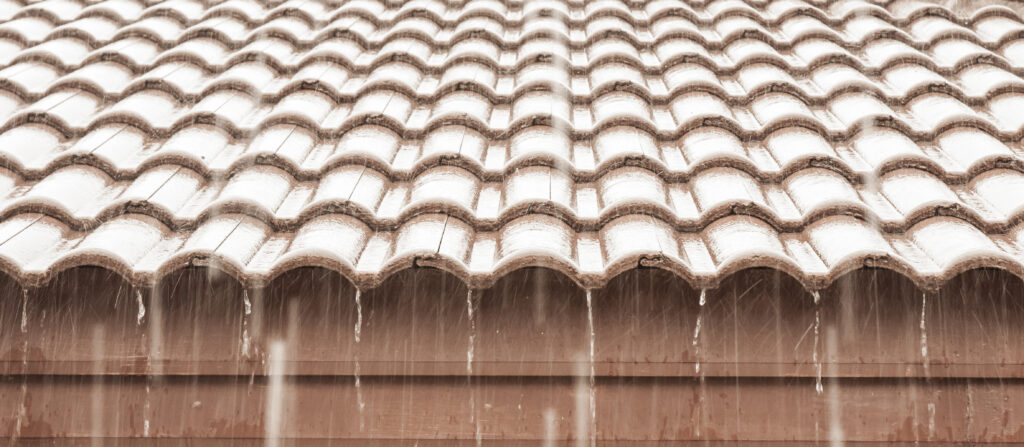
Hurricane season in Central Florida typically runs from June through November, bringing the potential for high winds, heavy rainfall, and flying debris. While you can’t stop a storm, you can significantly reduce the risk of costly roof damage through preparation.
Here’s why proactive roof care matters:
- Protects Against Water Damage: Roof leaks are the most common source of storm-related home repairs. Proper maintenance prevents small gaps and cracks from becoming major entry points for water.
- Preserves Structural Integrity: High winds can lift or tear shingles, especially on older roofs. Securing materials helps your roof stay anchored during intense gusts.
- Reduces Insurance Claims: Taking preventive action shows your insurer that you maintain your home responsibly, which may help avoid denied or delayed claims.
- Saves Money Long-Term: Routine maintenance and inspections cost far less than full replacements or emergency repairs after a storm.
- Provides Peace of Mind: Knowing your roof is prepared lets you focus on your family’s safety instead of worrying about potential leaks or collapse.
7 Steps to Prepare Your Roof for Hurricane Season
Roof preparation doesn’t have to be overwhelming. By following a clear checklist, you can catch issues early and ensure your roof is as resilient as possible when storms approach.
1. Schedule a Professional Roof Inspection
Before hurricane season begins, schedule a comprehensive inspection with a qualified local roofer. Professionals know exactly where to look for hidden problems such as loose flashing, missing shingles, or soft spots in decking.
During the inspection, make sure your roofer:
- Checks all valleys, seams, and joints for signs of wear.
- Examines underlayment and decking for water damage.
- Identifies any nails or fasteners that have popped or rusted.
- Evaluates ventilation systems for proper airflow.
A detailed inspection report gives you a clear picture of your roof’s condition and helps prioritize any needed repairs before the first storm arrives.
2. Reinforce Roofing Materials and Fasteners
If your roof is over ten years old, it’s wise to reinforce it. Florida’s wind zones require specific installation standards, and older roofs may not meet modern building codes.
Key reinforcement steps include:
- Upgrading to hurricane-rated shingles or tiles.
- Installing additional nails or screws in critical areas.
- Using adhesive sealant or roofing cement on vulnerable edges.
- Checking ridge caps and vents for secure attachment.
Even small reinforcements can dramatically increase wind resistance and minimize shingle uplift.
3. Clean Gutters and Downspouts
Clogged gutters can cause water to back up under your shingles or pool around the foundation. Before the storm season, clear all leaves, twigs, and debris from gutters and ensure downspouts direct water at least six feet away from your home.
If your home is surrounded by trees, consider installing gutter guards to reduce debris buildup and maintenance frequency.
4. Trim Nearby Trees and Branches
Overhanging limbs are one of the top causes of roof damage during storms. Trim branches so that no part of the tree hangs within ten feet of your roofline. Strong winds can snap branches, causing impact damage to shingles or puncturing the roof membrane.
5. Secure or Replace Flashing
Flashing seals the seams where roofing materials meet walls, chimneys, or skylights. If it’s loose or rusted, wind-driven rain can quickly enter your home. Inspect these metal components closely and replace any that show corrosion or lifting edges.
6. Check Attic Ventilation and Insulation
A healthy attic contributes to a stronger roof. Proper ventilation prevents moisture buildup and reduces pressure differences that can cause roof lift during a storm. Ensure vents are clear and insulation is dry. Wet insulation not only reduces energy efficiency but can signal hidden leaks.
7. Document Your Roof’s Condition
Before hurricane season begins, take photos and videos of your roof from multiple angles. Keep copies of inspection reports, repair invoices, and warranty details in a safe place. This documentation can make filing an insurance claim faster and more effective if damage occurs later.
Reinforcing Your Roof: Materials and Upgrades That Matter
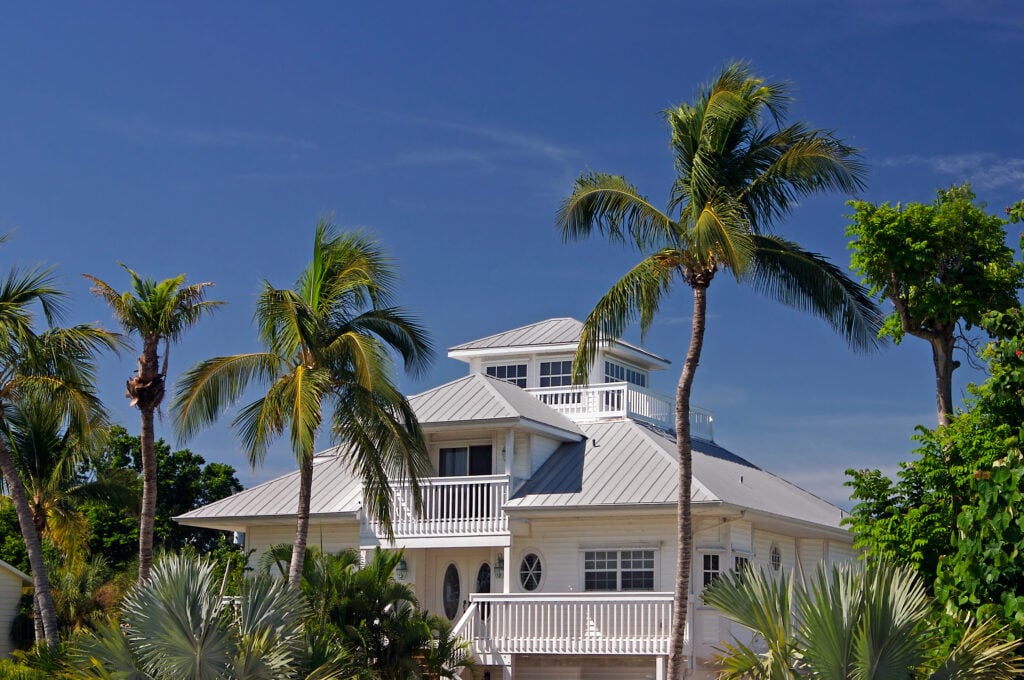
Once you’ve handled basic maintenance, consider strengthening your roof with strategic upgrades. These can increase durability and add long-term value to your home.
High-Wind Rated Shingles
Not all shingles are created equal. Some asphalt shingles are tested to withstand wind speeds up to 130 mph. These shingles feature stronger adhesive strips and interlocking edges designed to prevent blow-off during severe storms.
Impact-Resistant Underlayment
Modern underlayments are far more advanced than traditional felt paper. Synthetic or self-adhering options offer excellent tear resistance and form a watertight barrier beneath your shingles. This extra layer is crucial in preventing leaks if shingles are displaced.
Metal Roofing Systems
Metal roofs are increasingly popular in hurricane-prone regions. Their interlocking panels provide exceptional wind resistance and longevity. Although they cost more initially, they can last twice as long as asphalt shingles while offering superior storm protection.
Roof-to-Wall Connections
Hurricane straps or clips secure your roof to your home’s walls, reducing the risk of uplift. Many homes built before the 2000s lack these features, but they can often be added during reroofing or retrofitting.
Secondary Water Barriers
A self-sealing layer applied beneath the roof decking acts as an added defense against wind-driven rain. It’s a small investment that can prevent thousands in interior damage if shingles are lost during a storm.
Recognizing Warning Signs Before the Storm Hits
Even the best roofs can weaken over time. Knowing the early warning signs of trouble can help you take action before hurricane season arrives.
Look out for:
- Curling or Missing Shingles: These leave underlying layers exposed to rain and wind.
- Granule Loss: Shingles that have lost their texture are more vulnerable to UV damage and wind uplift.
- Sagging Rooflines: May indicate structural issues or weakened decking.
- Water Stains in the Attic: Often signal small leaks that can worsen during storms.
- Mold or Mildew Growth: Moisture trapped under roofing materials can quickly lead to rot.
If you notice any of these signs, contact a professional immediately for a thorough inspection and repair estimate. Delaying even minor issues can lead to costly emergency repairs later.
Comparing Roof Maintenance and Replacement Before Hurricane Season
When preparing for hurricanes, many homeowners wonder whether to invest in maintenance or commit to a full replacement. Below is a quick comparison to help you decide what’s right for your home.
| Factor | Maintenance | Full Replacement |
| Cost Range | $300–$1,500 depending on repairs | $10,000–$25,000 depending on size and materials |
| Timeline | 1–2 days | 1–2 weeks |
| Protection Level | Moderate | Maximum |
| Best For | Roofs under 10 years old with minor wear | Roofs over 15 years old or with visible damage |
| Longevity | Extends current lifespan | Adds 20–50 years of protection |
If your roof is aging or repeatedly repaired, replacement before hurricane season may save you more in the long run. New materials and improved installation standards provide far better resilience against Florida’s storms.
Partnering With a Local Expert for Storm Preparation
Choosing the right contractor is key to ensuring your home is truly ready for hurricane season. Local experience matters—roofers familiar with Wesley Chapel’s weather and codes know exactly which products and methods work best.
When selecting a roofing partner, look for:
- Local Licensing and Insurance: Always verify credentials before hiring.
- Storm Damage Expertise: Ask about prior experience with hurricane-resistant installations.
- Material Options: Quality roofers offer choices tailored to Florida’s wind and rain conditions.
- Comprehensive Estimates: Look for detailed breakdowns of materials, labor, and warranties.
- Follow-Up Support: Ensure the company offers post-storm inspections or emergency repair services.
Questions to Ask:
- Do you install high-wind or impact-rated shingles?
- How far in advance should I schedule hurricane preparation services?
- Can you provide references from local storm-related projects?
- What warranties do you offer on both materials and labor?
- Do you assist with insurance claims if storm damage occurs?
A trustworthy roofing contractor will answer these questions clearly and provide documentation upfront, giving you confidence in your investment.
Protecting More Than Just Your Roof
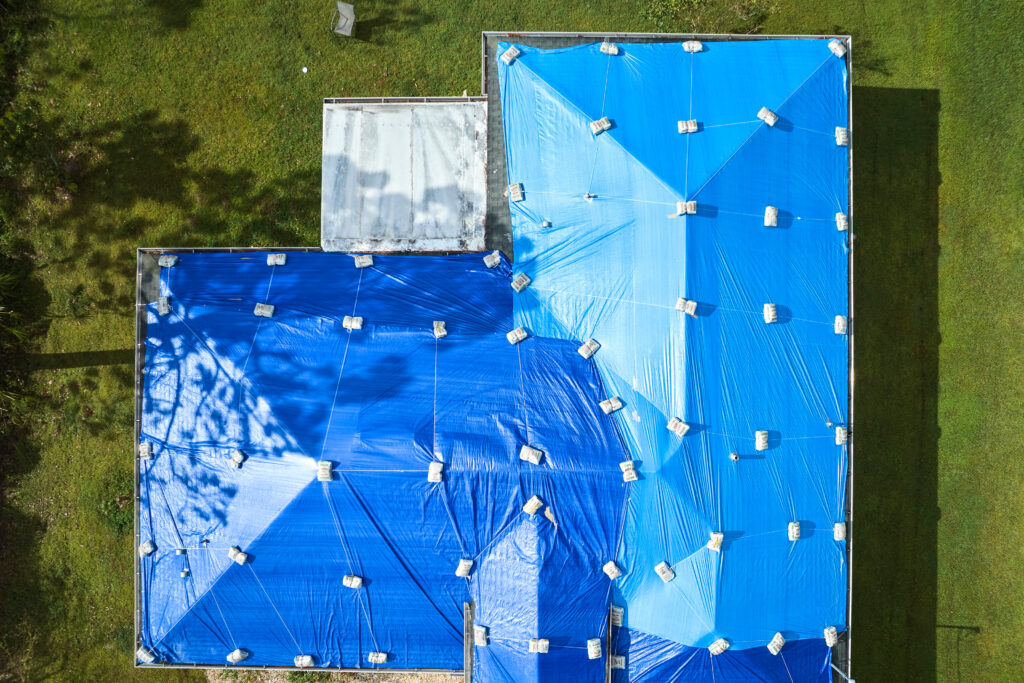
Your roof plays a central role in protecting your entire home during hurricane season, but there are additional areas to consider as part of your overall storm-preparation plan.
Exterior Maintenance:
- Check siding, soffits, and fascia for cracks or loose panels.
- Secure outdoor items such as patio furniture, grills, and potted plants.
Windows and Doors:
- Install storm shutters or impact-resistant glass.
- Inspect seals around frames to prevent water intrusion.
Gutters and Drainage:
- Confirm all water flow paths are clear.
- Extend downspouts to move water away from the foundation.
These complementary steps strengthen your home’s entire envelope, ensuring that when hurricanes strike, your property is as protected as possible.
Stay Ready With the Experts at Greentek Roofing & Solar
Hurricane season is an unavoidable part of life in Wesley Chapel, but roof preparation doesn’t have to be stressful. With the right planning and local expertise, you can protect your home from severe weather while improving its long-term durability.
At Greentek Roofing & Solar, our experienced team specializes in roof inspections, repairs, and installations designed for Florida’s toughest conditions. Whether you need a pre-season inspection or want to upgrade to hurricane-rated materials, we’re here to help. To schedule your consultation or request a storm-readiness estimate, contact us today.
We’re proud to serve Wesley Chapel and surrounding communities with quality craftsmanship, transparent pricing, and trusted expertise—so you can head into hurricane season with confidence.

Step Into
The Future of Roofing
