
 (813) 333-1963
Wesley Chapel Storm Damage & Insurance Questions Every Homeowner Asks

Written By: GreenTek Roofing & Solar | 6 Min Read

Storms can hit unexpectedly, leaving homeowners unsure of what to do next. Understanding how damage occurs, what to look for, and how insurance fits into the picture can help protect your home and finances. This guide breaks down the key questions homeowners ask so you can navigate stressful situations with confidence.
Understanding Roof Damage After a Storm
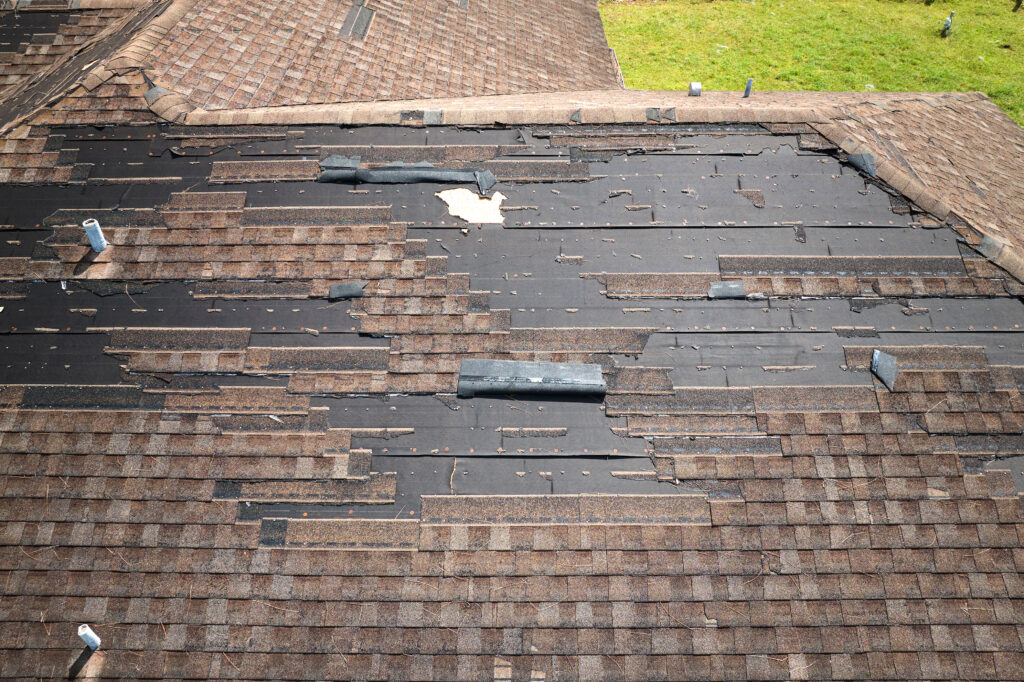
Before calling your insurance company or deciding on repairs, it helps to recognize what storm damage looks like and why it matters. These common questions give homeowners clarity on the first steps to take after severe weather.
Q: How do I know if my roof has storm damage?
A: Many signs are subtle and not easily visible from the ground. Look for missing shingles, dents in metal components, granule loss, or interior water spots after a storm. A professional inspection ensures hidden structural issues are identified early, potentially preventing bigger repair costs later.
Q: Can small signs of damage really cause major issues?
A: Yes. Even a minor shingle crack or lifted edge can allow water intrusion. Over time, moisture can lead to mold, insulation damage, and weakened decking. Addressing small problems early protects both your home’s structure and your long-term repair budget.
Q: Should I inspect the roof myself after a storm?
A: Homeowners can look for visible signs from the ground, but climbing on the roof is unsafe and may cause further damage. Professional inspectors use tools to safely identify issues that would otherwise go unnoticed and provide documentation for potential insurance claims.
Q: What types of storms cause the most roof damage?
A: High winds, hail, and heavy rain each pose unique threats. Wind can lift shingles, hail can bruise or puncture materials, and prolonged rain may exploit weak points. Combined, these forces can significantly reduce your roof’s lifespan.
Q: How quickly should I schedule an inspection?
A: The sooner, the better. Insurance companies often require proof of timely reporting, and early inspections prevent additional damage from developing. Acting quickly also gives you a clearer understanding of repair options before contractors become booked during peak storm season.
Navigating the Insurance Process
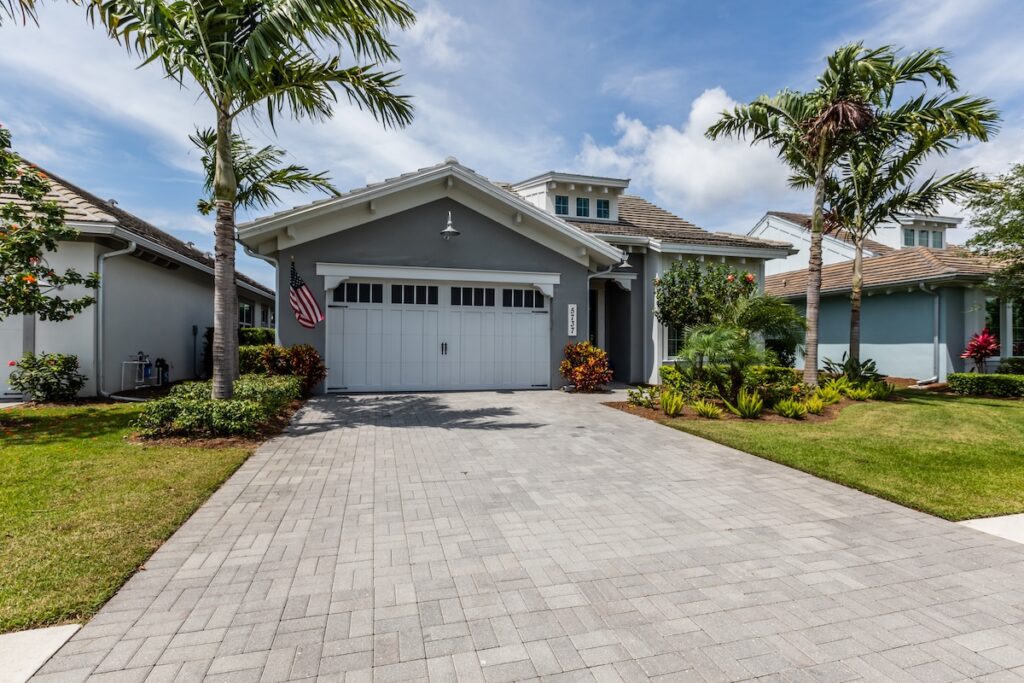
Many homeowners feel overwhelmed when filing insurance claims. Understanding coverage, timelines, and expectations can help you manage the process more effectively.
Q: What does homeowners insurance typically cover for storm damage?
A: Most policies cover sudden, accidental damage from wind, hail, or falling debris. However, coverage varies depending on policy terms and roof age. Reviewing your documents or speaking with your agent helps clarify limits, exclusions, and deductible responsibilities.
Q: Do I need documentation before filing a claim?
A: Yes. Photos, videos, and a professional inspection report strengthen your claim. Proper documentation ensures the insurance adjuster has clear evidence of the storm’s impact and reduces the risk of disputes or delays during the approval process.
Q: How long does the insurance claim process take?
A: Timelines vary based on the severity of the storm and the insurance company’s workload. Most claims take several days to weeks for assessment, approval, and scheduling. Staying in communication with your contractor and insurer helps keep the process moving efficiently.
Q: Should I contact a roofer or my insurance company first?
A: Contacting a reputable roofer first can be beneficial. They document damage and confirm whether it warrants filing a claim. This prevents unnecessary claims while ensuring you have accurate information to present to your insurer if a claim is needed.
Q: Can an insurance adjuster miss damage?
A: Yes, especially when damage is subtle. Having a roofing professional present during the adjuster’s visit ensures no issues are overlooked. Their expertise helps both parties reach a fair assessment of the necessary repairs.
Repair Costs and Expectations
Homeowners often wonder what repairs will cost and what affects pricing. Understanding these factors helps you plan and avoid surprises.
Q: What determines the cost of storm repairs?
A: Costs depend on the extent of damage, roof material, labor rates, and whether structural components were affected. Severe storms may also raise prices temporarily due to material shortages. A detailed estimate explains each line item so you know exactly what you’re paying for.
Q: Are emergency repairs more expensive?
A: They can be. Emergency tarping or temporary fixes often require immediate response, after-hours labor, or specialized equipment. However, these steps help prevent further damage, which can ultimately save money on long-term restoration.
Q: Will my roof need a full replacement after storm damage?
A: Not always. Some storms cause damage limited to specific areas, allowing for repairs instead of full replacement. However, widespread shingle loss, significant hail bruising, or structural issues often indicate replacement is the safer and more cost-effective option.
Q: Can I choose upgraded materials during insurance-covered repairs?
A: Homeowners can often upgrade, but insurance typically pays only for like-kind materials. If you choose premium shingles or additional features, you may pay the difference out of pocket. Discussing options with your roofer ensures you understand costs and benefits.
Q: Do repair costs differ based on roofing contractors?
A: Yes. Pricing can vary widely depending on experience, certifications, warranties offered, and materials used. Choosing a reliable contractor ensures quality workmanship that protects your home long-term, even if they aren’t the lowest bidder.
Protecting Your Home After Storm Damage
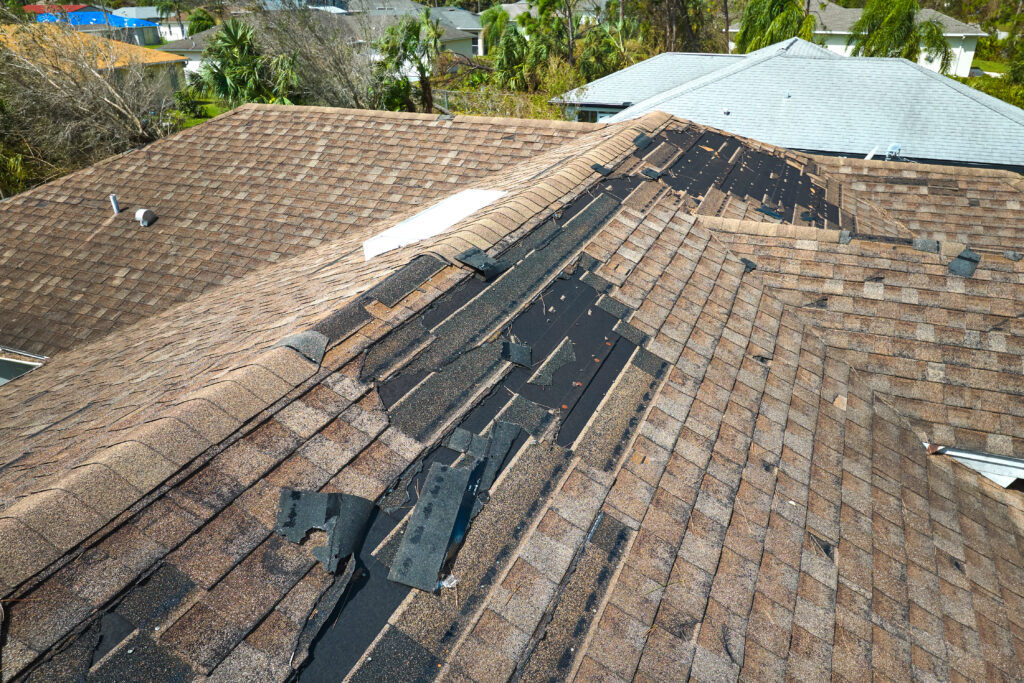
Once repairs are complete, ongoing care helps prevent future issues and ensures your roof stays strong through upcoming seasons.
Q: How can I reduce future storm damage to my roof?
A: Routine maintenance, prompt repairs, and high-quality materials make a significant difference. Reinforced shingles, improved ventilation, and secure flashing help your roof withstand severe weather. A proactive approach strengthens protection and reduces long-term repair costs.
Q: Are annual roof inspections worth it?
A: Absolutely. Regular inspections identify wear and tear before storms expose vulnerabilities. Early detection and small repairs extend your roof’s lifespan and make your insurance claims easier if major damage ever occurs.
Q: What maintenance should I perform after repairs?
A: Keep gutters clean, trim trees near your roof, and check for loose shingles after strong winds. Consistent maintenance reduces stress on your roofing system and protects the investment made during storm repair work.
Q: Do warranties cover storm-related issues?
A: Manufacturer warranties typically cover defects in roofing materials, not storm damage. Some contractors provide workmanship warranties that may help protect you from improper installation issues discovered after a storm. Understanding both types ensures you know what to expect.
Q: Can homeowners track roof health over time?
A: Yes. Contractors often provide documentation and photos after repairs. Keeping records helps you monitor changes, schedule timely maintenance, and support future insurance claims when needed.
Moving Forward With Confidence
Storms are unpredictable, but knowing how to respond helps protect your home and budget. With the right information and trusted professionals on your side, you can navigate storm damage and insurance decisions more easily and prevent future issues from impacting your home’s safety.
If you need help assessing storm damage or navigating a claim, contact the experts at Greentek Roofing & Solar for assistance.

Step Into
The Future of Roofing
