
 (813) 333-1963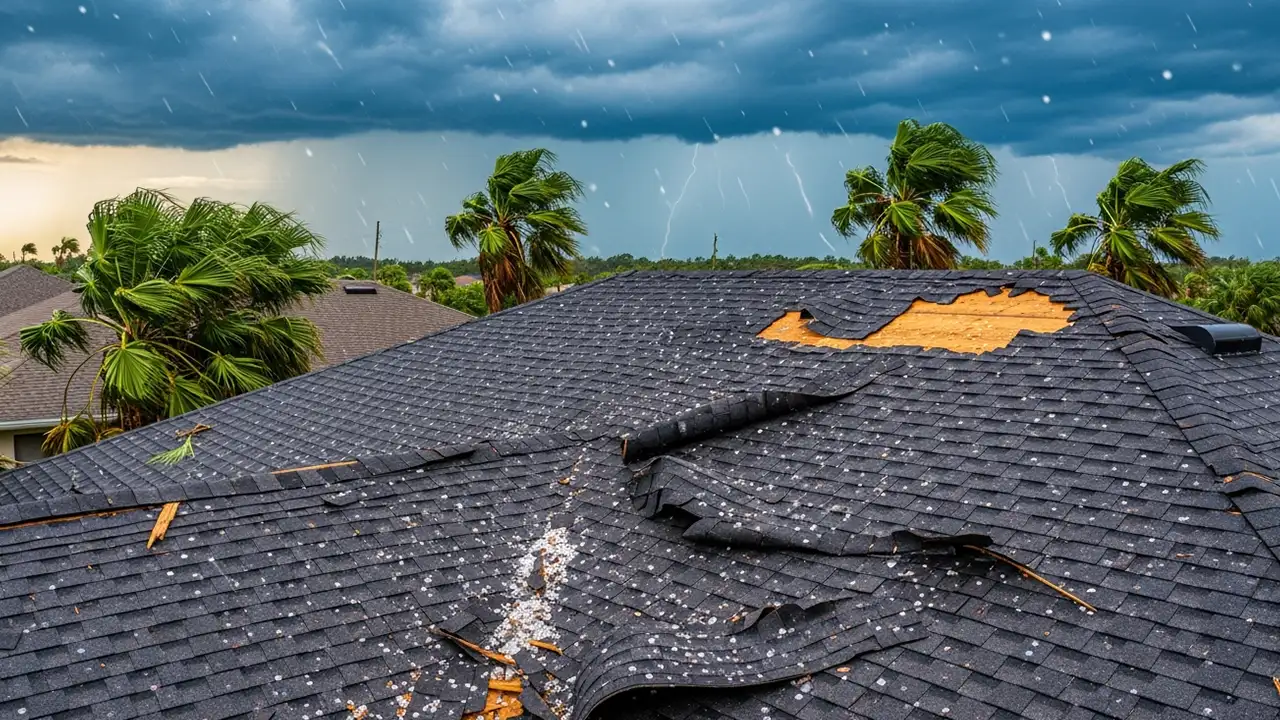
Hail vs. Wind Damage: How to Tell the Difference on an Asphalt Shingle Roof in Thonotosassa, FL

Written By: GreenTek Roofing & Solar | 9 Min Read

After a storm in Thonotosassa, FL, it’s easy to assume your roof is fine if the asphalt shingles are still in place. However, serious storm damage can be hiding in plain sight. Understanding the different signs of damage from hail and wind is crucial. Taking quick action can prevent minor roof damage from turning into major, expensive problems down the road, protecting both your home and your wallet.
Understanding Storm Damage Risks for Asphalt Shingle Roofs
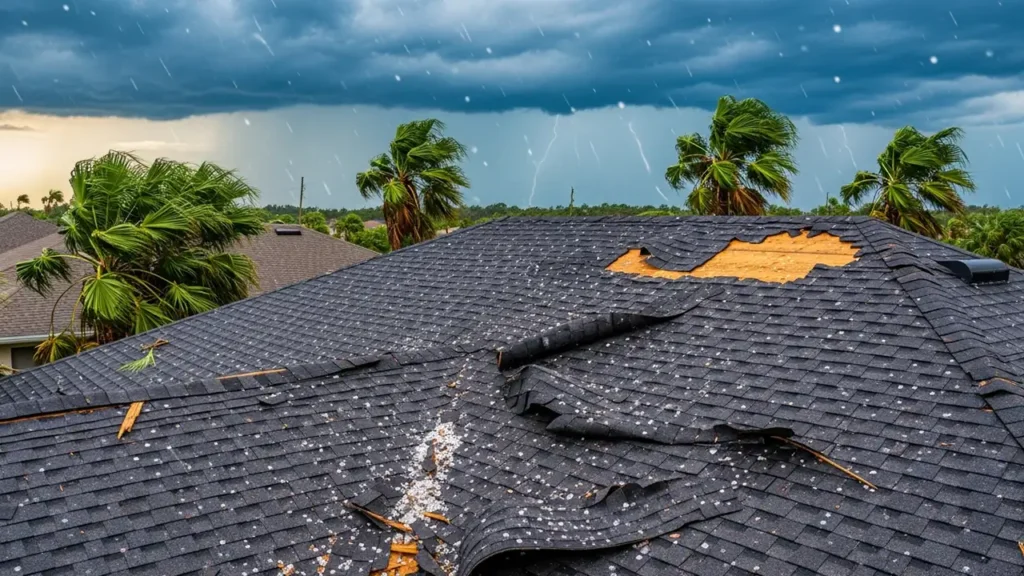
Asphalt shingle roofs face significant risks from Florida’s severe weather. The combination of intense heat, strong winds, and sudden hailstorms puts constant stress on your roofing system. Both wind damage and hail damage can compromise your roof’s integrity, leading to leaks and other issues if not addressed promptly.
It is important to understand what makes your roof vulnerable and how our expertise can ensure its long-term protection. Let’s look at why severe weather is such a threat to asphalt shingles and how our certifications reflect our commitment to quality.
Why Severe Weather in Florida Impacts Asphalt Shingles
Severe weather patterns significantly influence the longevity and integrity of asphalt shingle roofs in Florida. Frequent hail events and high winds can result in visible damage, such as granule loss or missing shingles, which compromise the roof’s defensive capabilities against water intrusion. The combination of intense heat and humidity further exacerbates these issues, leading to accelerated wear and potential structural damage over time. Understanding these impacts is crucial for homeowners in evaluating their roofing system and ensuring its condition remains optimal.
The Role of Our Certifications
At GreenTek Roofing & Solar, we maintain our expertise through ongoing training and certification. As a family-owned company, our credentials—including GAF Master Elite Certified Contractor, GAF 2-Star President’s Club Member, and TAMKO Diamond Pro Certified Contractor—reflect our commitment to quality service. Recognized as a 2025 Best of the Bay Contractor and BBB A+ accredited, our professional team can spot even subtle roof damage others might miss.
These qualifications ensure a thorough inspection and accurate assessment of your roof’s condition. You can trust us to recommend whether repair or replacement is needed with confidence.
What Is Hail Damage and How Does It Occur?
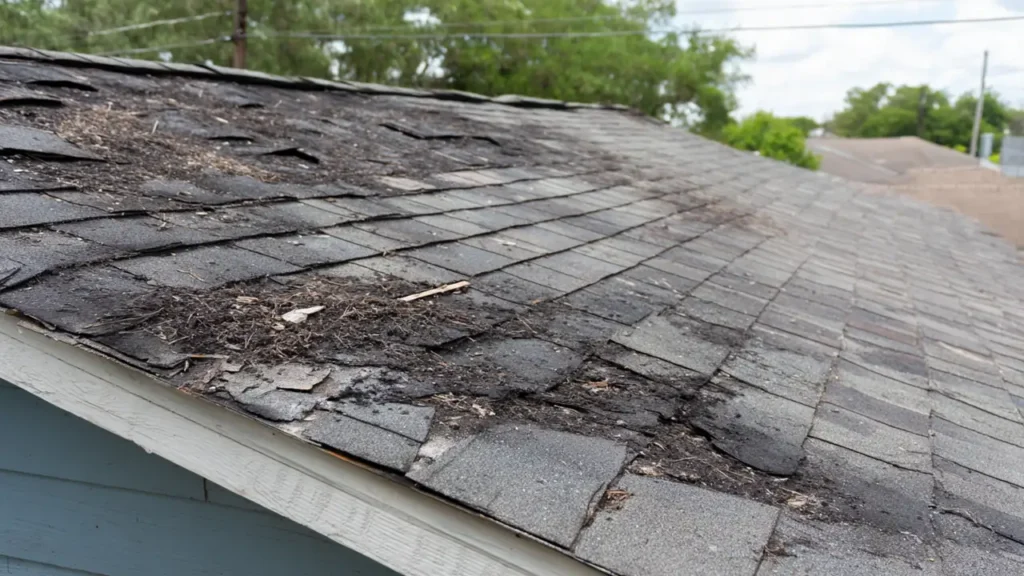
Hail damage happens from the direct impact of hailstones hitting your roof. Each hail strike acts like a small hammer, and the force it generates can bruise or break your asphalt shingles. This impact damage is often hard to spot from the ground but can lead to serious roof damage over time if not addressed.
Understanding what to look for can help you identify potential issues early. Knowing the typical signs of hail damage and how Florida’s climate contributes to the problem is the first step toward protecting your home.
Typical Signs of Hail Damage on Asphalt Shingles
Assessing asphalt shingle roofs for hail damage requires attention to specific signs that distinguish it from other types of damage. Look for visible impact marks, which often appear as small dents or pockmarks on the shingle surface. Loss of granules is another common sign, exposing the underlying material and compromising the roof’s integrity. Additionally, missing shingles can indicate significant impact from hail strikes. Recognizing these signs early is crucial for preventing further damage and the potential need for a full roof replacement.
How Florida’s Climate Intensifies Hail Effects
Florida’s humid subtropical climate significantly exacerbates hail effects on asphalt shingle roofs. Elevated temperatures combined with sudden storms create intense atmospheric conditions, leading to hail strikes that can cause substantial damage. Frequent weather changes increase the likelihood of hail events, often resulting in common signs of hail impact such as missing granules or visible damage to shingles. This unique climate necessitates vigilant monitoring and professional inspections to ensure the integrity of your roof, ultimately preventing costly repairs and enhancing peace of mind.
Identifying Wind Damage on Asphalt Shingle Roofs
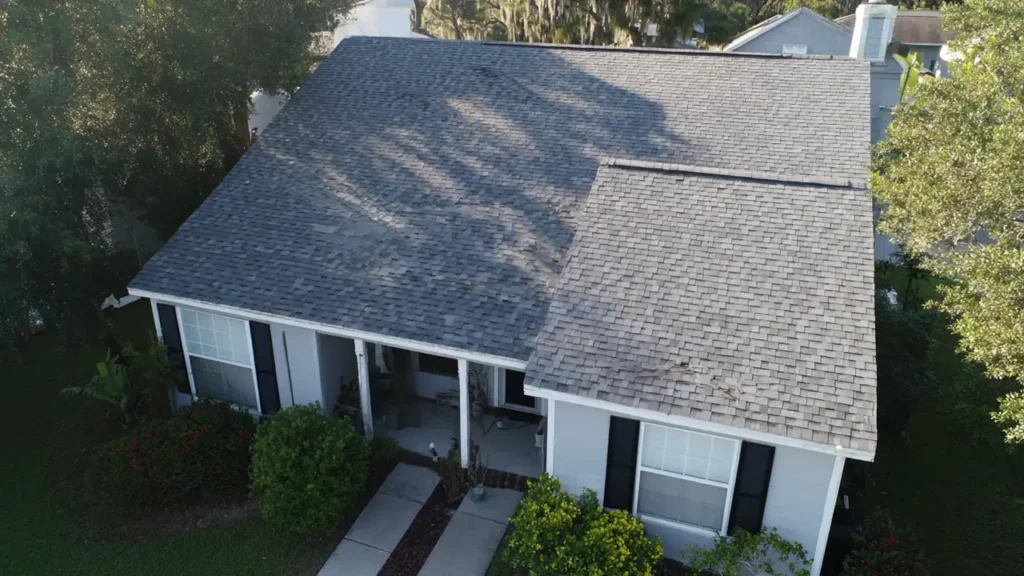
Wind damage affects asphalt shingles differently than hail. Instead of direct impact, high winds get under the edges of shingles and try to lift them. This action can break the adhesive seal that holds the shingles down, leaving your roof’s integrity compromised. In severe cases, it can lead to missing shingles entirely, exposing the underlayment.
Learning to recognize the visual clues of wind damage is essential for any homeowner in Thonotosassa. Let’s explore what to look for and how this type of damage differs from other common roof problems.
Visual Clues of Wind Damage You Can Spot
Observing roof damage after a storm often reveals critical visual clues. One of the most common signs of wind damage includes missing shingles or those that are misaligned, which can compromise the roof’s integrity. Look for areas with lifted edges or exposed underlayment, as these may indicate strong winds have dislodged shingles. Additionally, observe for loss of protective granules around the roof, signaling potential impact damage and the risk of water intrusion. Quick identification is essential to prevent further damage.
How Wind Uplift Differs from Other Roof Issues
Wind uplift presents unique challenges compared to other roofing issues. Unlike hail impact, which inflicts direct damage on asphalt shingles, wind uplift involves aerodynamic forces that can lift and potentially detach shingles. This phenomenon often leaves signs such as curled edges or missing shingles, indicating an underlying risk to the roof’s integrity. Understanding this distinction is essential, as the spectrum of damage requires tailored inspection techniques by professional roofers to assess the extent of the damage and determine the best repair options.
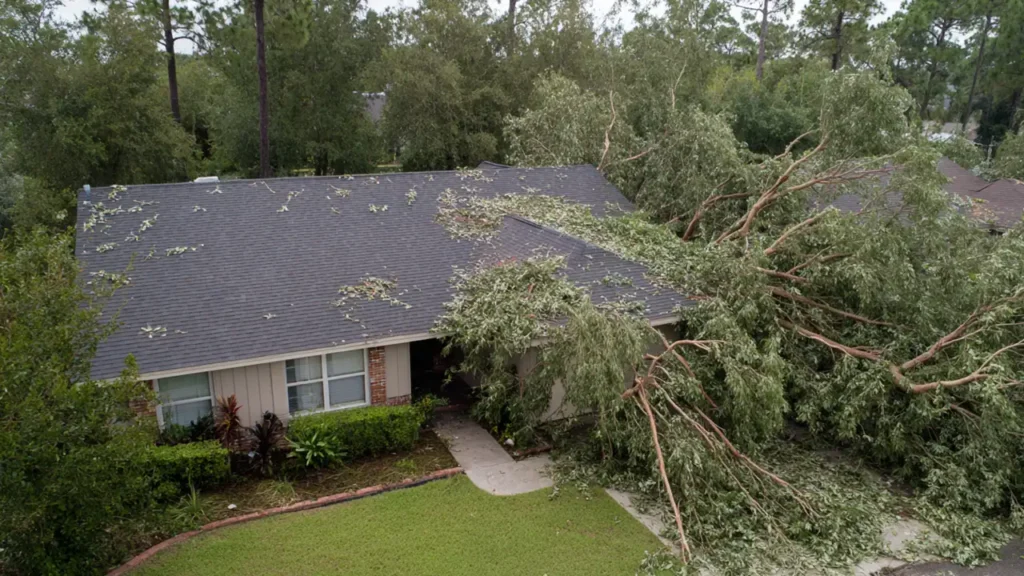
Comparing Hail vs. Wind Damage
At first glance, all storm damage might look the same. However, understanding the key differences between hail damage and wind damage is vital. This knowledge helps you communicate more effectively with your insurance company and choose the correct repair options. Hail causes bruises and dents, while wind lifts and tears shingles.
Knowing how to differentiate the type of damage can impact your insurance claim and ensure you get the right solution for your roof. Next, we will examine the different patterns and breaking points and how to recognize when both types of damage are present.
Patterns and Breaking Points in Asphalt Shingles
Understanding the patterns and breaking points in asphalt shingles is essential for identifying damage from severe weather events. Common signs of hail damage include impact marks and loss of granules, which can compromise the overall integrity of your roof. Analyzing these patterns helps distinguish between hail and wind damage, ensuring that the appropriate repair options are considered. Untrained eyes may overlook subtle indicators, making a professional inspection crucial for assessing the extent of the damage and safeguarding your home from costly problems.
Recognizing Mixed Storm Damage After Florida Storms
Differentiating between various types of storm damage can be challenging for homeowners. After severe weather events in Florida, both hail and wind can wreak havoc on asphalt shingle roofs, leaving visible damage that may overlap. Common signs include lost granules that compromise your roof’s integrity and the presence of impact marks that indicate hail strikes. Additionally, strong winds may result in missing shingles, which can further lead to structural damage or water intrusion if not addressed promptly. Engaging a professional inspection ensures accurate assessment and repair options to maintain peace of mind.
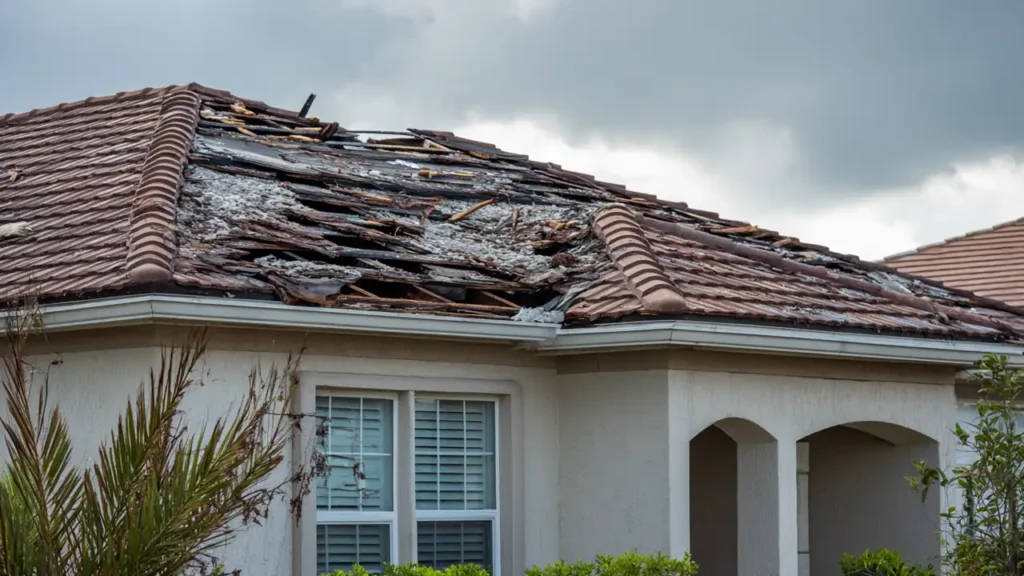
Immediate Steps to Take If Your Roof Suffers Hail
If you suspect your roof has suffered hail or wind damage, taking immediate action is key to preventing further damage. The first thing you should do is safely assess the situation from the ground. Look for obvious signs of damage, like missing shingles or visible dents, and document what you see with photos.
These initial steps are crucial for your safety and for your insurance claim. Let’s cover some important safety precautions for homeowners in Thonotosassa and explain why getting a fast inspection can save you from bigger headaches later.
Safety Precautions for Homeowners in Thonotosassa, FL
After a severe storm, prioritizing safety is crucial for homeowners in Thonotosassa. Inspections should be conducted with care; maintain a safe distance from damaged roofs to avoid further injury or structural risks. Utilizing certified professionals for a roof inspection ensures a thorough assessment without compromising personal safety. Be aware of potential hazards such as falling debris or compromised roof integrity. Taking these precautions can help mitigate the risks associated with storm damage and safeguard your home’s structure, ensuring peace of mind during recovery.
Why Fast Inspections Prevent Bigger Issues
Delaying inspections following severe weather can lead to extensive roof damage that may compromise the integrity of your roof. Quick assessments help identify signs of hail damage or wind damage, revealing visible damage such as missing granules and shingles. Untrained eyes might overlook issues that professionals can spot, ensuring any necessary repairs are addressed promptly. Taking immediate action prevents escalating costs and increases the likelihood of a successful insurance claim, providing peace of mind for homeowners in Thonotosassa.
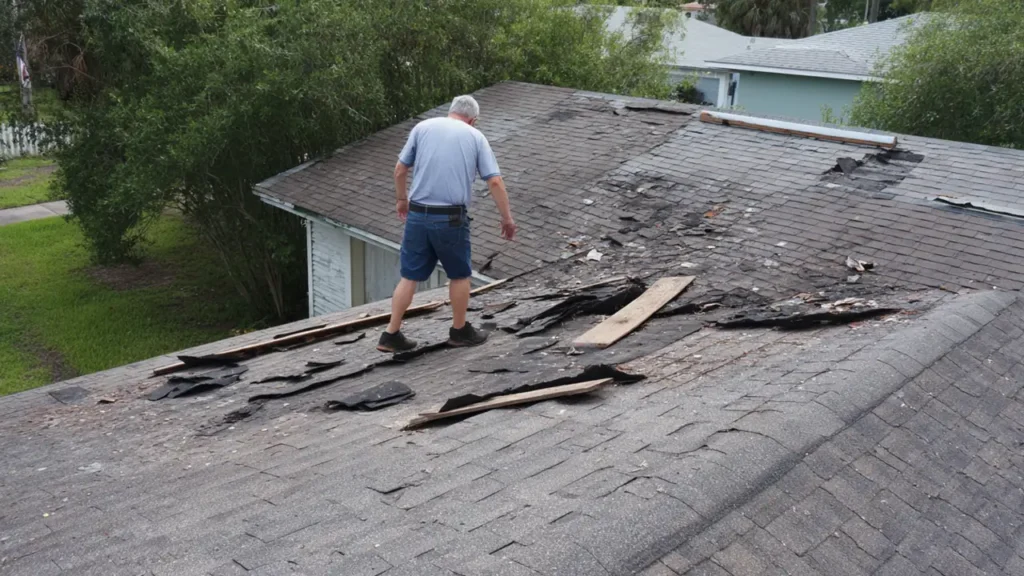
Contact Us Today
In conclusion, distinguishing between hail and wind damage is essential for Thonotosassa, FL homeowners. Both can seriously impact asphalt shingle roofs given our unique weather. Recognizing the signs of each helps you save time and money while keeping your roof in top shape. At GreenTek Roofing & Solar, we offer expert inspections and repairs backed by ongoing training. For commercial roofing, contact us for quotes to keep your property protected.
Frequently Asked Questions
Does insurance treat hail and wind damage differently in Florida?
Yes, some Florida insurance policies have separate deductibles for hail damage and wind damage. Properly identifying the type of damage is crucial for your insurance claim, as it can affect your out-of-pocket costs for the roof damage repair.
How do you identify hail damage on shingles?
You can identify hail damage on asphalt shingles by looking for random impact marks, dark bruises, or spots with significant granule loss. These signs of hail damage will often feel soft or spongy to the touch, indicating the shingle has been compromised.
Read our blog: Florida Roofing Permits Explained for Thonotosassa, FL Homeowners: When You Need One and Why It Matters

Step Into
The Future of Roofing
